
Abstract:
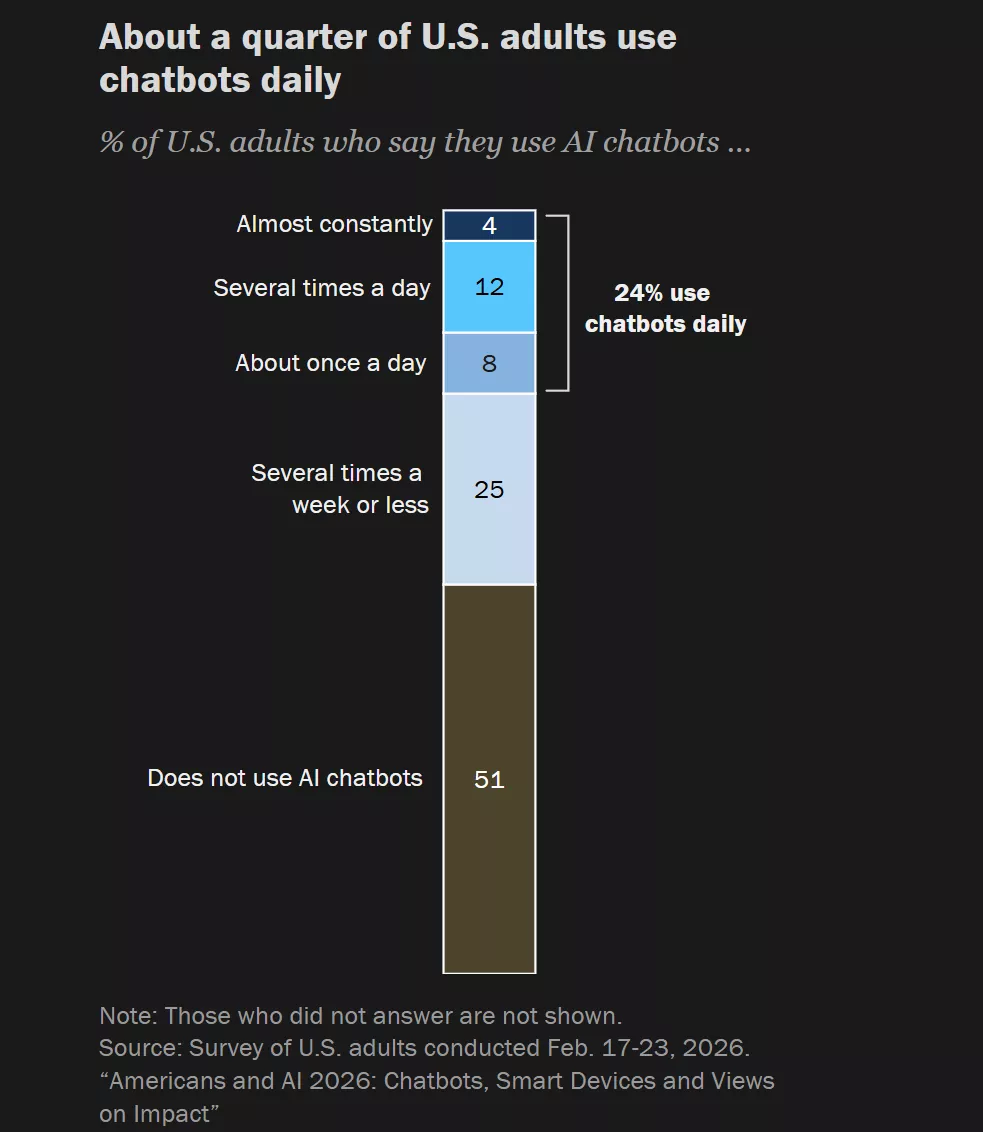
With the rapid popularization of artificial intelligence technology, the controversy surrounding data center construction and AI development in the United States continues to heat up. However, an increasingly obvious phenomenon has attracted industry attention: despite growing opposition, the number of users of AI tools is still growing rapidly.
Cyrus Beschloss, CEO of the American data platform company Verb, said in a recent interview that many people who publicly oppose the construction of data centers and criticize the development of artificial intelligence are actually frequently using related technologies. He believes that when people really face the choice between "closing data centers" and "abandoning popular AI services such as ChatGPT", the problem is far from being as simple as it seems.
Beschloss pointed out at an event about the U.S. midterm elections and the technology industry that many people who claim to be opposed to AI are actually already highly dependent on related tools in their daily lives and work. He said that people will face a real test once society must choose between maintaining AI services and restricting infrastructure construction.
As the head of Verb, Beschloss’ remarks are also closely related to his business. Verb is a data trading platform that allows individuals to sell their data to businesses and earn money from it. This data can be used for artificial intelligence training and other commercial purposes. According to the company, the platform currently has about 25,000 users, and Beschloss expects that number to grow to about 1 million within the next year.
In recent years, public concerns about artificial intelligence have increased. From the job losses caused by automation, to the potential impact on the social structure, and even discussions about the future fate of mankind, AI has become a highly controversial topic. Multiple surveys show that there are significantly more Americans who are worried than looking forward to the changes AI will bring.
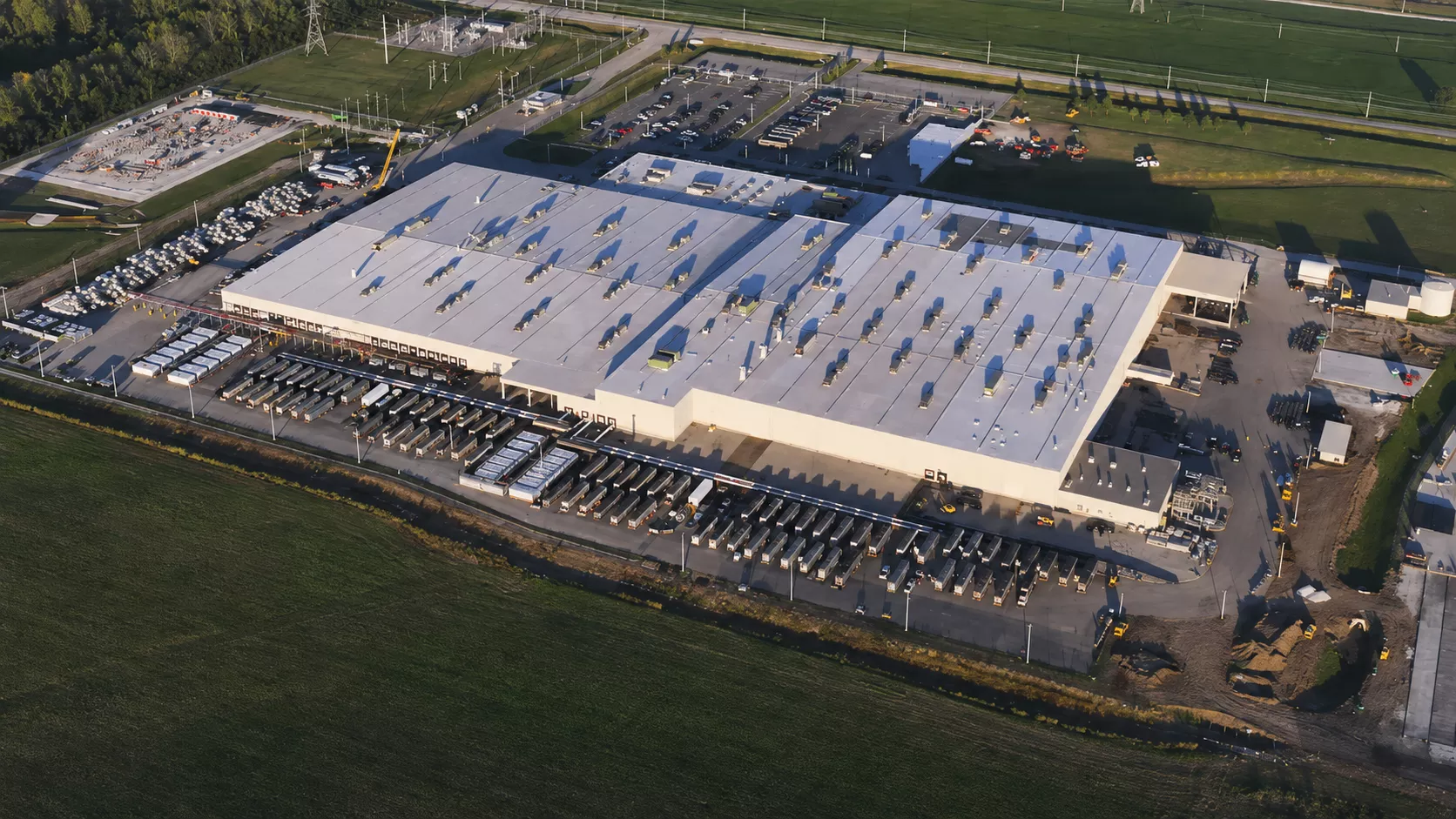
At the same time, the large-scale data centers built to support artificial intelligence computing needs have also become the focus of controversy in many regions in the United States. Opponents believe that these facilities will consume a lot of energy and water, cause noise pollution, and may affect the quality of life and health of surrounding residents.
In order to promote the implementation of projects, many technology companies have begun to provide various incentives to the community, including promising to bring investment opportunities, provide more favorable Internet services, and even directly provide financial compensation. However, even so, many local residents still oppose the construction of data centers near their residences.
However, this opposition stands in sharp contrast to the continued growth in the use of artificial intelligence. In June this year, OpenAI’s ChatGPT became the fastest application in history to reach 1 billion monthly active users, achieving this milestone in only about three and a half years. The record was previously held by Google Maps, which took about five years to reach the same scale.
Analysts pointed out that the AI industry is currently facing a contradictory situation. On the one hand, the public is wary of the possible negative impacts of artificial intelligence; on the other hand, a large number of users have integrated AI tools into their study, work, and daily life. As the demand for computing power continues to rise, the debate surrounding data center construction, resource consumption and the development of artificial intelligence is expected to further escalate.
Beschloss believes that this phenomenon reveals the complex relationship between society enjoying the convenience of AI and bearing its costs. When people really need to make a decision between technology benefits and infrastructure costs, the relevant discussion may enter a new stage.
Comments