
Abstract:
German search engine and browser operator Ecosia announced that it will adjust its artificial intelligence strategy, ending its partnership with French AI company Mistral, and switching to a variety of open source artificial intelligence solutions, including Chinese open source models. This decision has attracted attention in the European technology community, because Ecosia had previously regarded Mistral as an important partner to break away from dependence on US technology giants.
Ecosia, headquartered in Berlin, has long regarded environmental protection concepts and technological independence as the core of its brand. Its products have been used by public institutions such as the German Federal Ministry of the Environment and the British National Health Service (NHS). Just in May this year, Ecosia replaced OpenAI as its main AI supplier with Mistral, hoping to build a more autonomous artificial intelligence ecosystem with the help of local European technology.
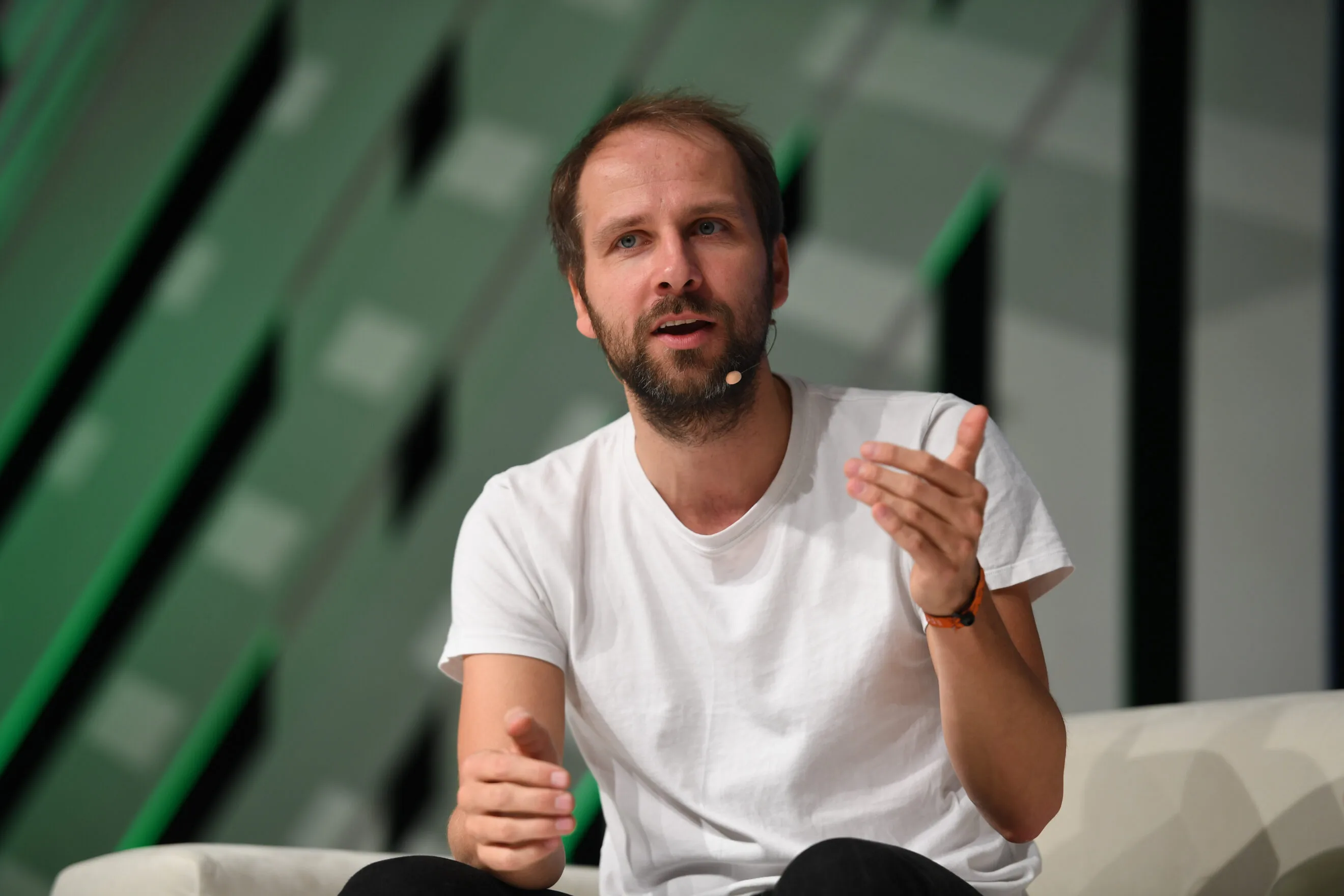
However, Ecosia founder and CEO Christian Kroll said the company was not satisfied with the overall performance of the Mistral model. He believes that Mistral's current model capabilities have lagged behind its main competitors for about a year, making it difficult to meet the company's development needs.
In addition to model performance factors, a series of technical issues also emerged during the cooperation between the two parties. Kroll revealed that Mistral's servers have been overloaded many times, affecting service stability. He bluntly said that Ecosia is "too big" for Mistral and the existing infrastructure cannot continue to support the company's needs.
At the same time, Ecosia has also questioned whether Mistral is truly consistent with its long-term strategic goals. The company believes that the relatively high proportion of nuclear power used in France's energy structure is inconsistent with its environmental protection philosophy. In addition, Ecosia also questioned whether Mistral can truly represent European technology sovereignty because the company also relies on international capital investment. Kroll said that in his opinion, this model cannot be regarded as technological independence in the true sense.
Facing criticism from Ecosia, Mistral co-founder and chief scientist Guillaume Lample publicly responded that he hopes Ecosia can test Mistral’s latest model products, and expressed that the company is willing to provide early access to it immediately. He emphasized that building advanced AI models requires time, computing power and scientific research accumulation, and Mistral is in a rapid growth stage and has the ability to customize models according to customer needs.
The decision to switch to China’s open source model also reflects the changes in the current competitive landscape of the global AI industry. As China's open source large model capabilities continue to improve, more and more overseas companies are beginning to include them in their technology choices. For Ecosia, performance, stability and cost-effectiveness have obviously become more important considerations than geographical attributes.
Analysts believe that this incident has certain symbolic significance for the European artificial intelligence industry. Mistral, originally regarded as Europe's flagship AI company, not only faces fierce competition from American technology giants, but now also faces increasing pressure from China's open source model. Ecosia's choice shows that in the commercial market, companies are ultimately more inclined to adopt technology solutions that provide the best overall performance, rather than making decisions based solely on geographical standpoints.
Comments