
Abstract:
Epic Games announced a preview of the new Epic Games Launcher on October 14. The company says the launcher is "much faster" and more responsive than the existing version, and brings a new interface design while supporting the Linux platform for the first time. It is worth noting that Epic made it clear that this revision was developed largely with the help of artificial intelligence, which is the so-called "vibe coded" (atmosphere programming).
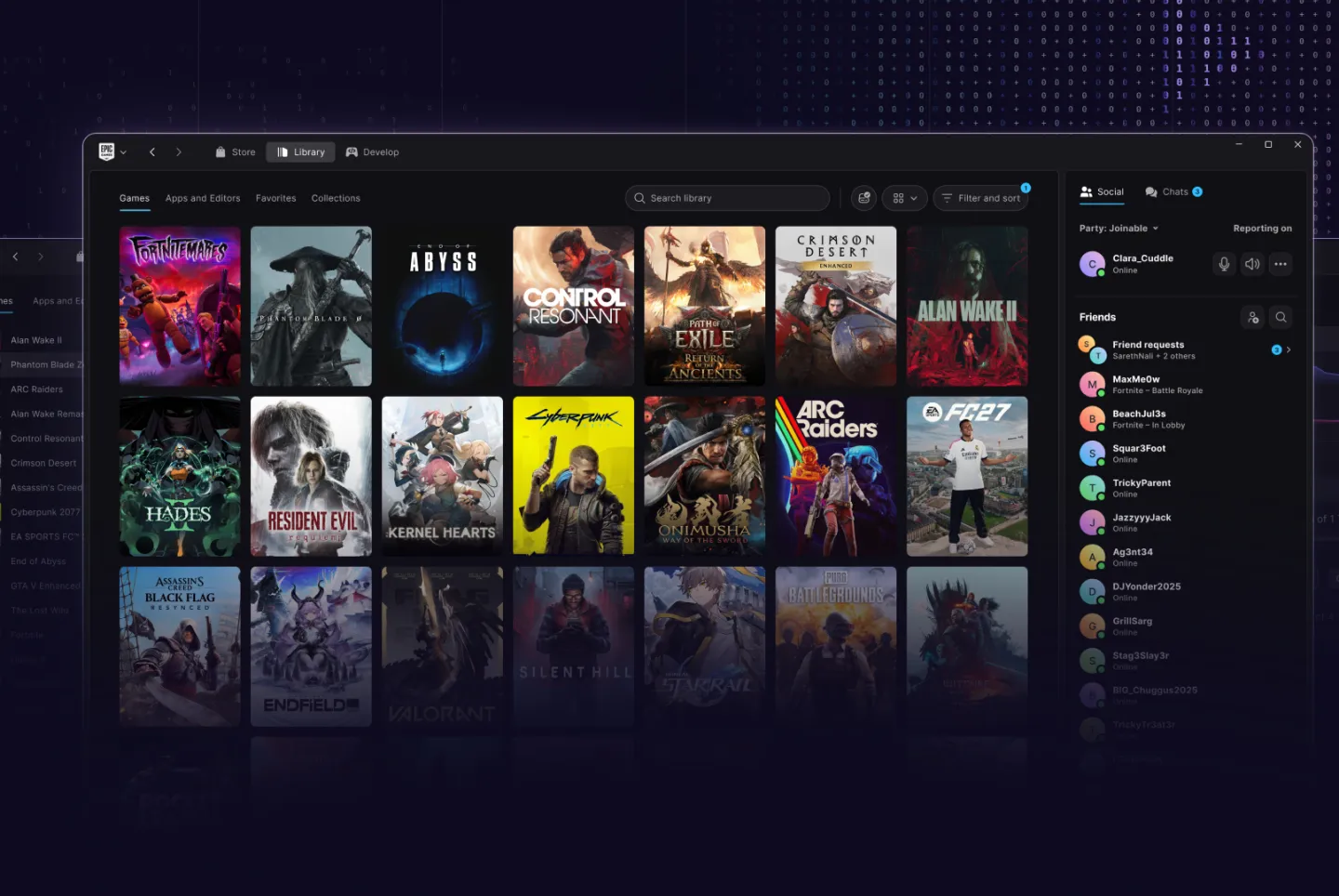
Epic wrote on its official blog: "Programming is hard. So, instead of doing that, we developed a new Epic Games launcher using ambient programming. It's faster and more responsive than the existing version, and has a new look." This statement continues Epic's recent strategy of vigorously promoting AI-assisted development internally.
Epic CEO Tim Sweeney said on Monday that the company is undergoing a "major pivot" and will adjust its developer division of labor to achieve "maximum AI acceleration." He emphasized that the goal of this transformation is not to "do the same thing with fewer people," but to enable everyone in the company to "build more and better things" and bring the results to all teams using the Unreal engine. Bloomberg also reported this week that an Epic director responsible for unannounced Disney projects told employees there would be "no more hand coding" going forward.
Introducing the launcher to The Verge, Martin Keely, vice president and general manager of Epic Games Store and Epic Online Services, said: "We are using AI as a tool. This is part of our company's migration to new and different ways to use AI." He said that AI is "very helpful" in the testing process and "replicating the core functionality of existing launchers", and also allows Epic to push the new launcher to the Linux platform.
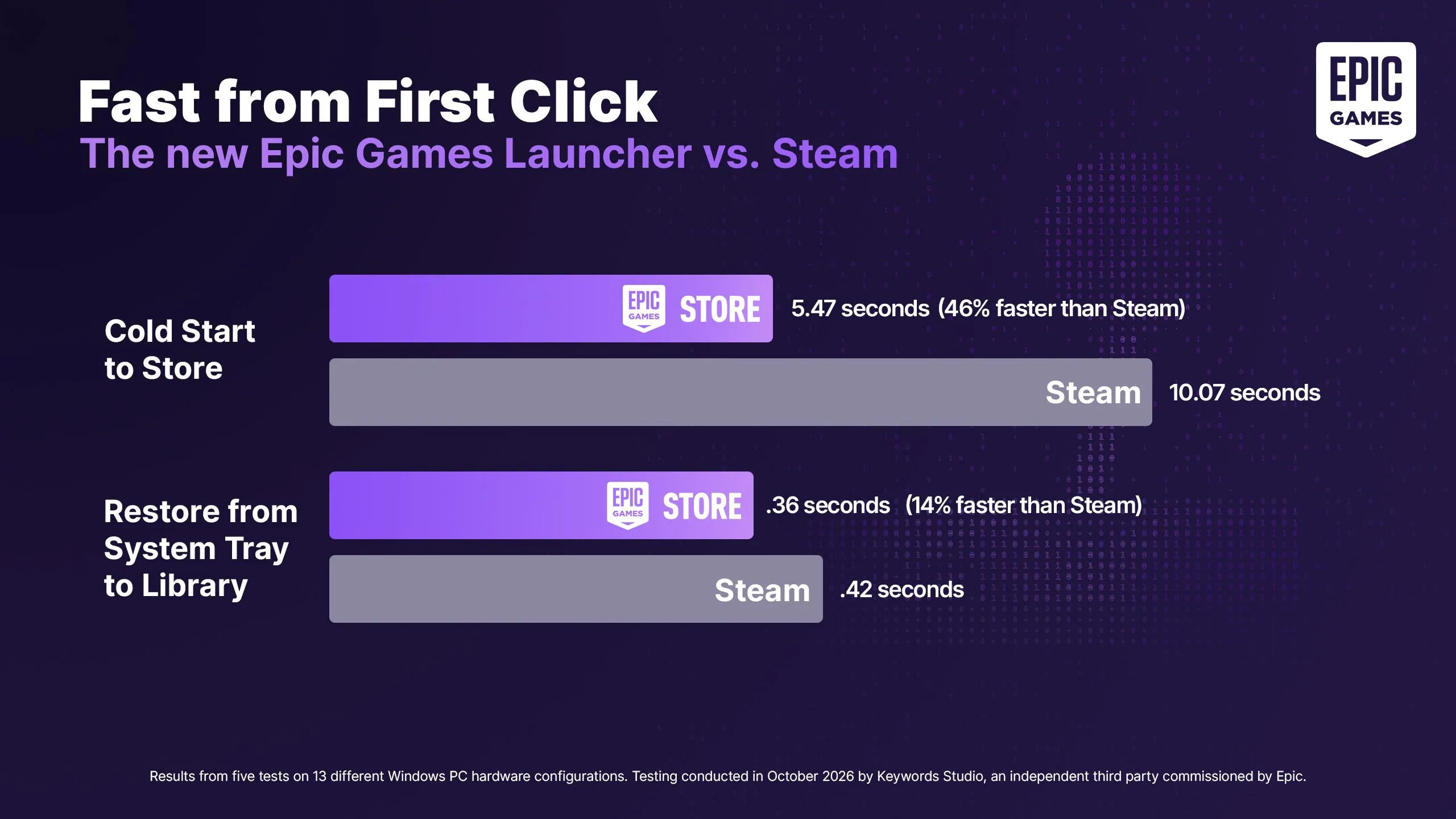
Epic also announced performance data for the new version of the launcher, saying it is significantly faster than the older version. The release of this preview version marks that the "Fortnite" developer and the Unreal Engine company are further implementing AI-assisted programming from internal strategies into core products for players.
Comments