
Abstract:
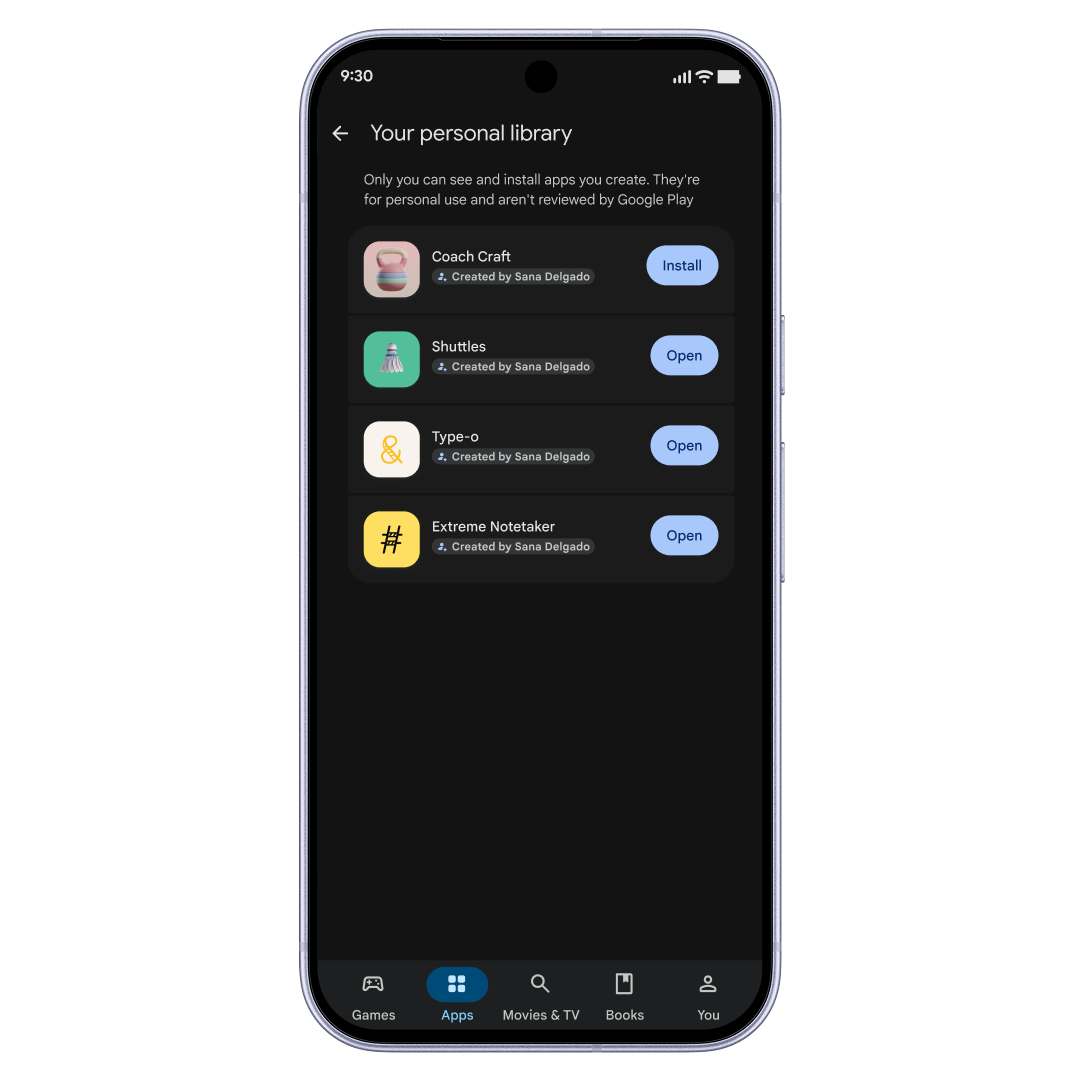
Google is changing the way Android apps are developed and distributed. On October 13, local time, Google announced the launch of a new feature that allows users to run Android applications developed with the assistance of artificial intelligence and specially built for personal needs through Google Play. These apps do not need to be published publicly to the Google Play Store, nor will they appear in the store's search results or app listings. Only the creators can use them.
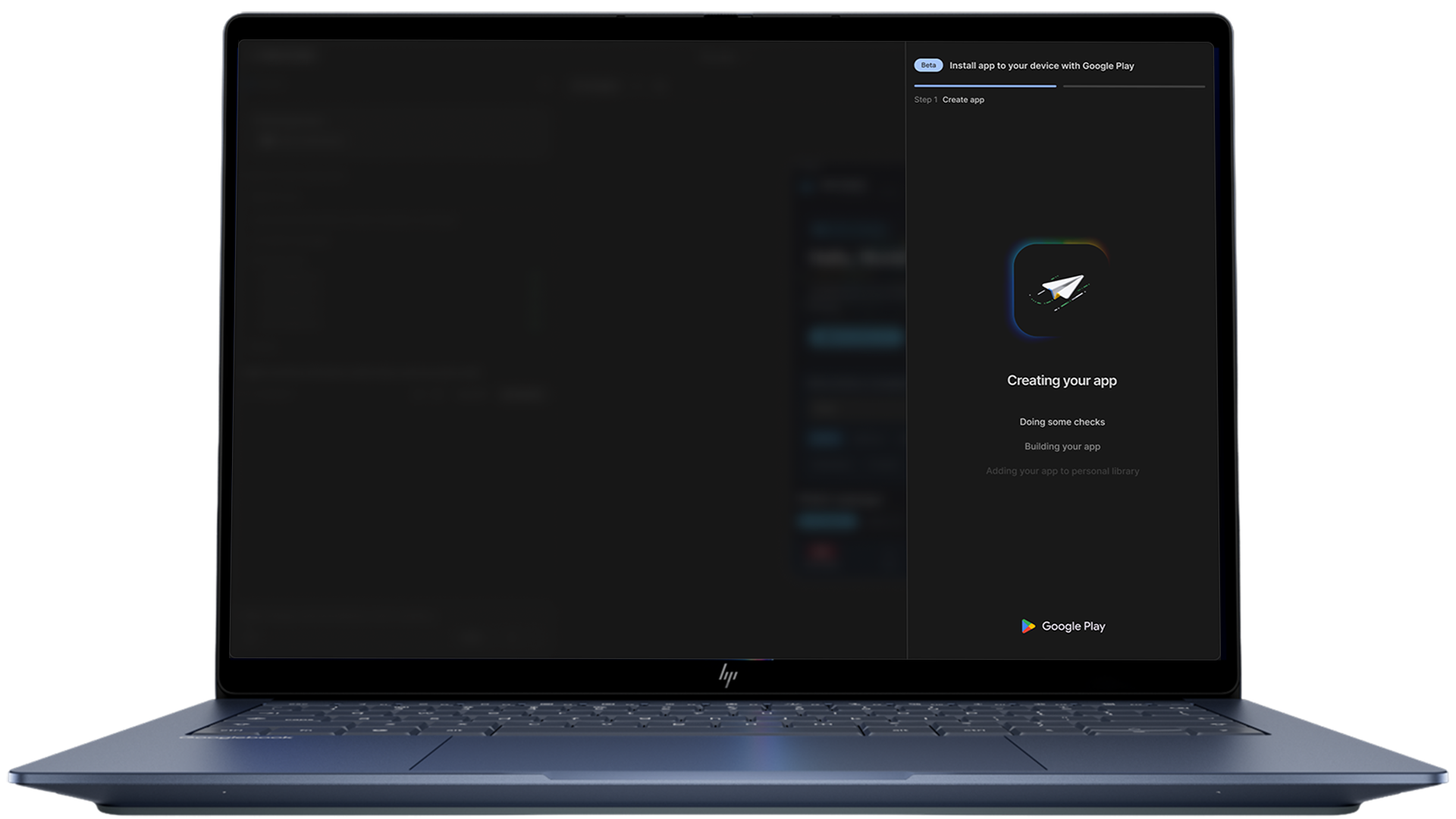
This new feature is aimed at "Vibe Coding" which has rapidly emerged in recent years. Users do not need to have traditional software development experience. They only need to describe the functions they want in natural language, and then use artificial intelligence to generate application code and then deploy the application to their Android devices. Google hopes to lower the threshold for developing native Android applications so that ordinary users can create software that meets their personal needs without having to wait for developers to bring similar products to the market.
In the past, if a user used artificial intelligence to develop an Android application and wanted to install and run it on his phone like an ordinary application, he often had to go through a relatively complicated development, construction and installation process. If you want to distribute through Google Play, you may also need to create a developer account, prepare application release materials, and follow corresponding review and release requirements. For users who just want to make a gadget for themselves, these steps may seem too tedious.
Another problem is that releasing an app publicly means it may be available to a large number of users. Google Play has a huge application ecosystem. If a person just wants to make a small program for recording household expenses, managing personal habits, or organizing private information, there is no need to release it as a commercial product for the public.
The feature launched by Google this time is precisely to fill this gap. Users can use artificial intelligence to create applications through Google AI Studio, and then run software specially made for them on Android devices through their own Google accounts. Apps do not need to be publicly listed, and they will not automatically enter Google Play's public app directory.
Sam Bright, vice president and general manager of Google Play and Developer Ecosystem, said at a media briefing before the release that the future of the application ecosystem will be more personalized, secure, and allow more people to participate in creation. He believes that the concept of application development is changing from "a certain need already has a corresponding application" to "everyone can have an application that specifically meets their own needs."
This change is expected to gradually expand application development from the traditional software production model to more personalized tool creation.
For example, users can ask AI to create a shopping list application that is only suitable for their own family, and record the purchasing needs of family members in one interface; they can also create a gadget specifically for managing personal collections, calculating specific expenses, or tracking certain daily activities. If existing applications cannot meet a special need, users can try to describe the need through natural language and let AI generate a more targeted solution.
For ordinary users, the appeal of this approach is that there is no need to wait for commercial developers to decide whether to develop a certain feature, and there is no need to buy professional software with complex functions for a very niche need. As long as artificial intelligence can understand requirements and generate runnable code, individuals have the opportunity to create applications that suit their own usage habits.
Google has previously begun to introduce AI application development capabilities into Google AI Studio. In May this year, the company announced related native Android application creation functions, allowing users to describe their needs through natural language and let AI generate Android application projects. The personal application function launched this time further opens up the link from application creation to personal device use.
Compared with web applications that only run in the browser, native Android applications can integrate into the mobile phone system more naturally and use the corresponding device functions according to the specific design. For users who hope to use AI-generated software in their daily lives for a long time, running the application directly on their mobile phone is more convenient than opening the browser to visit the web page every time.
However, personal applications do not mean that they can bypass Google's existing application policies. Google has made it clear that these apps must still comply with Google Play’s existing policy requirements. In other words, whether an application is generated by AI does not automatically exempt it from its responsibilities in terms of privacy, security and content.
This feature is initially only available to users aged 18 or over in the United States. Google has not announced a specific timetable for promoting this feature to other countries and regions.
For users who want to share their apps with others, Google also plans to gradually expand related features in the coming months. By then, users are expected to share their AI-created apps with a small group of trusted friends without having to immediately publish them publicly to Google Play.
For example, someone could create an app for family members to manage their schedules together, or they could create a dedicated tool for their child's Little League baseball league that allows parents and organizers to record game schedules, player information, or event notifications. Similar applications may only need a dozen or dozens of users, and there is no need to enter the public application market for billions of people.
This small-scale distribution mechanism may allow personal AI applications to gradually develop from purely self-use tools to software that serves family, friends and small communities. Compared with traditional application development, creators do not have to consider large-scale user growth, commercialization, and public promotion from the beginning. Instead, they can solve a specific problem first and then decide whether to expand the scope of use based on actual needs.
If a personal app ends up gaining widespread attention, Google also plans to provide a path from personal apps to public release. At that time, the creator can officially publish the application to Google Play after completing the necessary trust and safety review, so that more users can download and use it.
This means that Google does not intend to completely cancel the traditional application review mechanism, but hopes to provide a more flexible path for applications from personal creation, small-scale sharing to public release. Personal tools can be used within a limited scope first, and then enter the public application market if they really have promotion value.
However, the shift from personal applications to public distribution does not mean that all AI-generated applications will automatically pass review. Apps still need to meet Google's requirements for security, privacy protection and developer responsibility. Artificial intelligence can lower the threshold for writing code, but it cannot guarantee that the generated application will be free of vulnerabilities, or that it can correctly handle user data.
This is also a new problem that application platforms must face after the rapid popularity of AI application development. When more and more people without professional programming experience are able to make software, the number of applications may increase rapidly, but there will also be greater differences in code quality, data processing methods, and long-term maintenance capabilities.
For personal applications, users are generally fine with software that has simple functions and only meets specific needs, but if the application involves passwords, financial information, location data, or other sensitive content, you still need to carefully examine how it collects and stores data. Code generated by AI does not inherently have reliable security.
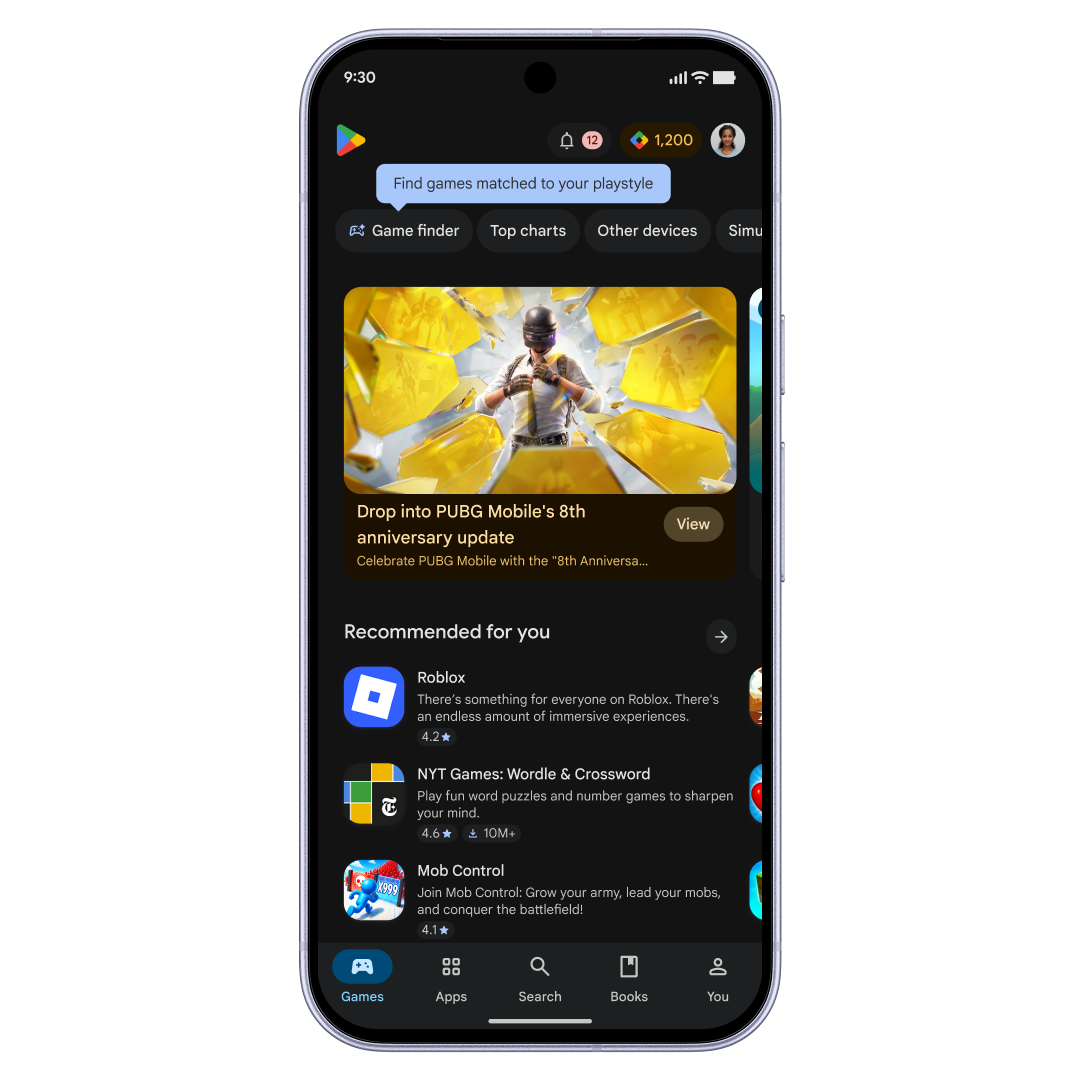
At the same time, Google is also exploring the use of artificial intelligence to improve the application discovery experience on Google Play itself. The company announced a personalized game recommendation function called Game Finder, hoping to use AI to help users find games that better suit their personal interests.
Game Finder will generate recommendations based on the types of games users like and the information Google has accumulated from the gaming community. Google said that its related gaming communities cover approximately 1.2 billion players, and this data is expected to help the system better understand the interests and gaming preferences of different players.
This feature will initially be available in English in the United States. It reflects that Google is promoting changes in two directions at the same time: on the one hand, making it easier for users to create their own applications; on the other hand, using artificial intelligence to improve the way users discover and select existing applications.
The core model of traditional app stores is for developers to create software, which is then searched, downloaded and used by users. With the development of AI-assisted programming, this model may gradually change. More and more software no longer needs to serve a large user base, but can be built around the specific needs of one person or a small group.
If individuals can create applications at low cost, then tools that no one developed in the past because the user base was too small and the commercial value was insufficient, may also have the opportunity to be realized. This change is especially attractive for some professional needs, household management tasks or small social activities.
But on the other hand, the increase in the number of personal applications may also cause maintenance problems. Traditional commercial software usually has a development team that continuously fixes bugs, adapts to system updates, and handles user feedback, while personal AI applications may only be used by the creators themselves. Once the Android system is upgraded, application dependencies change, or there are hard-to-find problems in the generated code, users may need to use AI again to fix them.
The features announced by Google this time mainly address the convenience of creating and using personal applications. It does not mean that these applications will automatically receive long-term maintenance, technical support or complete quality assurance.
Overall, Google is trying to redefine the role of Google Play in the Android ecosystem. It not only hopes to continue to serve as an app store for the public to find and download software, but also hopes to become a platform for individuals to use AI to create, run and gradually share applications.
In the past, whether a niche need could be met often depended on whether developers were willing to invest time in producing corresponding software. Today, as AI programming tools continue to mature, users have the opportunity to generate applications that meet specific needs. The personal application function launched by Google this time attempts to make it easier for these software created with AI assistance to enter the real Android usage environment.
If relevant functions can be further opened up in the future, and security, stability, and sharing mechanisms are gradually improved, then a new development model may emerge in the Android application ecosystem: large-scale commercial applications will continue to serve a wide range of users, while more and more smaller-scale personal applications with clear purposes will be created by ordinary users according to their own needs.
Comments