
Abstract:
The European Parliament's chief negotiator for telecoms reform said the EU must protect its local telecoms industry from threats from foreign competitors. The bloc must ensure that ongoing reforms to telecoms rules do not make it easier for Elon Musk's SpaceX to control Europe's mobile and broadband telecoms markets, a senior EU lawmaker said.
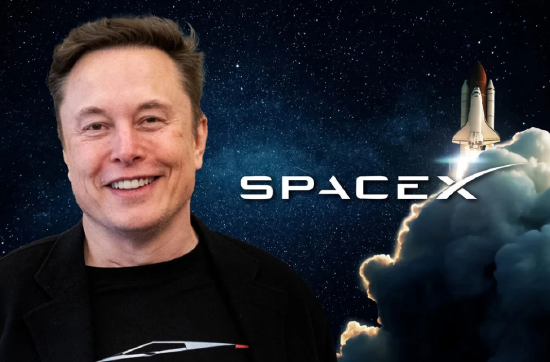
Michał Kobosko, chief negotiator of the European Parliament’s Digital Networks Act, said in an interview that Europe is updating telecommunications regulatory rules across the EU through this bill, but “we cannot wait until one day to wake up and find that SpaceX is trying to fully control the European market, and we have done nothing about it.”
“That would be too much and too dangerous for us in Europe,” he said, adding that his draft report contained strict “pan-European (mobile communications) spectrum license sovereignty and resilience standards.”
Cobosco’s warning comes as Musk seeks to expand SpaceX’s Starlink satellite business into consumer mobile communications services.
Earlier this month, SpaceX acquired relevant spectrum licenses in the United States, which may enable it to launch more direct-to-consumer mobile communication services. The move would make SpaceX's addressable market far larger than its existing satellite broadband business and put it into direct competition with U.S. telecom giants.
This move has triggered concerns among European telecom operators. They worry that SpaceX is planning similar actions in the European Union just as the bloc is reviewing telecoms rules to promote investment in Europe's digital infrastructure.
SpaceX currently provides broadband services in Europe and indirectly provides mobile communication services through other operators. However, the company has not publicly stated whether it plans to expand its business further and did not respond to a request for comment.
The Polish lawmaker said: "We cannot rule out the possibility that Elon Musk is also paying close attention to European market opportunities."
Kobosko’s comments come as geopolitical disputes over satellite communications services escalate and European governments seek to reduce their reliance on U.S. technology and infrastructure.
Last week, restrictions on Musk’s Starlink system disrupted frontline communications in Ukraine. The restrictions have hampered several military operations in Ukraine amid escalating Russian attacks.
U.S. Treasury Secretary Scott Bessent said in an interview with NBC on Sunday that it was "reckless" for Ukrainian President Volodymyr Zelenskyy to accuse the Trump administration of deliberately slowing down Starlink services.
In response to geopolitical concerns, the European Commission proposed in May this year that it plans to reserve part of the spectrum resources that allow smartphones to directly connect to satellites for European companies, thereby limiting the use rights of operators such as Starlink.
This proposal has become a focus of controversy in transatlantic relations between Europe and the United States. The U.S. ambassador to the EU warned that the United States may take retaliatory measures if the EU implements the proposal.
Kobosko said: "What happened in Ukraine last week showed us that there is a direct link between what Americans are doing in the political and economic spheres."
He said: "It also made many Europeans realize how dependent we are on the Americans today. And now, you really don't know what to expect from them."
He mentioned here the "close relationship" between Trump and Russian President Vladimir Putin.
The European Commission proposed the Digital Networks Act earlier this year. After the European Parliament and EU member states reach an agreement on their respective positions, the two sides will start negotiations to finalize the final version of the bill.
Cobosco criticized the European Commission's initial proposed bill as lacking ambition and failing to adequately promote a higher degree of technological sovereignty, establish a single market in the telecoms industry through more unified regulatory rules, and ensure a "fair relationship" between European telecom operators and technology companies. Most of these technology companies are from the United States.
European telecoms operators have long lobbied the European Commission to require Netflix, Google's YouTube and other data-hungry technology platforms to pay fees to compensate for the network burden caused by the Internet traffic they generate.
But in the original bill proposal, the European Commission did not introduce mandatory network fees, but chose to establish a voluntary cooperation mechanism between telecom operators and large technology companies.
Cobosco hopes to take further steps.
According to the draft report, the largest generators of Internet traffic will be obliged to negotiate with telecom operators to reach an agreement on how their networks will interconnect and exchange data.
If the two parties fail to reach an agreement, regulatory agencies in various countries will have the right to intervene.
Cobosco said: "This is an extremely sensitive topic in our transatlantic discussions." But he also emphasized that the requirement to "really ensure interoperability in the market" is crucial and is also an important factor in strengthening European resilience.
EU member states are still negotiating a common position on the Digital Networks Act.
Ireland, which holds the rotating EU presidency and is responsible for chairing relevant negotiations, has drafted a compromise text. However, according to the documents, the package has not yet addressed the most sensitive controversial issues.
Comments