
Abstract:
On September 17, the first Tesla Cybercab national tour was officially launched in Beijing Huamao.
The theme is "Tomorrow's World is Before Your Eyes"
. The first thing I felt when I came to the scene to see it was: What does "everything and nothing" mean? It's very simple. This car has all the functions of a normal vehicle, but it doesn't have any buttons, no pedals, etc. Everything is controlled by the main control screen.

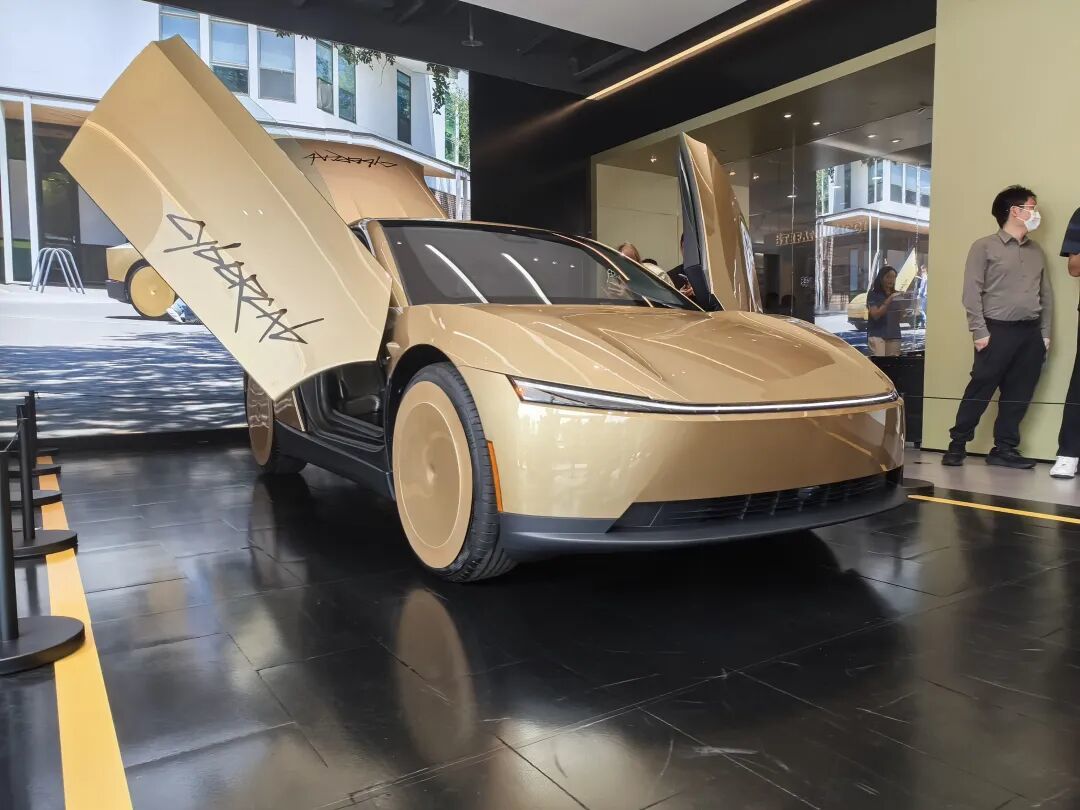
Cybercab is called the Tesla Cyber driverless electric vehicle in Chinese. It has no steering wheel, no pedals, and no rearview mirrors. It relies on pure vision and end-to-end neural networks to achieve driverless driving. This is not a conversion of a certain fuel or electric vehicle into a driverless one. It is a driverless taxi designed completely from scratch, with all non-essential interiors removed.
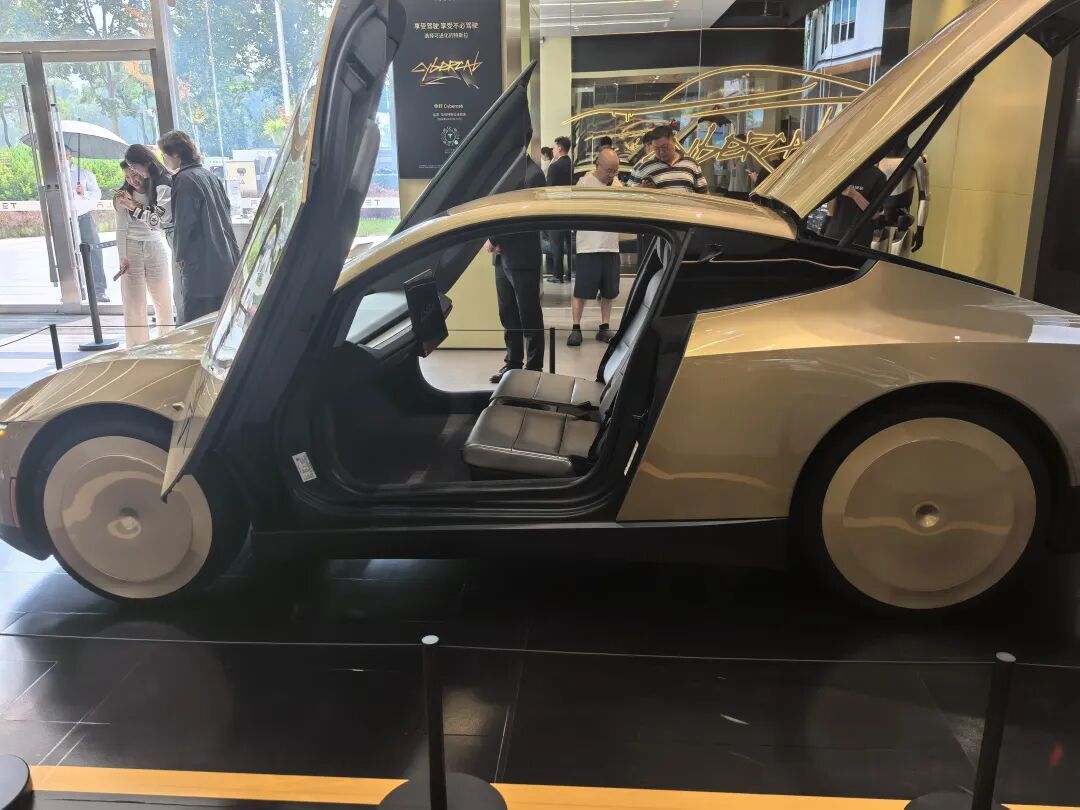
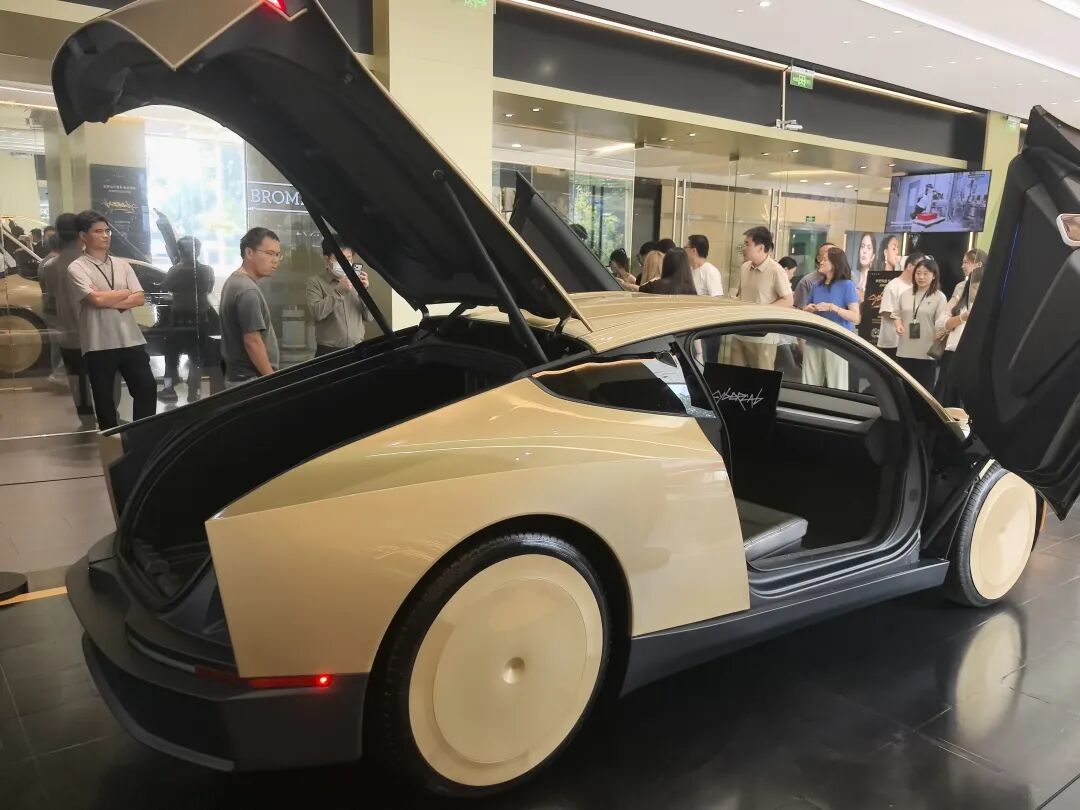
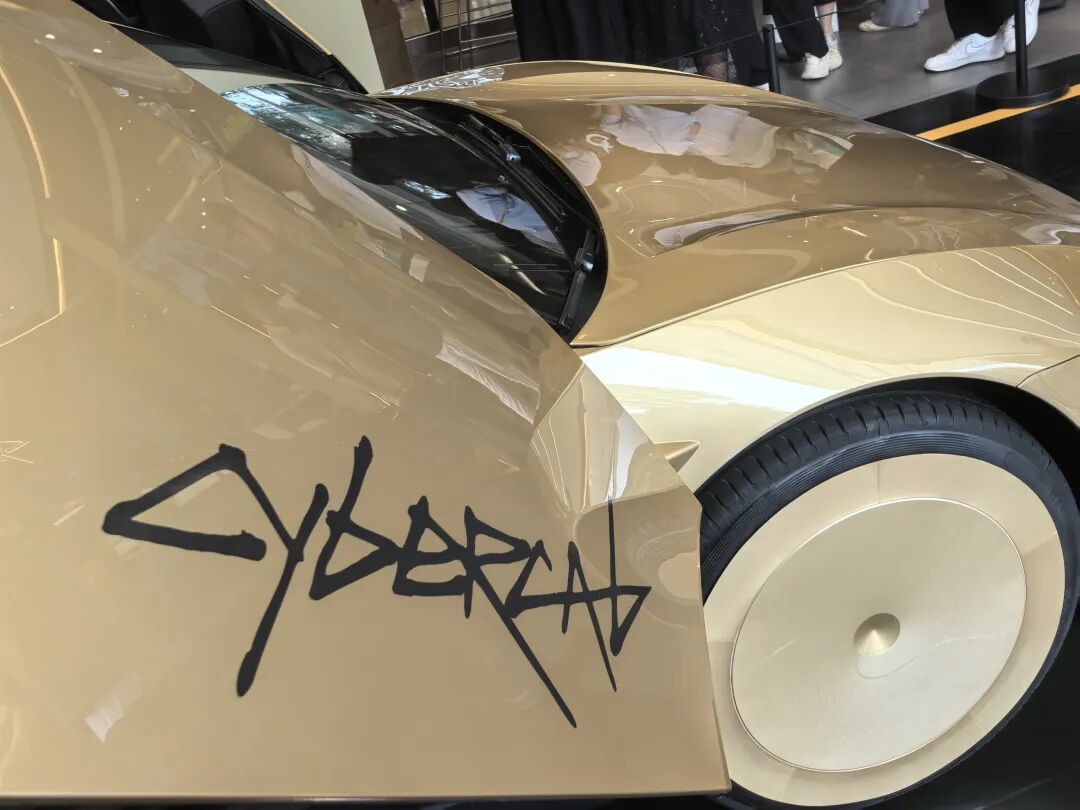
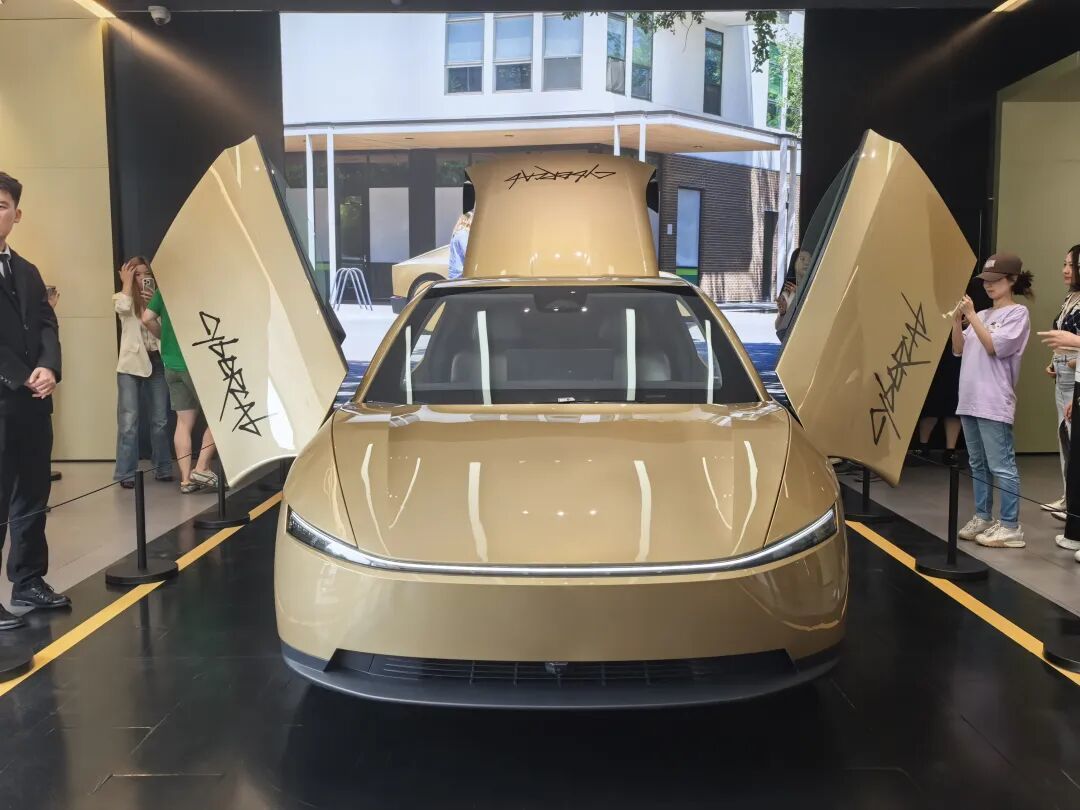
The first impression is that it is small. The car is 4.44 meters long and 1.6 meters wide, which is smaller than the Model 3. But once the gold paint is put there, you can't ignore it. Musk said that the gold color was used because human transportation has entered the "golden age". The gold color is really eye-catching when seen on site.
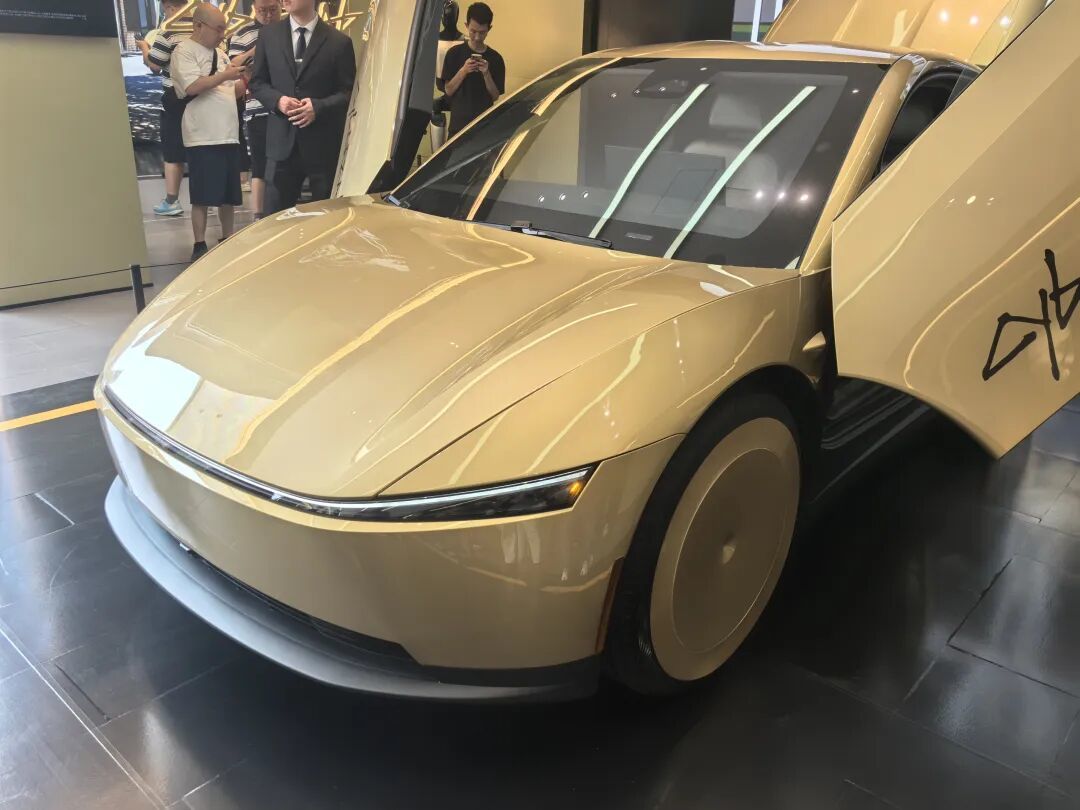
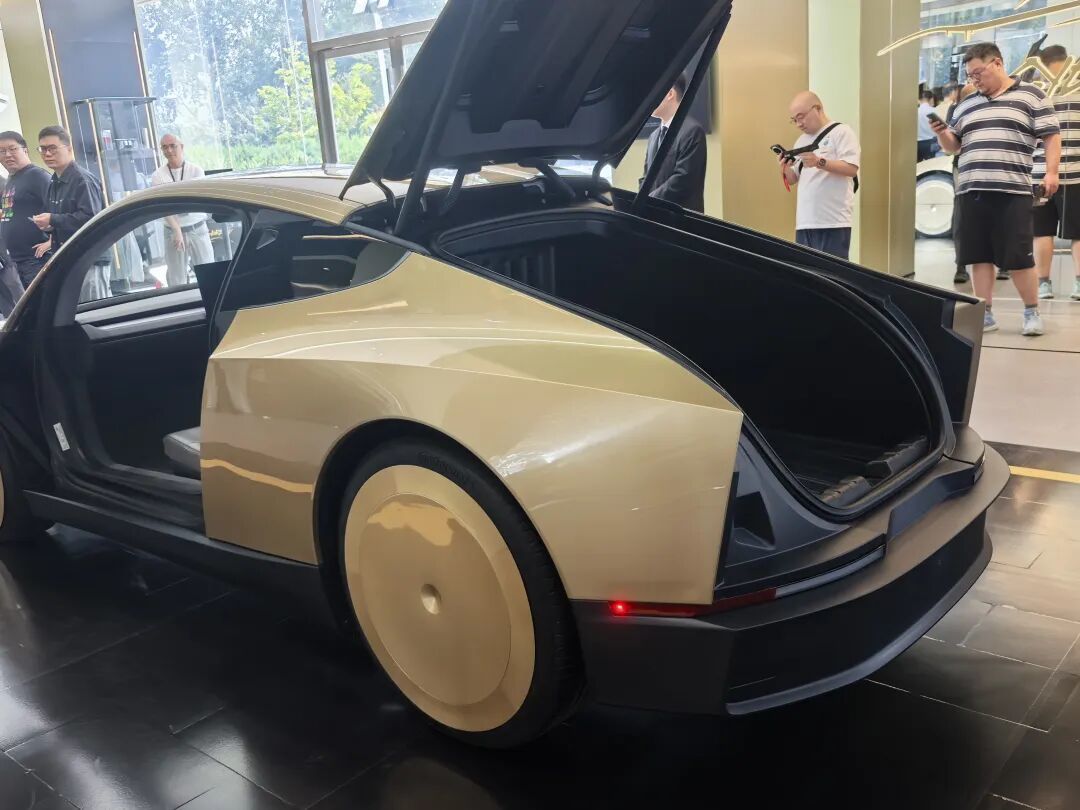
The front face is the curve of the refreshed version of Model Y, and the rear is the tough back of Cybertruck. Some people say it is a stitching monster, but the stitching is quite coordinated.
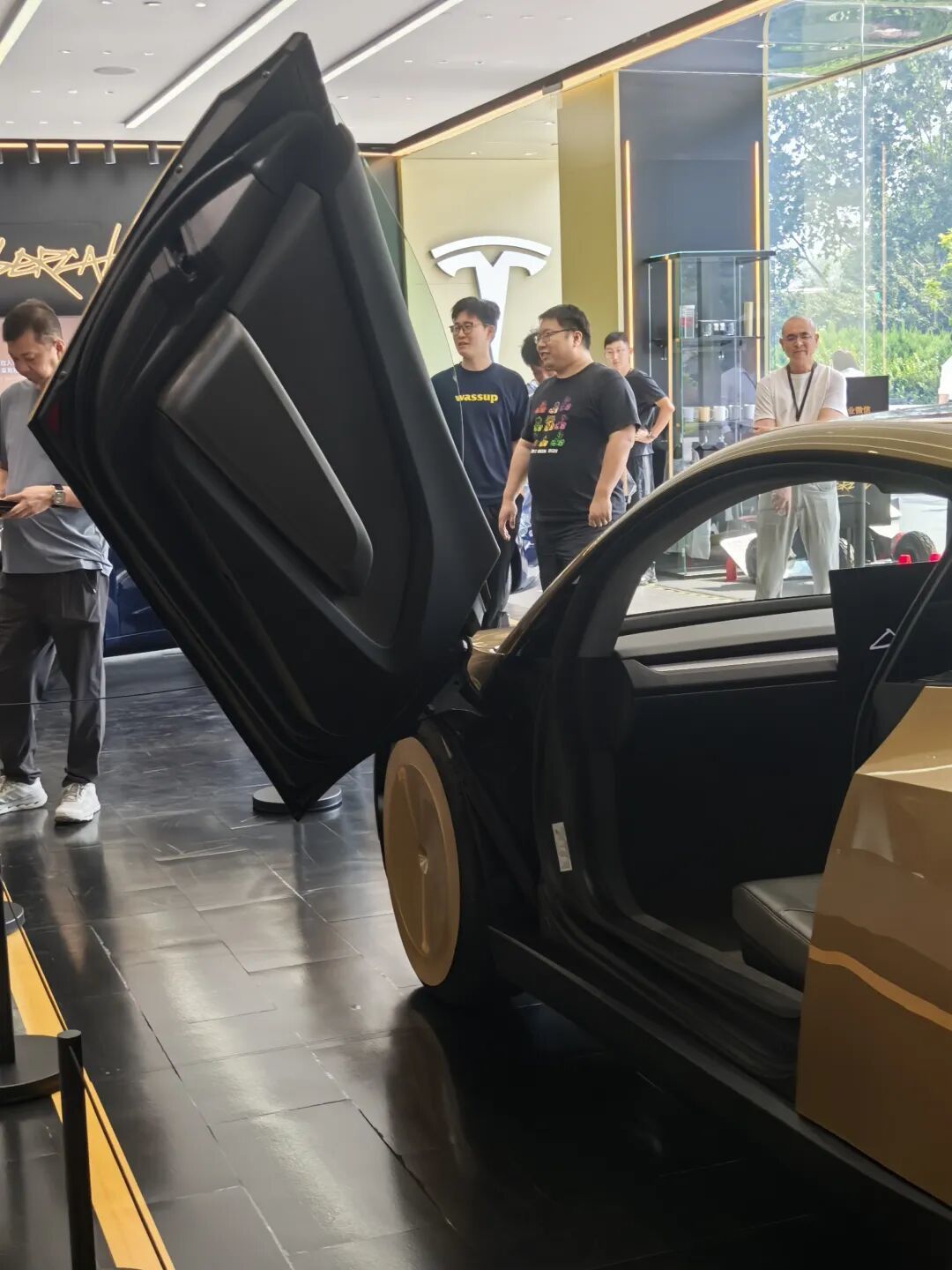
The butterfly door is one of the biggest design highlights of this car. Electric opening and closing, can be stopped at any time. Some people say that it has the same origin as the Model
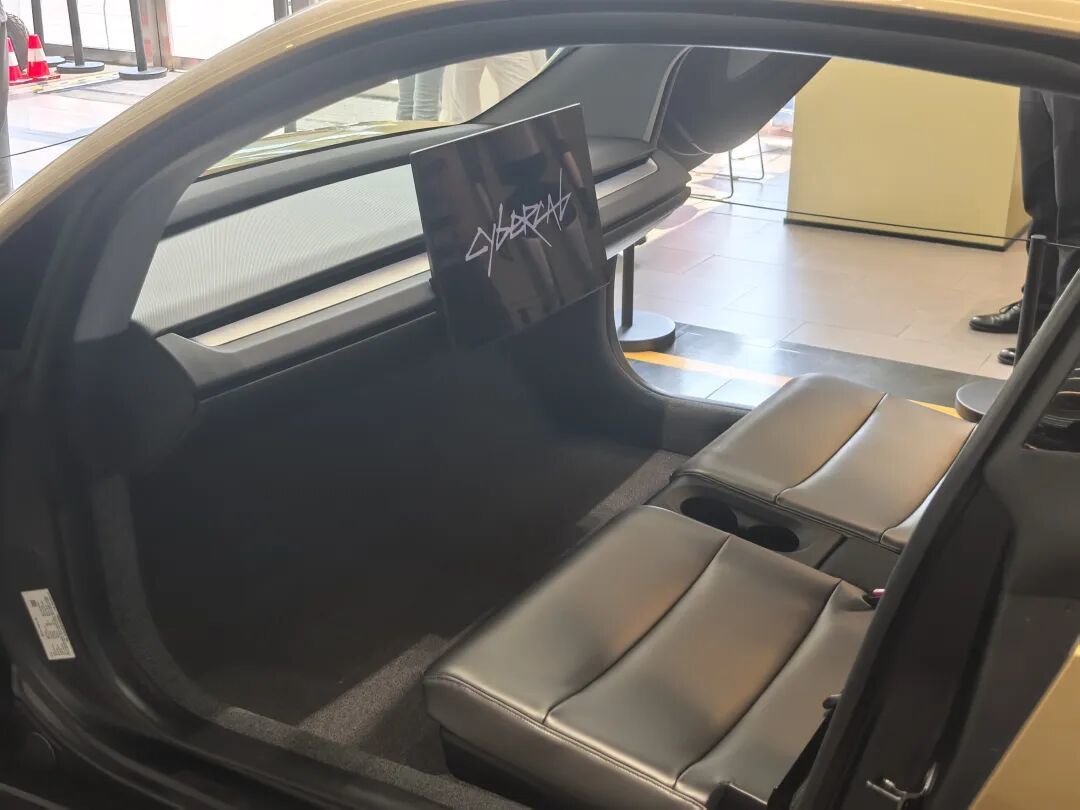
But the real impact is the moment you look inside.
Just two words, "clean".
No steering wheel, no accelerator, no brakes, flat floor, nothing. There is only a large screen in front and two large bench-style sofas opposite. You sit inside, not as a driver, but as a passenger, even like a gentleman.
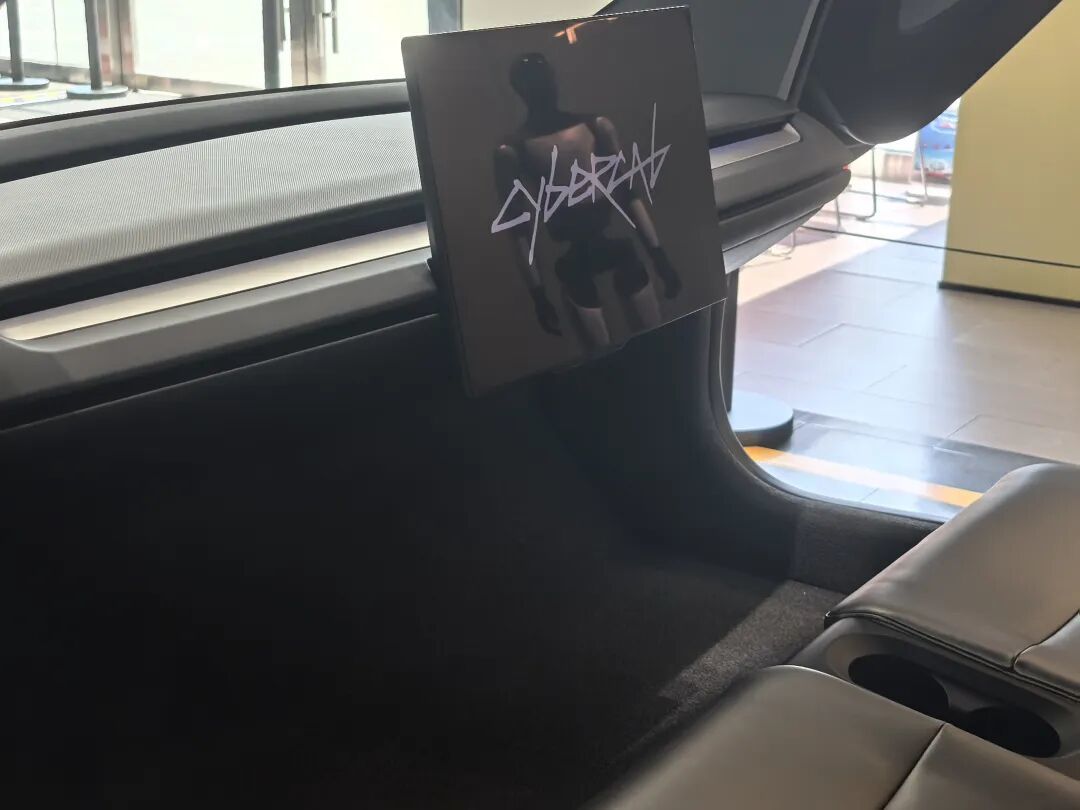
The editor believes that this is not a reduction in allocation, but a fundamental overthrow of more than a hundred years of automotive logic. All cars in the past, no matter how upgraded, were designed around the driver. But Cybercab has no driver role from the very beginning, and it doesn’t even give you the opportunity to take over the vehicle.
Musk’s logic is simple: truly autonomous driving should be built for autonomous travel. This is not a facelift, this is a revolution.
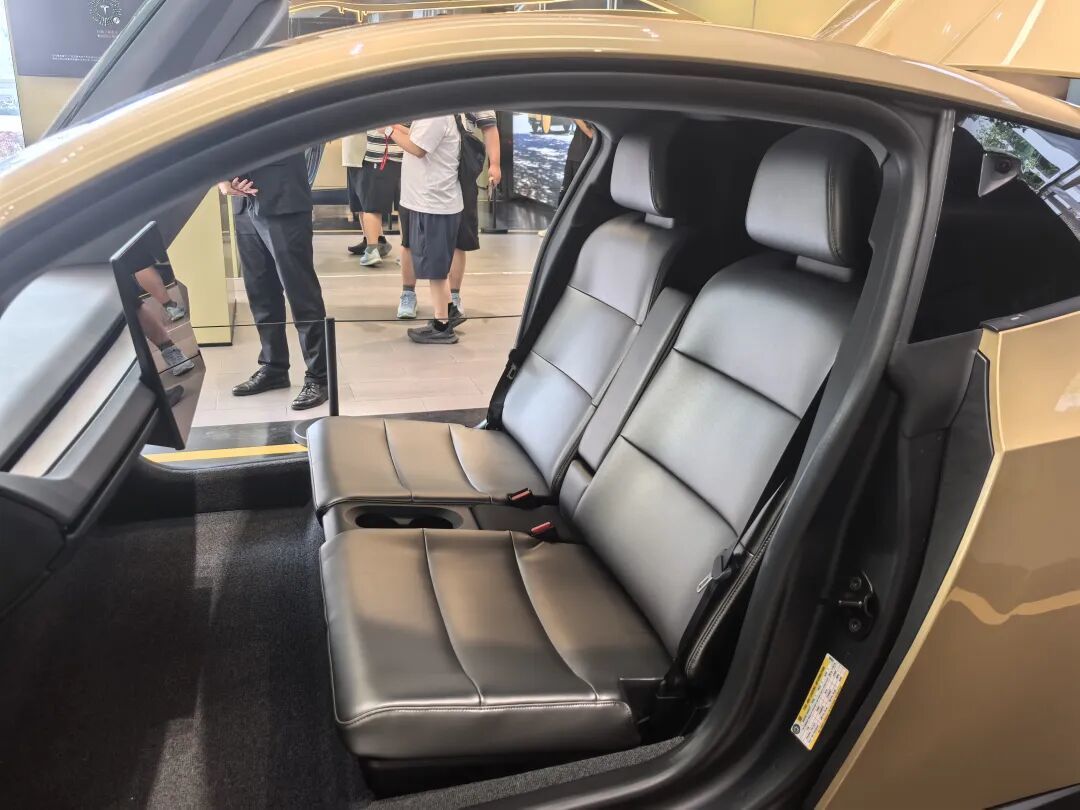
The design of the seat is very particular. The seat height is the same as that of a standard wheelchair. Passengers with inconvenient legs and feet can move directly from the wheelchair to the seat without lifting. The bench-like design also allows passengers to slide freely between the two seats, giving them the flexibility to choose which side to get off.
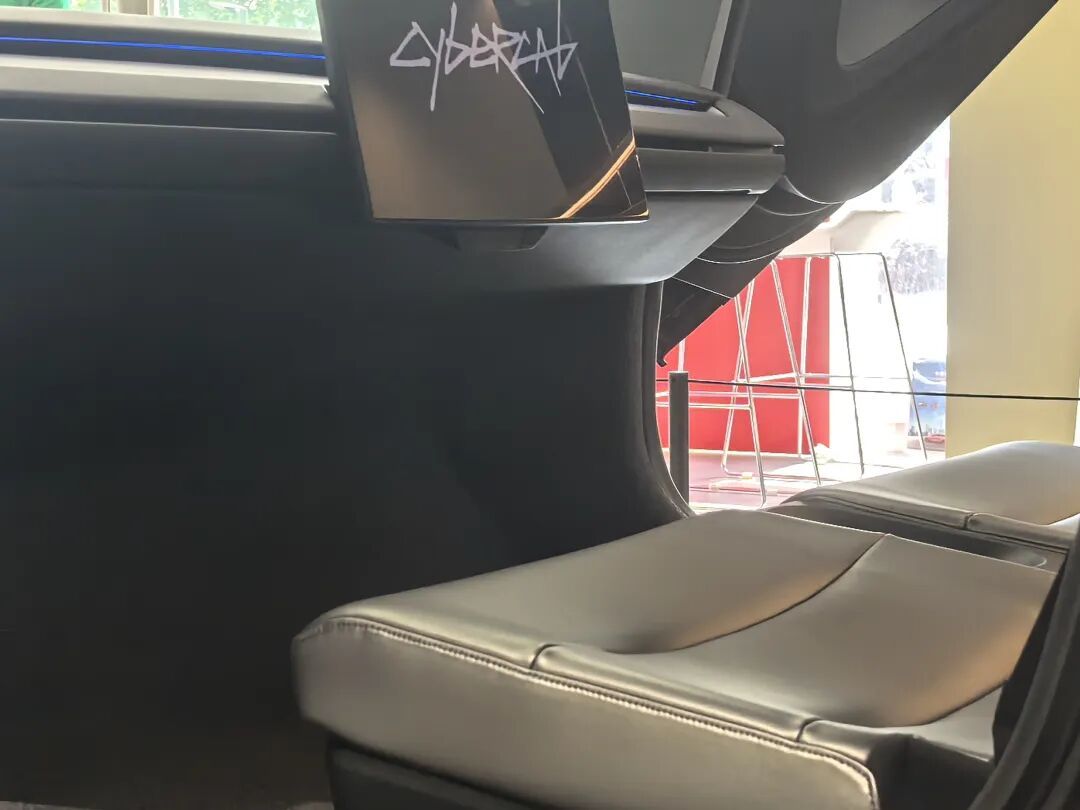
There are two Type-C interfaces below the central control screen.
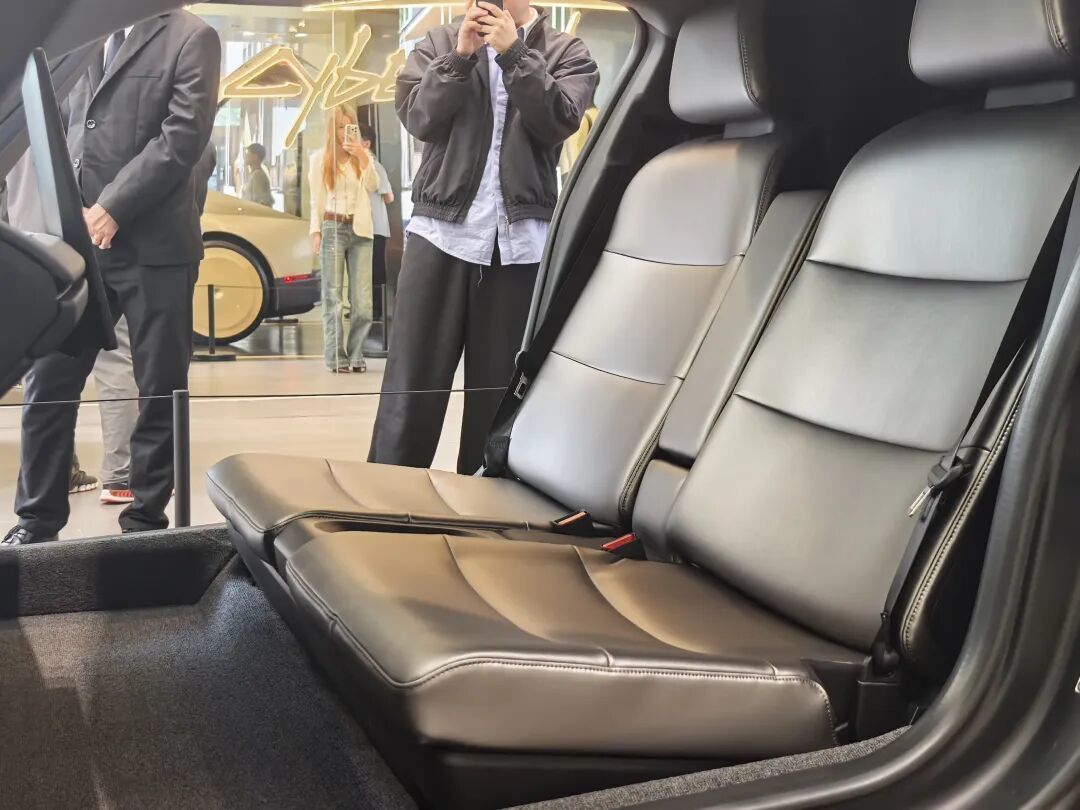
So why only two seats? According to Tesla's own statistics, more than 85% of taxi rides are between one and two people, and only 15% are between two or more people. Then there is no need to waste space to build four or five seats. Make the car smaller, lighter and have lower energy consumption.
Although the car is small, the trunk is not small. The hatchback tailgate opens, and the vertical space is very deep. There is no problem in putting two large suitcases, and a wheelchair and a small bicycle can also be stuffed in.
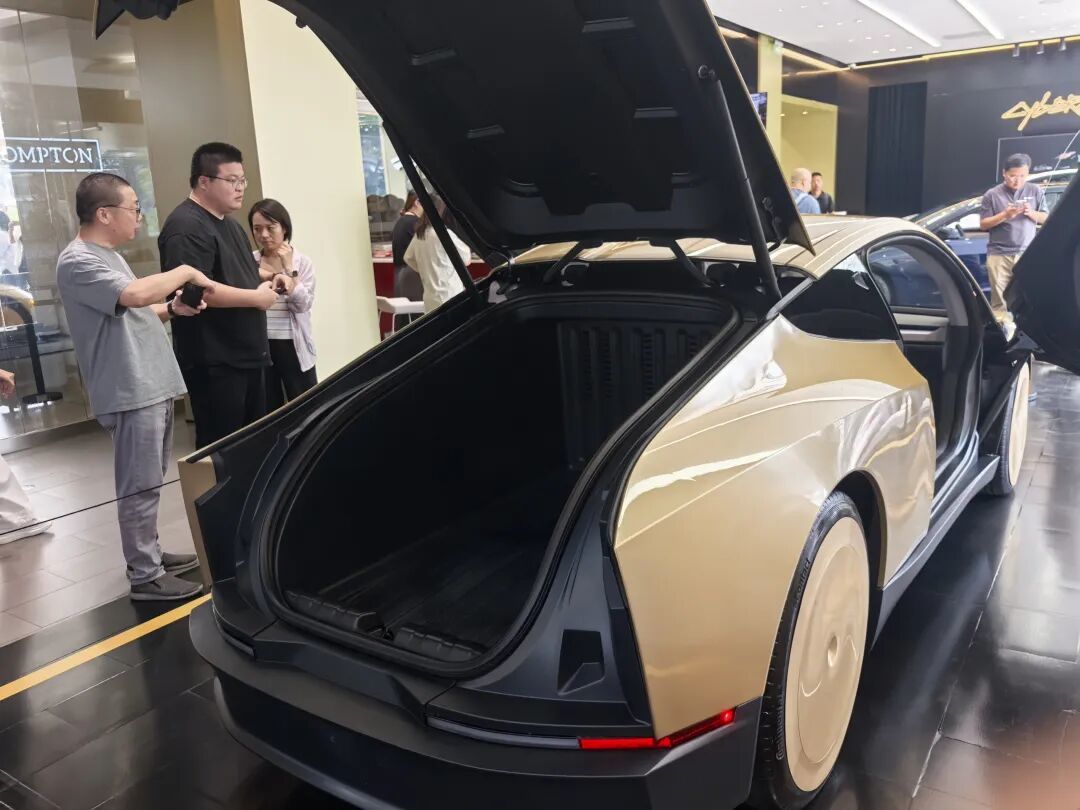
The scene even feels like two people can squat inside and close the trunk.
However, the trunk switch is in a special position, so you may have to touch it twice when looking for it the first time.
The entire car only weighs 1,412 kilograms and has a 47.6-kWh battery. It has a battery life of more than 500 kilometers, consumes 10.2 kWh per 100 kilometers, and can run 9.8 kilometers on one charge. After large-scale operation, the cost per kilometer is only 0.84 yuan. The cost per kilometer of online car-hailing services currently on the market is at least 1.5 to 2 yuan, which is a blow to dimensionality reduction.
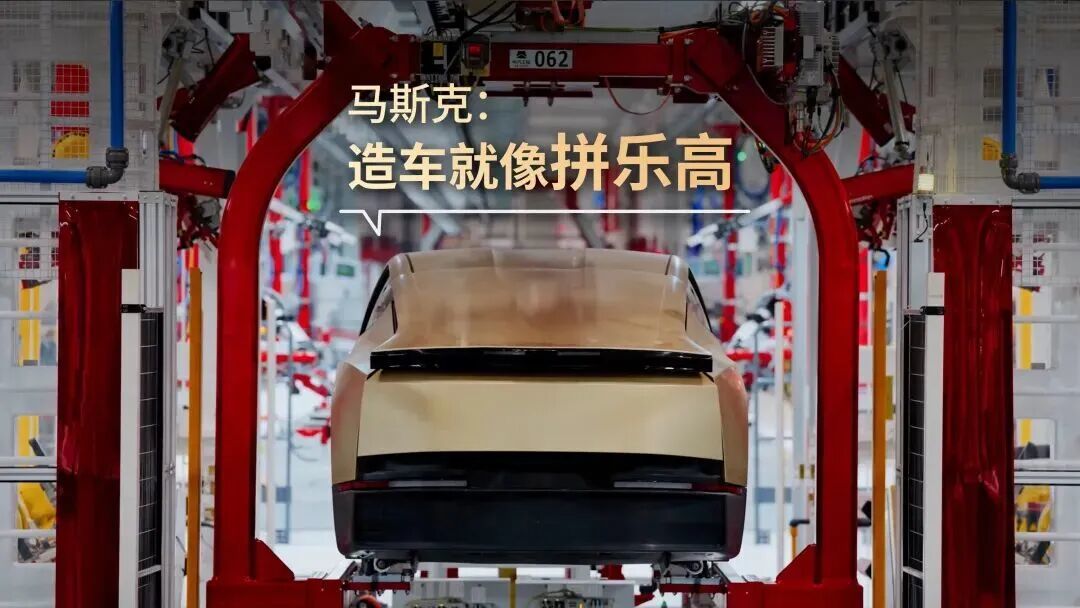
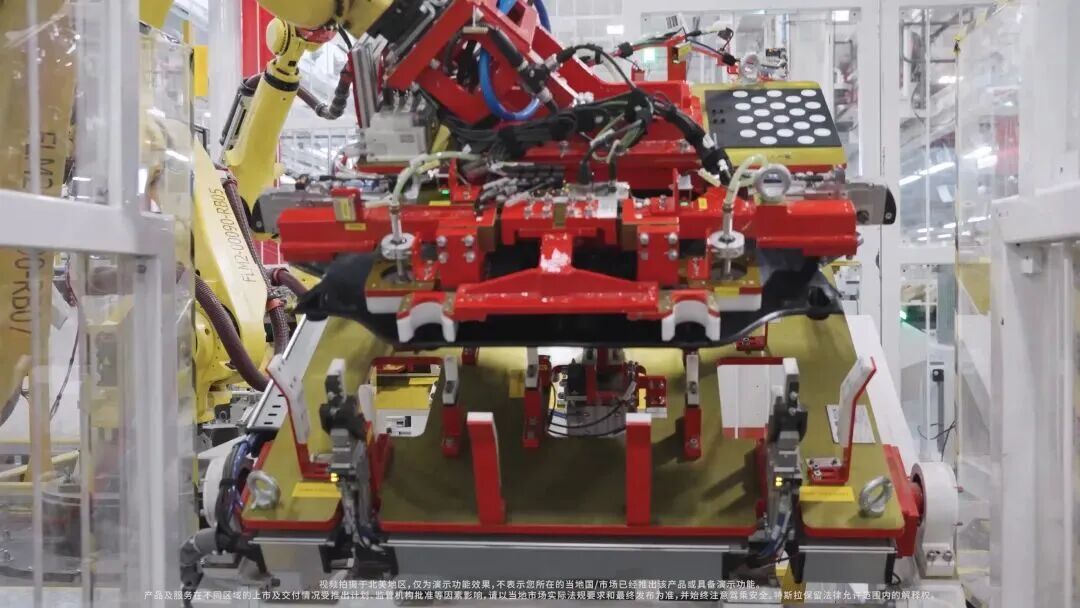
The manufacturing level is another upgrade. Tesla's previous one-piece die-casting that combined more than 70 parts into one base plate was shocking enough. Cybercab went a step further and used Unboxed manufacturing. The entire vehicle was disassembled into six modules for parallel production, and finally assembled like Lego. It currently takes 10 seconds for a car to roll off the assembly line, and Musk’s goal is 5 seconds.
What is the concept of 5 seconds? In the blink of an eye, a car is ready.
Two more technical details. First, the color of the outer panel and the panel are injection molded in one piece. The coating thickness is 5 to 10 times that of traditional paint. The base metal will not be exposed after scratching, and the subsequent maintenance cost is much lower. The second is to completely cancel the brake oil and traditional hydraulic braking, and use electrical signals to control each wheel motor to clamp the brake disc, which is brake-by-wire.
Autonomous driving uses HW4.0 hardware, a pure visual end-to-end algorithm, and is in the same vein as Model 3 and Model Y. Supporting this system is 22.5 billion kilometers of real road test data, which is equivalent to the total experience of 16,000 drivers in a lifetime.
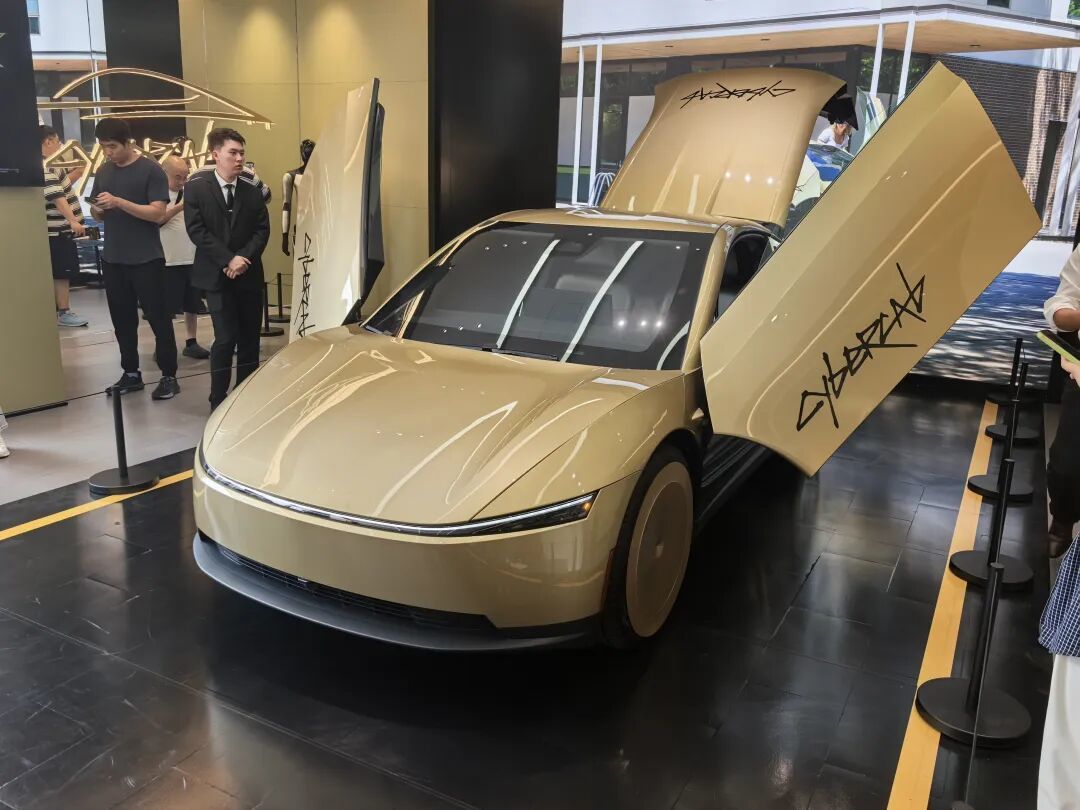
But the most cruel thing about Cybercab is not the car itself, but its operating logic.
Ordinary people’s private cars only drive an average of 10 hours out of 168 hours a week, and depreciate when parked more than 90% of the time. But Robotaxi is different. After fully autonomous driving, a car can run for 100 hours a week. The car is no longer a consumer product, but an asset that can continue to generate income.
No need to drive, the car makes money on its own. This is not a joke, this is what is happening.
At present, 45 Cybercab vehicles have been deployed in Austin, USA, to attract customers, with a target of 1,000 vehicles. The one in Beijing is a static display, but you can feel that this thing is not far away from actually hitting the road.
A century of automobiles, from horse-drawn carriages to fuel vehicles, and from fuel vehicles to electric vehicles, every time is a change in power. Cybercab directly removes the driver from the car, which is the underlying reconstruction of travel methods.
When I stood in front of this car, my biggest feeling was not "This car is really cool", but "I may not have to drive myself when I go out in the future."
In the future of travel, people will not drive, but cars will serve people.
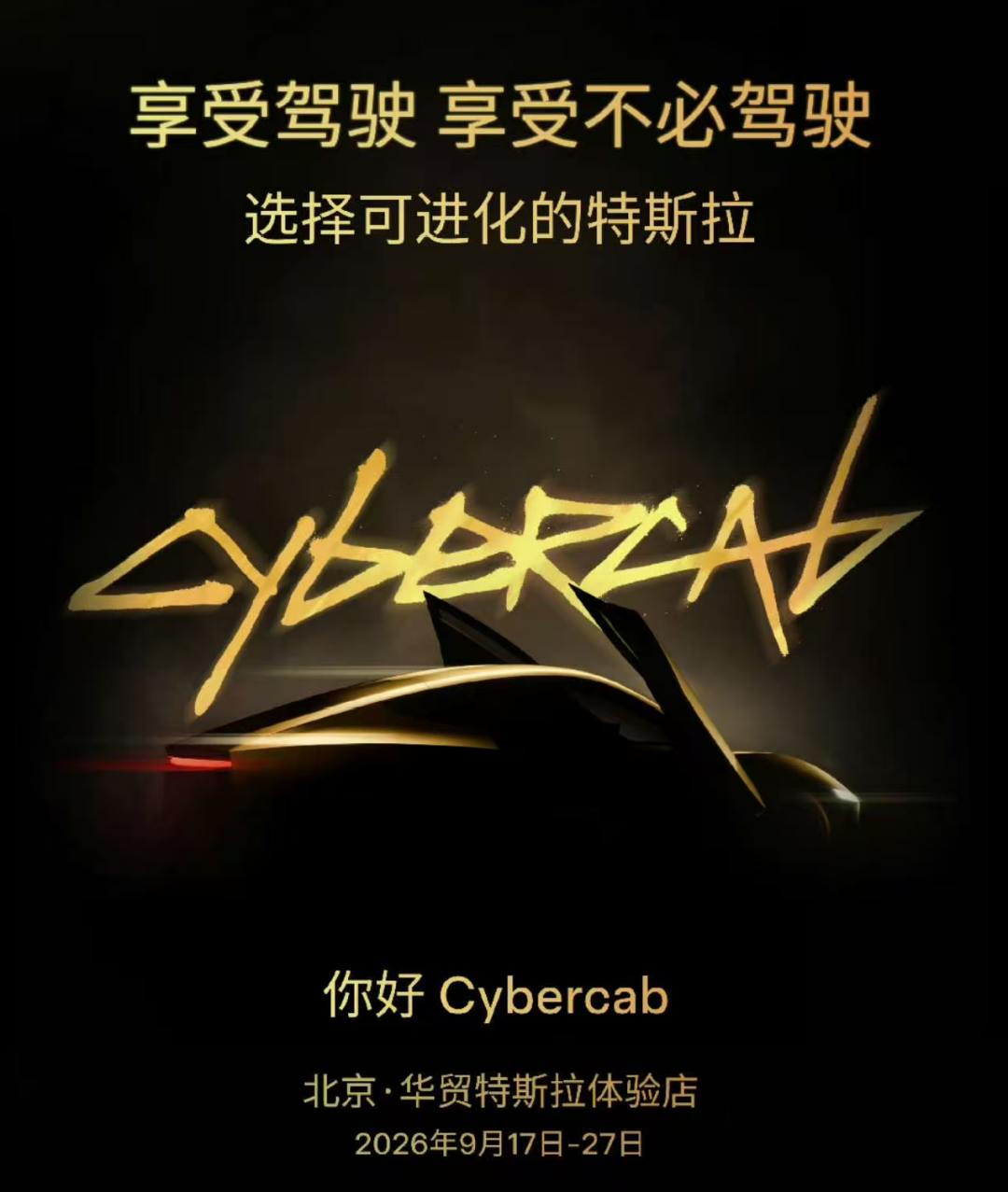
By the way, many people suggested peak shifting in the first few days. Friends in Shanghai, don’t worry, the follow-up tour will also go to HKRI Taikoo Hui.
Comments