
Abstract:
Tesla’s global delivery volume in the third quarter reached 486,532 vehicles, an increase of approximately 6,000 vehicles from the second quarter, but lower than the record 497,099 vehicles delivered in the same period last year. The company produced 464,391 vehicles during the same period and deployed 13.7 GWh of energy storage products. Among the vehicles delivered, a total of 478,237 were Model 3 and Model Y, and 8,295 were other models, indicating that sales were still highly concentrated in the two main models. Tesla will announce its third-quarter financial results on October 21.
This delivery performance remained strong for the second consecutive quarter, exceeding Wall Street consensus expectations and above the most optimistic previous forecasts. However, the U.S. market remains the main source of pressure. Cox Automotive estimates that Tesla’s U.S. sales in the third quarter were 123,880 vehicles, a 31% decrease from the same period last year; the cumulative sales in the first three quarters of this year were 365,980 vehicles, a decrease of 18.9% from the same period last year. The nearly 20% decline in U.S. sales mainly corresponds to the cumulative performance from the beginning of the year to the present, rather than the single-quarter decline in the third quarter. During the same period last year, consumers rushed to buy cars before the federal electric vehicle tax credit expired, which also raised the comparison base.
The pressure on sales is also related to insufficient model updates. With the exception of Cybertruck, Tesla has not launched a new mass consumer model for many years; Cybertruck’s commercial performance did not meet the company’s early expectations. There has also been resistance from potential buyers to CEO Elon Musk's involvement in U.S. politics, his support for Trump's campaign, and his role in running the Department of Government Effectiveness and pushing for widespread layoffs. At the same time, changes in electric vehicle subsidy policies and intensified market competition have further affected U.S. demand.
Tesla is relying on other markets to support global sales. The European market has rebounded after two years of decline. In September, Tesla new car registrations in France, Sweden and Spain increased by 61.9%, 38.4% and 24.8% respectively year-on-year. Norway and Denmark also recorded slight growth. In the first eight months of 2026, Tesla's registrations in the EU, UK and European Free Trade Association regions increased by 43.3%, faster than the overall 38.8% growth of the local pure electric vehicle market. Analysts believe that a low base in the same period last year, rising fuel prices, government incentives and increased consumer interest in electric vehicles have all contributed to the rebound; however, growth may slow in 2027 as competition from Chinese brands and new European models intensifies.
In the Chinese market, vehicles produced at Tesla's Shanghai factory still maintain strong sales momentum, with some sales coming from newer export markets such as Japan, Australia and Lithuania. The company is also reportedly increasing production capacity at its German factories to meet European demand. However, Tesla's product structure still mainly relies on Model 3 and Model Y. Consumers now have more competitively priced Chinese models and European brand electric vehicles to choose from.
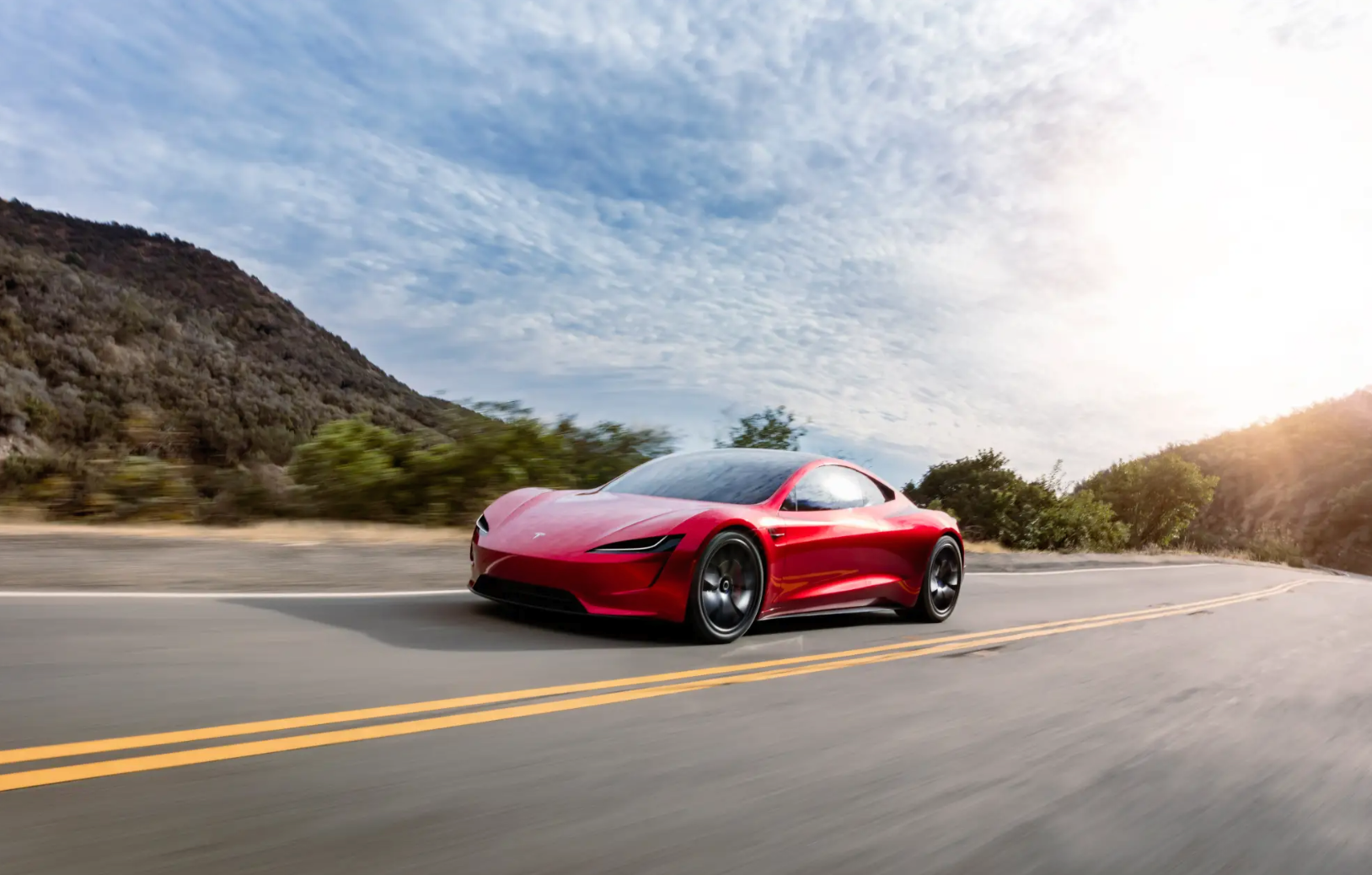
Although car sales remain Tesla's core business indicator, Musk has recently talked more about the company's other projects. Tesla has launched Cybercab in Austin, Texas, to provide self-driving passenger services without a driver, steering wheel or pedals; the mass-production version of its electric heavy-duty truck Semi has also been launched, and the company aims to produce about 50,000 vehicles per year. The second-generation Roadster is scheduled to debut again on October 15, but the actual production time is still unclear; the schedule of the Optimus humanoid robot project has been postponed many times. Tesla also previously announced a new credit line of up to $30 billion to support these projects.
Comments