
Abstract:
On September 5, according to Reuters, Tesla accelerated the deployment of Cybercab self-driving taxis, which will test regulatory restrictions. Currently, Tesla has begun offering paid rides through the Cybercab, a sporty two-seat vehicle without a steering wheel, pedals or rearview mirrors.
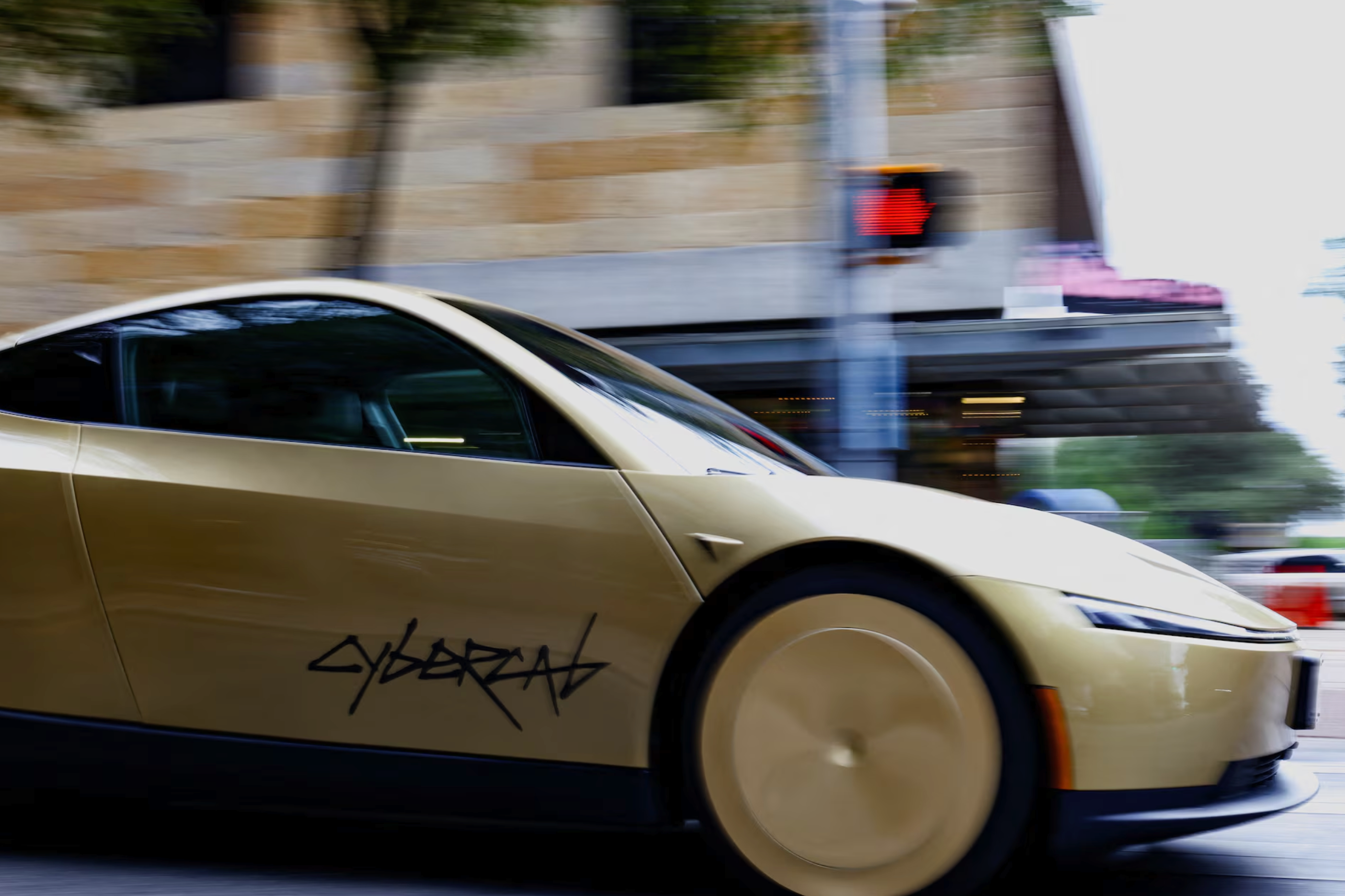
Cybercab
However, just hours after Tesla’s launch event in downtown Austin, Texas, the U.S. National Highway Traffic Safety Administration (NHTSA) said it had launched a review of approximately 1,000 Cybercab vehicles to evaluate how Tesla determined that these vehicles complied with federal vehicle safety regulations.
U.S. regulators restrict commercial deployment of vehicles that do not meet federal safety standards. These safety standards are decades old and were originally developed for vehicles driven by humans and require vehicles to be equipped with manual controls. But industry experts say regulatory gray areas and Elon Musk’s litigious streak could give Tesla an opportunity to push Cybercab into widespread use.
In downtown Austin, Texas, amidst the frenzy of fans and social media influencers, Cybercab was added to Tesla's self-driving taxi fleet, which currently operates its best-selling Model Y SUV. Tesla said Cybercab is open to everyone as a ride-hailing service, and executives also outlined pricing plans.
The gold-colored Cybercab with butterfly doors reflects Musk's strategy of betting the company on self-driving software and robotics. The bet has pushed its stock valuation to $1.4 trillion, more than the world's top automakers combined.
Difficulty complying with regulations
In most countries around the world, new models and new technologies often require regulatory approval before they can be launched on the market. But in the United States, automakers can let their vehicles drive directly on public roads by certifying that their vehicles meet federal safety standards.
“I don’t think there is a reasonable explanation for thinking that Cybercab complies with the Federal Motor Vehicle Safety Standards.” Michael Brooks, executive director of the Center for Auto Safety, a consumer rights organization, said.
Experts say that although NHTSA is pushing to revise vehicle safety standards at a faster pace than usual and is also formulating new regulations separately to adapt to self-driving cars, these measures are likely to take longer to take effect and cannot keep up with the timetable promised by Musk.
Musk can’t wait
However, Musk has never liked waiting for regulatory approval. "Tesla has historically been testing the bottom line and boundaries of regulation," said Philip Koopman, an engineering professor at Carnegie Mellon University and an expert on autonomous driving safety. "I fully believe Tesla will continue to test these bottom lines."
Koopman said that Musk may make a "creative interpretation" of vehicle regulations, declare that Cybercab meets federal standards, and then let a large number of Cybercab "flood into the market." "This may take NHTSA or state regulators years to resolve. In the meantime, Tesla may already be operating on public roads," he said.
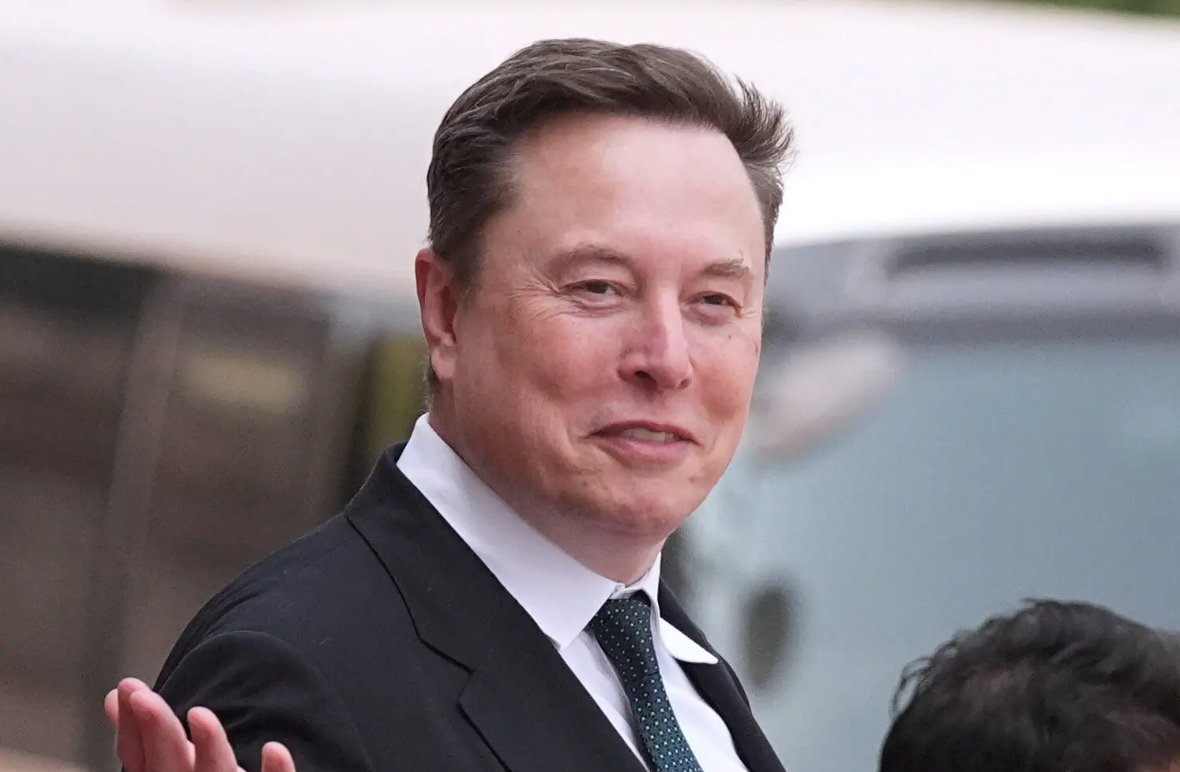
Musk
Tesla started producing Cybercab in April this year. Musk promised that production would increase "exponentially" later this year or next year. When Cybercab was first announced in 2024, Musk said the company would also sell the car for less than $30,000.
Tesla has since launched a limited paid self-driving taxi service in Texas and Florida, using its best-selling Model Y SUV. Model Y self-driving taxis can drive themselves, but they are equipped with manual controls required by federal safety standards, and some vehicles also have backup human drivers.
Experts have questioned the reliability of Tesla’s self-driving technology. Tesla says its Full Self-Driving (FSD) software, a version of which Cybercab runs, is 10 times safer than a human driver, and its Austin service operations have so far been without fatal accidents. But Reuters interviews with multiple former Tesla employees who were involved in training the company's self-driving software showed that the software still has difficulties with basic driving operations.
“There is currently no public information that the company is close to being able to safely and reliably deploy autonomous driving systems under a wide range of real-world driving conditions. This capability is essential for a vehicle without traditional control devices.” said Bryant Walker Smith, a professor at the University of South Carolina School of Law who focuses on autonomous driving regulation.
Self-certification
For vehicles that do not meet safety standards, NHTSA provides an exemption program where automakers can apply for exemptions. But here’s the catch: Vehicles approved for deployment through this program can only be deployed at a maximum of 2,500 vehicles per year.
Tesla engineering director Lars Moravy said on social media platform NHTSA has said in the past that Tesla did not apply for the exemption.
This has sparked speculation that Tesla may have chosen to certify its vehicles themselves as meeting safety standards, as Koopman said.
However, previous precedents indicate that this path is not optimistic: Zoox, a subsidiary of Amazon, is launching a vehicle that looks like an oven on wheels, with two rows of benches facing each other and no driving controls. Zoox tried the self-certification path but failed.
Court settlement
After Zoox self-certified its vehicles, NHTSA launched an investigation that ultimately ended with Zoox withdrawing its certification statement. However, about a year later, Zoox received a federal exemption in July, allowing for limited commercial deployment.
Three former senior NHTSA officials told Reuters ahead of Thursday's launch event that NHTSA could end up going to court if it conflicts with Tesla over its self-certification. One of them said: "This does happen from time to time, and the important thing is that NHTSA does not always win these types of lawsuits."
Comments