
Abstract:
There was no press conference or live broadcast. Tesla quietly announced in the early hours of this morning that its new car Cybercab was on the road in Austin. Looking at this two-door sports car that only costs a few hundred thousand, you may be thinking about buying one. But everyone, look, this Cybercab is not only pitifully small in size and space, it doesn’t even have a steering wheel, and it won’t even be sold individually in the short term.
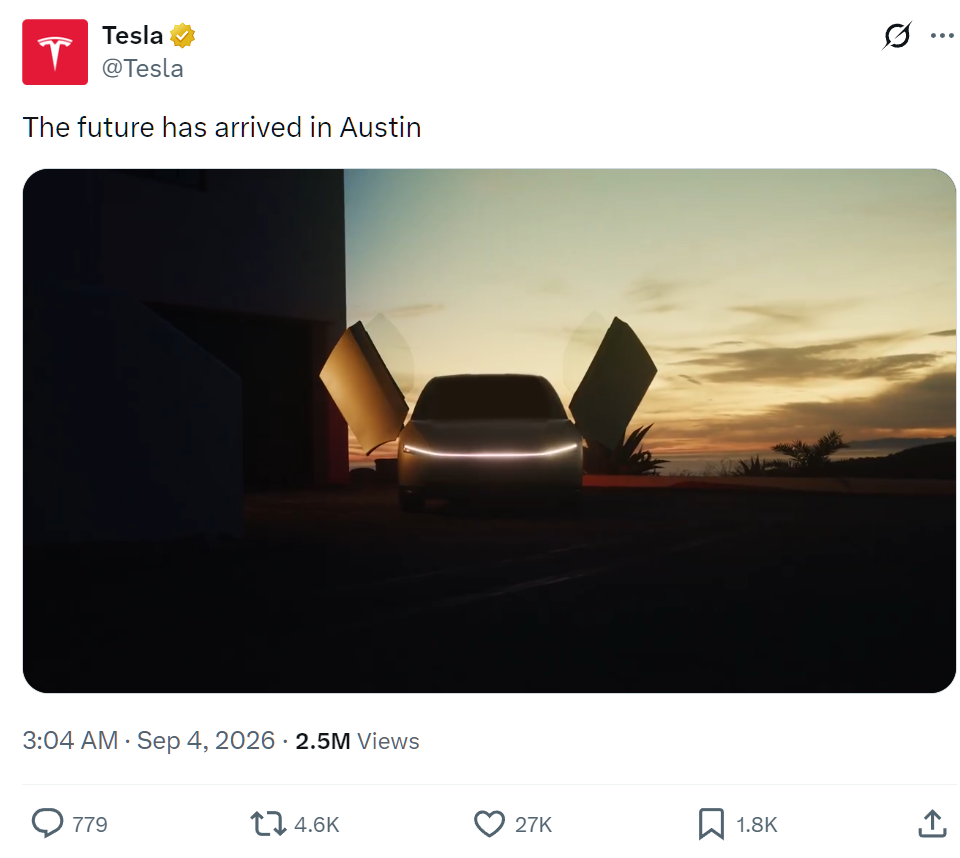
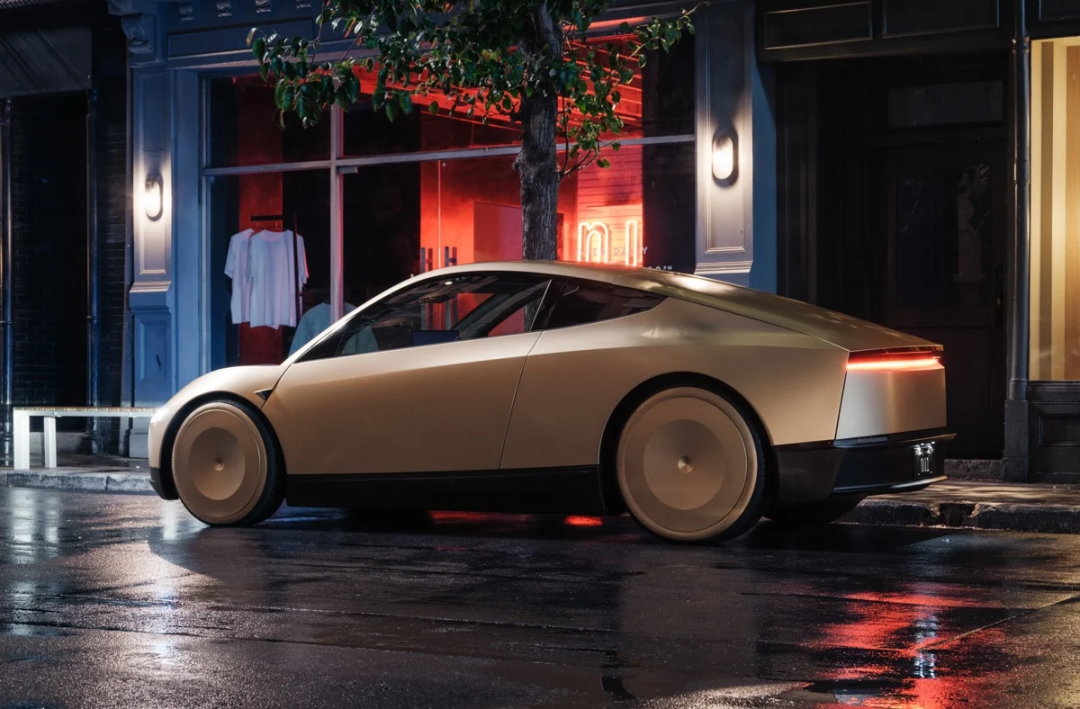
Yes, unlike the Edamame 3 Edamame Y available on the market, this Cybercab is actually a commercial model specially built by Tesla for its autonomous taxi business.
In Tesla's plan, it can not only rely on FSD's fully autonomous driving and 24/7 customer solicitation, but also be able to clean and charge it by itself when it is not idle, without manual maintenance in the whole process. It is a purely automatic money printing machine.
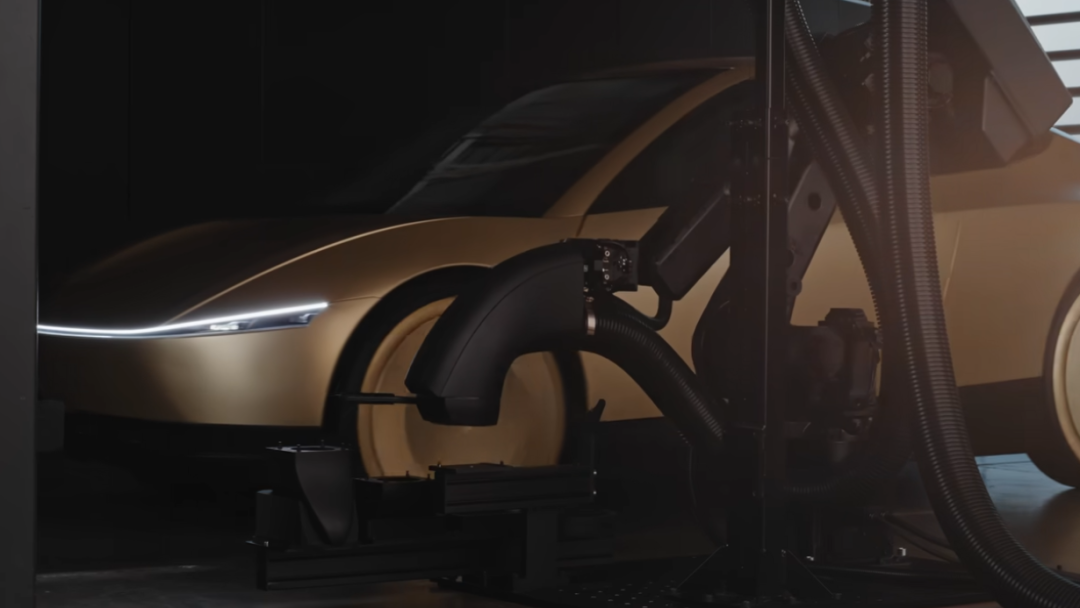
But unlike the existing autonomous taxis on the market, such as Waymo and the domestic carrot taxis, Cybercab does not have the kind of models with many sensors and arrogant claws, and can save a lot of money.
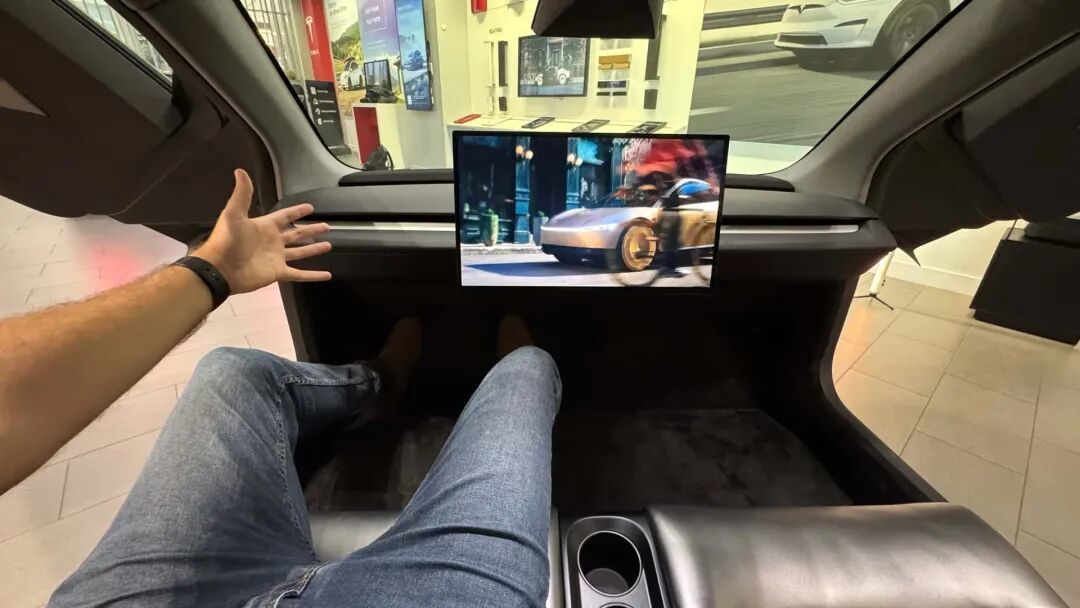
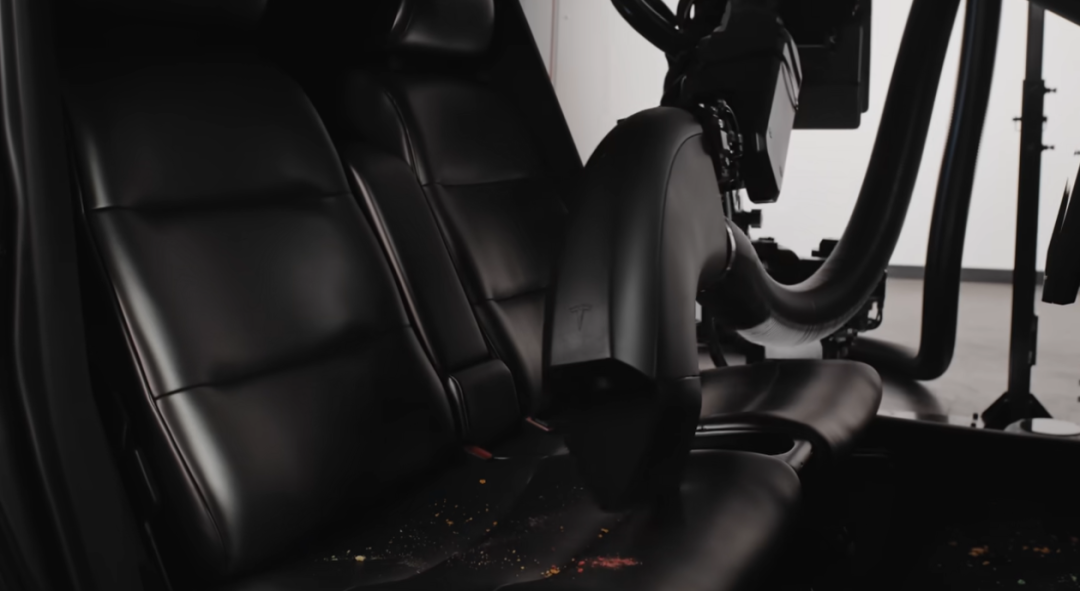
Lidar is definitely impossible, and autonomous driving still relies solely on pure vision. There are no other parts in the car except a central control screen and two seats.
There is no steering wheel, no acceleration and deceleration pedals, and not even rearview mirrors. When I opened the trunk, there was nothing there.
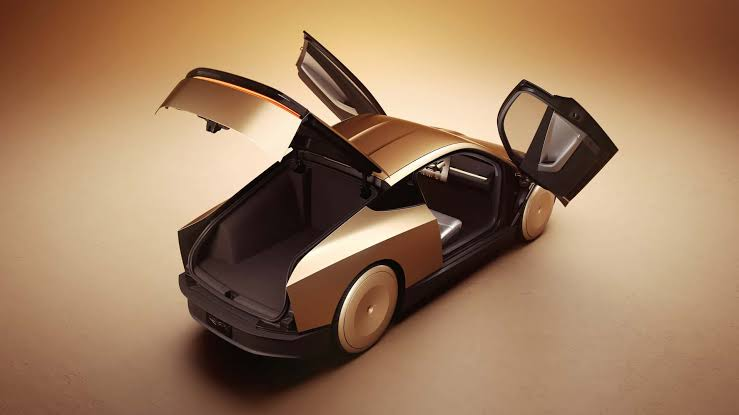
The specifications of the motor and battery are just adequate. The 48-degree battery and the front-wheel drive single motor with only 163kW can only support it to barely run more than 400 kilometers.
The most technological parts of the car, apart from the two huge butterfly doors, are probably the starlink antenna on the roof and the color-changing light strip on the front of the car.
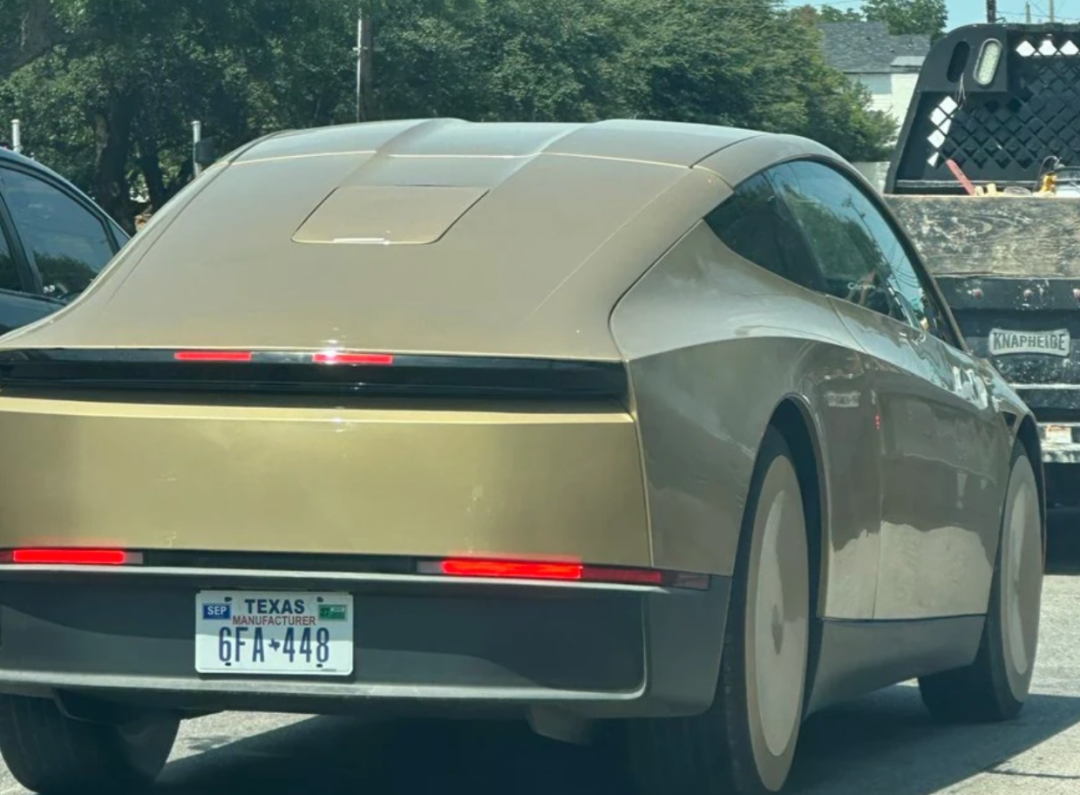
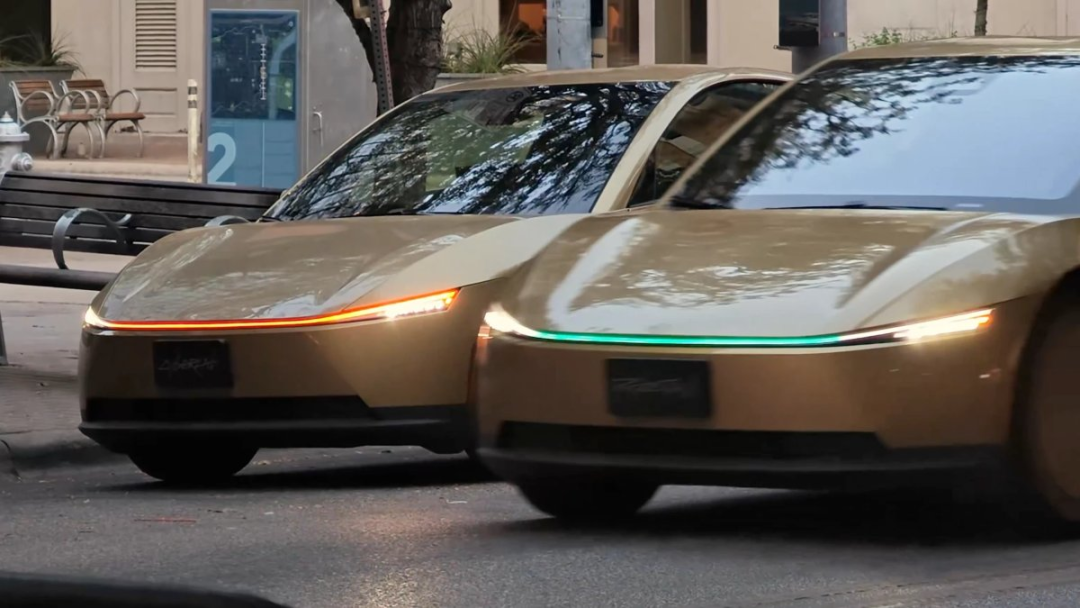
The function of the former is to keep the vehicle online when the 5G network is not available, which is a safe design, while the function of the latter is to allow people to find the car they requested faster.
It's quite convenient, but at first glance, it looks like Los Santos has changed its car king...
So as a car, Cybercab almost has everything it needs. But for Tesla, this walking rough house is the most perfect form of driverless taxis.
You must know that modifying existing models like Waymo to use driverless taxi routes is actually a business with high investment but relatively thin profits.
Taxi companies must first purchase basic models from partner car companies, such as Jaguar, Hyundai, and JK, and then install their own sensor systems.
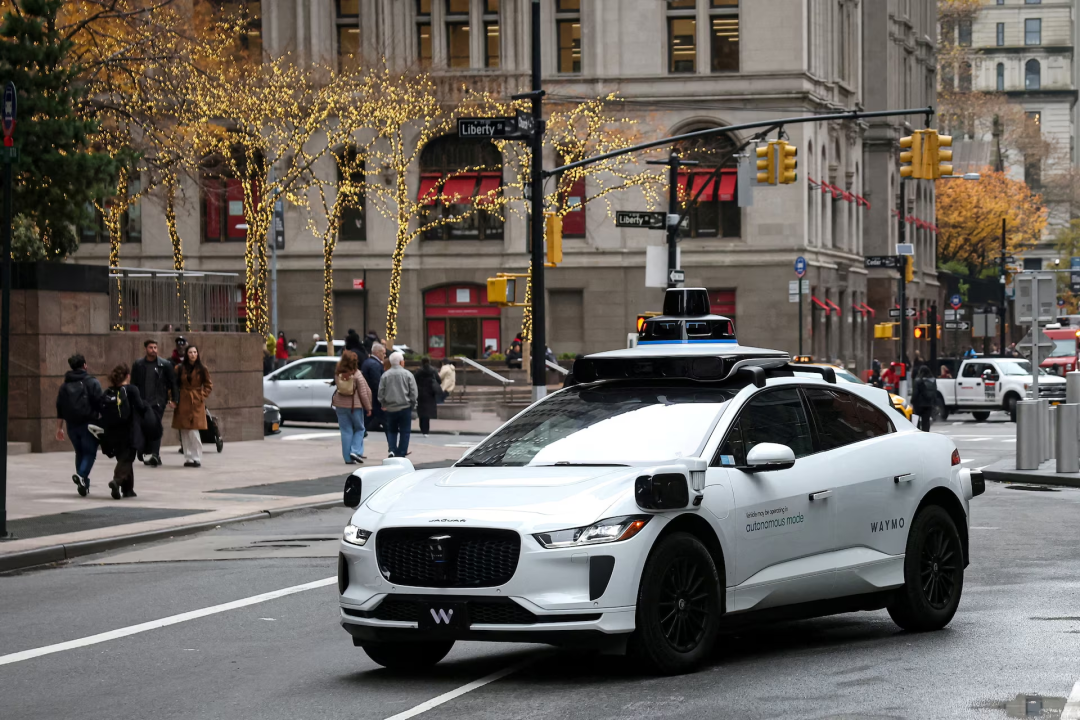
After it is put into operation, the charging and maintenance of the car will need to be done by a third party, and orders in some areas must be placed through a third-party ride-hailing platform.
This means that taxi companies not only have to spend a lot of money on buying cars and building sensors, but also have to share some of the income from each taxi order with various partners.
According to TD Cowen’s calculations last year, in order for driverless taxis to achieve a positive gross profit per order, the total cost of a single vehicle needs to drop below approximately US$98,000, but Waymo’s single vehicle cost at that time was still as high as approximately US$160,000.
Even if Waymo has started to launch new Ojai cars in 2026, the total cost of a single car after adding tariffs will be about US$110,000, but it is still not enough.
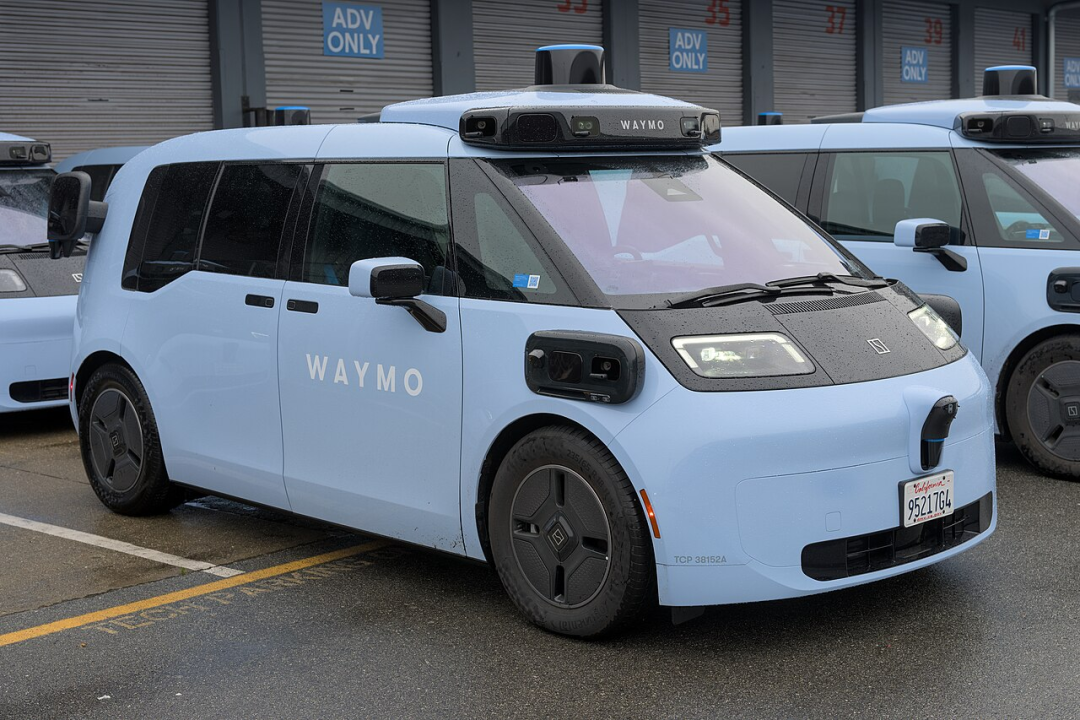
Even if each vehicle can receive an average of more than 100 orders a week, the return on investment is still very slow.
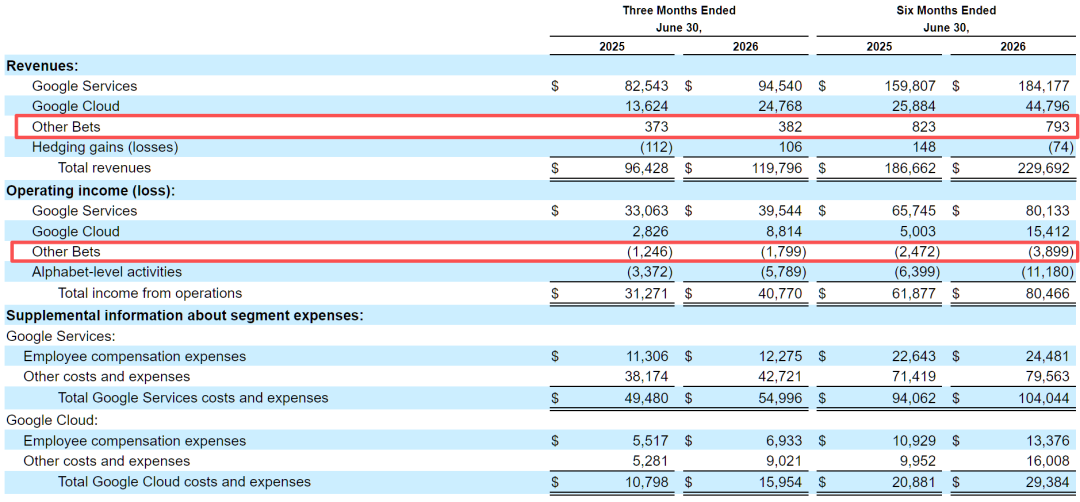
Including R&D expenditures and employee wages, in Alphabet's financial report, although Waymo's business portfolio earned US$793 million in the first half of this year, it suffered a loss of nearly US$4 billion, which can be said to be quite money-burning.
But the story is different when it comes to Tesla. Because Musk is repeating his old tricks and applying the vertical integration of car manufacturing to taxis.
Not only is the Cybercab car made by Tesla itself, but the FSD algorithm is also made by Tesla itself. The charging, maintenance, and taxi-hailing software are also made by Tesla itself. Even the insurance for online ride-hailing is mixed with Tesla’s self-operated insurance.
Except for parts suppliers, almost no one in the entire chain shares money with Tesla, and all the money earned goes into their own pockets.
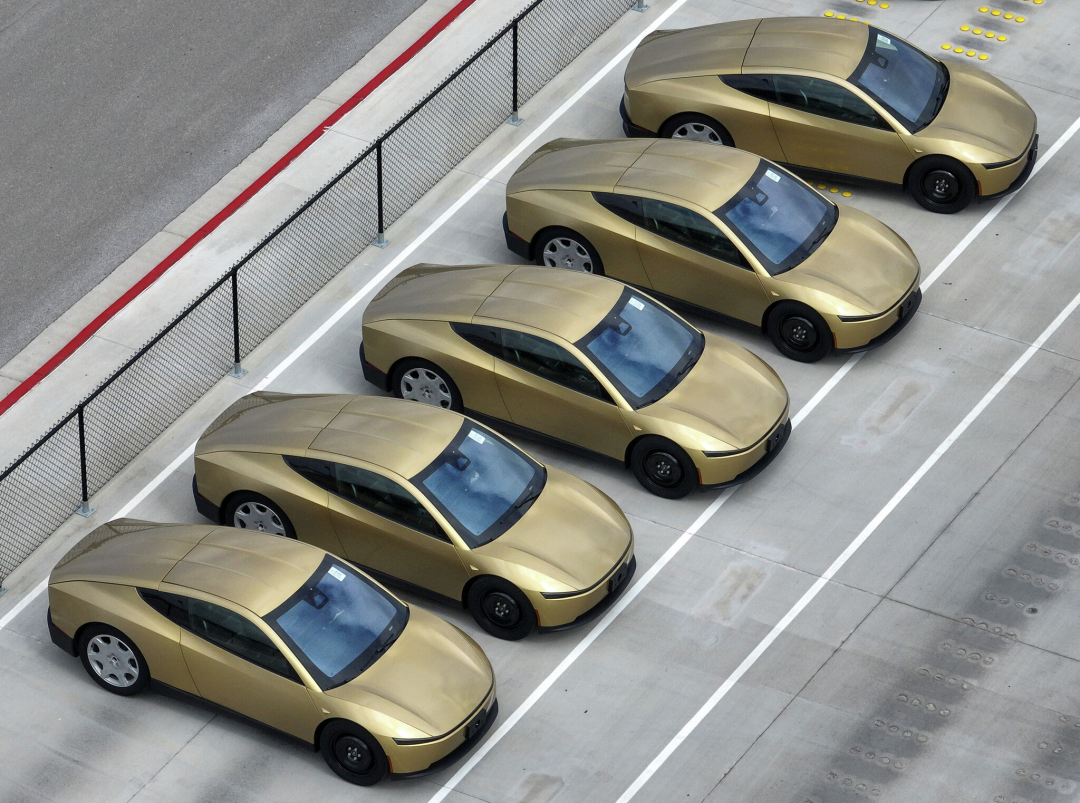
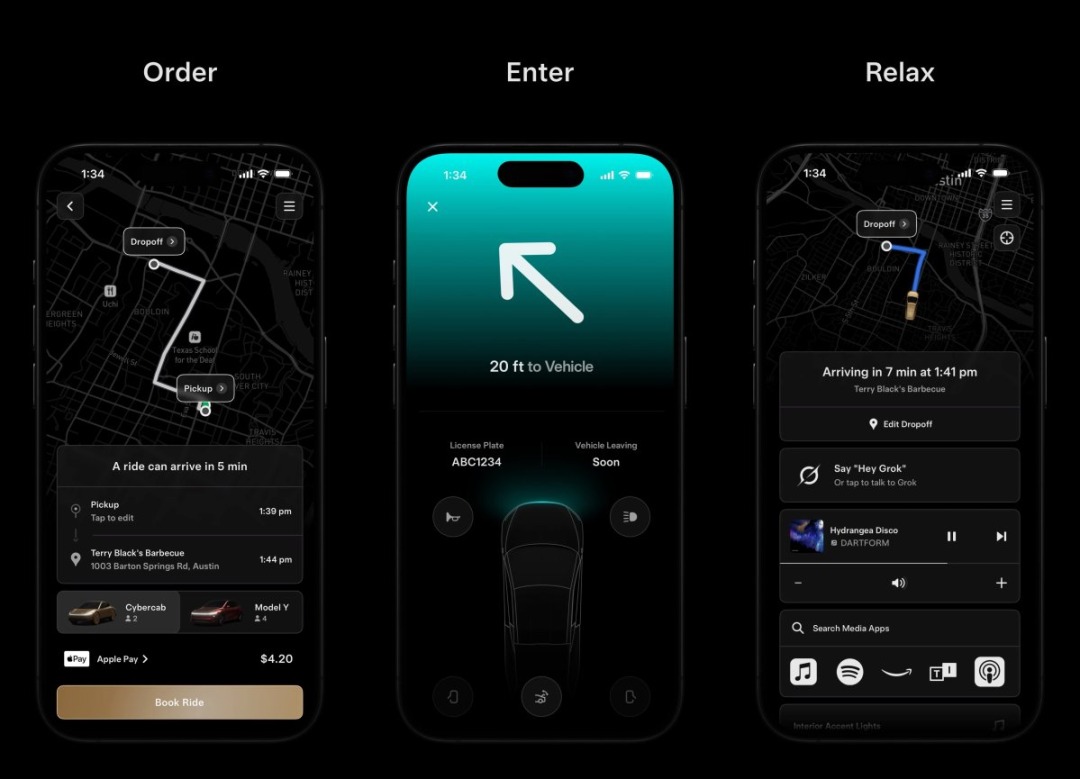
More importantly, Cybercab itself is very cheap. It does not have expensive mechanical lidar, nor does it have the complex body and interior structures of civilian vehicles. It does not even paint the body well. It directly uses the RIM reaction injection molding process to embed the polyurethane coating into the plastic shell, eliminating the need for a paint shop.
Haha, yes, the shell of this car... is made of plastic...
As a result, the number of Cybercab vehicle parts has been reduced to half that of Model 3, and there are only more than 80 parts left in the body structure design, while Model Y has 200 parts.
The production cost is not yet known, but it is probably on the order of $30,000, which is far lower than Waymo.
The cars are cheap, and no one is paying for them. As a result, Waymo is losing money, but Tesla seems to be quite profitable.
The investment institution ARK Invest stated in its own forecast model that the operating cost per mile of Tesla Cybercab is only US$0.2, which is about half of the sixth generation Waymo.
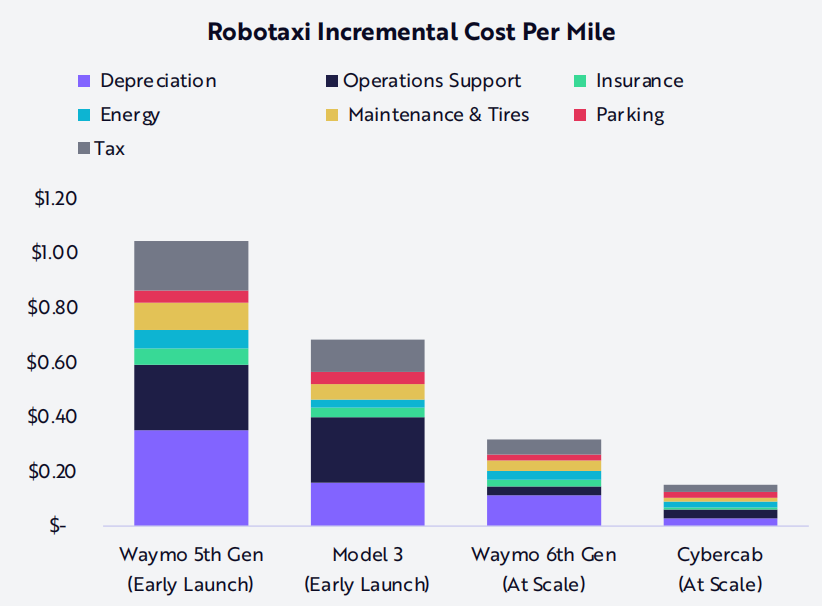
It is estimated that after reaching scale, Cybercab can net Tesla 9 cents for every mile it runs. It is truly a fully automatic money printing machine.
But this is not all of Lao Ma’s ride-hailing dream.
You know, in fact, Tesla's driverless taxis have been in trial operation since June last year, but the place is very small, only a small 19-square-mile area in South Austin.
The cars used are not Cybercab, but 10 Model Y models of 25 models.
In the following year, the scope of Tesla taxi operations has been expanding, reaching Dallas, Miami, Houston and other places, and also opened on the highway from the city, but almost all of the services provided are Model Y.
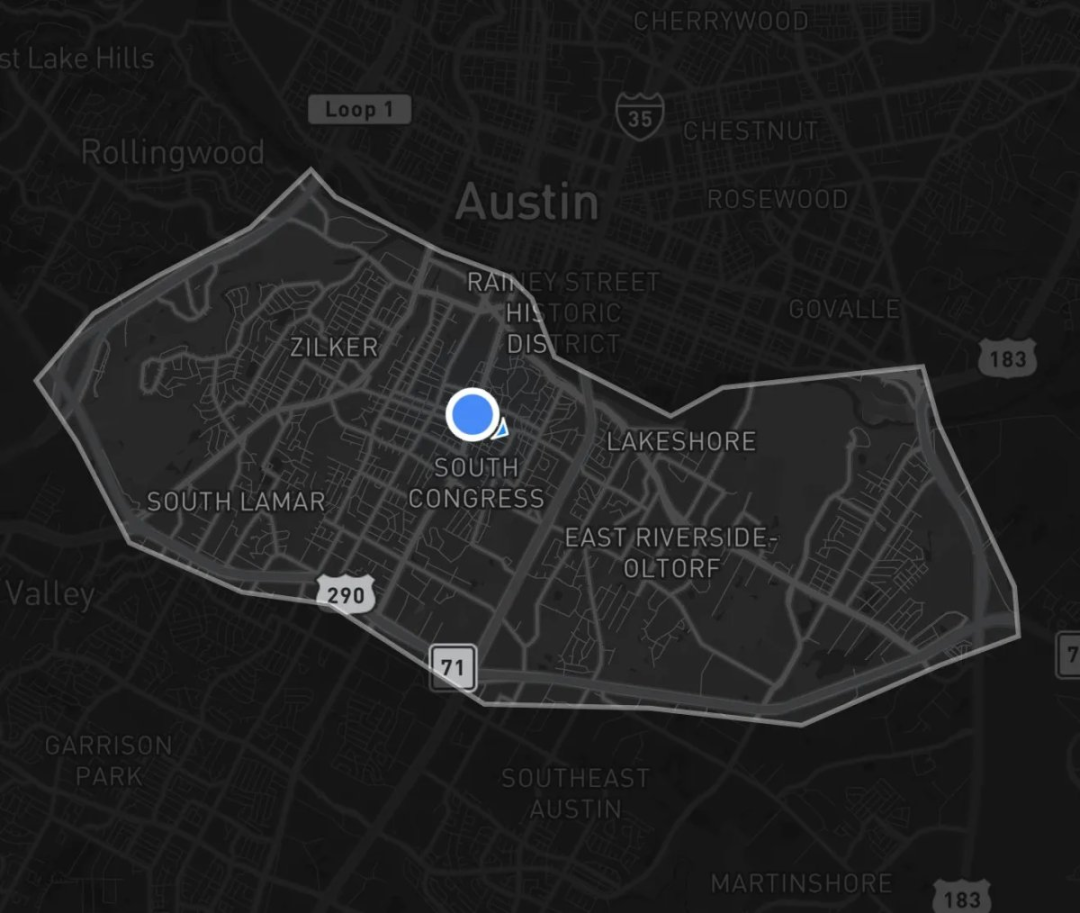
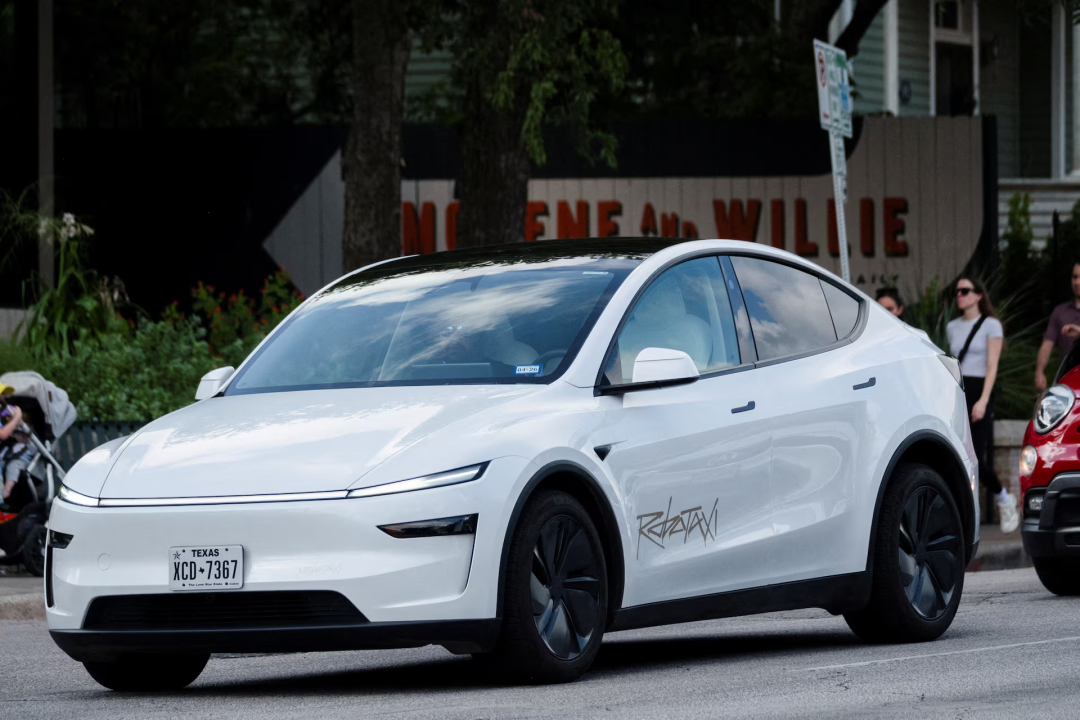
You can say that Tesla is letting Model Y gain experience first, but this is actually a big move that Musk has been planning for ten years: flexible transportation capacity.
In 2016, Musk envisioned in his grand plan that future Tesla owners would be able to add their cars to the Tesla shared fleet with just a click on their mobile phones, and provide services to earn money when the cars are not in use.
Tesla will take a portion of the revenue and the rest goes to the car owners.
Musk has said several times that this approach is simply like airbnb for cars. The car owner makes money, Tesla takes a commission, and both parties make profits.
Because according to their estimates in 2019, if people can rent out their cars for 150,000 kilometers per year, they can earn $30,000 per year. Even for the Cybercab, Tesla will open it up to individual purchases in the future. You can buy several of them to form your own fleet and go out to make money.
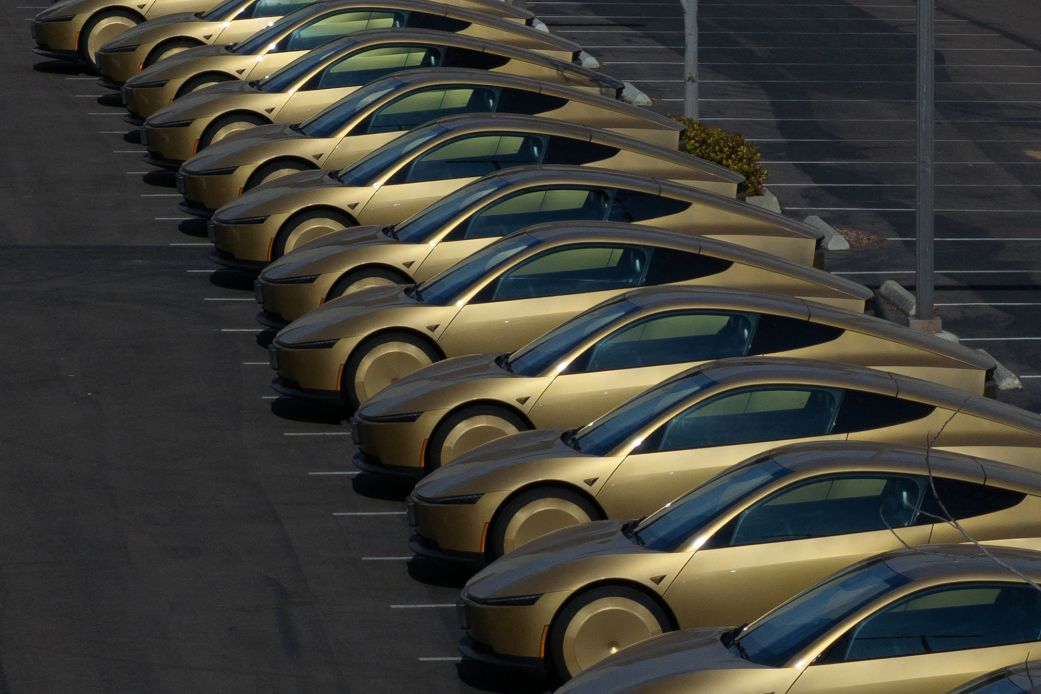
The brilliance of this approach is that Tesla can let the two to three million Teslas in the United States join its fleet for free with almost no investment. It directly skips the most expensive vehicle cost of driverless taxis, and can even earn some money from selling the cars.
You know, Waymo has spent countless dollars in the past few years and now has more than 4,000 vehicles in operation across the United States.
If Tesla’s idea comes to fruition, it will gain a terrifying quantitative advantage without spending a cent, and it will probably give Waymo a blow.
However, due to complex issues such as how to apply for insurance, how to maintain warranty, and how to assign liability for accidents, Lao Ma’s all-employee online ride-hailing plan is unlikely to be realized in the short term. However, this situation of being able to collect money almost sitting down is the ultimate form of Tesla’s robotaxi business.
No matter how you look at it, Musk’s online ride-hailing dream is so perfect. Therefore, most investment institutions in the United States have strong confidence in it.
Bank of America believes that with the addition of FSD, the scale of Tesla’s driverless taxi business will be nearly twice that of electric car manufacturing. ARK even believes that 90% of Tesla’s profits in the future will come from running taxis, and car manufacturing will become a side job.
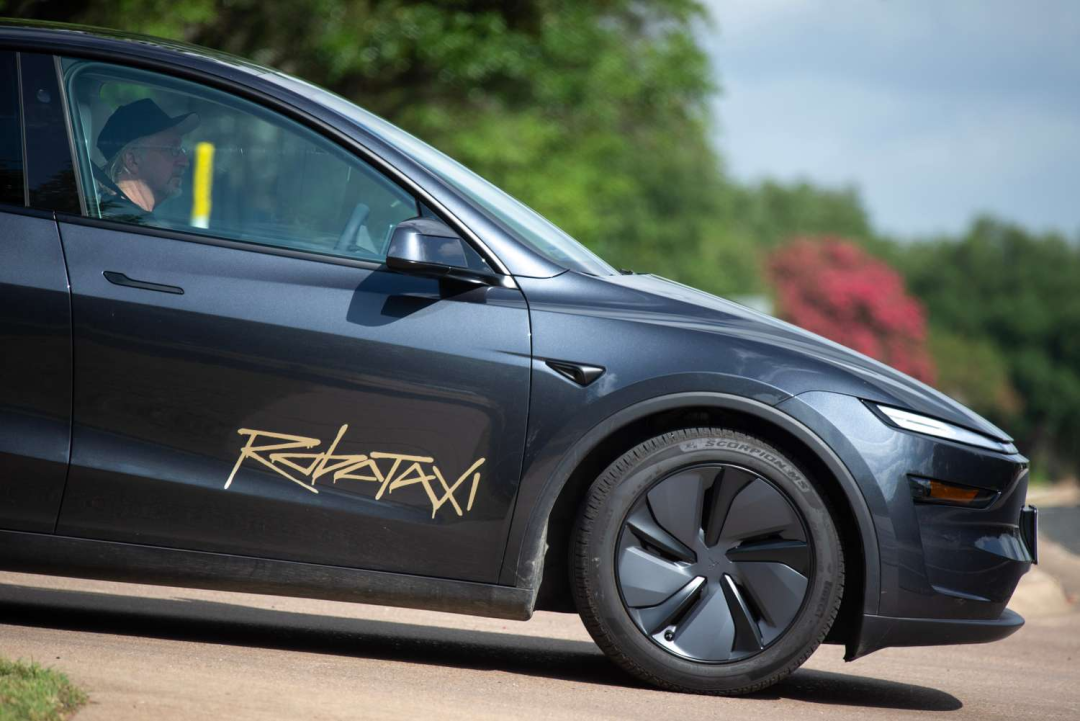
But friends who are familiar with Musk know that few of the cakes he draws can be realized quickly.
The same goes for this taxi plan. It looks perfect on paper, but at least from now on, there are still many problems.
For example, the premise for realizing all this is that the performance of Tesla FSD in taxis is actually not very good, and even a bit poor.
A user placed an order for a 2.3-mile trip. It was supposed to take more than ten minutes, but the car showed that it would take an hour. When he tried to find a manual to change the route, there was a bug and he couldn't change it, so he had to get off the car and change to Uber.
A user placed an order at night, but Tesla dropped him five kilometers away from his destination. My friend didn’t believe in evil, so he took three taxis in one day and still missed his destination twice.
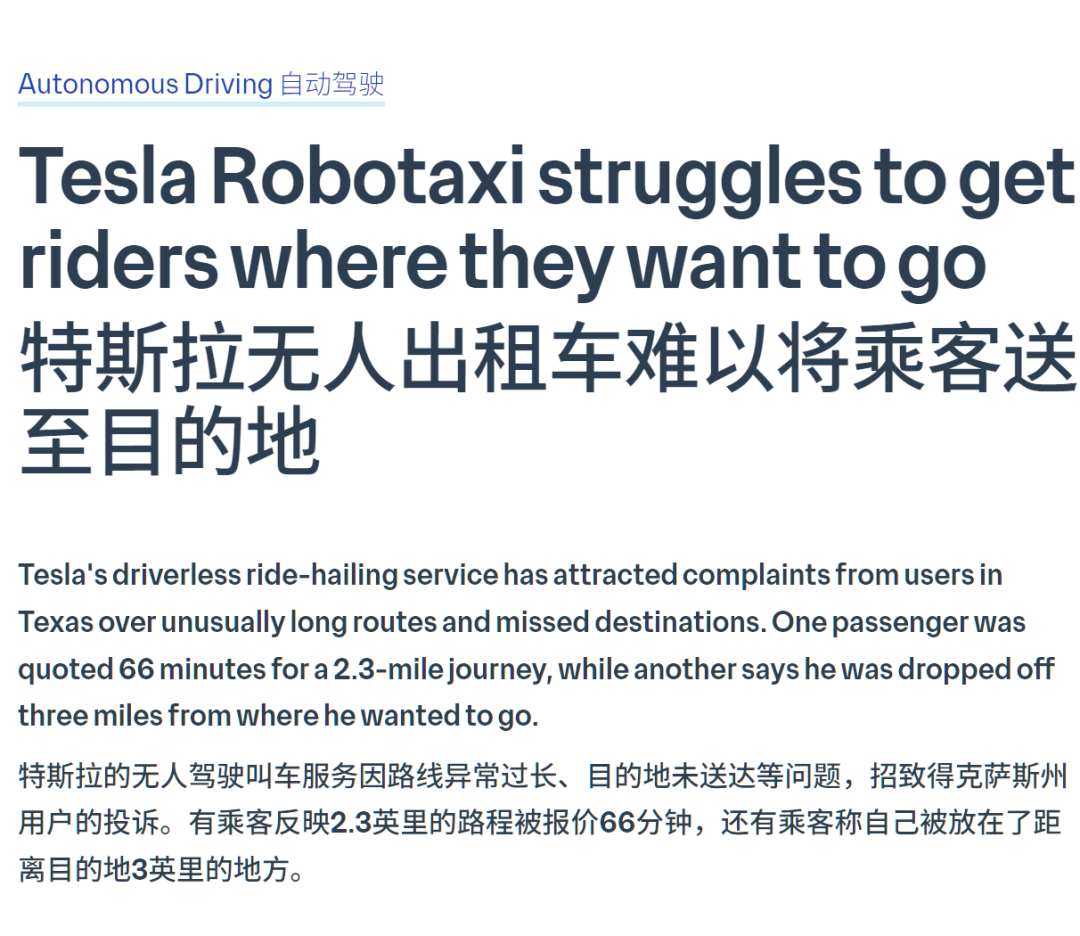
Coupled with various problems such as taking detours, driving indiscriminately, and speeding, current Tesla rentals are only at the level of general use. If you want to ensure the stable operation of millions of vehicles, the difference is not even a tiny bit.
The reason may be that FSD has not yet adjusted the fully autonomous driving strategy, or it may be that the number of taxis is not enough and the learning has not been completed.
Maybe it will get better when it scales up later, but before that, Tesla still has a lot of policy and regulatory issues to solve.
For example, in the United States, different states have different tolerances for autonomous driving. Vehicle access, driverless licenses, and taxi operating qualifications all require layer-by-layer approval.
In places like California, where access is relatively strict, Tesla is only qualified to test with a driver, and is not yet able to conduct driverless testing and formal deployment.
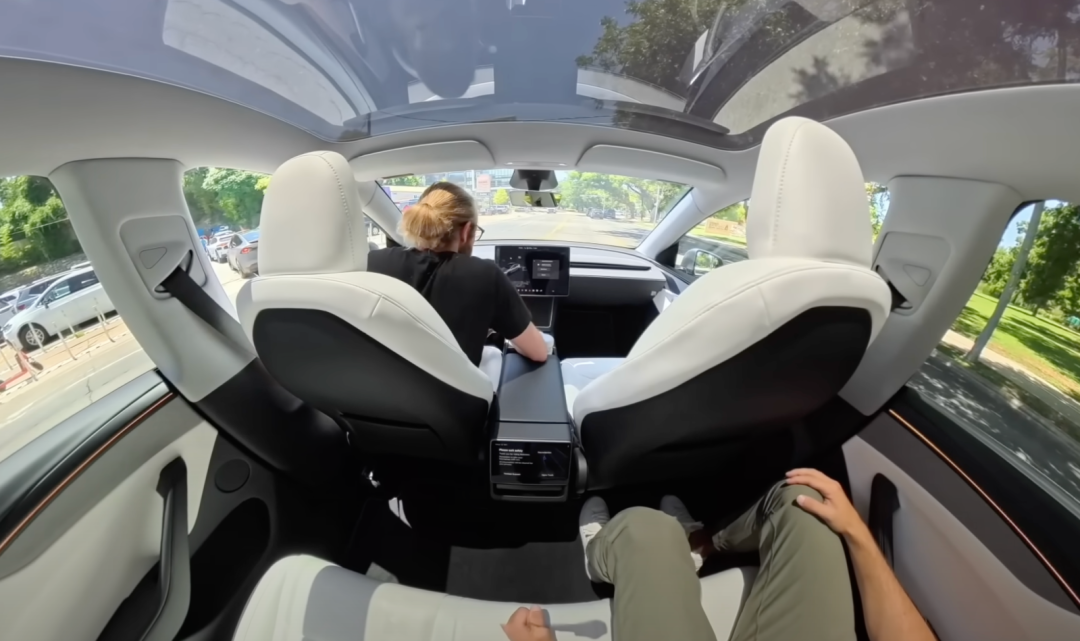
Even the Cybercab itself, which does not have a steering wheel or pedals, is still in a gray area under US regulations.
It would be difficult for Musk to expand his business nationwide, let alone the global markets in Japan and Europe like Waymo.
So everyone has discovered it. Having said so much, building Cybercab is actually just the first step in Musk’s big dream of online ride-hailing, and it is also the simplest step in my opinion.
How to expand and how to steal business from Waymo are the more difficult problems that Tesla needs to solve.
Given that Musk has been working on rockets and AI recently, and also has to work on a robot, I guess the taxi thing will have to be put aside for a while.
And because of FSD, the chances of us using it in the country are not very high.
Instead of looking forward to the day when Tesla becomes an online ride-hailing company, it is better to look forward to the official release of the flying roadster.
Comments