
Abstract:
The European commercial space industry is facing a critical moment. German aerospace company Isar Aerospace is preparing for its second Spectrum rocket launch mission, hoping to become the first private company to put a commercial rocket into orbit from European soil, opening a new path for the European space industry that has long relied on overseas launch capabilities.
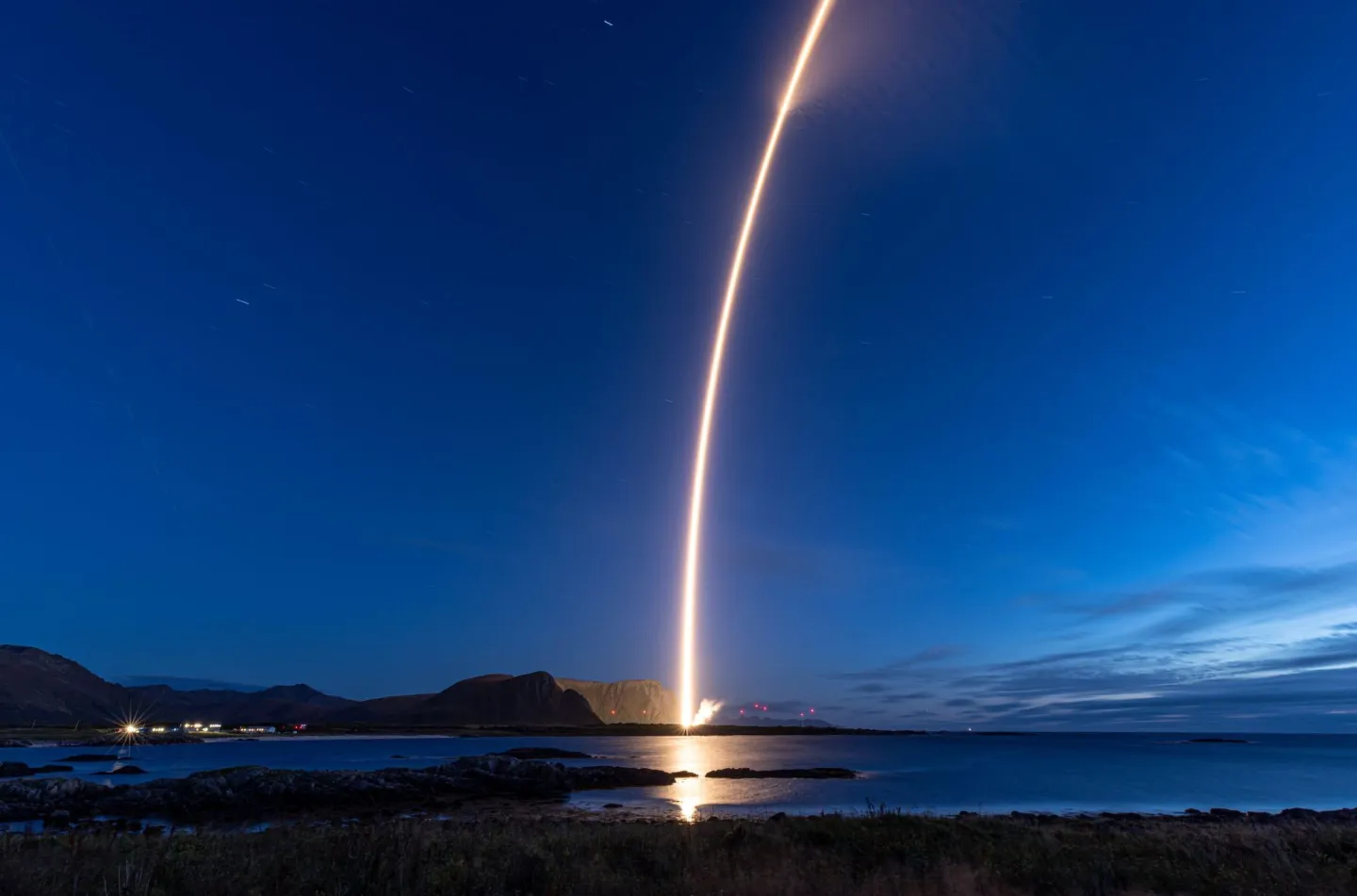
The mission will be conducted at Andea Spaceport in northern Norway. For Isar Aerospace, this is not only an ordinary commercial launch, but also an important node to verify whether Europe can establish an independent commercial launch system. If the mission is successful, Spectrum will be the first commercial launch vehicle to enter orbit from mainland Europe and will also be an important milestone for Europe's new generation of commercial space enterprises.
Isar Aerospace, founded in 2018, is headquartered in Munich, Germany and was founded by several college student entrepreneurs. In the past few years, the company has continued to promote its own launch vehicle plan, hoping to compete with companies such as SpaceX in the United States and Rocket Lab in New Zealand in the small satellite launch market. As the number of global satellites grows rapidly, countries are increasingly demanding commercial launch services with lower costs and higher launch frequencies, which also provides room for development for emerging European aerospace companies.
The Spectrum rocket is a two-stage liquid fuel launch vehicle with a height of about 28 meters, mainly targeting the low-Earth orbit satellite market. According to the company's plan, the rocket can send about one ton of payload into low-Earth orbit in the future to meet the launch needs of commercial satellites, scientific research missions and government projects.
However, the road to orbit is not easy. Before this year, Spectrum's first test flight ended in failure. The rocket lost control shortly after liftoff and eventually crashed into the Norwegian Sea. Although the mission failed to successfully enter orbit, the company believed at the time that it had acquired a large amount of flight data, which provided an important basis for subsequent improvements.
In preparing for the second launch, the team also experienced multiple delays. Factors such as technical inspections, weather conditions, safety area management, and some system abnormalities have successively led to adjustments to the launch plan. Missions that were originally expected to be completed earlier were continuously postponed until related problems were gradually resolved before the launch window was re-entered.
What drives this plan is not only commercial interests, but also Europe’s urgent need for independent access to space. In recent years, the European space field has been facing the problem of insufficient launch capabilities. With geopolitical changes and adjustments to the international cooperation environment, Europe is paying more and more attention to establishing a local launch system and reducing its reliance on rocket services from the United States and other countries.
The European Space Agency has launched a number of support programs in recent years, hoping to cultivate local commercial launch companies. Isar Aerospace is one of the important beneficiaries of this strategy. The company has received substantial support from European institutions, the German government and private capital, and is regarded as a representative enterprise of the "new aerospace" wave in Europe.
Industry insiders believe that regardless of the outcome of this mission, the European commercial space landscape has begun to change. The large-scale aerospace project model that has long been dominated by the government in the past is gradually changing to a more market-oriented and commercial direction. More and more start-up companies are trying to enter the fields of rocket manufacturing, satellite operations and space services, forming a new ecosystem that develops in parallel with the traditional aerospace system.
For Isar Aerospace, the second flight not only determines whether the Spectrum rocket can officially enter the commercial operation stage, but also affects the company's future order acquisition, production capacity expansion and financing plans. If it can successfully enter orbit, the German company will create an important record in the history of European commercial spaceflight and take a key step towards building an independent, low-cost satellite launch system for Europe.
Comments