
Abstract:
On September 29, according to Reuters, SpaceX’s giant rocket “Starship” almost failed to complete the first orbit of its next-generation spacecraft due to engine failure during its 14th unmanned test flight. This may make it difficult for NASA to complete the astronaut mission to the moon as scheduled.
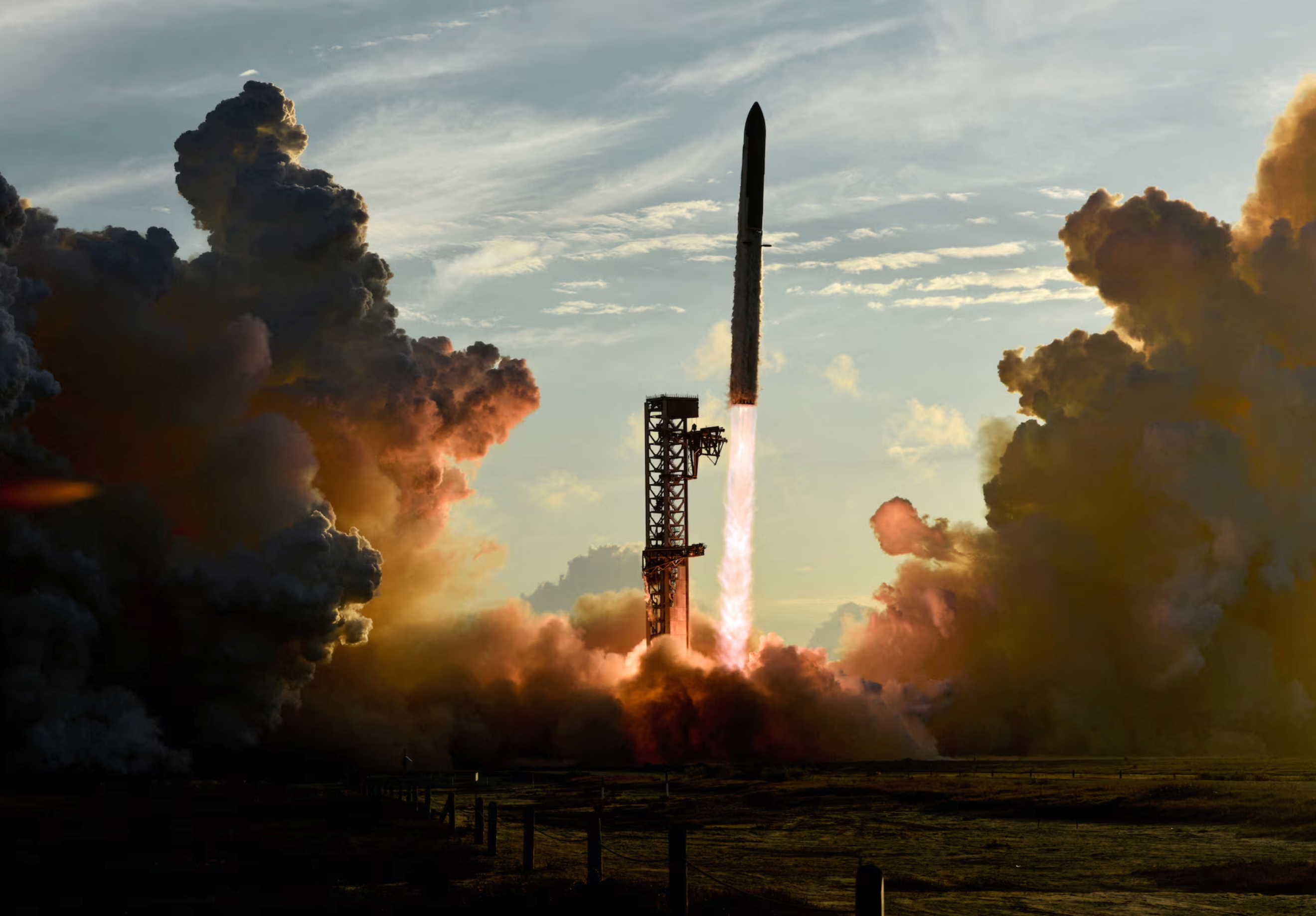
Starship's 14th test flight
One of the purposes for which starships are designed is to carry large payloads into space. It is currently competing with another vehicle to become NASA's first vehicle to send humans to the moon and bring them safely back to Earth as early as 2028. The last time humans accomplished this feat was in 1972 at the end of the Apollo program.
Although Starship achieved a number of key goals during its latest test launch in Texas on Monday, the mission ended hours early due to a propulsion system failure. Although one of the three main Raptor engines unexpectedly stalled after the Starship separated from the first-stage rocket, flight controllers continued to send the spacecraft into orbit for its first commercial satellite deployment mission.
For SpaceX, finding out what caused the engine failure is still crucial to its business prospects. But for NASA, the risk may be higher, because the starship used for the moon landing will rely on the same engine system to carry astronauts to and from space and the lunar surface.
Dean Sladen, an aerospace engineer at Accu Components, said the impact of the engine failure on the Starship development schedule depends on whether it turns out to be "a one-time failure of a single component" or a larger design problem that requires "the entire fleet" to be upgraded.
"Any engine repair that delays subsequent flights, including attempts to have the launch tower robotic arm capture the starship after it returns, will delay NASA's moon landing schedule." He said.
The real pressure is to land on the moon
If the delay is longer, it will not only cause a greater blow to SpaceX's commercial goal of rapidly expanding the Starlink broadband satellite network, but also affect its key role in NASA's "Artemis" moon landing program.
"The real pressure comes from the moon landing. NASA needs starships to carry out the Artemis 3 mission." Sladen said. The mission is an Earth-orbital test mission that could take place as early as next summer as a rehearsal for the program's first real crewed lunar landing.
Problems with the Raptor engine and propulsion system have caused setbacks for the Starship many times before, including one engine that failed to ignite as planned during the Starship's 12th test flight in May. These methane-fueled engines are among the most complex and expensive components on the rocket.
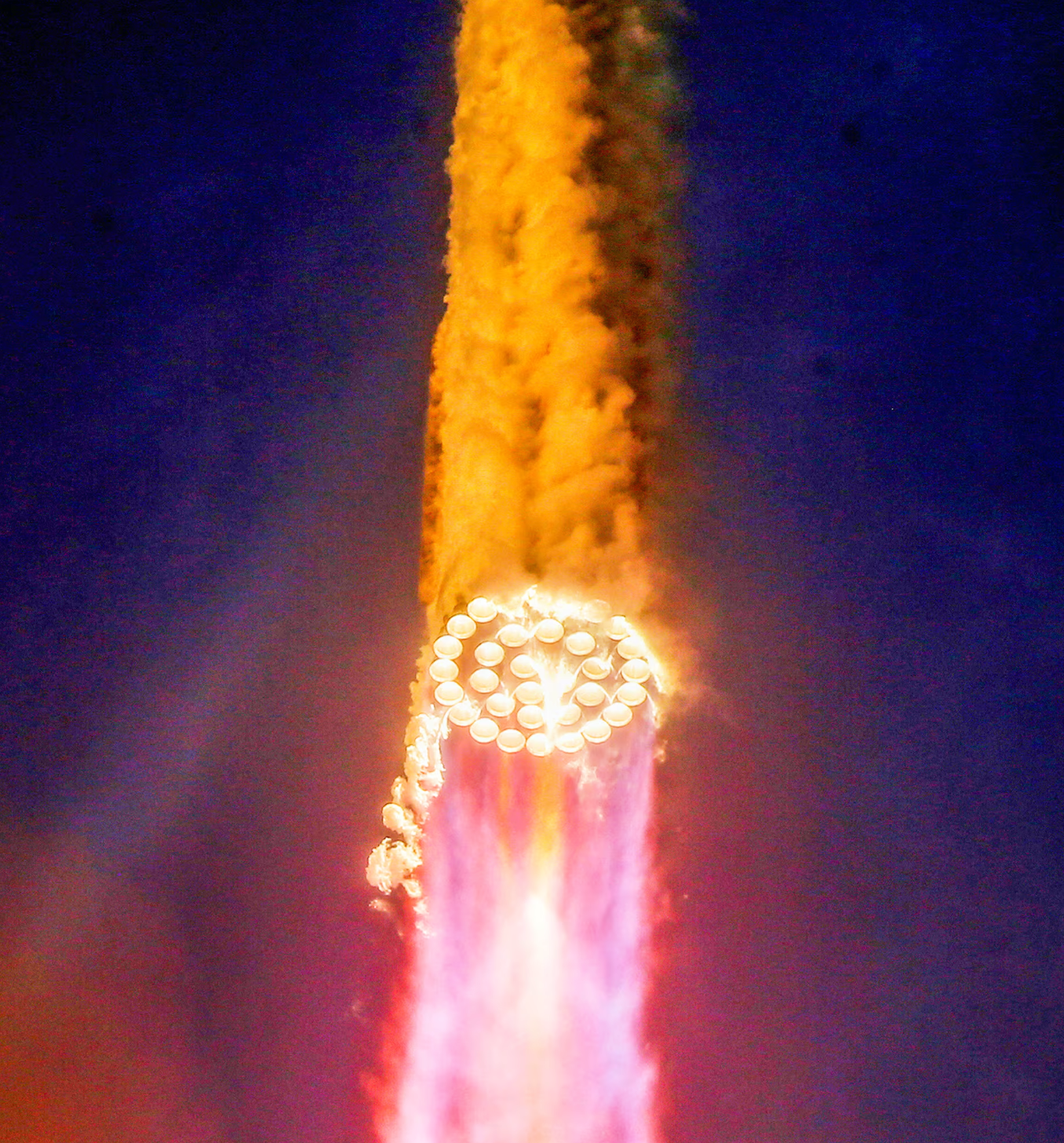
Starship's Raptor engine has had problems many times
In some previous flights, SpaceX had canceled plans to test the ignition Raptor engine in space. However, during the Starship's 13th test flight in July, all engines successfully ignited during liftoff.
SpaceX is currently competing with Blue Origin, the rocket company owned by Jeff Bezos, in an effort to usher in a new era of lunar exploration under NASA's Artemis program.
Although SpaceX was first contracted to provide the first manned lunar lander for the Artemis program, NASA Administrator Jared Isaacman said in April this year that whichever lander is ready for flight first will be used. As the Starship test flight plan continues to be delayed, NASA believes that introducing more competition will help promote the progress of the project.
NASA’s official goal is to return astronauts to the lunar surface in 2028 in order to achieve a lunar landing before China. However, this goal is widely considered too aggressive. China plans to complete a manned moon landing by 2030.
The pilot mission of the "Artemis 3" mission will be carried out as early as the summer of 2027, and a functioning lunar lander will also be needed to test rendezvous and docking operations in low-Earth orbit.
SpaceX is developing a "human landing system" based on its Starship spacecraft. Starship is a towering stainless steel spacecraft far larger than any previous lunar lander. Blue Origin is building its own Blue Moon lander, using a more traditional design concept.
If both lunar landers are ready by then, they are likely to participate in the Artemis 3 mission and demonstrate orbital maneuvering using engines running in space.
A few days after the completion of NASA's Artemis 2 mission, Isaacman announced his strategy for selecting the best lunar lander. The "Artemis 2" mission carried astronauts around the moon and returned to Earth. It was the first manned launch of a NASA Space Launch System rocket. The rocket was built by Boeing and Northrop Grumman, and the Orion spacecraft it carried was built by Lockheed Martin.
Comments