
Abstract:
The head of the European Space Agency hopes that European countries will decide before the end of this year whether to independently implement manned space launches without US support. European Space Agency (ESA) Director Joseph Aschbach said in an interview on the eve of the International Space Summit in Paris this week: "We want to strengthen our independent capabilities. One of the iconic issues we are currently discussing is whether it is necessary for Europe to build local manned space capabilities and send astronauts into space on its own."
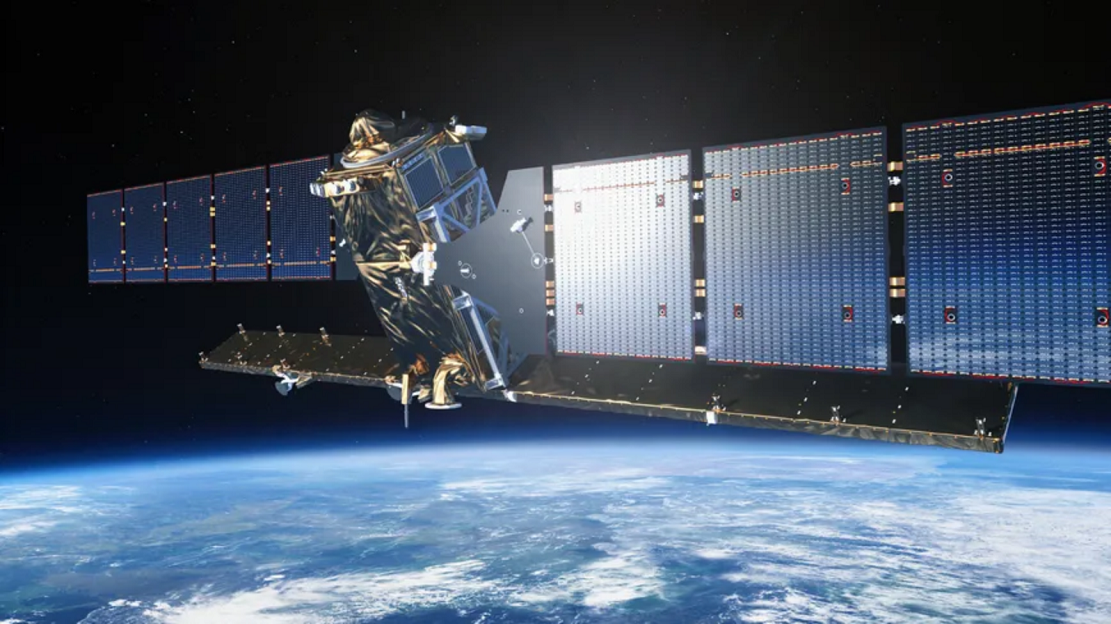
He added: "This means having our own rockets, manned spacecraft, launch systems, operating systems, scientific research facilities, recovery systems, and all related supporting facilities, including the measurement and control center that manages these equipment."
The US government has been lobbying against the EU Space Act introduced by the European Commission. This draft regulation of space activities is viewed by the United States as specifically targeting American companies.
The United States has also put pressure on American aerospace giants to miss this week's Paris Space Summit. The summit will be held on Wednesday and Thursday and will cover space exploration. The Trump administration has accused Paris of "anti-competitive behavior" and ignoring the demands of U.S. industry.
Europe currently provides hardware equipment for the U.S.-led Artemis lunar landing program. The European Service Module is responsible for providing propulsion, power supply, water supply, oxygen supply, and temperature control functions. However, Europe has relied on NASA to transport astronauts into space for many years.
At the key interim ESA ministerial meeting in Rome in mid-December, Aschbach will ask European ministers to authorize ESA to study independent manned launch plans.
Ariane Group CEO Christophe Bruno told the media on Monday that as one of Europe's main launch vehicles, "the Ariane 6 rocket is fully capable of carrying out manned missions at the technical level." German start-up Isar Space also successfully launched a rocket last weekend to put five small satellites into orbit. This is the first successful commercial orbital launch from mainland Europe.
Aschbach also said that Europe already has a high level of autonomy in the fields of navigation and earth observation, but lags behind the United States in the field of satellite communications (this field is dominated by SpaceX), and there are also gaps in the field of space exploration.
Aschbach promised that in the short term, if a decision is made to make an independent manned launch, no new funds will be needed. As early as November last year, ESA member states approved a record three-year budget of 22.1 billion euros, compared with the previous budget of 17 billion euros.
The European space chief said that ESA can use its existing budget to carry out architectural research and use funds originally planned to invest in NASA's "Gateway" lunar space station project. "We will redirect some of the funds originally allocated to the gateway project to support this new development goal."
Comments