
Abstract:
NASA and SpaceX are making final preparations for the Crew-13 manned mission. The mission is scheduled to lift off from Launch Complex 40 at the Cape Canaveral Space Force Station in Florida at 11:10 a.m. Eastern Time on October 1, carrying four astronauts to the International Space Station. If everything goes according to plan, the SpaceX manned Dragon spacecraft will only take 7 hours and 50 minutes from launch to docking with the space station, which is expected to set the fastest flight record for an American manned spacecraft to the International Space Station.
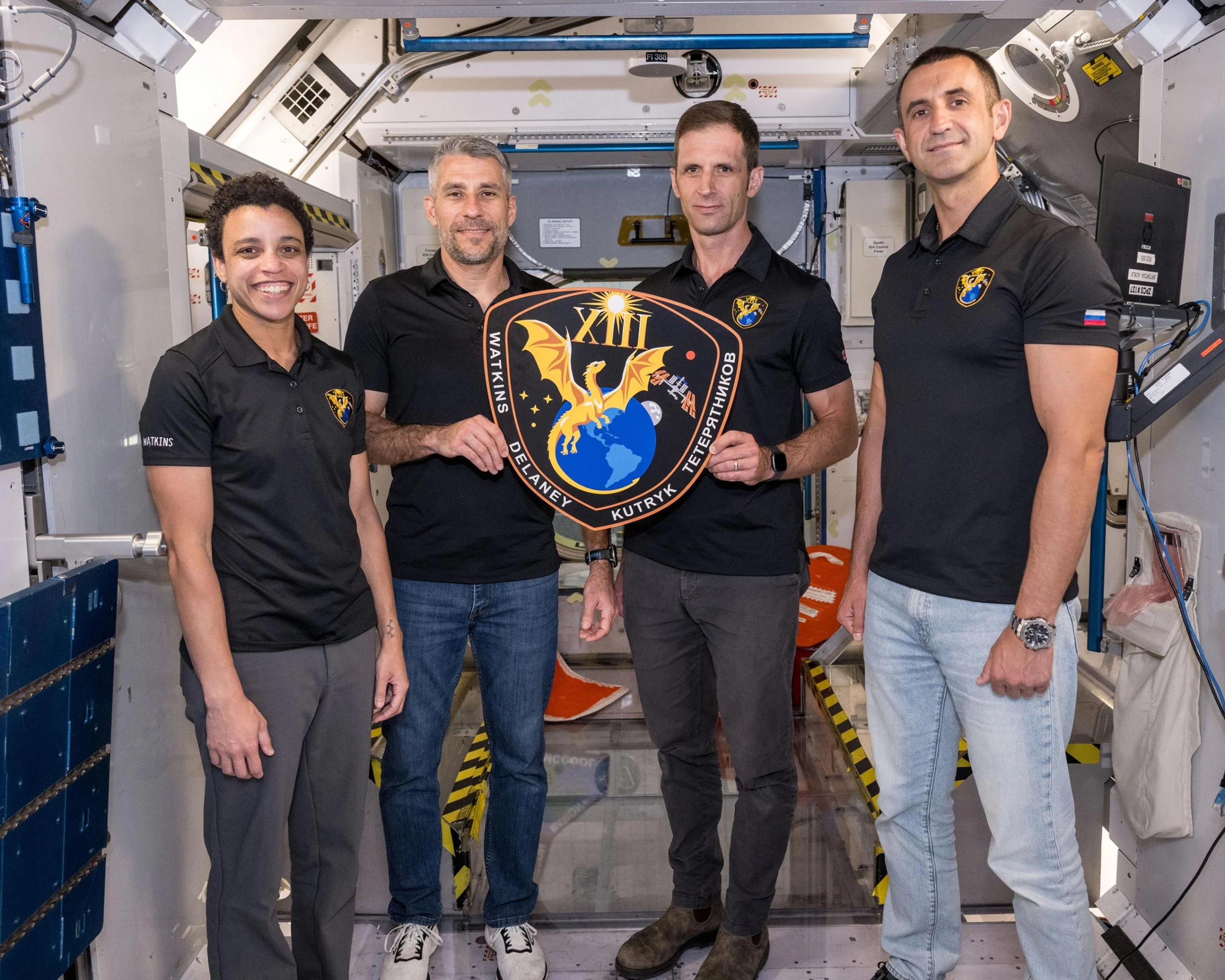
Crew-13 is SpaceX’s 13th manned rotation mission under the framework of NASA’s commercial manned space program. It is also the 14th manned mission carried out by the Crew Dragon spacecraft, including the initial Demo-2 manned demonstration mission. The four members of this mission are NASA astronauts Jessica Watkins and Luke Delaney, Canadian Space Agency astronaut Joshua Kutrik, and Roscosmos astronaut Sergey Teteryatnikov.
Watkins will serve as mission commander, Delaney will serve as pilot, and Kutrik and Teteryatnikov will serve as mission experts. After the mission is successful, the four people will join the 75th Expedition Team of the International Space Station to carry out scientific research, technology demonstrations and space station maintenance.
Watkins has previously traveled to the International Space Station on SpaceX’s Crew-4 mission and will stay in space for a total of 170 days in 2022. This Crew-13 will be her second trip to the space station, and she will also become the first NASA astronaut to fly on the SpaceX manned Dragon spacecraft twice.
Delaney will usher in his first space flight. He was a U.S. Navy pilot and test pilot before joining the NASA astronaut corps and participating in research missions at NASA Langley Research Center.
Kutrick will also be in space for the first time. He previously served as a Canadian CF-18 fighter pilot and worked in test flights and flight tests. Teteryatnikov is a Russian astronaut and will participate in Crew-13 as a mission expert this time.
Crew-13 will ride on a SpaceX Crew Dragon spacecraft named "Grace". The spacecraft has already carried out a manned mission before, and will undertake the Axiom Mission 4 private manned space mission in the summer of 2025, so this flight is a reuse mission.
In terms of rockets, Crew-13 will be launched using a SpaceX Falcon 9 rocket, and the first-stage booster used is scheduled to perform its third flight. NASA and SpaceX have completed flight readiness reviews and inspected the status of the rocket, spacecraft, space station and astronauts. On September 29, the four astronauts also completed a full-process simulation drill before launch, put on pressure suits and entered the spacecraft, conducted air tightness checks and boarding process drills.
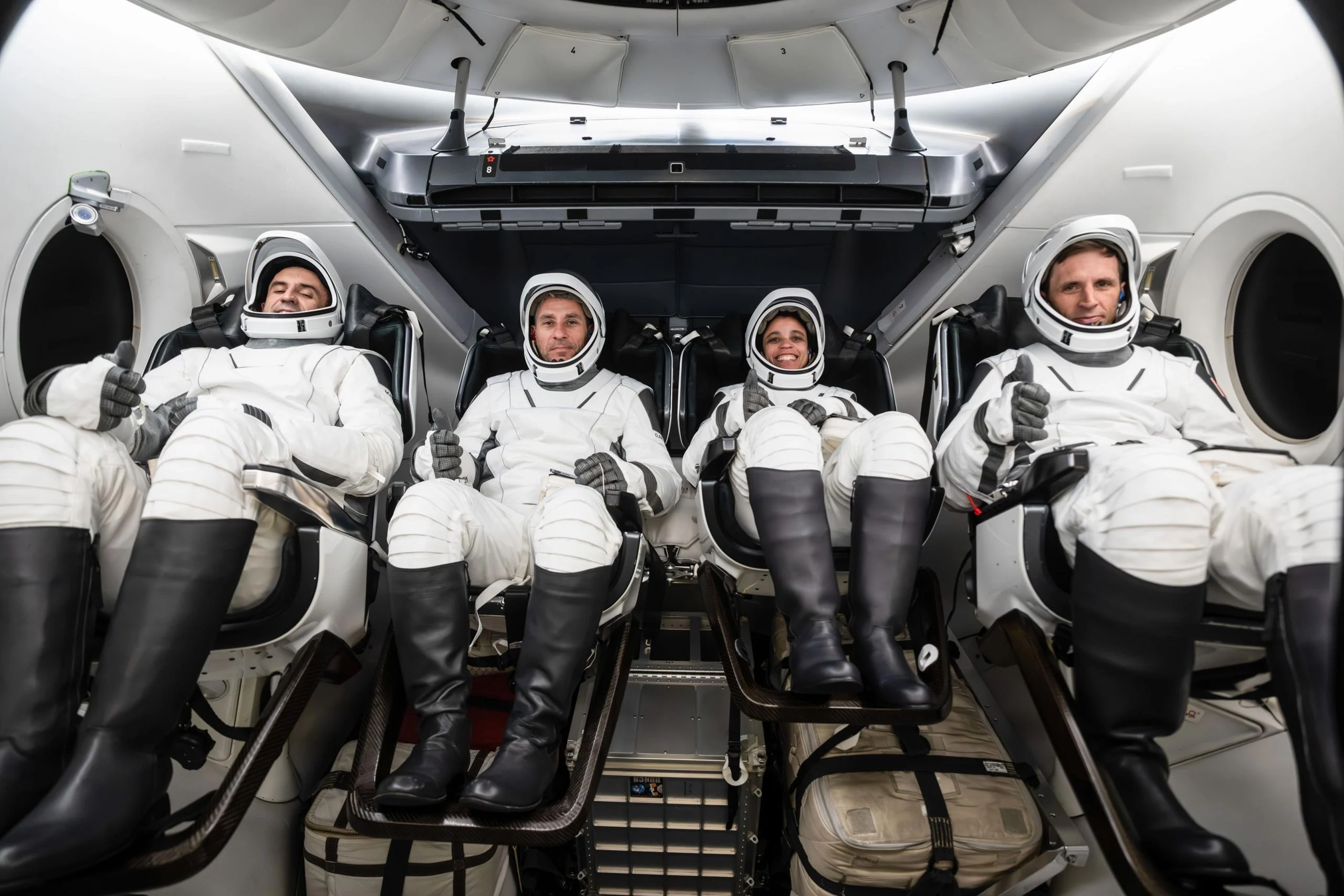
According to the current mission plan, Falcon 9 will lift off at 11:10 am local time on October 1. The rocket will first put the manned Dragon spacecraft into orbit, and then the Dragon spacecraft will detach from the rocket and gradually adjust its orbit through a series of orbital maneuvers to match the orbit of the International Space Station, which is orbiting the Earth at a speed of about 7.7 kilometers per second.
After completing the orbit adjustment, the Dragon spacecraft will approach the space station and finally complete automatic rendezvous and docking with the forward-facing docking port of the Harmony node module. NASA currently sets the docking time at around 7 pm that day, and the entire flight time is about 7 hours and 50 minutes.
If this plan is successfully completed, Crew-13 will set a record for the fastest flight of a U.S. spacecraft launched from the ground to the International Space Station. In the past, it usually took longer for U.S. manned spacecraft to travel to the space station, with some missions even taking more than a day to complete the rendezvous. As the orbital rendezvous capabilities of SpaceX's Crew Dragon spacecraft continue to mature, NASA has been able to adopt faster flight solutions.
However, 7 hours and 50 minutes is not just about speed. A manned spacecraft needs to undergo multiple orbital maneuvers after launch. The flight path must also consider factors such as launch time, space station orbital position, solar lighting conditions, spacecraft fuel, and safety redundancy. Only when these conditions are met at the same time can such a fast rendezvous scheme be adopted.
Current weather is an important variable in whether the October 1 launch can proceed as planned. The latest forecast from the 45th Weather Squadron of the U.S. Space Force shows that the probability of favorable weather on the day of the launch window is about 60%. The main risks include cumulus weather and the aircraft passing through precipitation areas. If weather or other system conditions do not meet launch criteria, the launch time may be further adjusted.
After Crew-13 arrives at the space station, it will conduct a brief handover with the Crew-12 members currently stationed in orbit. Crew-12 is expected to return to Earth as early as October 5, so the two crews will work on the space station at the same time for a period of time to complete experiments, maintenance tasks, and handovers in daily operations of the space station.
The arrival of Crew-13 is also one of the important personnel rotations in the long-term operation of the International Space Station. NASA said that the four astronauts will conduct a large number of scientific experiments and technology demonstrations in orbit, and will also undertake space station maintenance tasks. As commercial manned spaceflight gradually becomes normalized, the Crew Dragon spacecraft has become an important transportation tool for NASA to and from the International Space Station.
If the launch and subsequent rendezvous on October 1 are completed as planned, Crew-13 will not only start a new long-term mission to the space station, but will also set the fastest record for a U.S. manned spacecraft to the International Space Station with an estimated flight time of 7 hours and 50 minutes. For SpaceX and NASA, this further demonstrates that the Crew Dragon spacecraft is gradually maturing in its fast orbit rendezvous and reuse capabilities after years of operation.
Comments