
Abstract:
The National Aeronautics and Space Administration (NASA) announced that two astronauts successfully completed an extravehicular activity that lasted 7 hours and 11 minutes, installing and deploying a new roll-out solar array (IROSA) outside the International Space Station about 420 kilometers away from the earth. This mission is an important part of the International Space Station power system upgrade plan, and also marks that the entire project has entered the final stage.
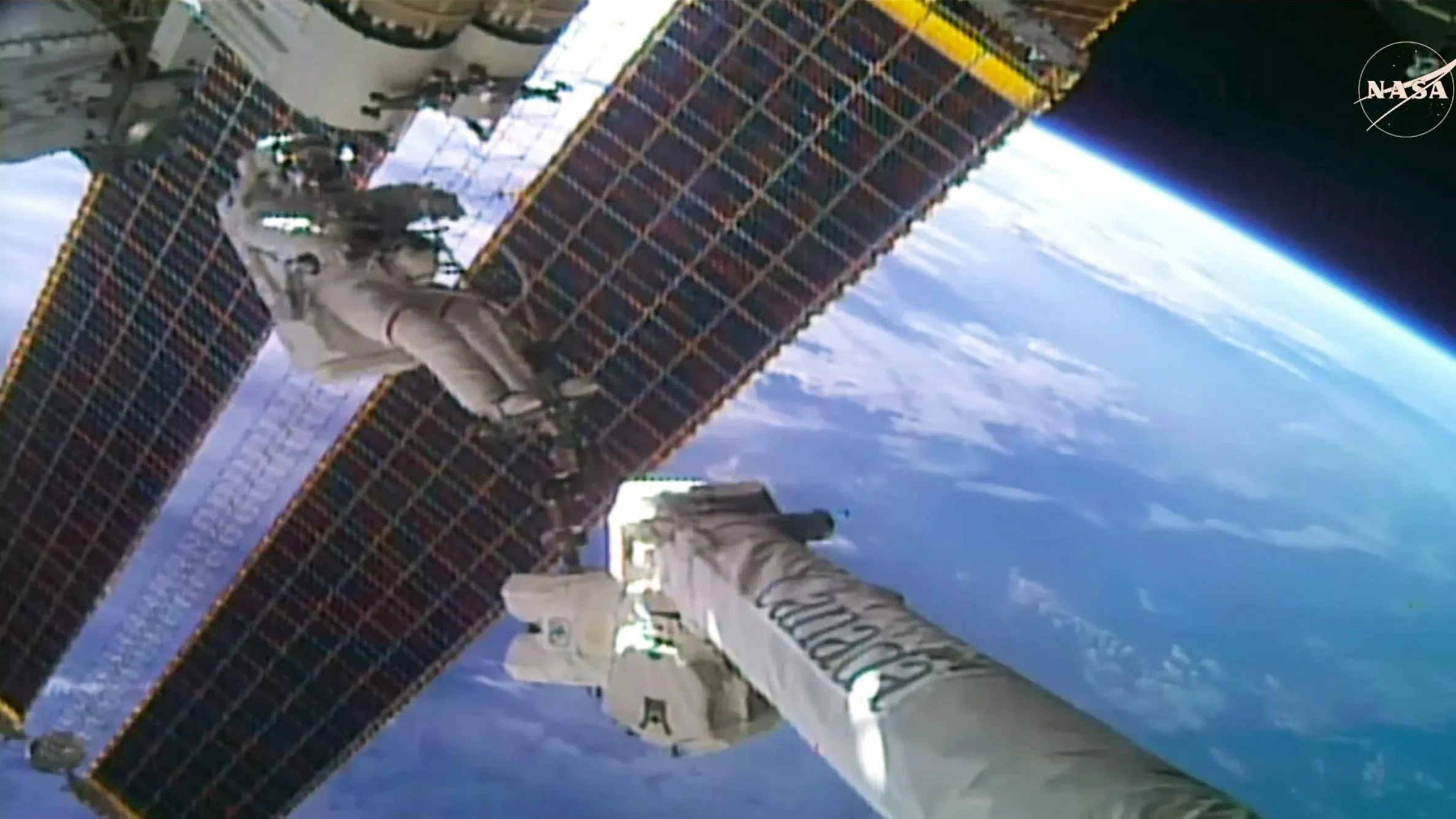
On October 29, local time, American astronaut Anil Menon and Canadian Space Agency astronaut Joshua Kutryk completed their spacewalk at 3:08 pm. The core goal of this mission is to install and deploy a new roll-out solar array at the 2A power channel position of the International Space Station to provide stronger power supply capabilities for the space station.
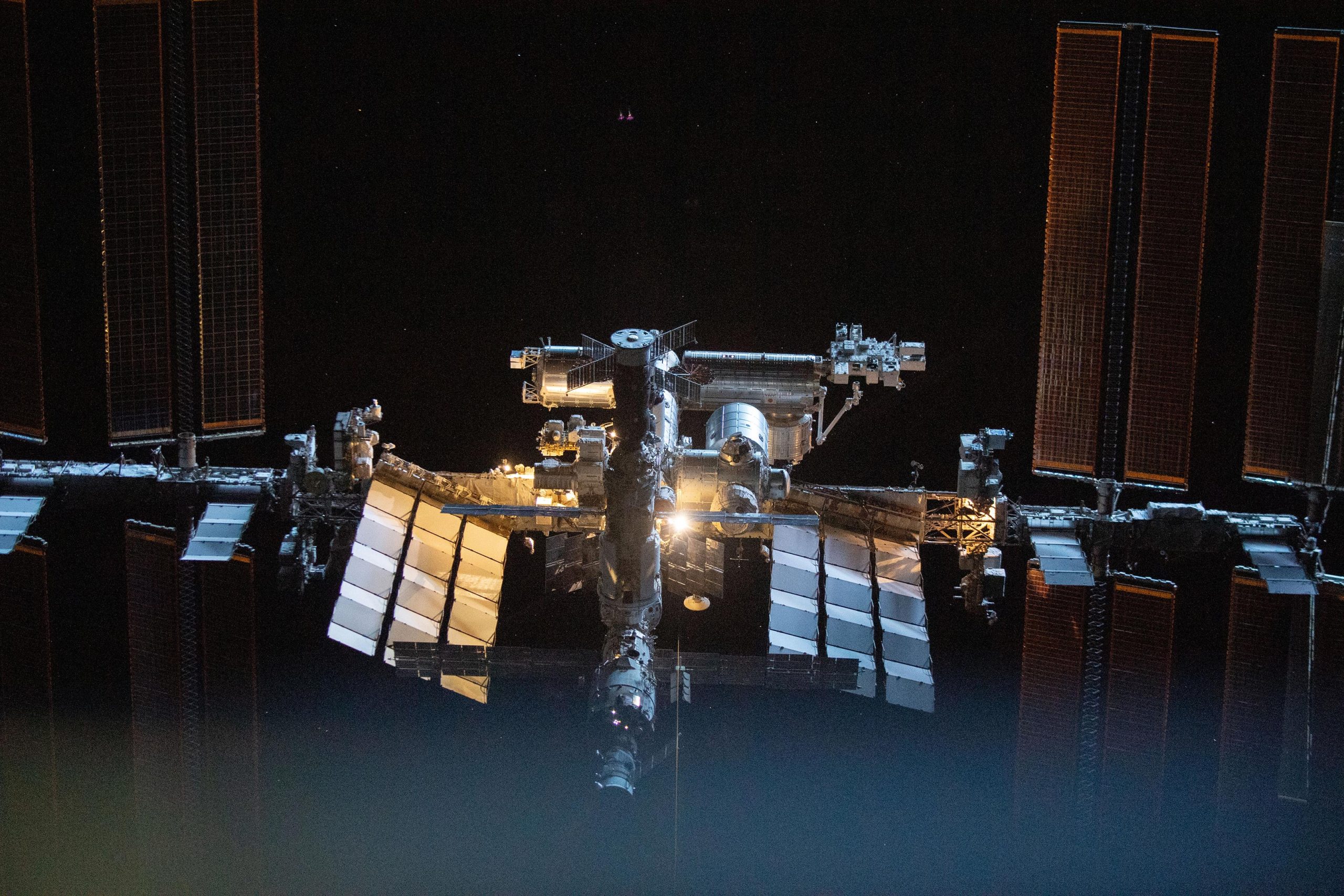
The newly installed equipment is the seventh of eight roll-out solar arrays planned to be deployed on the International Space Station. After the entire upgrade project is completed, these new generation solar arrays will significantly increase the power generation capacity of the space station and provide more sufficient and reliable energy support for daily operations, scientific experiments, and future decommissioning missions.
The International Space Station currently relies mainly on solar power. Its large solar wing is composed of thousands of solar cells, which can directly convert sunlight into electrical energy to power life support systems, communication equipment, temperature control systems, and various scientific experimental instruments. When the space station moves into the Earth's shadow area, it relies on energy stored in rechargeable batteries to maintain operation.
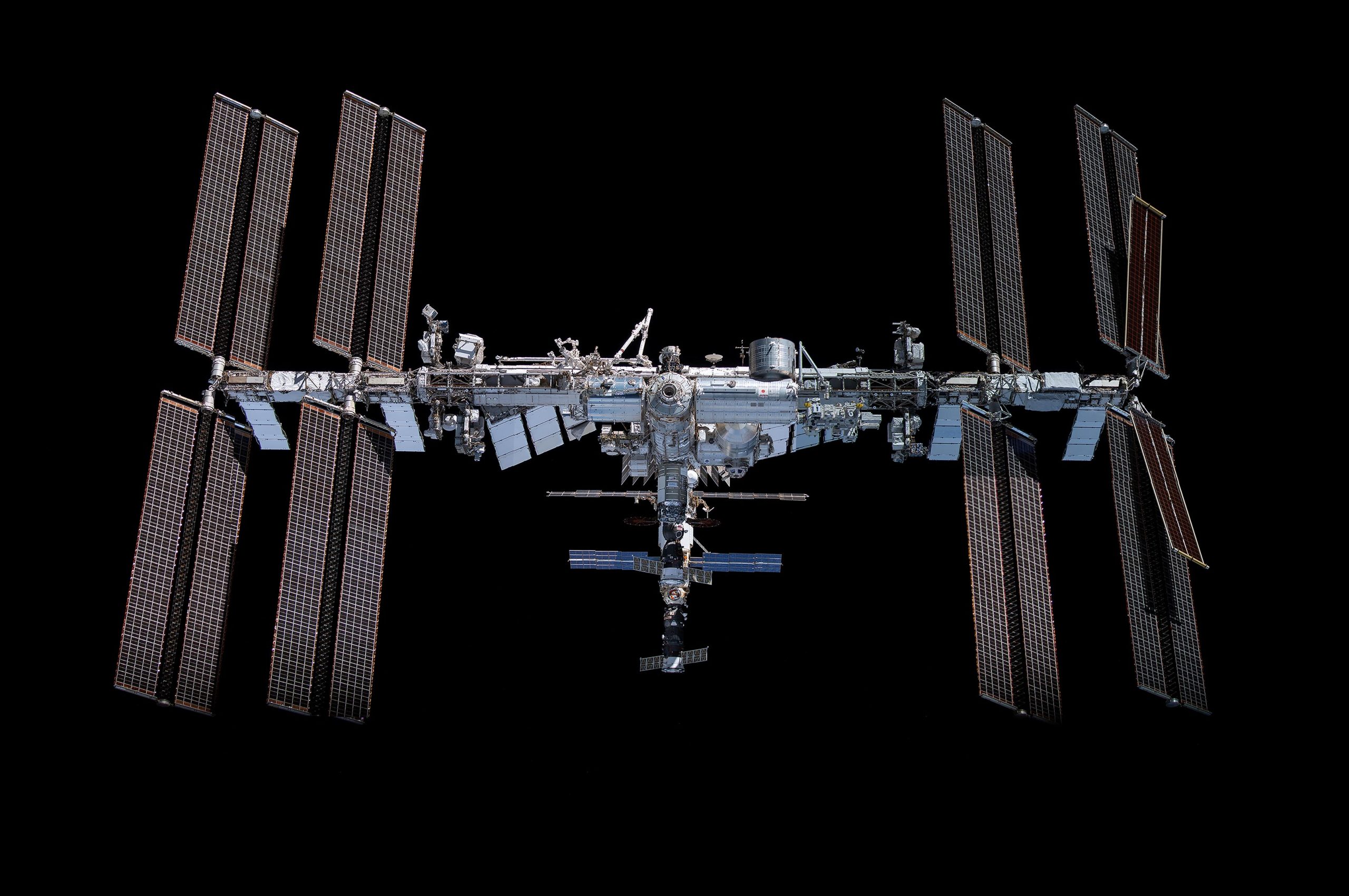
Compared with the solar wings originally installed on the space station, the new generation of roll-out solar arrays adopt a more advanced design. These arrays are stored in the form of reels when launched and slowly unfolded after arriving in orbit. They are not only more compact in size, but also more efficient in generating electricity. Since the original solar panels have been operating in the space environment for more than two decades and their performance has naturally declined, the upgrade plan is of great significance to extending the service capability of the space station.
NASA stated that after the installation of all eight roll-out solar arrays, the available power of the International Space Station will increase by up to about 30%, and the overall power generation capacity will increase from the current approximately 160 kilowatts to approximately 215 kilowatts. This will not only meet scientific research needs in the next few years, but will also provide energy support for subsequent safe and controllable orbit deorbiting missions.
During the mission, Menon took the Canadian robotic arm Canadaarm2 to the installation location and worked with Kutrick to complete the equipment fixing, wiring and deployment work. The new solar array was then successfully deployed to a complete state of approximately 18 meters in length, and was officially connected to the space station's power supply system. NASA's ground control team confirmed that the relevant equipment is operating in good condition and is expected to add approximately 8 kilowatts of additional power supply capacity to the entire space station.
After completing the main mission, the two astronauts also made some preparations in advance to pave the way for the next extravehicular activity. According to the plan, they will perform another spacewalk on November 5 to install the last roll-out solar array on the 3B power channel. By then, the multi-year power upgrade project of the International Space Station will be fully completed.
This mission is also the 285th spacewalk for the construction, maintenance and upgrade of the International Space Station. Among them, Menon completed his fourth extravehicular activity, while Kutrick completed his first career spacewalk, becoming another Canadian astronaut to perform a mission in the open environment of space in recent years.
As the last solar array is about to be installed, the International Space Station will receive the most important energy system upgrade since it was put into operation, laying the foundation for the scientific research activities and operational tasks of this space laboratory with the longest operating time in orbit for mankind in the next few years.
Comments