
Abstract:
In response to the complete absence of AMD processors from Microsoft's Surface personal computer product line in recent years, Microsoft's head of hardware business recently gave an official explanation, saying that this adjustment is mainly due to the limited size of the overall Surface product line, and the company must remain extremely cautious in the choice of chip architecture.
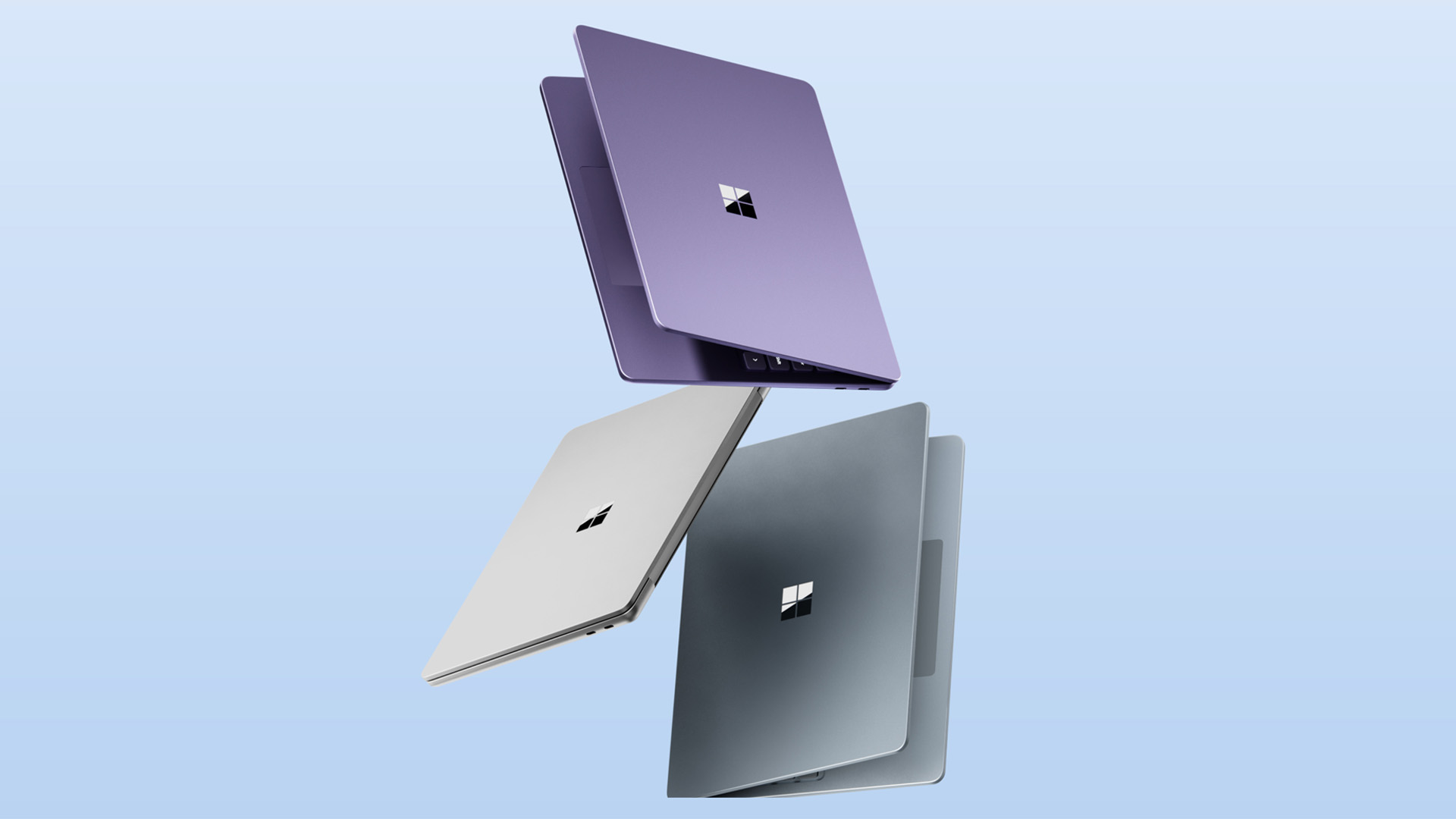
In an interview with technology media, Brett Ostrum, Microsoft’s corporate vice president in charge of Surface device business, clearly responded to outsiders’ questions about processor supplier strategies. Ostrum said that Microsoft still attaches great importance to its cooperative relationship with AMD, but the current hardware product portfolio of the Surface series is relatively limited, so the team must make very wise choices in terms of technology paths and specific planning.
The Surface devices currently on sale and about to be launched by Microsoft cover Intel architecture, Arm architecture chips based on Qualcomm Snapdragon (Snapdragon) series, and will even be expanded to NVIDIA-related hardware platforms. However, AMD chips have completely disappeared from the current main lineup of consumer and commercial grade devices. Looking back on the past, Microsoft has conducted in-depth cooperation with AMD on Surface Laptop 3 and Surface Laptop 4 models, not only launching versions equipped with Ryzen mobile processors, but also jointly creating customized "Surface Edition" chips.
However, as Microsoft fully develops the Windows on Arm ecosystem, its strategic focus is clearly tilted towards Qualcomm. The newly released Surface Pro and Surface Laptop series models are widely equipped with chips such as the Snapdragon X series and the new Snapdragon X2 Plus, focusing on ultra-long battery life and terminal-side AI computing power. At the same time, for the traditional enterprise market, Microsoft mainly retains models equipped with Intel processors. Regarding this either/or model between Intel and Qualcomm, industry analysts believe that with the overall number of Surface models tightening and R&D resources focused, it will be difficult for Microsoft to simultaneously adapt and maintain a third AMD x86 platform for the same mold.
Although Microsoft maintains a long-term core strategic cooperation with AMD in businesses such as Xbox game consoles, on representative Surface terminals such as thin and light notebooks and 2-in-1 tablets, due to product line capacity and positioning constraints, AMD hardware may still be difficult to return to the stage of Microsoft's self-developed PCs in the short term.
Comments