
Abstract:
Google filed a patent application last year called "My Channel," a system designed to generate a feed full of personalized AI videos and ads based on the user information the company holds. This patent has been rejected before, but Google may still appeal or resubmit a revised version, so this idea may still enter the market in the future.
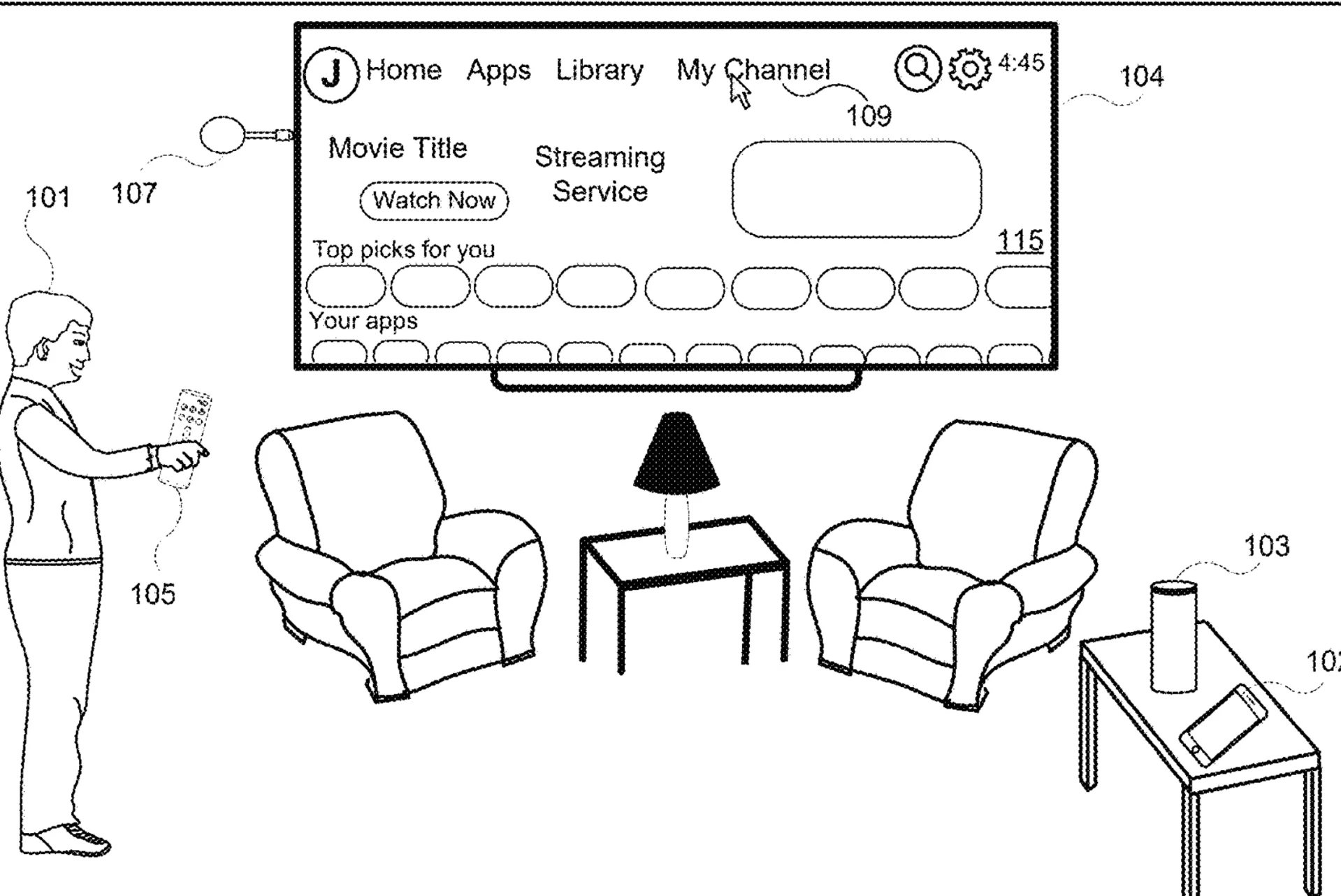
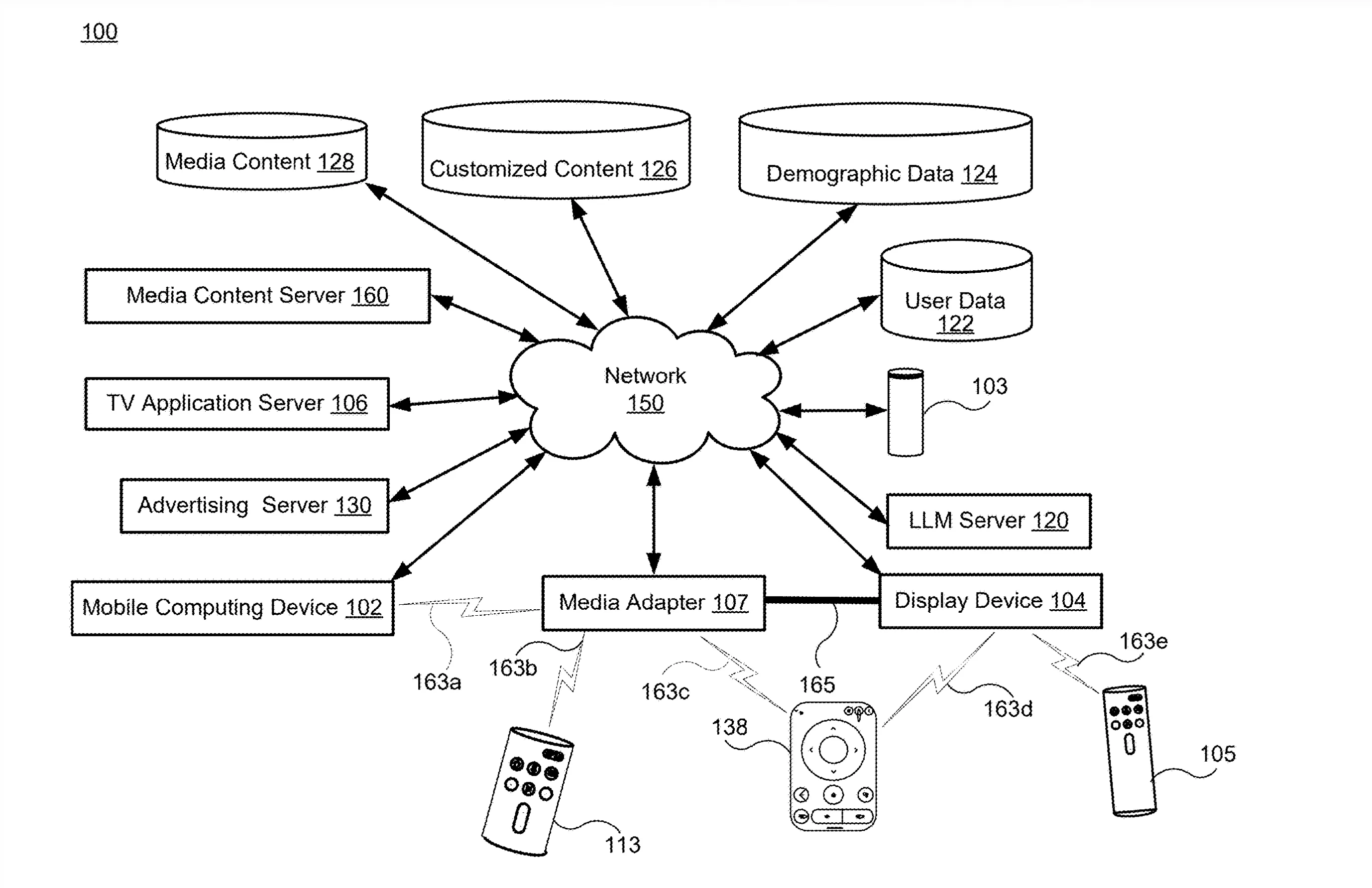
The patent was filed last May and made public last week, and was first discovered by Patentlyze. The patent description shows that "My Channel" will use the user's demographic data and viewing history to generate prompt words, and then input these prompt words into a large language model to create AI videos that match the user's specific interests. In addition to analyzing what types of videos users often watch, the system also collects contextual data on the device, such as IP address, GPS location, and user age. "My Channel" can also build prompt words based on current news such as sports scores and social media updates, and all video generation work is completed on Google's servers.
Based on patented content, "My Channel" can batch generate complete movies of various types. If a user frequently watches content related to Christopher Nolan's film "The Odyssey," the system may push works like Ash Kusha's "The Odyssey: The Fall." The patent also details how My Channel could connect to other streaming services, which would not only allow it to obtain more user information, but also potentially provide useful training data for video generation.
To the outside world, this seems to be just an AI imitation of professional artworks mass-produced in complex ways, but the most disturbing part of the patent is that "My Channel" can create a digital avatar of the user and make it the "protagonist or central character" in the generated content. These avatars are created using photos, videos, and audio clips of the person.
Technical implementation aside, the "entertainment" content generated by such systems is in fundamental conflict with the way people derive pleasure from art. People can certainly put themselves into fictional stories and understand the feelings of characters, but Google's proposal to provide users with a constant stream of content tailored to them does not encourage people to use their imagination to empathize or understand the characters. The patent gives the impression that Google thinks viewers will find it interesting enough just to see itself on the screen. The idea itself is pretty bleak, and My Channel sounds like a weird mashup of JibJab and Google's panoramic surveillance data capabilities.
Even more frustratingly, the service may make it easier for users to avoid new things outside of their comfort zones. If Google can reach suitable licensing agreements with other streaming services, My Channel users may be able to consume large quantities of works produced by AI reprocessing of existing content. This may keep some users on the service, which is the goal of every streaming platform, but it may also prevent them from accessing entertainment content that is not specifically catered to their established tastes.
When people refer to AI-generated videos as "swilling", they are referring to the inability of the generative models to produce works of art with true creative intent like human creators. Video generative models can mimic the visual elements of movies and series in their training data, but they can’t really think and feel like directors, writers, and actors. That’s why it’s so baffling that entertainment companies, streaming platforms, and studios insist that generative AI will fundamentally revolutionize the industry and make everything better. What’s more likely is that generative AI will continue to flood the internet with junk content that no one wants to see.
Comments