
Abstract:
Adobe recently announced a new round of video creation tool updates. Its core goal is not to simply improve the quality of AI generation, but to integrate artificial intelligence functions into the professional editing process more naturally. The company hopes to hide the original complex prompt word operation, model selection and parameter adjustment behind the scenes, allowing video editors to use generative AI like traditional editing tools.
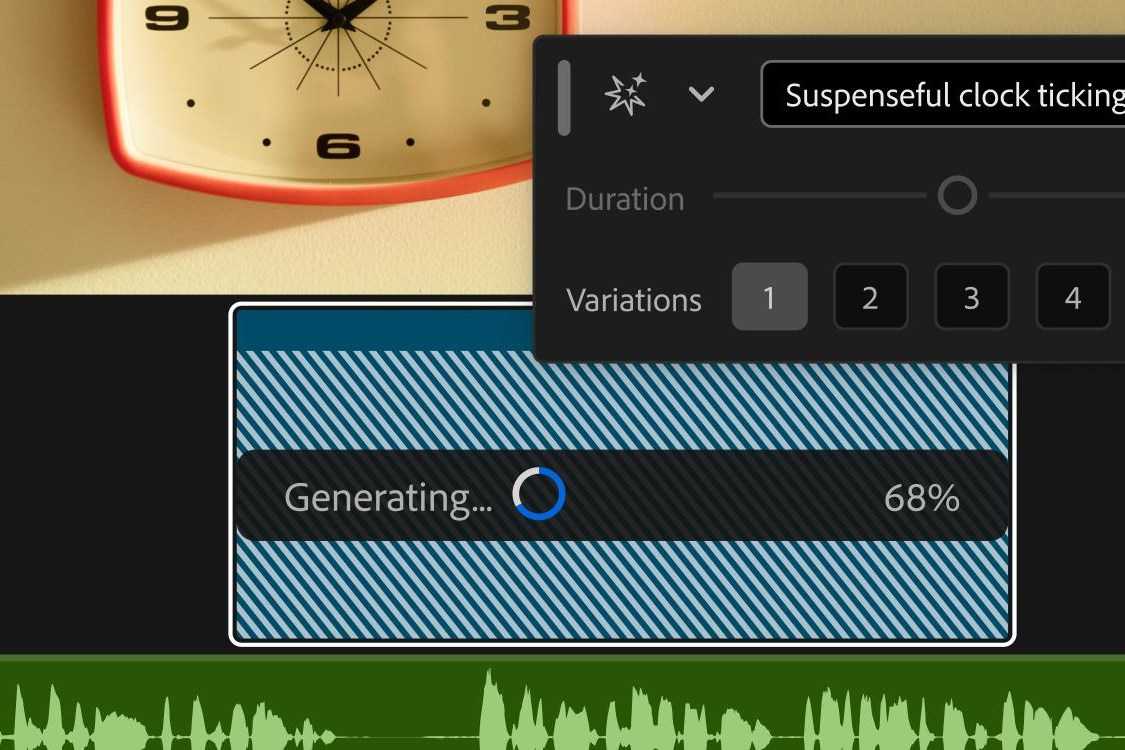
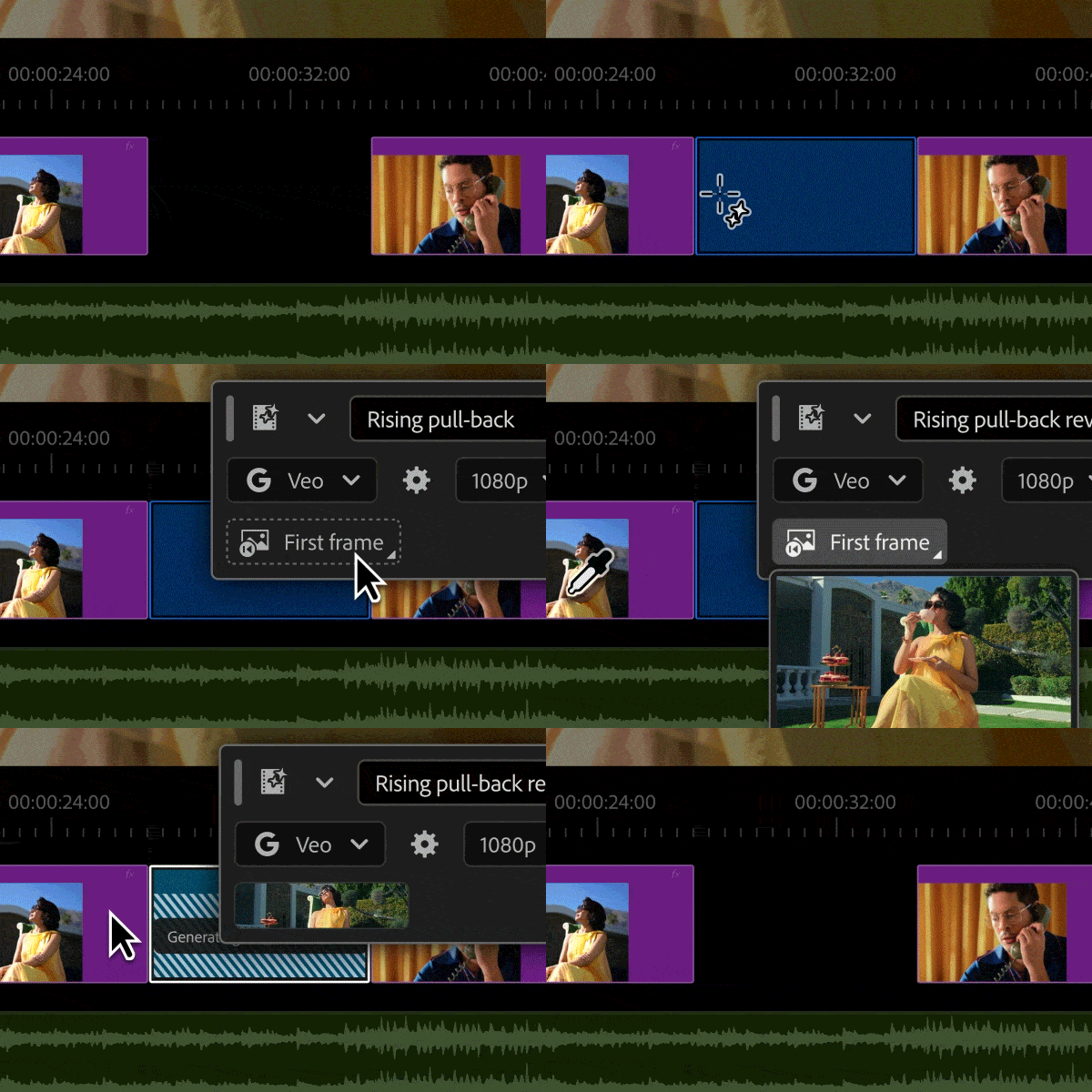
This update focuses on Premiere Pro. Adobe has directly added generative media tools to the timeline. Editors only need to select an area on the video or audio track to call AI to generate video, sound effects and other content without leaving the current editing environment or switching to a separate AI application.
The biggest feature of the new tool is its ability to automatically read project environment information. The system will identify the aspect ratio, project settings, and reference materials of the current timeline, and automatically match the most appropriate generation parameters. For creators, there is no need to repeatedly explain to AI whether the project is horizontal, vertical or other special ratios, nor does it need to manually input a lot of technical details.
In terms of video generation, Premiere Pro not only supports Adobe's own Firefly model, but can also call third-party models from Google Veo, Kling, Runway, and Luma. Users can choose different models to complete the generation task according to their needs, and the system integrates these complex choices into a unified interface as much as possible.
Adobe believes that what most professional creators really need is not to learn how to deal with various AI models, but to quickly complete shots, expand pictures, generate sound effects, or complete content filling in a familiar workflow. Therefore, the company is weakening the concept of "AI tools" and instead emphasizing the experience of "editing tools", making generative capabilities a common feature in the timeline.
In addition to Premiere Pro, After Effects has also received important upgrades. The new version of the software adds a natural language operation function. Users can describe their needs through ordinary language, such as reorganizing the project structure, writing expressions or performing complex operations, without having to master the corresponding script syntax and menu paths.
Industry analysts believe that Adobe is promoting a deeper transformation than simply adding an AI button. Unlike the previous competition in the industry, which mainly focused on model capabilities, Adobe is more focused on how to truly integrate artificial intelligence into professional creative processes. In the future, users may not frequently think about which AI model they are using, but focus on how to complete the work itself.
At the same time, Adobe is gradually building a creative environment that uses natural language as the entrance. Whether it is video generation in Premiere Pro or project management and automation in After Effects, software increasingly tends to allow creators to directly describe the goals, and the system is responsible for calling the corresponding tools and executing complex steps.
However, for professional creators, this change has also sparked some discussion. Some people worry that the convenience of generating content may lower the production threshold, while others question whether AI-generated shots can truly maintain continuity and artistic style consistent with the original material. But supporters believe that if the generated results always remain editable, then artificial intelligence is more like replacing repetitive labor rather than replacing the creators themselves.
Judging from the current development direction, Adobe clearly hopes to transform generative AI from a new skill that requires special learning to a natural part of the daily work of professional creators. Rather than letting users become word prompt experts, the company hopes to keep AI hidden behind the software, allowing editors to continue focusing on storytelling and content creation itself.
Comments