
Abstract:
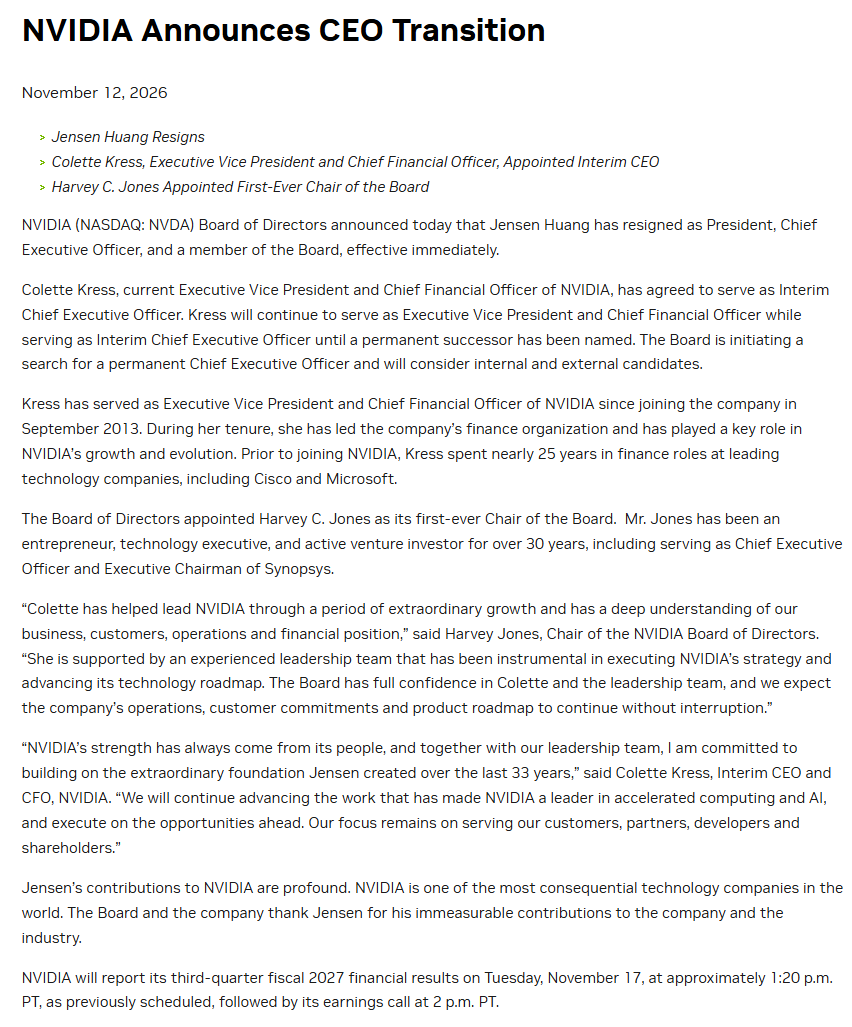
Lao Huang is down, Lao Huang is down (crying). Just last night, Nvidia made a cold announcement: co-founder Jensen Huang resigned from all positions as president, CEO and board member of the company.
Huang, who has been at the helm of Nvidia for 33 years, took less than 96 hours from publicly admitting his extramarital affair to hastily calling it quits.
In just 24 hours, at least 7 of Wall Street's top investment banks collectively lowered their ratings or target prices for Nvidia; Nvidia once plummeted more than 14% during the session.
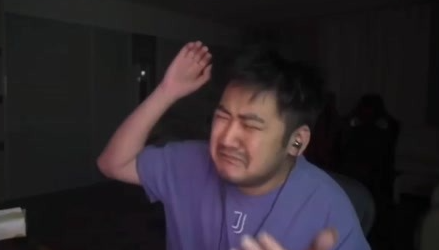
What is even more confusing than the evaporation of market value is that Lao Huang, who has always had boundless energy and control over everything, suffered a middle-aged man-like collapse at the last moment.
According to reports, the extremely exhausted Lao Huang was completely defeated.
At the last moment, he repeatedly muttered "I am a piece of sh", "Whatever" and "I don't care".
Let me briefly explain how Lao Huang got to this point.
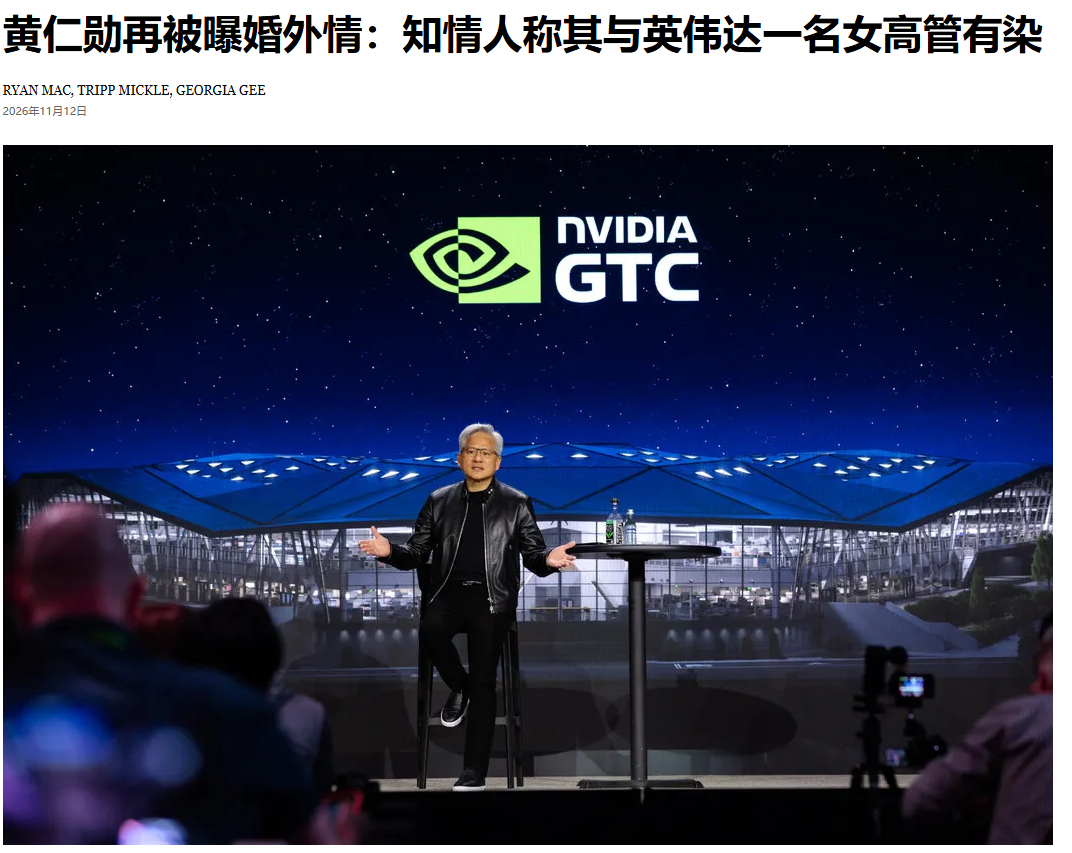
The first scandal that aroused public opinion was his extramarital affair with Alice Huang, a former executive of Singapore data center company Megaspeed.
This matter has actually entered the intelligence vision of senior US officials more than a year ago
, Trump received relevant intelligence reports last fall, and a secret memorandum even circulated within the US government this year.But until the day Huang resigned, the US Attorney General still publicly stated that there was no conclusion yet, and our Ministry of Foreign Affairs directly denied the relevant rumors.
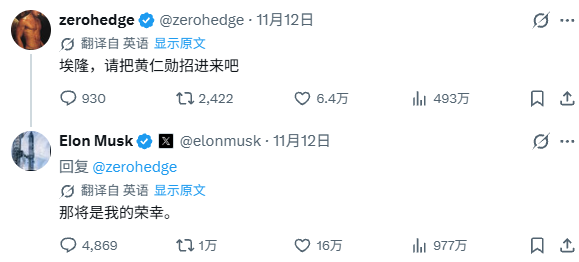
So at that time, Nvidia’s internal board of directors still supported Huang’s retention, and external Silicon Valley bosses such as Musk expressed support. Trump even personally called Huang to encourage him to “fight to the end for his position.”
But then, the New York Times suddenly revealed shocking news: five NVIDIA employees came forward to testify.
Huang had an extramarital affair with Kimberly Powell, his direct report and vice president of the healthcare business. Immediately afterwards, Reuters added another story, revealing that he also had an intimate relationship with another internal female employee of the company.
This
,
It’s done
The straw that broke the camel's back.
Corps may wonder, how come falling in love with a subordinate became a fatal blow?
This is actually quite understandable. Having an extramarital affair with a direct executive who is already married is really stepping on the red line of compliance for listed companies on the US stock market.
What’s even more embarrassing is that this boomerang is exactly the rule that Lao Huang personally established back then.
NVIDIA has an internal Code of Business Conduct, which clearly states:
If this matter is made public on social media or known to colleagues, can you explain yourself? If not, then never do it.
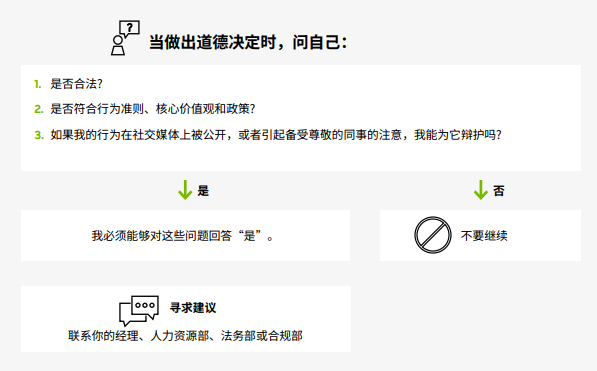
A Yale scholar once said that anyone in the company other than Lao Huang who committed this violation would be fired on the same day. As a result, Lao Huang himself did not survive the next day.
Seeing that shareholders have filed a securities fraud class action lawsuit, the media and scholars have come out to warn that according to the laws of Delaware, where the company is registered, if directors are found to have turned a blind eye to serial violations by senior executives, individual directors may be held liable for huge amounts of compensation.
On one side was Lao Huang who had concealed the information, and on the other was his net worth of hundreds of millions of dollars. Of course, the board of directors turned around overnight and accepted the resignation.
As a result, the most thorough and decisive separation of founders in the history of Silicon Valley happened. Today, Lao Huang has no relationship with Nvidia's management and can only be regarded as a "large retail investor."
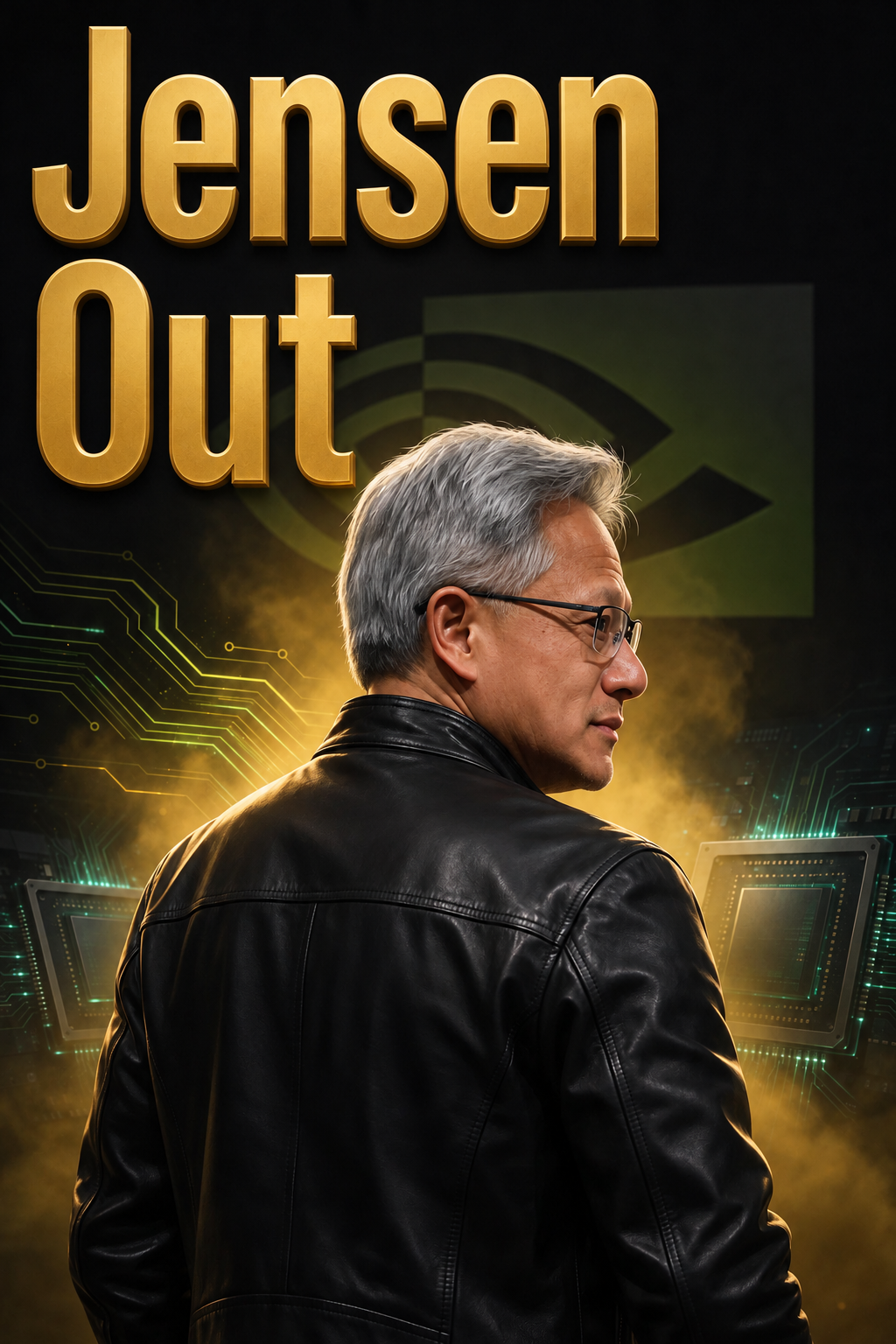
Compared with other Silicon Valley tycoons, you will understand how miserable Lao Huang is now.
When Bill Gates resigned as CEO of Microsoft, he still held the title of "chief software architect" and subsequent executive chairman in his hand, and listened to politics behind the curtain for many years. It wasn't until Gates completely withdrew from the board of directors in 2020 that he was in a similar situation to Lao Huang now.
Interestingly, before Gates left the board of directors, Microsoft was also investigating his past relationship with a female employee.
Looking at Larry Ellison, the famous scumbag in Silicon Valley, he has more fun than the old man.
I have been married six times in my life, and my most recent marriage was to a sweet wife who is more than 40 years younger than me. She has also been exposed to office romances, and even openly said that she likes to step on a few boats.
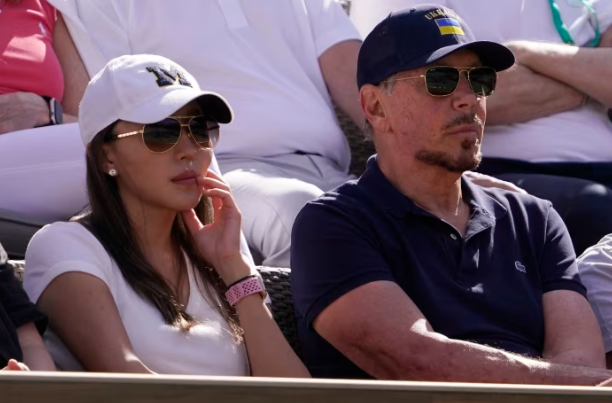
But Brother Ellison never worried that he would be fired or forced to resign.
On the one hand, it's because he is following the playboy route, and more importantly,
Ellison alone owns nearly 40% of the company's absolute controlling stake. Who can control him?
Look at Meta's Zuckerberg or Alphabet's Larry Page. They have super voting rights based on the AB share structure. No matter how small the shares are, they can hold the entire market, and nothing will happen to them at all.
Only Lao Huang suffered the loss of starting his business too early, and NVIDIA adopted the most rustic "one share, one vote" system
(Later, in large companies, founders generally adopted the AB share structure to ensure that the core founding team or management would still maintain absolute operational decision-making and control rights after the shares were diluted by capital.) What use could he use the more than 3% of the shares in his hand?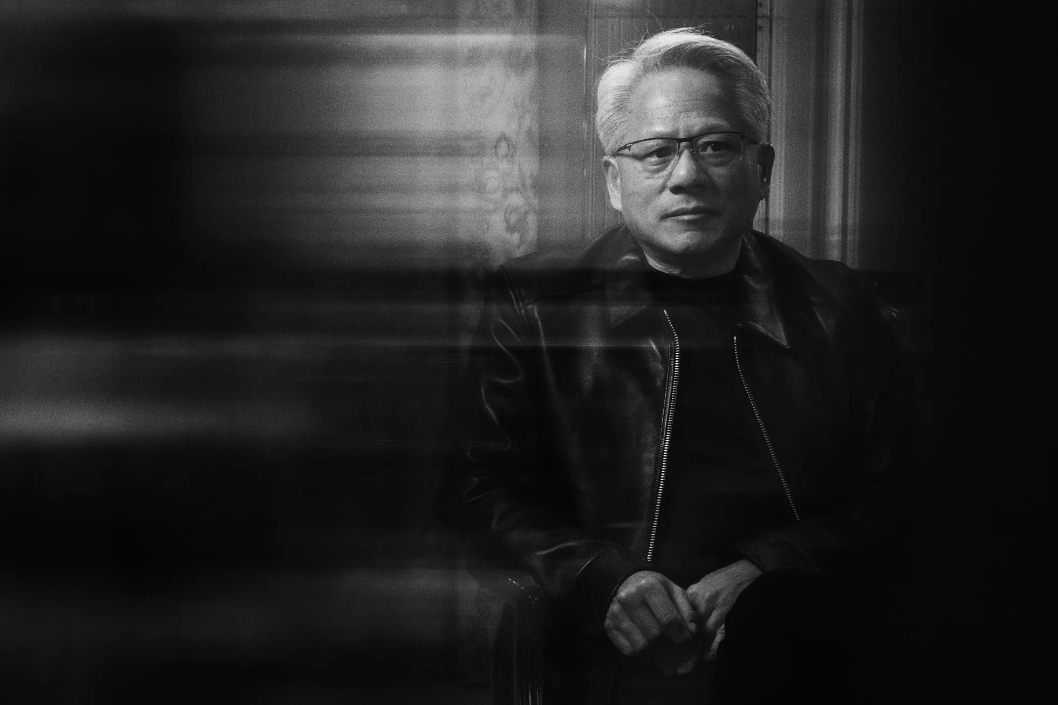
It stands to reason that it is not unusual for the technology industry to change CEOs due to style issues. Why is Wall Street so afraid of Lao Huang leaving?
Because Nvidia is so weird.
Although Lao Huang did not have much equity, before the accident, he had the ultimate centralization of power internally like an emperor.
Normally large companies such as Cook, Nadella, and Pichai only have about ten executives directly under their supervision.
However, Lao Huang has carried out a major expansion of Thunder.
He has no chief operating officer, no second in command, no succession plan, and has as many as 60 subordinates reporting directly to him.
He also invented the "T5T (Top 5 Things, the five most important things)" email system, requiring all employees, from grassroots programmers to vice presidents, to send regular email reports.
For another boss, this might be a bit like checking your summer homework when you were a kid. It's basically a formality, but Huang really knows how to read and reply, sometimes even in seconds.
Nvidia chief scientist Bill Daly once complained: "You send him an email at 2 a.m., and you will receive a reply at 2:05 a.m., and then send it again at 6 a.m., and he will reply again at 6:05 a.m."
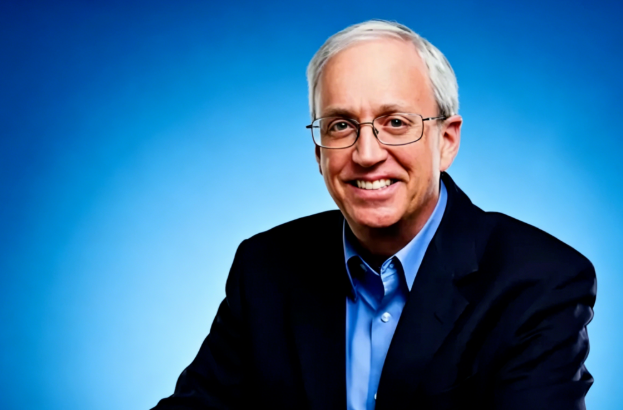
In the tailwind situation, this extremely flat "founder model" is a masterpiece that eliminates the disease of large companies, but what if something happens to the emperor suddenly?
No, something is really wrong with the emperor.
As a result, Nvidia panicked and broke the 33-year tradition of "no chairman" overnight, pushing veteran Harvey Jones to be the first chairman of the board of directors, and arrested CFO Colette Kress as interim CEO.
The company's legal top management includes people in charge of accounting, supply chain, legal affairs, and sales, but there is no one in charge of technology.
Update
The key is, can this group of butlers really be able to sustain Nvidia?
You must know that the chip industry is always gambling. Nvidia's current position relies on Lao Huang's big bets with his head in his belt over the past thirty years, and he will win every bet.
When Nvidia launched its first product, NV1, the return rate was as high as 90%, which was basically a death sentence.
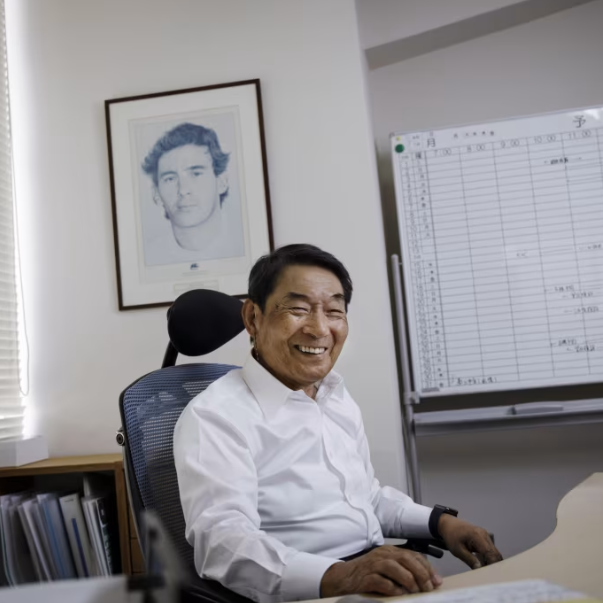
But I don’t know if the God of AI influenced the timeline. Faced with the chip that was clearly failing, Sega’s project leader Shoichiro Ikuoka was stunned to convince the company to turn the contract money into a US$5 million investment in Nvidia.
With this life-saving money, Lao Huang still didn't restrain himself, so he tried again, bought a chip emulator, and then chose to skip the physical prototype and go directly to tape-out NV3.
You know, there are 3.5 million transistors on NV3. As long as one is wrong, Nvidia can sing "Then say goodbye properly" on the spot.
I never thought that this time, Lao Huang would experience the joy of pushing and pushing
, NV3 sold 1 million copies within 4 months of its launch, forcing Nvidia out of hell.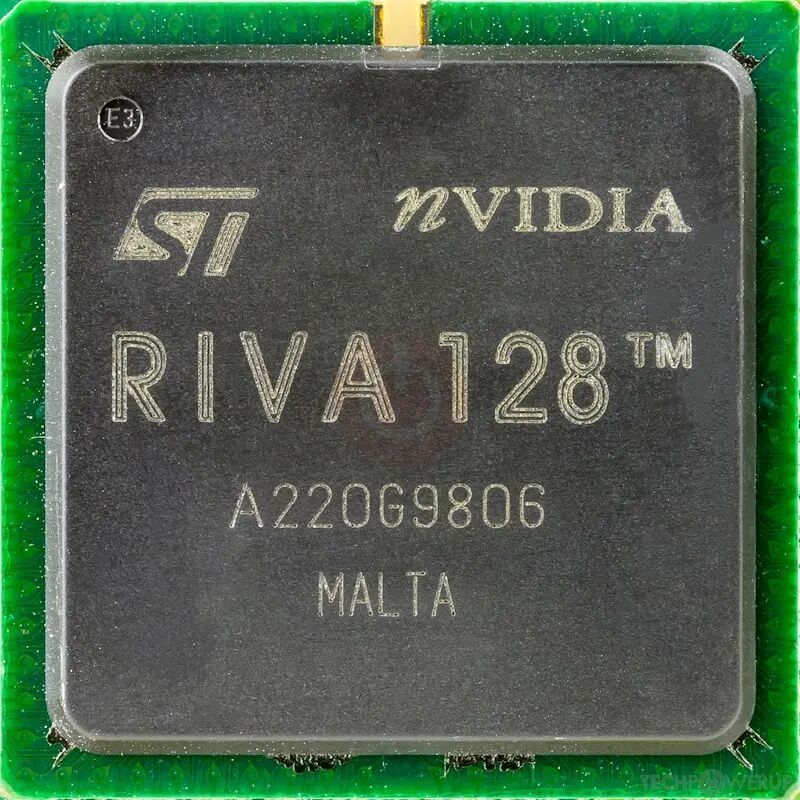
The current popular CUDA is similar. Back then, Huang forced the CUDA core into every game graphics card, resulting in the cost of his own chip being much higher than that of his archrival AMD. As a result, there were only 13,000 downloads in the first year.
Lao Huang still didn't believe in evil, so he kept burning for six or seven years, spending tens of billions of dollars every year. During this period, NVIDIA's market value plummeted by 80-90% twice.
He almost got himself fired, but Lao Huang still insisted on keeping CUDA.
As a result, he made the right bet again, and CUDA became the absolute hegemon in the world.
Later, after Hinton created AlexNet, Huang spent a weekend reading deep learning papers at the suggestion of an employee.
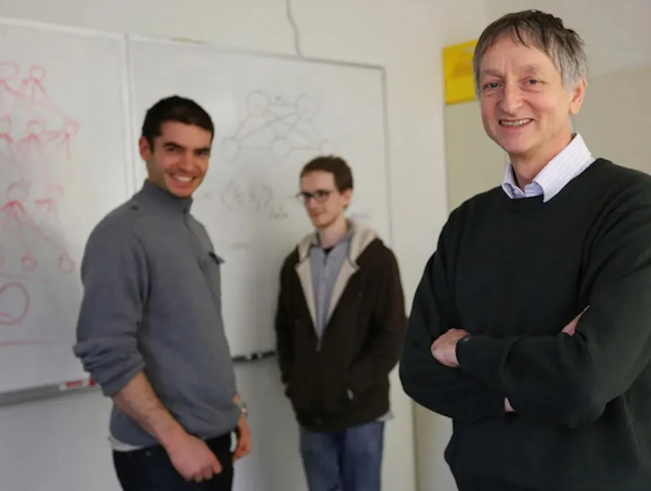
On Monday, I ran to the war room whiteboard and wrote "OIALO (a once-in-a-lifetime opportunity)" and directly ordered the full transformation of a top-tier graphics card factory into an AI chip company.
Everyone knows the subsequent story:
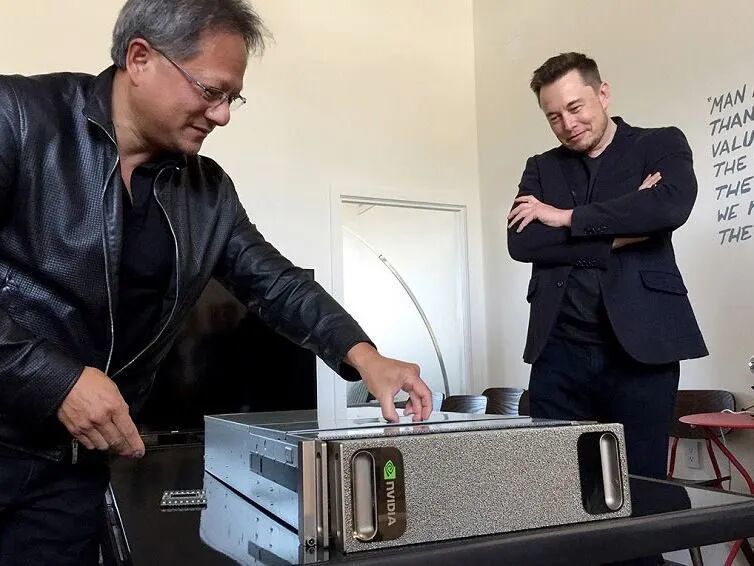
Lao Huang customized the world's first AI supercomputer DGX-1 for OpenAI, which was just established and no one understands it yet;
Spent $7 billion to steal Mellanox from Intel and connect the entire data center into a super chip.
Except for Nvidia, if you look at the history of semiconductors, you can see that everyone's life and death at the poker table is often a matter of one bet.
When AMD was on the verge of bankruptcy, Su Ma, who relied on her to put out the fire, cut off marginal businesses and invested in the Zen architecture and small chip technology that would take five years to survive. Finally, she gambled away a bright future from Intel;
At that time, the entire industry doubted that EUV lithography machines could not be commercialized. It was Asmail and TSMC that struggled for more than ten years despite huge losses, and finally became an existence that the whole world needed to rely on.
As a negative example, let’s take Intel. At its peak, it refused to OEM the first-generation iPhone because it disliked the thin profits. Is anyone still looking for them now?
On the graphics card route, Pat Gelsinger, then an Intel executive, bet on his own Larrabee architecture. In 2008, he wildly claimed that the graphics card industry would die in three or four years. As a result, where is Larrabee making a fortune now?
So, for more than 30 years, he has led everyone out of the dead pile time and time again.
The words "Huang Renxun" have become NVIDIA's absolute belief. Therefore, after Huang announced his resignation, NVIDIA's intranet retention post instantly flooded with thousands of comments.
In the eyes of the outside world, Lao Huang is the only arms dealer that both Ellison and Musk have to eat sushi with and humiliate him.
So,
Wall Street is not worried about Nvidia changing its leadership, but that Huang Renxun is gone.
Not to mention, the new driver Kress is exactly the conservative among Nvidia executives who has been putting the brakes on.
In August this year, Huang pushed for a $250 billion financial guarantee for OpenAI’s data center, but she cut it in half to $120 billion.
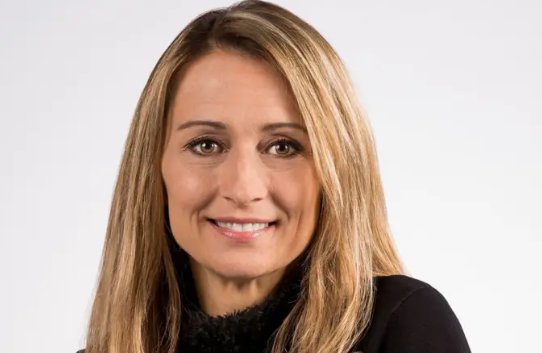
Lao Huang said on the spot that she was a "bookkeeper and accountant", like a "deer stunned in the headlights".
Now that the "deer in the headlights" is on the driver's seat, can Nvidia really still bet on the future as it did before?
What is more difficult to replace is Lao Huang's role as a "super paper maker".
Being born in Tainan, China, and raised in the United States, he not only understood the rules of Silicon Valley, but also was able to impress Zhang Zhongmou with his written letters. He simply single-handedly forcibly assembled Silicon Valley design, Israeli networks, East Asian OEMs and global markets.
When Zhang Zhongmou lamented that "semiconductors are no longer globalized," only Lao Huang was still doing his best to be the paper maker.
And under the wave of anti-globalization, if we want to continue to cover up this leaky situation, business skills alone are no longer enough.
According to Stephen Witt, author of "Nvidia Core", Huang has rarely publicly expressed his political stance in the past few decades, and his wife has not made any political donations.
However, after Trump entered the palace for the second time, Huang uncharacteristically cooperated with Trump in playing politics, business and family affairs.
Paying a million dollars to attend a banquet at Mar-a-Lago, donating to build a White House banquet hall, and making a high-profile commitment to produce $500 billion in AI infrastructure in the United States...
Perhaps under the wave of anti-globalization, this headwind situation is really difficult to fight.
It is a pity that Silicon Valley has lost the last leader of a chip giant who advocated for globalization. A golden age of global computing power may have ended in such a ridiculous way.
At the end of writing, I couldn't help but think of the old movie "The Family Man".
Perhaps in another parallel time and space, Huang completely lost his bet in 1996 when 90% of the NV1 was returned, and Nvidia closed down early next to the Denny's restaurant in San Jose with bullet holes in its windows.
Without a four-trillion-dollar computing power empire and an “AI godfather” in the world, naturally there would be no Alice Huang in a Taipei bar, let alone the million-dollar dinner at Mar-a-Lago and the summons on Capitol Hill.
In that time and space, 63-year-old Jason Huang might have been just an ordinary computer salesman in suburban Oregon.
He lives in an old house in the suburbs and drives a dilapidated station wagon. His family is not rich but not financially strapped. He does 100 push-ups every day before going to bed. On weekends, he clumsily practices throwing grilled shrimp into a hat in front of the barbecue grill in the backyard. He sits around the dining table with his white-haired first love, Lori, and his son and daughter, chatting about the town's ball games and drinking a glass of whiskey.
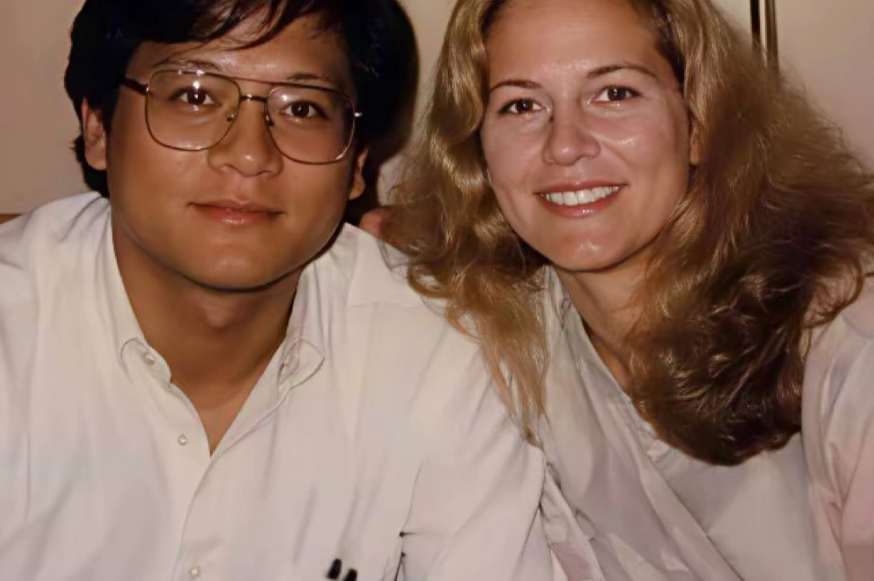
There, he didn’t have to curse himself as a scumbag in the middle of the night at the age of 63, let alone send an all-staff letter that would make the whole world laugh.
I just don’t know, when he signed his resignation letter late at night and said the words “I don’t care anymore”, would Huang feel that this was the life he wanted?
Comments