
Abstract:
Intel is shifting some manufacturing capacity away from consumer chips to meet demand for its Xeon server processors. During the third quarter 2026 earnings call, the company stated that it would convert some of the Intel 18A resources in the Oregon factory to the Intel 3 process, which is the process node used by Xeon 6 "Granite Rapids".
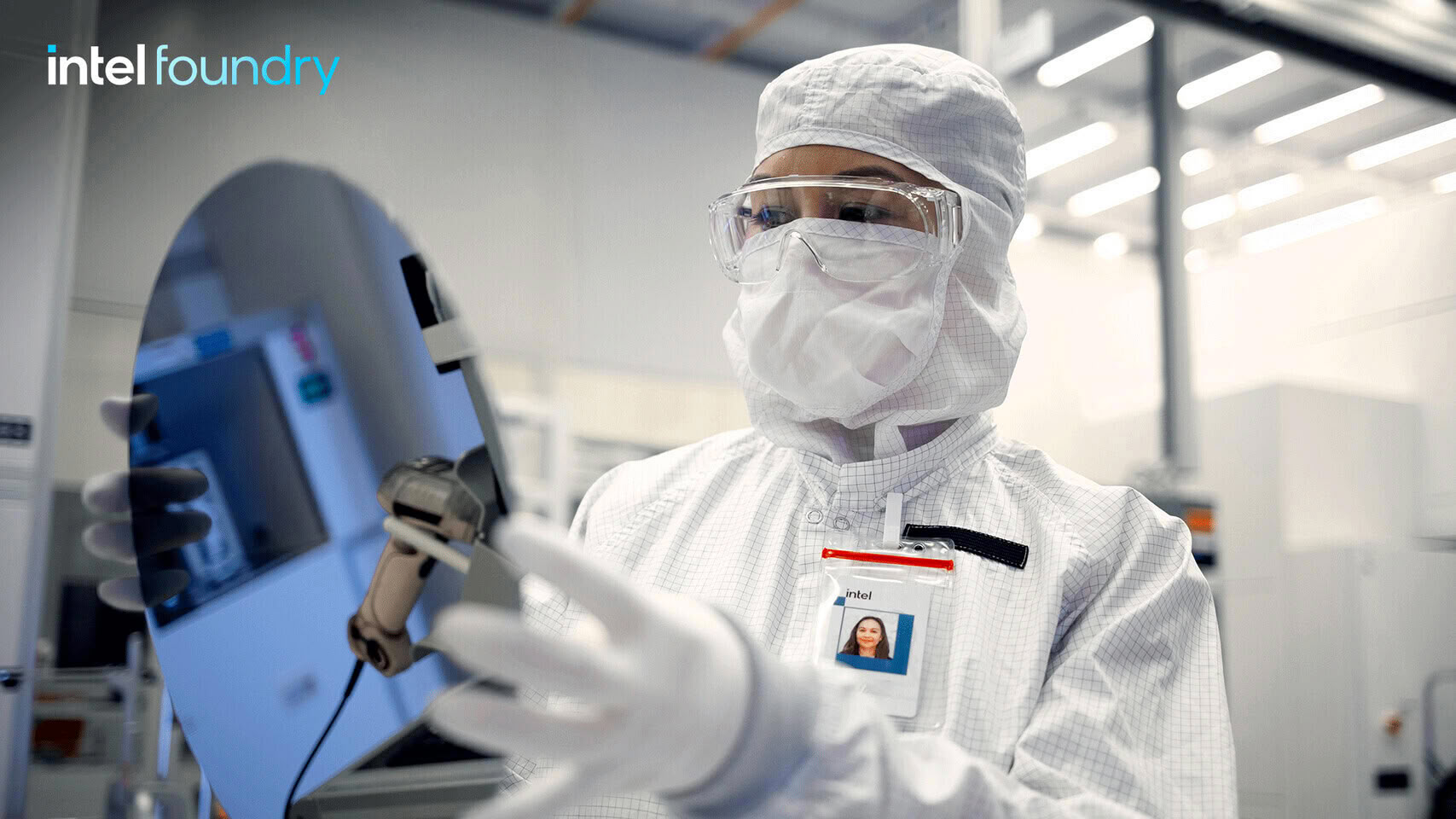
Chief Financial Officer Dave Zinsner said that the 18A wafers being adjusted "are generally used to produce Panther Lake products." He pointed out that weakening PC demand has given Intel room to make this adjustment, and the company expects the slowdown in the PC market to continue at least until the first half of next year.
Chief Executive Officer Lip-Bu Tan said that the new Intel 3 production capacity is expected to be put into mass production in the second half of 2027. He said at the meeting: "The industry as a whole is still dealing with one of the most severe supply shortages in history, driven by unprecedented demand from 'super intelligence'. Against this background, I am pleased with the progress made in server supply growth in the third quarter. But I am also aware that we still face continued challenges in keeping up with server demand in the coming quarters."
Wafers are not the only bottleneck. Zinsner said Intel is "also constrained on the substrate side," and a large portion of its planned 40% substrate capacity expansion does not appear to be in place until the second half of 2027.
Intel certainly hasn't given up on the client business. Chen Liwu said that the progress of Nova Lake using Intel 18A-P process is ahead of the original plan. It's unclear how much of an impact the Oregon capacity switch will have on Panther Lake supply, but Intel said it has sold out of its Wildcat Lake chips.
Comments