
Abstract:
Although Qualcomm’s latest flagship mobile platform, Snapdragon 8 Elite Extreme Gen 6, is the first to adopt TSMC’s 2nm process, the new process does not completely solve the chip’s heating problem in high-load scenarios. The latest news shows that Samsung found obvious performance attenuation in the processor during internal testing, and has fed back the relevant results to Qualcomm, requiring improvement measures to be taken as soon as possible.
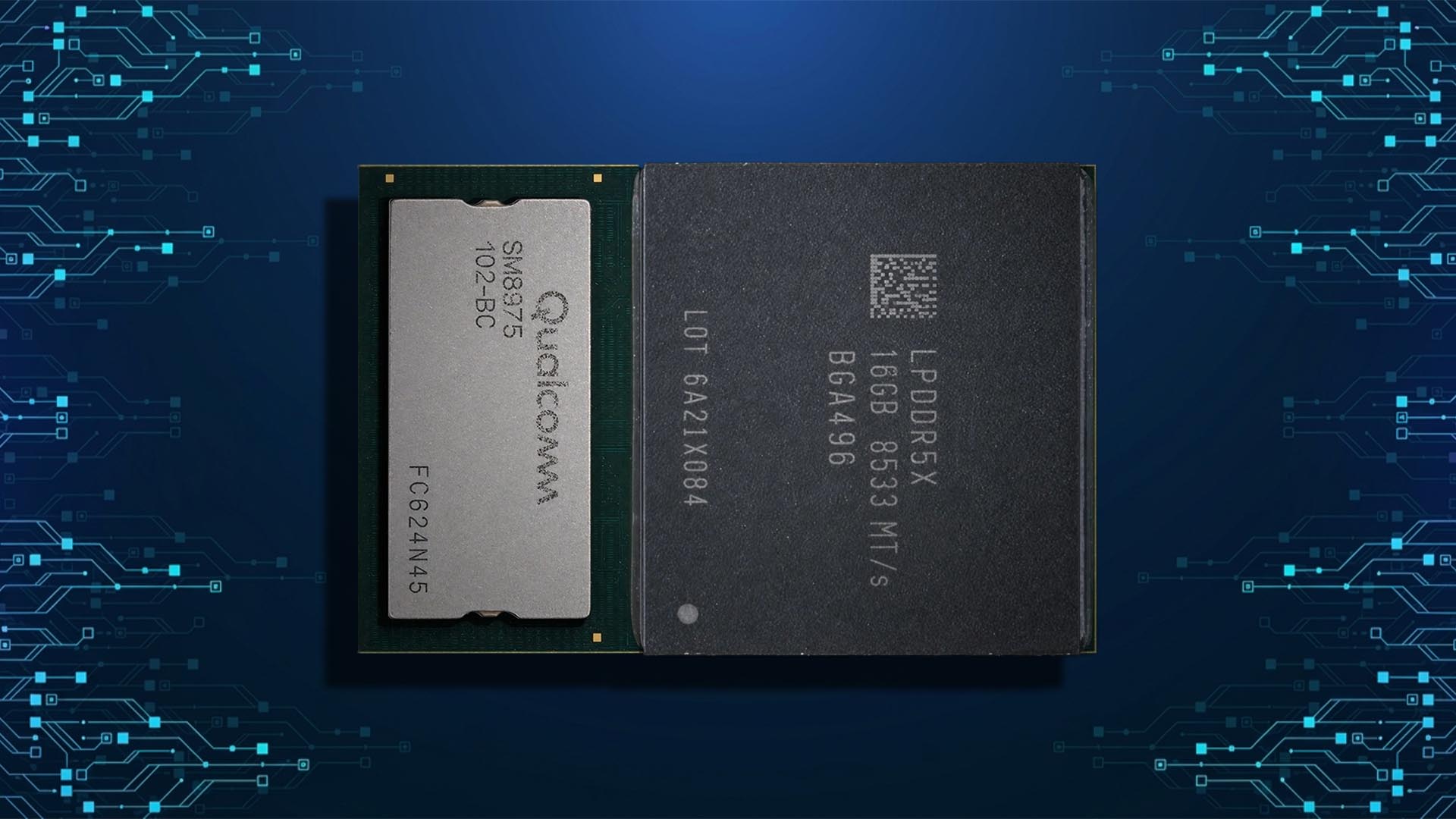
According to reports, Qualcomm has introduced a new "Offset PoP" packaging technology for Snapdragon 8 Elite Extreme Gen 6, hoping to improve heat dissipation and enhance sustained performance. However, in internal verification tests conducted by Samsung, this chip will still experience frequency reduction after the temperature rises when running high-load tasks for a long time, resulting in a decrease in operating frequency and thus affecting sustained performance output.
At present, it is not possible for the outside world to accurately assess the severity of the problem, because relevant reports have not disclosed specific data from Samsung’s internal testing, nor have they disclosed detailed information such as frequency reduction, temperature changes, or performance loss ratio. Therefore, these claims cannot be verified with independent data at this time.
At the same time, some people in the industry believe that the relevant news may also be related to Samsung’s own chip business. Since Samsung is advancing the Exynos 2700 processor based on an improved version of the 2nm SF2P process, reports on the heat dissipation issues of the Snapdragon platform will objectively increase the outside world's attention to the next generation Exynos chip.
In fact, South Korean media have been optimistic about the development prospects of Samsung's self-developed chips many times in the past. For example, the Exynos 2600 received a lot of positive reviews before its official launch, but in the end its actual performance still failed to fully surpass the Snapdragon flagship products of the same period. Therefore, the industry is generally cautious about the content of this revelation.
On the other hand, Qualcomm has adhered to an aggressive performance strategy in recent years. The company not only actively adopts the most advanced manufacturing processes, but also continues to compete for the top position in single-core and multi-core performance rankings by increasing CPU frequencies. The peak frequency of Snapdragon 8 Elite Extreme Gen 6 even exceeded the 5GHz mark for the first time.
However, higher frequency often means higher power consumption and heat generation. Although this design can achieve excellent results in benchmark tests such as Geekbench, it also makes the chip face greater heat dissipation challenges in a sustained load environment. Therefore, performance gains often come at a cost in terms of power consumption and temperature.
It is worth noting that in a test just a few weeks ago, the Snapdragon 8 Elite Extreme Gen 6 in the Offset PoP package was considered to have significantly improved sustained performance. Tests show that it takes more than 15 minutes for the chip to reach the 105 degrees Celsius temperature threshold, while the previous generation product in a traditional PoP package reached the same temperature in about 6 minutes and 30 seconds. This shows that the new packaging solution has indeed improved thermal management capabilities, but it does not seem to have completely solved the heat dissipation problem under continuous load.
As one of the potential platforms for Samsung’s next-generation flagship Galaxy S27 series, the subsequent performance of Snapdragon 8 Elite Extreme Gen 6 will receive widespread attention. If Qualcomm can solve related problems through firmware or design optimization in the next few weeks, the chip is still expected to maintain flagship competitiveness; but if heating and frequency reduction persist, Samsung also has room to use its own Exynos 2700 solution as an alternative.
With the official arrival of the 2-nanometer era, mobile phone processor performance competition is entering a new stage, and how to strike a balance between extreme performance and power consumption control may become a common challenge faced by Qualcomm, Samsung and the entire mobile chip industry.
Comments