
Abstract:
Not long after Qualcomm released Snapdragon 8 Elite Gen 6 and Snapdragon 8 Elite Extreme Gen 6, rumors about the next generation flagship mobile platform have begun to emerge. The latest news shows that Qualcomm is developing a new flagship SoC code-named "Honu", which is expected to continue to use TSMC's 2-nanometer N2P process and further increase the CPU frequency to the 5.3GHz to 5.4GHz range.
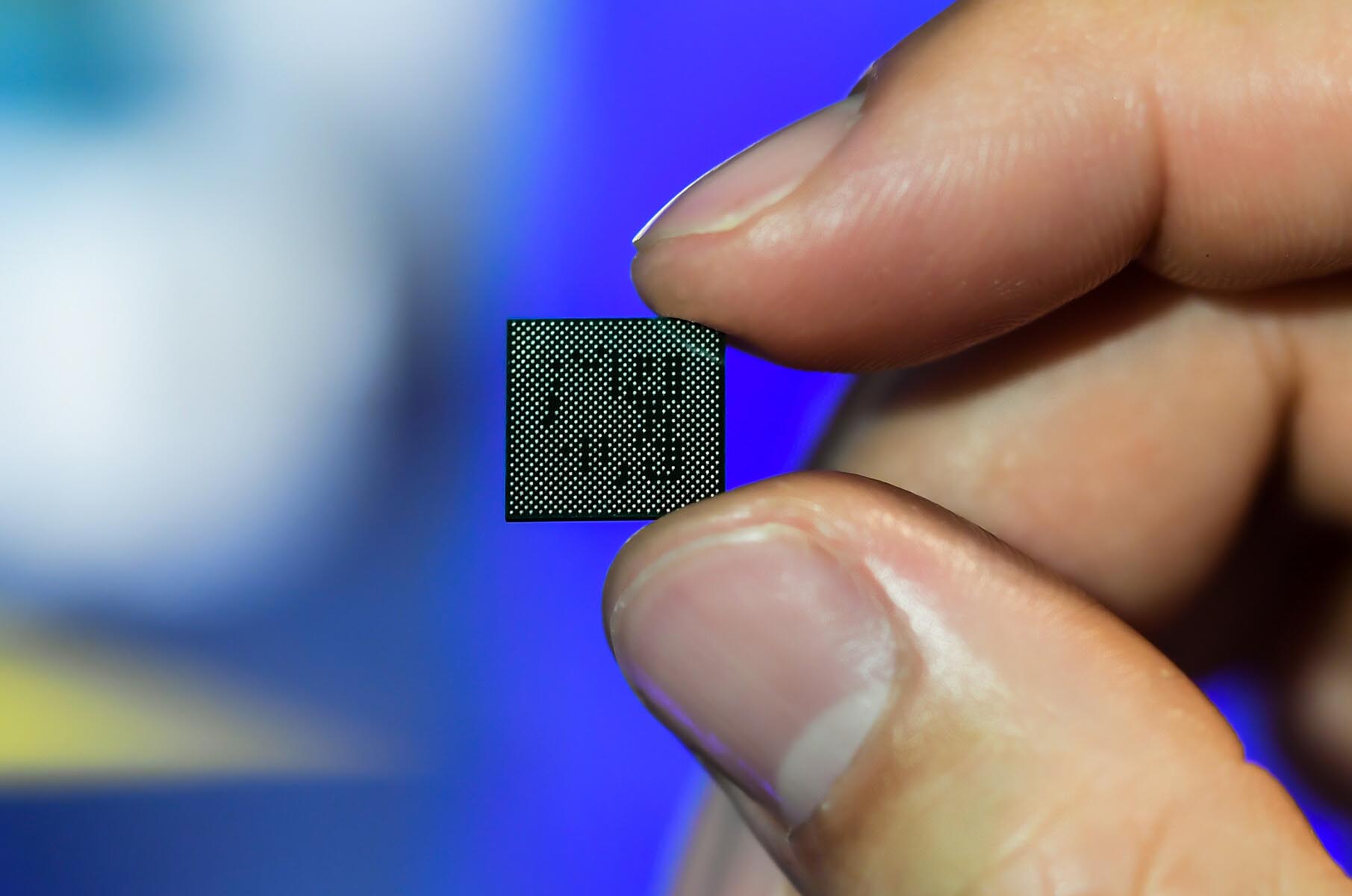
According to the leaked information, this chip may be named Snapdragon 8 Elite Extreme Gen 7, and the internal model is SM8A75. Compared with existing flagship platforms that have exceeded the 5GHz mark, new products will continue to challenge the upper limit of mobile processor frequencies, hoping to further enhance single-core performance through higher clock speeds.
However, although the frequency increase is noteworthy, the performance increase may not be as significant as expected.
Sources revealed that the performance improvement of this next-generation flagship chip in the Geekbench 6 test is not expected to exceed 10%. This means that even if the CPU frequency is increased to about 5.4GHz, the performance improvement at the overall architecture level is relatively limited and cannot bring about a significant leap across generations.
For Qualcomm partners, this speed of improvement may not create a particularly strong appeal for replacement. In recent years, the performance of smartphone processors has reached an extremely high level, and the space for purely relying on frequency increase in exchange for performance improvement is gradually shrinking.
However, from an energy efficiency perspective, there are still positive developments in new products.
Revelation shows that in a single-core load scenario, the power consumption of the next-generation Snapdragon flagship is expected to be basically the same as that of the existing Snapdragon 8 Elite Extreme Gen 6. In other words, Qualcomm hopes to obtain higher frequencies and stronger performance while maintaining similar energy consumption, rather than increasing power consumption in exchange for increased computing power.
As of now, there is no specific information about the multi-core performance of the new platform, so it is impossible to judge what level its overall computing power will reach.
At the same time, Qualcomm does not expect major changes in process technology.
News shows that the company plans to continue to use TSMC’s 2nm N2P node instead of switching to a newer generation process in advance. Industry insiders believe that this strategy helps control development risks and manufacturing costs.
As TSMC gradually transitions to the 1.4nm A14 process in the future, its 2nm production line is expected to usher in a more mature mass production stage. By then, there is room for further reductions in wafer manufacturing costs, which may help Qualcomm control the pricing of its next-generation flagship chips.
Analysts pointed out that if the performance improvement is indeed less than 10%, Qualcomm may adopt a relatively moderate price strategy in the future. Rather than significantly increasing selling prices, the company is more likely to maintain pricing levels close to existing products to promote adoption by end manufacturers and expand market coverage.
In addition, Qualcomm’s recently introduced Offset PoP offset packaging technology on Snapdragon 8 Elite Extreme Gen 6 has also created conditions for increasing chip frequency. The design optimizes the processor and memory layout, which helps improve heat dissipation performance and enables the mobile platform to withstand higher operating frequencies.
However, it is generally believed in the industry that this technology also has physical limits. As frequencies continue to climb, heat dissipation, power consumption, and long-term stability issues will become more and more prominent, and these challenges are likely to be more obvious in next-generation products.
Currently, information about this new flagship processor is still in the early rumor stage, and Qualcomm has not released any official data. However, judging from the existing revelations, the focus of the company's next-generation flagship platform seems to be no longer the pursuit of amazing performance jumps, but to further increase the frequency while maintaining stable power consumption, and achieve a more balanced overall performance through the mature 2nm process.
If the relevant news is finally confirmed, the competition for flagship smartphone chips in 2027 will be more centered around frequency optimization, energy efficiency improvement and cost control, rather than the leap-forward performance revolution of the past.
Comments