
Abstract:
Qualcomm’s latest flagship mobile processor, Snapdragon 8 Elite Extreme Gen 6, is solving the long-standing heat dissipation problem faced by high-performance chips through a new packaging design. The latest test results show that thanks to the "Offset PoP" technology, this processor can extend the time to reach the upper temperature limit to more than twice that of the previous generation product when running under continuous high load, thus significantly improving sustained performance.
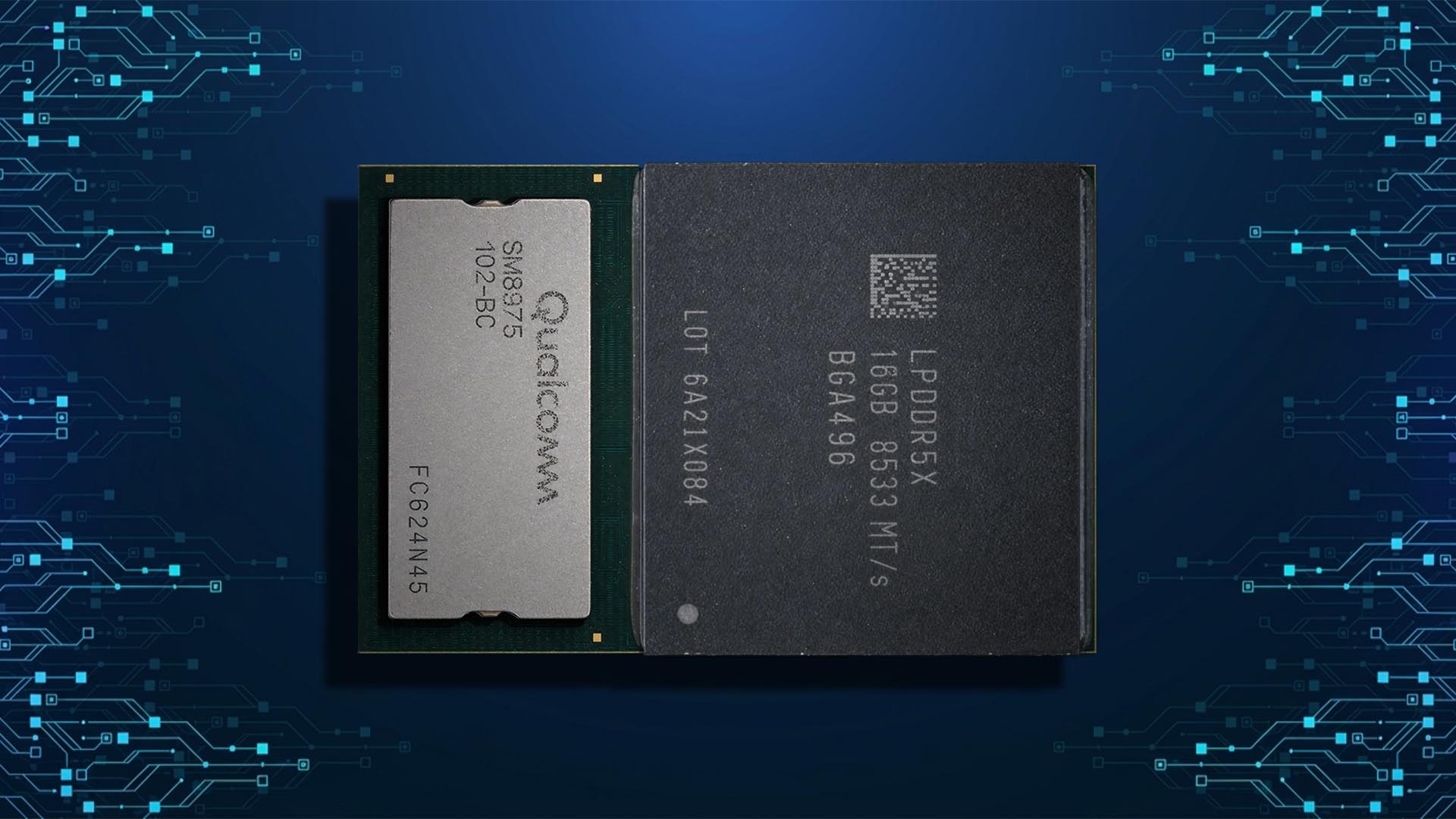
For a long time, smartphone flagship chips have generally adopted the PoP (Package-on-Package) packaging solution, in which LPDDR memory is stacked directly on top of the processor. This design can save space, but it also brings an obvious problem: after the memory is located on the top of the chip, it will hinder the conduction of heat outward, thereby increasing the difficulty of heat dissipation.
On Snapdragon 8 Elite Extreme Gen 6, Qualcomm has adjusted this traditional design.
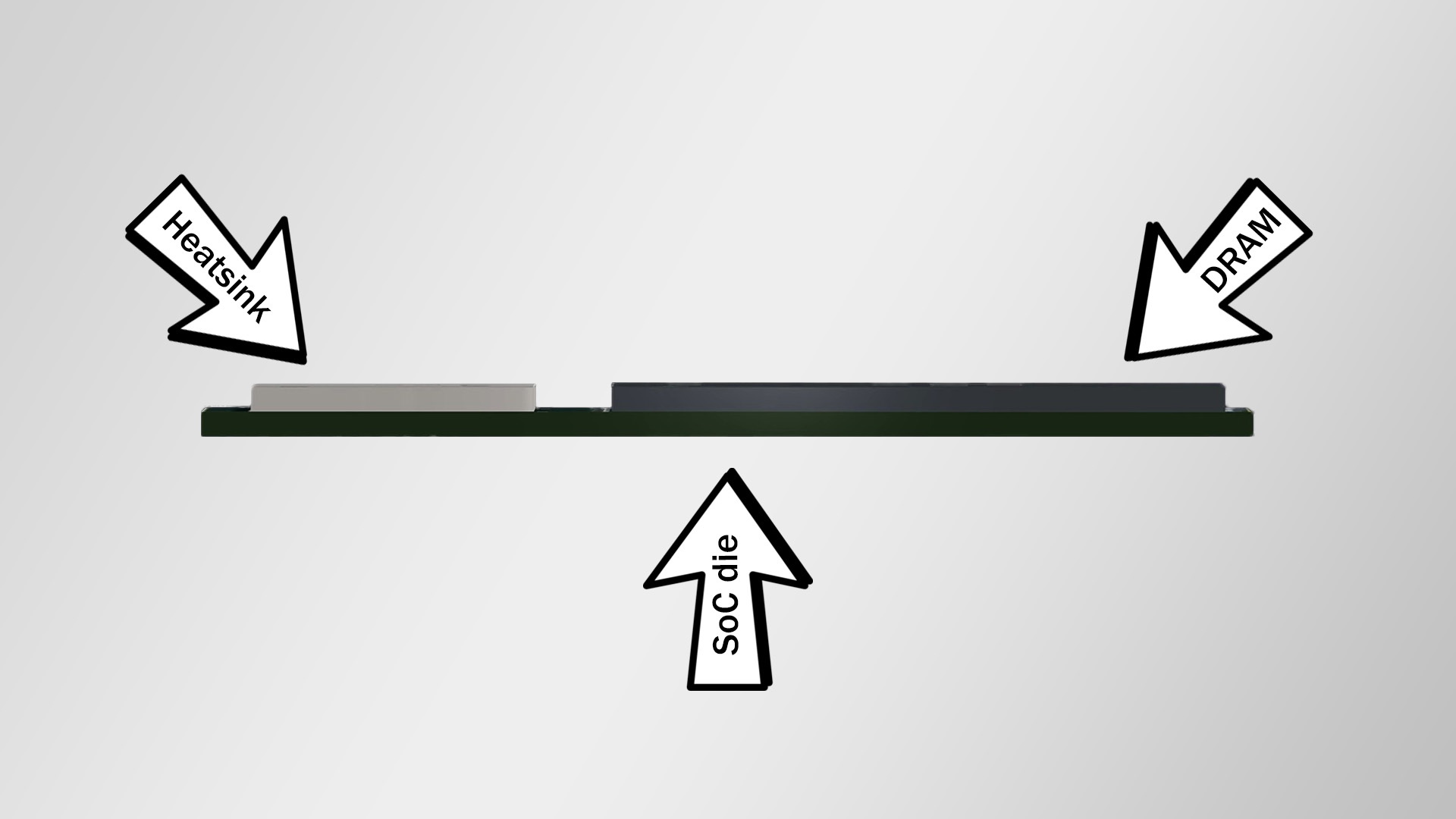
According to the structural diagram shown by hardware evaluation agency and technology blogger Geekerwan, the new processor still retains the idea of tightly integrating the processor and memory, but it no longer completely covers the memory directly above the core silicon chip. Instead, the DRAM position is shifted to the side, and a special heat dissipation structure is added to key areas of the chip. This layout provides a more direct path for heat release.
Industry insiders pointed out that this solution has a similar idea to the Heat Pass Block cooling design recently adopted by Samsung on the Exynos 2600. The purpose is to improve the heat transfer efficiency and reduce the frequency of the chip due to excessive temperature.
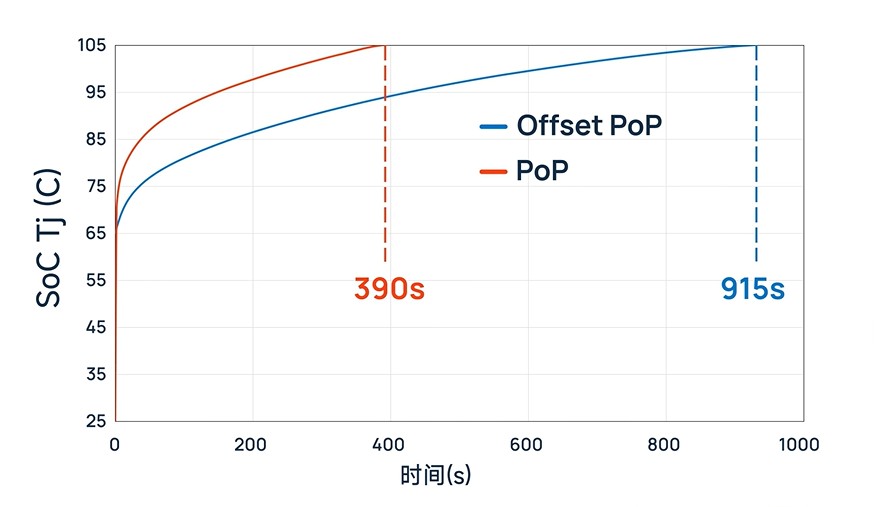
Actual test results show that the improvements brought by the new package are quite obvious. In a high-load continuous operation environment, the Snapdragon 8 Elite Extreme Gen 6 equipped with Offset PoP package took 915 seconds to reach the temperature threshold of 105 degrees Celsius, which is equivalent to 15 minutes and 15 seconds. The Snapdragon 8 Elite Gen 5 using traditional PoP packaging only took 390 seconds, that is, 6 minutes and 30 seconds to reach the same temperature level.
In other words, the new generation of processors can maintain high performance for more than twice as long.
For smartphone users, the significance of this change lies not in short-term running scores, but in the real-life experience. Today's large-scale mobile games, video processing, generative AI reasoning, and complex multi-task operations often require continuous performance release for a long time, and temperature is one of the key factors that limits the full power of mobile phones.
If the processor heats up too quickly, the system will often actively reduce the frequency to avoid overheating, resulting in frame rate fluctuations, performance degradation, and even the body becoming visibly hot. The Snapdragon 8 Elite Extreme Gen 6 slows down the temperature rise, allowing the device to maintain high-frequency operation for a longer period of time.
In addition to packaging advancements, this generation of flagship platforms also benefits from TSMC’s advanced 2-nanometer N2P process technology.
More advanced manufacturing processes not only improve energy efficiency, but also enable chips to achieve higher operating frequencies. It is reported that the highest frequency of Snapdragon 8 Elite Extreme Gen 6 can reach the 5.0GHz mark, making it one of Qualcomm’s highest-frequency mobile processors to date.
However, Qualcomm clearly realizes that simply increasing the peak frequency is not enough to win the actual experience competition. For modern mobile devices, sustained performance is often more important than momentary spikes. Therefore, the new packaging scheme is regarded as one of the most critical underlying improvements of this generation of products.
Analysts believe that the past few generations of flagship chips have reached extremely high levels in short-term benchmark tests, but consumers are more susceptible to heat accumulation and frequency reduction during actual use. Qualcomm's choice to optimize from the packaging and thermal management levels means that mobile chip competition is gradually shifting from purely pursuing higher running scores to placing more emphasis on long-term stable output capabilities.
As more and more AI applications, local large models, and console-level mobile games land on smartphone platforms, the importance of sustained performance will further increase. For the upcoming new generation of Android flagship phones, the Offset PoP packaging technology of Snapdragon 8 Elite Extreme Gen 6 may become one of its most noteworthy technology upgrades.
Comments