
Abstract:
According to Nikkei Asia, Japanese automotive lighting giant Koito Manufacturing plans to reduce production costs by approximately 30% by fiscal 2030. To this end, the company has even taken apart the products of Chinese competitors to find out why they can be cheaper.
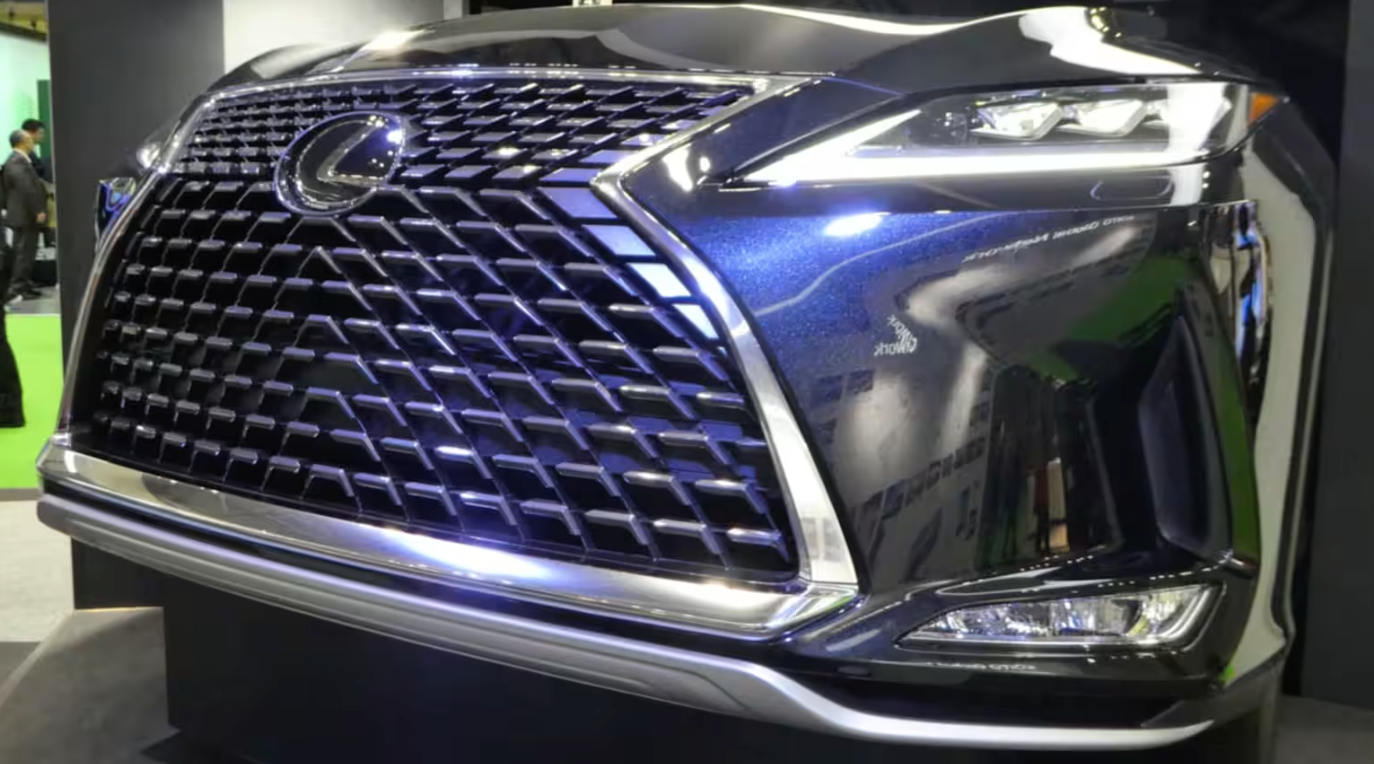
Japanese brands such as Toyota are Koito’s big customers
In Koito's flagship factory in Shizuoka Prefecture, central Japan, there is a "competitive product analysis room" filled with car lights from all over the world. The company dismantles about 100 products here every year and analyzes their structure, materials and number of lamp beads. Together with another independent warehouse, the company has a total collection of about 600 car headlights.
These include products from China, such as BYD, and the brand Wenjie jointly developed by Huawei and Cyrus.
“I don’t understand how they can achieve these prices,” said a Koito engineer who started noticing changes in Chinese products about three years ago. “If this continues, we are going to lose.”
Today, the focus of the "Competitive Product Analysis Room" has shifted to studying the secrets of Chinese manufacturers maintaining price competitiveness.
Masami Uchiyama, executive vice president of Koito, said: "China's prices have now become the industry benchmark." He also urged company employees to learn from China.
Koito will first start by redesigning products and standardizing components such as light source units. Previously, these parts would have different designs depending on the model. Car lights with different exterior designs will use the same internal components. By expanding the scale of procurement, the company is expected to reduce procurement costs.
In terms of materials, the company plans to source lower-cost plastics and other products from China after confirming quality and supply chain reliability. "As long as it meets our quality standards, the cheaper the better," Uchiyama said. Koito has found a way to halve the cost of next-generation light source units.
The company is also introducing a higher degree of automation. At a factory in Shizuoka Prefecture, cameras and robots equipped with AI technology are used to assist in transporting parts. This system eliminates the need to rebuild equipment every time a vehicle model changes. AI will also be used in product development to bring together past design data, current regulations and information on similar products. It is expected to assist in creating 3D data and conducting performance simulations.
Koito plans to introduce AI into product development around 2030, with the goal of reducing design workload by approximately 30% in fiscal year 2030 compared with fiscal year 2025.
The company hopes these efforts will help close the price gap with Chinese rivals, but for now, Koito is struggling in China. It has decided to close two factories in China and concentrate operations in Guangzhou, reflecting the plight of Japanese automakers. Japanese carmakers account for the majority of Koito's sales in China.
Koito aims to increase business with Chinese automakers such as BYD and India's Tata Motors.
Comments