
Abstract:
A controversial case recently occurred in Florida, USA. A man was charged with three felonies for dismantling and destroying a police "Flock" surveillance device, but information later emerged that the device was not actually a surveillance device, but a decoy model made at home by an officer using his personal 3D printer.
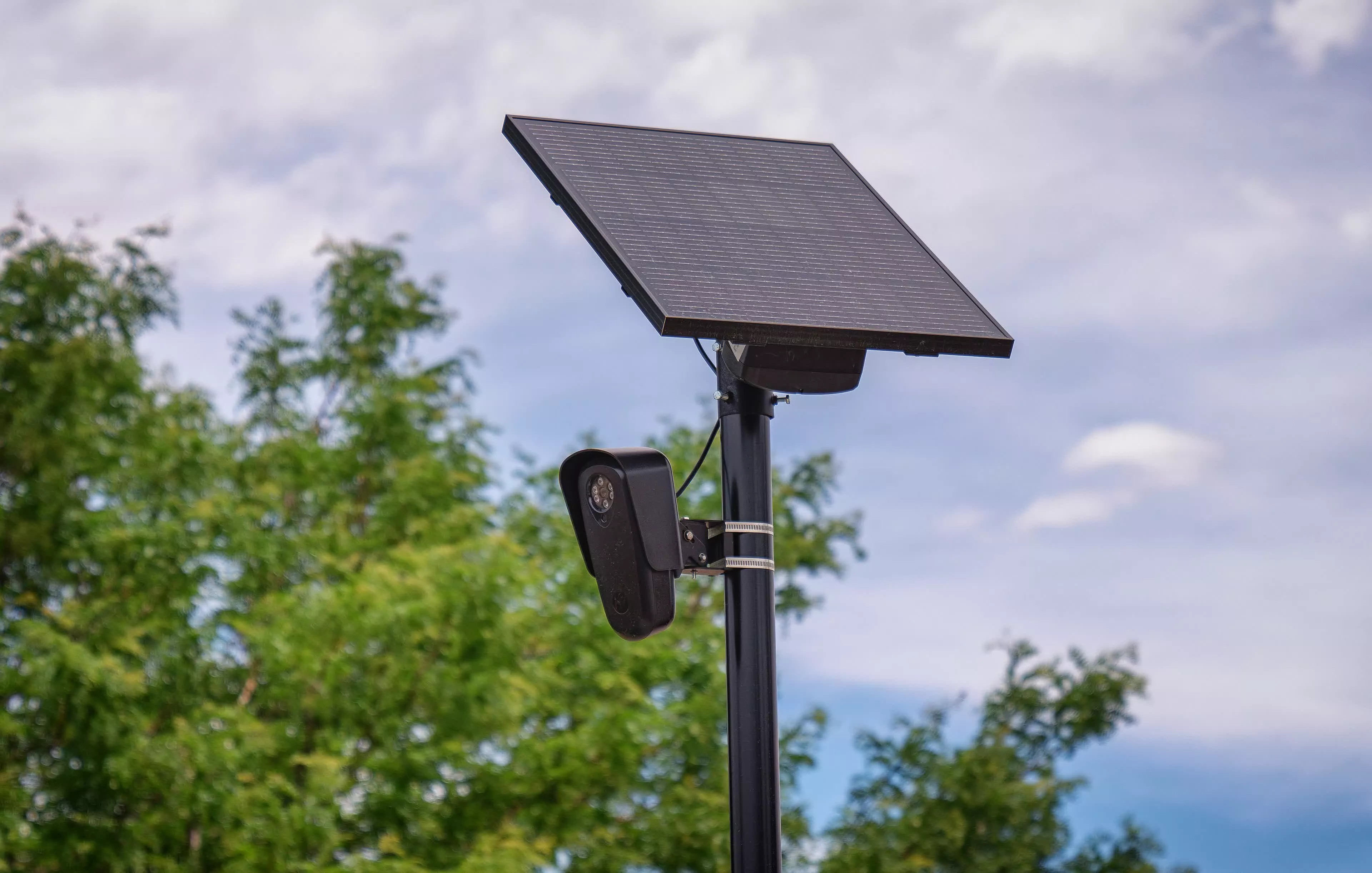
The case occurred in Oviedo, Florida. Evan Meyer, 24, was arrested on suspicion of damaging a Flock surveillance camera and charged with three felonies, including property damage, grand larceny and breaking electronic equipment.
The police stated that the reason for launching this sting operation was that from the end of July to the beginning of August, multiple Flock surveillance equipment along Lockwood Avenue in the city were stolen or damaged one after another. In order to find the suspect, the local police decided to set up imitation equipment and conduct an ambush.
According to police documents, these so-called "Flock surveillance devices" do not actually have any surveillance capabilities. A police officer used his personal 3D printer to create multiple models at home that were highly similar in appearance to real equipment and provided them to the police station for free. These devices have neither camera capabilities nor data collection capabilities and are only used to trap potential saboteurs.
Police then conducted surveillance near one of the bait devices. On the day of the incident, Meyer, wearing black clothing, gloves and a mask, used garden pruners to cut the device from its stand and smash it. The police immediately made the arrest.
At the heart of the dispute is the way the charges are calculated. Police said in arrest documents that Meyer believed he was destroying real Flock devices, which he estimated were worth between $1,000 and $5,000. The police believed that he subjectively knew that he was destroying high-value property, so felony charges were applicable.
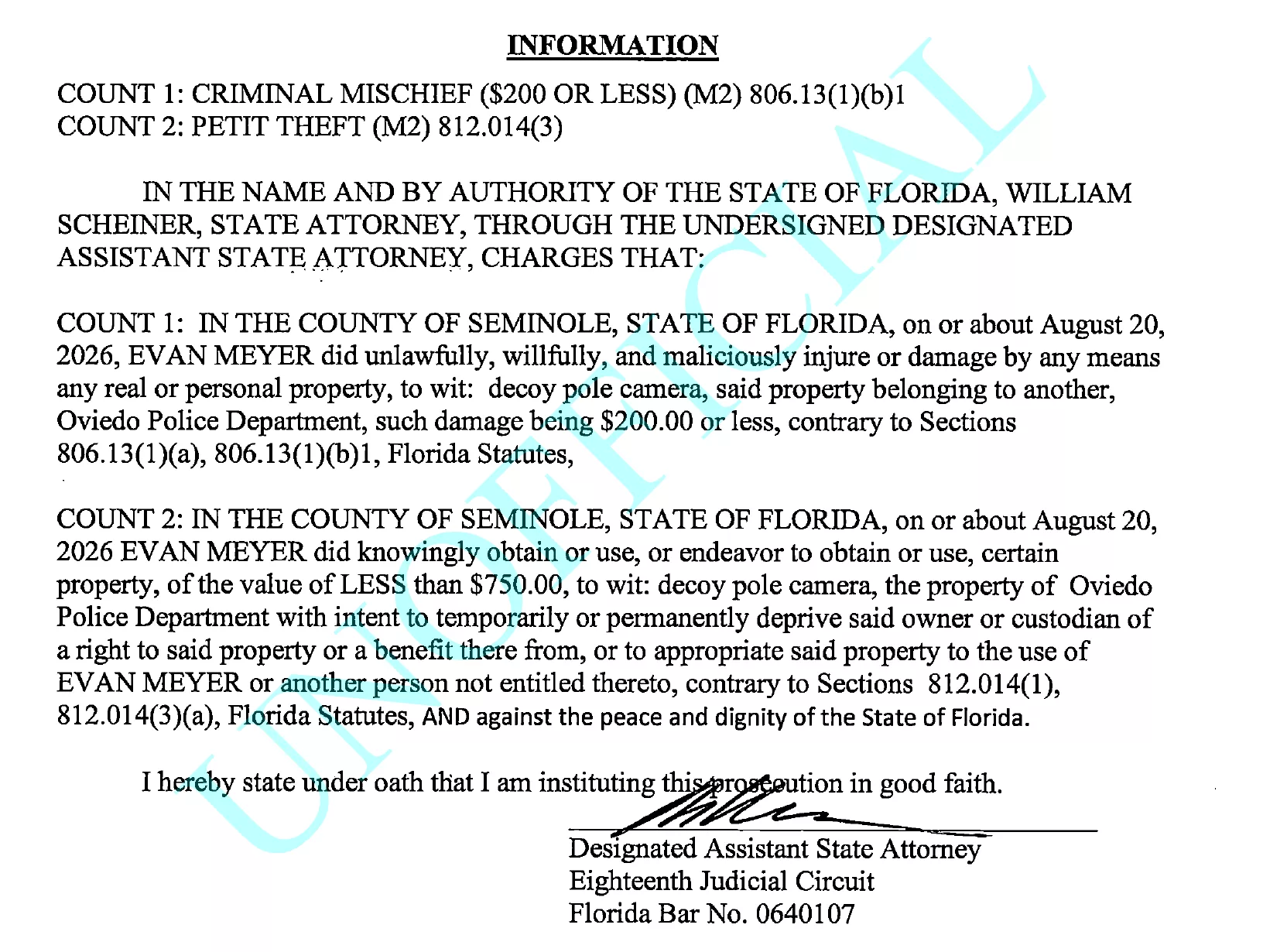
However, what was actually destroyed was a replica model printed from plastic material. Police later admitted that the real Flock device cost about $800, plus installation costs, and that the destroyed decoy model cost far less than the real thing. Some media further reported that there is almost no official purchase record for this model because it was originally an item made privately by police officers and donated to the police station.
After the case was exposed, it quickly attracted public attention. Oviedo Mayor Megan Sladek said publicly that she had no prior knowledge that the police were conducting the sting operation, and that even city council members were unaware. She acknowledged that the felony charges were quite controversial.
While Sladek condemned the destruction of public property, he also pointed out that the legal issues surrounding this case are far more complicated than they appear. She said that even if the felony charges are not ultimately established, the conduct in question could theoretically involve other forms of illegal conduct.
The reason why the incident is particularly sensitive is also related to the long-standing controversy of the Flock monitoring system itself. Flock is an automatic license plate recognition system based on artificial intelligence technology that has been deployed in about 6,000 communities in the United States. The system can automatically record vehicle information and upload it to a cloud database for query and analysis by law enforcement agencies.
Supporters believe that such systems can help police investigate cases and track suspect vehicles. But opponents worry it could be overused to monitor ordinary people. Some investigations have also found that some law enforcement officials have abused the system to seek information about ex-partners or personal relationships, raising broad questions about privacy and oversight mechanisms.
The city of Oviedo itself is currently re-evaluating its partnership with Flock. The city council has agreed to study whether to terminate the contract. Against this backdrop, the case involving a decoy device and felony charges further intensifies local debate over the boundaries of the use of surveillance technology.
As the case continues to ferment, the focus of the outside world has gradually shifted from the initial equipment sabotage to deeper issues such as whether the police sting operation was reasonable, whether the felony charges matched the actual losses, and whether law enforcement agencies were using the surveillance equipment controversy to expand the scope of criminal penalties. The incident also became the latest example of issues surrounding the balance between public safety and personal privacy for communities across the United States where similar surveillance systems are being deployed.
Comments