
Abstract:
A GeForce RTX 5090 Founders Edition graphics card user recently disclosed on an online forum that his warranty application was rejected by Nvidia. The reason was that the physical serial number on the metal bezel of the graphics card had faded to the point of being unrecognizable. This incident quickly attracted the attention of hardware enthusiasts and the gamer community, and also made the product logo design of the RTX 50 series graphics cards a focus of discussion.
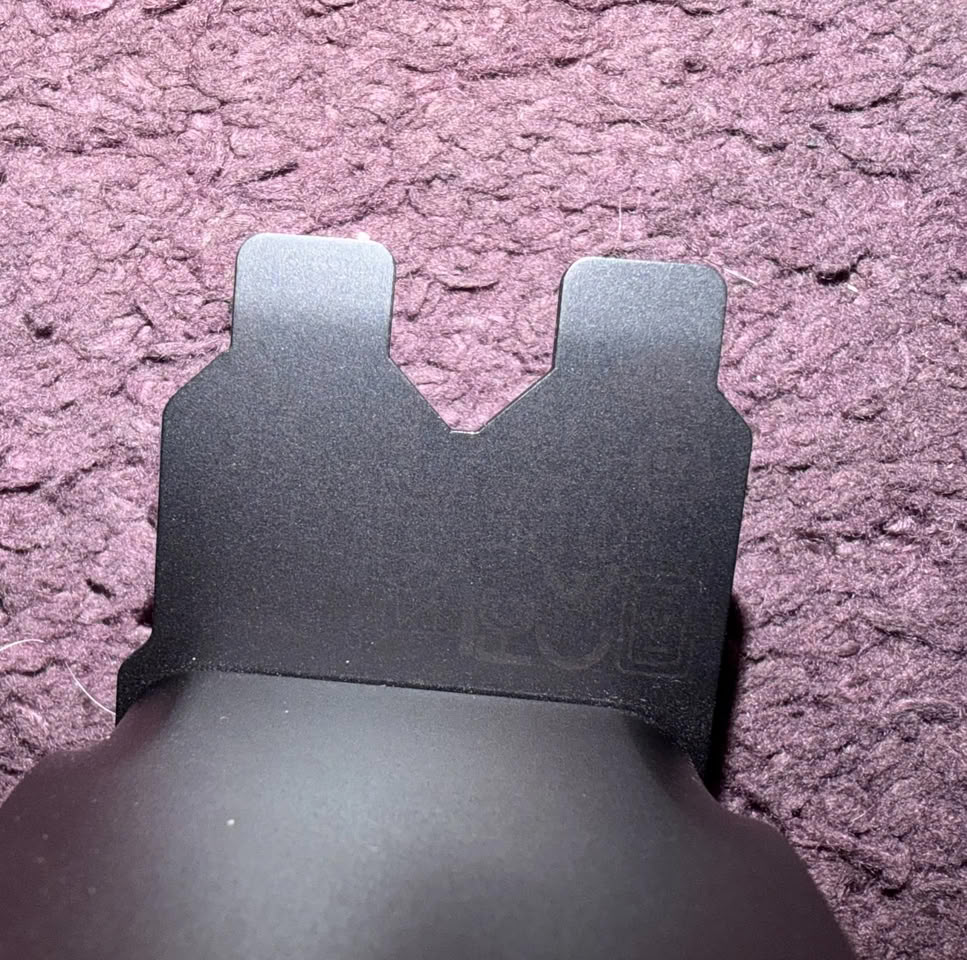
According to the user's description, this RTX 5090 Founders Edition began to frequently experience black screen crashes when running under high load. Since the product was still under warranty, he subsequently submitted an RMA after-sales application to NVIDIA and sent the graphics card to NVIDIA for testing.
The user said that after sending the graphics card for repair, he waited for more than a month, but still did not get a clear result. Nvidia subsequently informed that its warranty application had not been approved, but initially did not specify the reason. It was not until the user contacted the after-sales department again for questioning that he was informed that the reason for the rejection of the warranty was that the serial number on the metal bezel of the graphics card was no longer legible, so the identity of the product could not be confirmed.
In this regard, the parties concerned raised questions. He said that he has never disassembled, repaired, modified or artificially damaged the graphics card, and still retains the original packaging box, purchase invoice and order record, and these information can all correspond to the product. He believes that it is unreasonable to deny warranty simply because the printed serial number on the graphics card has faded.
After this case was exposed in the community, it quickly attracted a large number of RTX 5090 and RTX 5080 Founders Edition users to respond. Some users checked their graphics cards and found that the gray serial number on the bezel had indeed faded to varying degrees. In some cases, the printed content is almost integrated with the metal surface, requiring a certain angle and light to be barely legible.
What is even more puzzling to users is that graphics card authentication does not actually rely solely on this serial number. In addition to the logo printed on the bezel, the original packaging, sales records, and digital identification information of the product itself can theoretically be used to confirm the product's identity. Therefore, many users believe that the warranty application will be directly rejected just because the bezel serial number is unreadable, and the handling method is controversial.
As more cases are disclosed, the outside world gradually discovers that this may not be an isolated incident. Many RTX 50 series Founders Edition users said that they also encountered the problem of serial numbers gradually fading. Some people speculate that high-temperature airflow, long-term use environment, and the natural oxidation process of metal surfaces may accelerate the wear of printed fonts.
The hardware community also noticed that unlike the previous generation RTX 40 series Founders Edition, the RTX 50 series does not seem to use laser etching to mark the serial number, but uses a surface printing process. If this is true, then the reduced durability of product logos may explain why fading is more common in the RTX 50 series.
Another phenomenon that triggered discussion in the incident is that Nvidia’s after-sales processing results seem to be inconsistent. Some users said that even if the serial number has faded, as long as they can provide photos of the box, order records and proof of purchase, they can still successfully obtain warranty service. Other users encountered rejections similar to this case. This difference between different cases also makes many consumers question whether after-sales standards are consistent enough.
As of now, Nvidia has not made a formal public response to the relevant incident, nor has it stated whether the RTX 50 series Founders Edition has a known serial number fading issue.
As the RTX 5090 is still in high demand, and the market price continues to be higher than the official suggested retail price in many regions, such disputes involving warranty rights have undoubtedly further intensified user concerns. At the same time, more and more community members have begun to recommend that RTX 50 series graphics card holders take and save photos of the product serial number, packaging information, and purchase receipts in advance so that they have more sufficient evidence when after-sales service is needed in the future.
Comments