
Abstract:
On the fourth anniversary of the launch of the RTX 4090, PC Gamer reviews the performance and price of this graphics card. The author believes that although it was expensive back then, it can still meet the gaming needs of some users today.
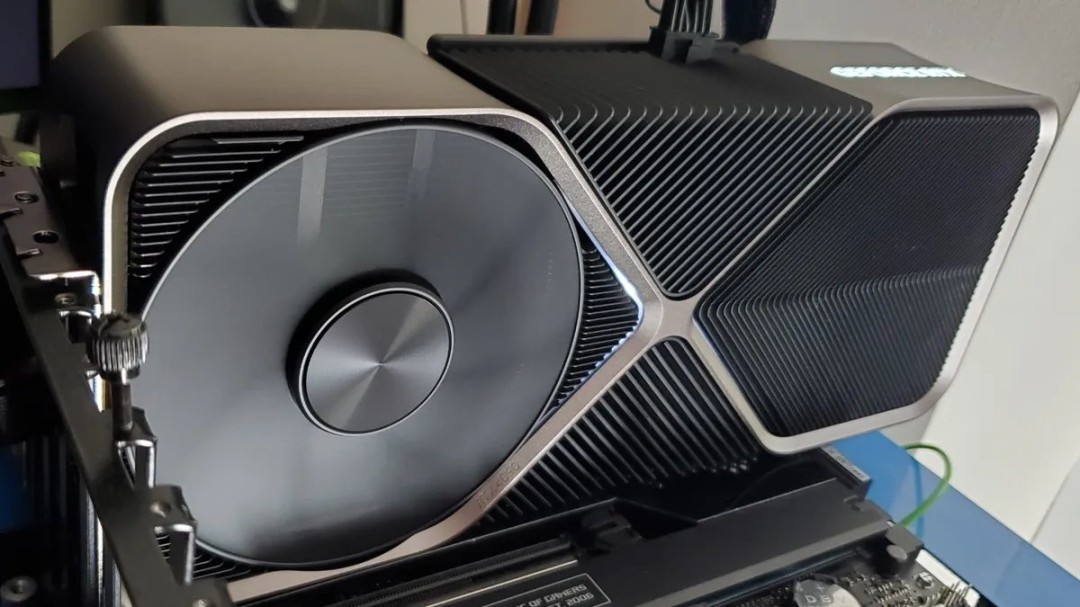
Foreign media PC Gamer reported:
Join me in wishing the RTX 4090 a happy fourth birthday. This is Nvidia's last generation of graphics cards for enthusiasts. It was launched four years ago on October 12 with a suggested retail price of $1,499. At the time, the price was astonishing.
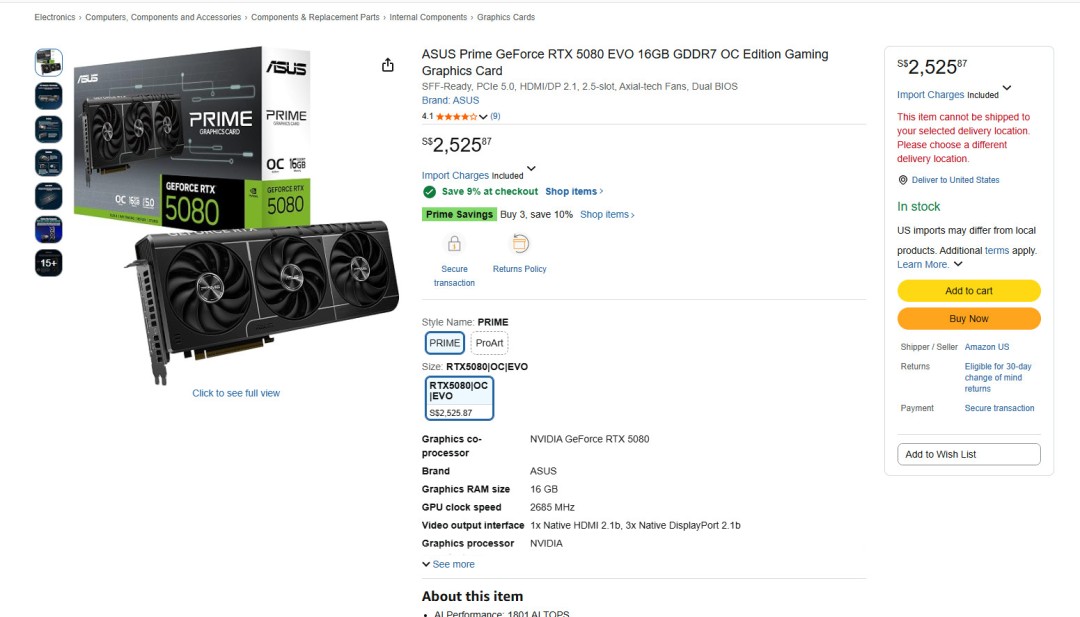
But look at the prices right now: the cheapest RTX 5080 I could find is the Asus Prime version for $1,640. When sub-flagship graphics cards like Nvidia's are priced much higher than the MSRP of previous-generation flagship models, it's easy to see how far the graphics card market has fallen.
The RTX 5090, the direct successor to the RTX 4090, is now almost impossible to buy. We no longer track it on our graphics card price tracking page because the only products on the market are from third-party sellers with ridiculously high prices that we are reluctant to recommend. There are also rumors that Nvidia may have stopped producing RTX 5090 chips for the consumer market and instead used GB 202 chips for data centers and professional graphics cards.
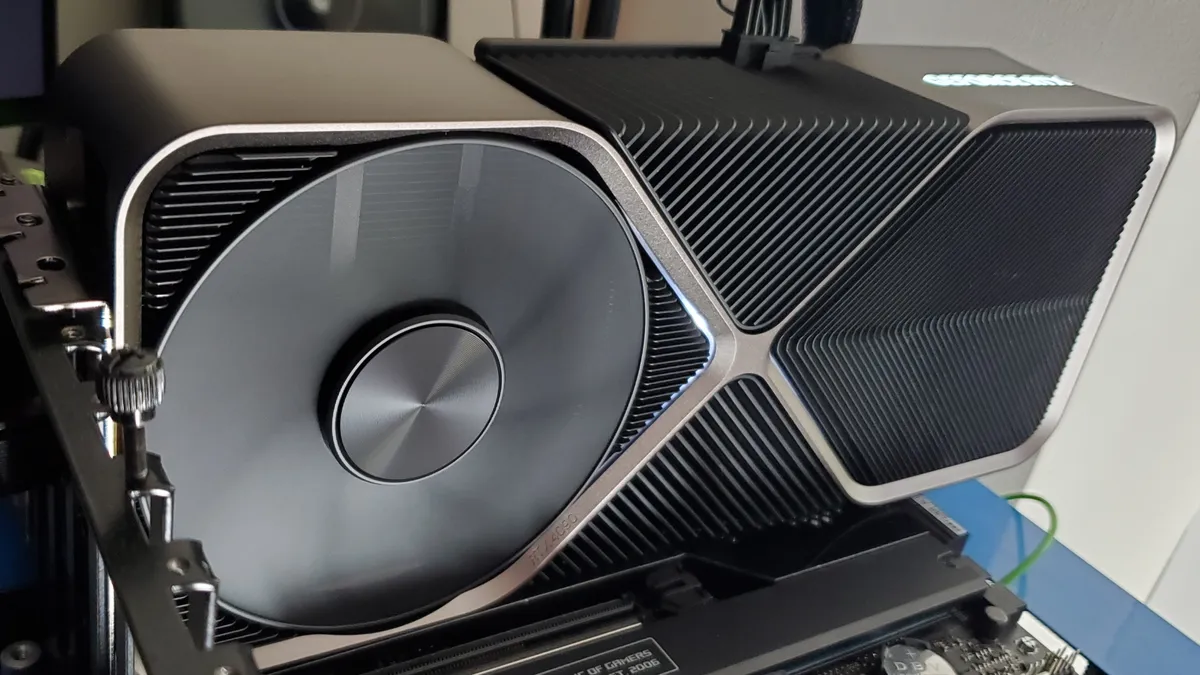
This makes me miss the RTX 4090. I recently went through PC Gamer's equipment cabinet and found a review sample from that year. This graphics card is large and heavy, which is still an exaggeration today. Its specifications are also the same: even in 2026, it is still very capable.
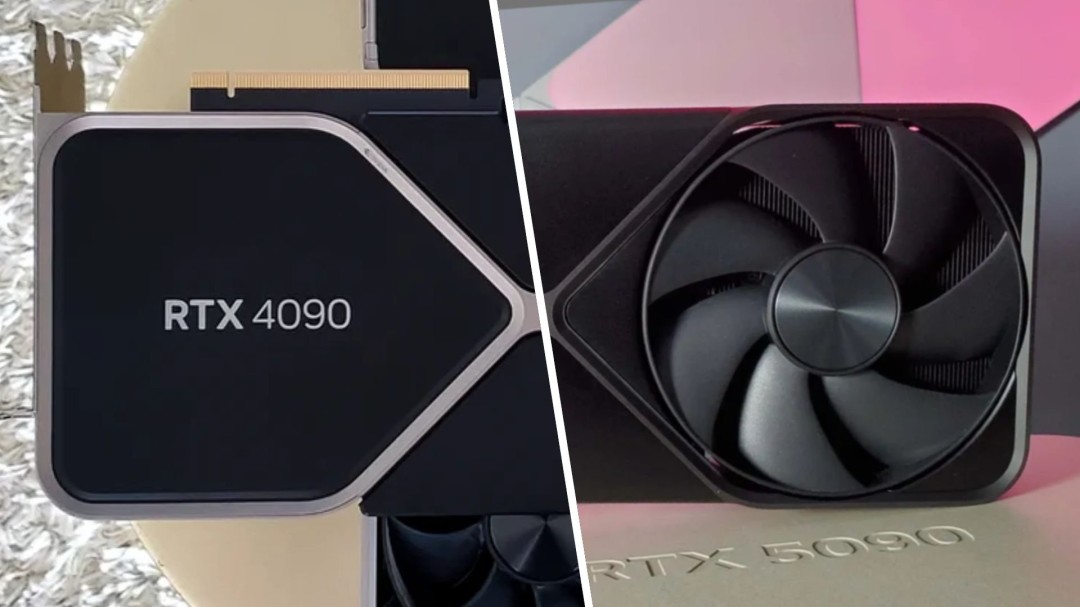
It has 24GB GDDR6X memory, 76.3 billion transistors, and 16,384 CUDA cores, which is 56% more than the RTX 3090. In addition, there are 128 shader modules, 128 ray tracing cores and 512 Tensor cores. It's still a massive graphics card by today's standards. I know many players still use it. They gritted their teeth and paid the high price, and have been enjoying the powerful performance it brings ever since.
If I could afford it at the time, looking back now, buying the RTX 4090 was a very wise choice. When our Dave reviewed the RTX 4090 Founders Edition, he pointed out that it was prohibitively expensive, and that makes perfect sense. But its gaming performance also really impressed him. It also gave us our first real look at DLSS frame generation; at the time this feature was in its early 2x version.
The graphics card itself has strong performance and new features that help improve the frame rate. For those who can accept the price, they are buying a graphics card that will still be powerful after many years.
The current RTX 5080 costs more and has weaker raw performance. Although it supports multi-frame generation, players seem to have mixed opinions on this feature. From this point of view, for those who could afford the RTX 4090 back then, the money was well spent.
RTX 5090 is even more controversial. It launched with a suggested retail price of $1,999, and retailers priced it well above that almost from the start. Even if its performance does significantly exceed that of the RTX 4090, it is always more difficult to accept from the perspective of price and performance.
Multiple frame generation is also a point of contention for some. The RTX 5090 was released at CES 2025 alongside the RTX 5080, RTX 5070Ti, and RTX 5070, and it remains the poster child for this technology. I remember being in Las Vegas covering the launch event with my colleagues and wondering what PC gamers would think of it.
Multiple frame generation can really significantly increase the number of frames displayed on the screen. But I know it will also make the debate around "fake frames" more intense. This debate has been going on since the advent of 2x frame generation. The RTX 5090 itself is still a very powerful graphics card, but its price will make it unaffordable for many players. Especially for those who have already used RTX 4090, the graphics card in their hands is still very powerful, why should they upgrade?
Perhaps, this is the mark left by RTX 4090. The more I think about it, the more I feel that it may be the last flagship graphics card that ordinary consumers can reasonably afford to buy. It also reminds me of the expression “future-proofing”. We tend to shy away from it in this industry, and I use that word here cautiously.
What's certain is that graphics card prices aren't looking to get any better for the foreseeable future. The RTX60 series may also have to wait for a while. I can only imagine how outrageous the price will be for a graphics card equivalent to an RTX6090 in the future, how many Tensor cores will be crammed into it, how many more tricks it will allow for multi-frame generation, plus DLSS5.
At least in NVIDIA's view, neural rendering is the future. If I had to guess, I'd think it would include more hardware to support the technology and less focus on improving raw performance.
RTX 4090, the now-legendary 40-series graphics card, is celebrating its fourth anniversary. It makes me miss the days when graphics cards were more straightforward: graphics cards rely on graphics processing power to deliver strong performance, and the price is at least affordable for those of us who don’t have that high an income.
I know it sounds outrageous to call a graphics card that cost $1,499 four years ago "affordable." But the price of graphics cards in 2026 has disrupted past measurement standards, and there is nothing we can do. Anyway, join me in raising a glass to the RTX 4090. For some reason, I don't think we'll ever see a graphics card like this again.
Comments