
Abstract:
Although NVIDIA has introduced an improved version of the 12V-2x6 power supply interface in the RTX 50 series, the issues surrounding the 16-pin power supply interface overheating and even melting have not completely disappeared. Recently, a hardware enthusiast has attracted widespread attention by modifying the power supply system of the RTX 5090 graphics card.
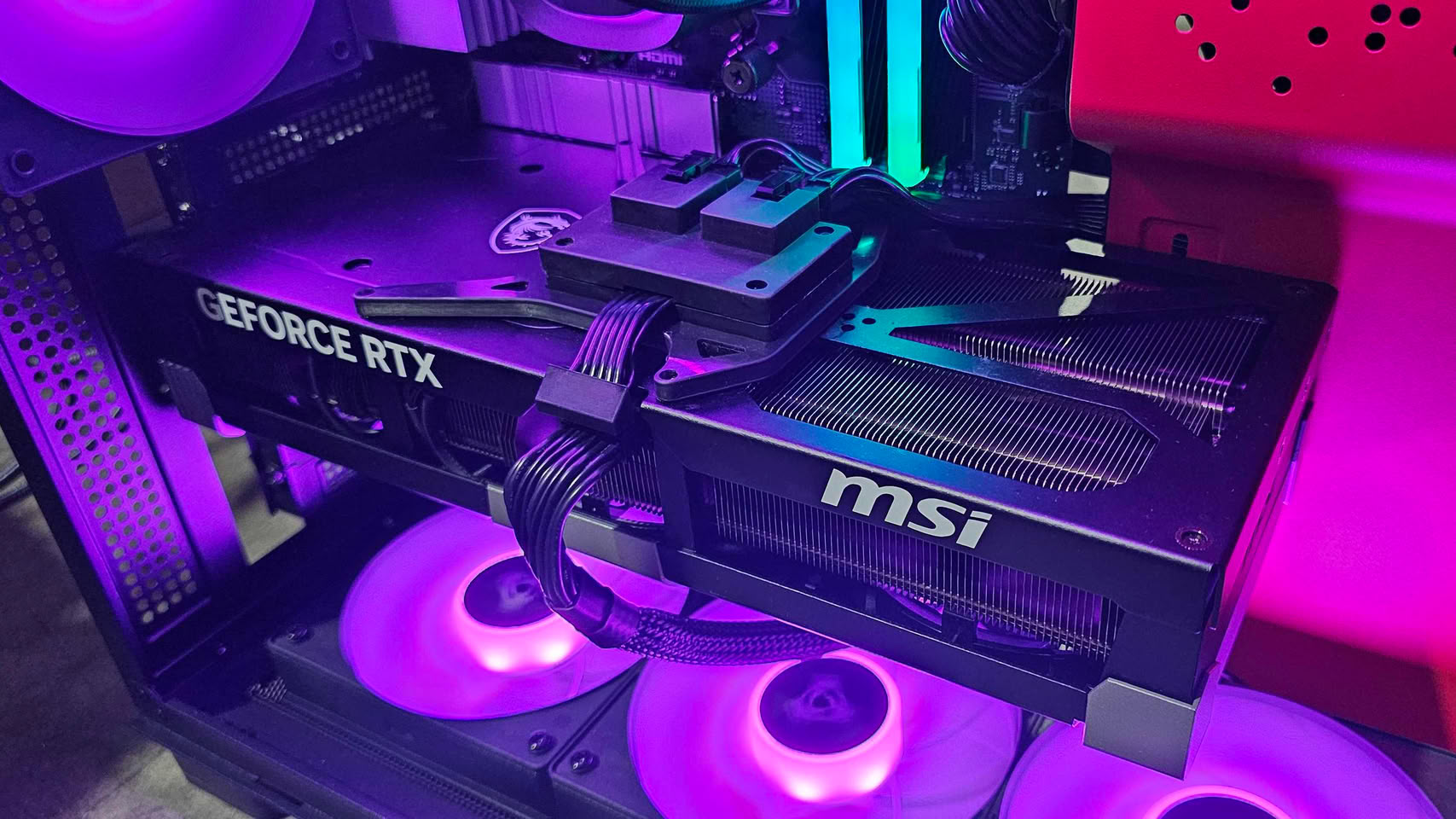
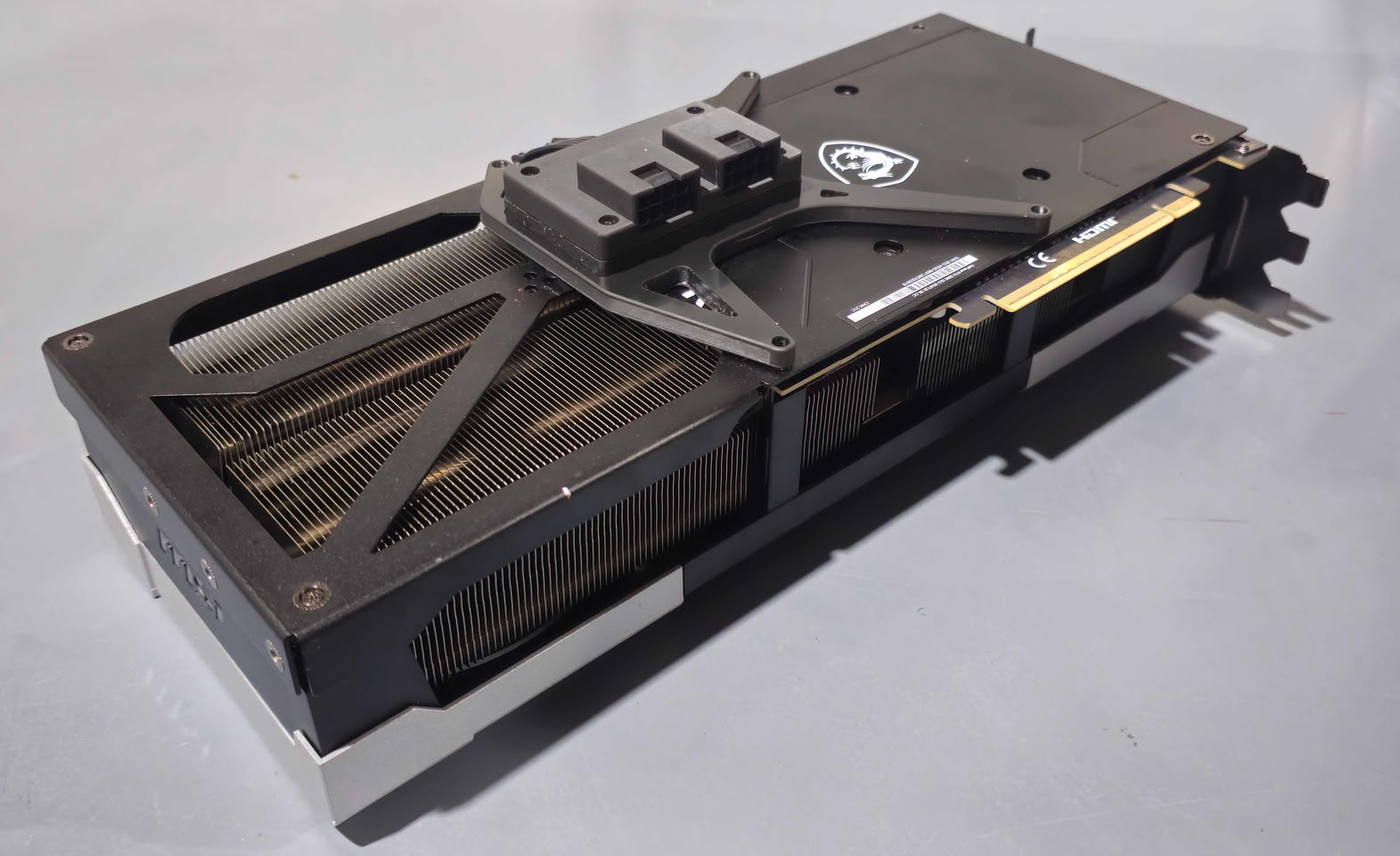
Reddit user DallasGrave demonstrated a power supply modification solution for the MSI GeForce RTX 5090. He added two additional traditional 8-pin PCIe power supply interfaces to the original 16-pin power supply interface of the graphics card, hoping to reduce the temperature of the cable and interface by spreading the current load.
Judging from the public modification plan, the user did not remove the original 16-pin interface, but welded a small power-taking PCB to the 16-pin interface contact position, and then connected another additional board with two 8-pin PCIe slots through this circuit board. After the modification is completed, the graphics card will be powered by three power supply lines, rather than relying entirely on a single 16-pin interface to transmit high-power current.
According to data released by DallasGrave, each wire carries approximately 3 amps of current after modification. After 48 hours of continuous operation at 550W power consumption, the temperature of all power supply lines and soldered connection points did not exceed 40 degrees Celsius. Although these data are temporarily derived from personal testing by modders and have not been verified by third parties, the results still attracted a lot of attention.
In fact, the power supply issue of RTX 5090 has continued to become a hot topic in the high-end graphics card market. NVIDIA stated in 2025 that the new version of the 12V-2x6 interface has solved the melting hazard of the previous 16-pin power supply interface. However, there have been cases of RTX 5090 power supply interface meltdowns since then, including the RTX 5090 Founders Edition using third-party cables, as well as some products that have been processed to reduce voltage and limit power consumption.
In September this year, Hardware Unboxed also discovered during testing that the temperature of an RTX 5090 power supply cable had reached about 175 degrees Celsius, and the current in a single wire was close to 22 amps. This once again triggered concerns about the single-interface power supply solution for high-power graphics cards.
In addition to official solutions, many players and hardware engineers have begun to explore alternative methods. ASUS once launched the ROG Equalizer cable in an attempt to reduce the risk of local overheating through more even current distribution, but then photos of related wires being burned still appeared on the Internet. ASRock's TempGuard monitoring solution cannot completely avoid power supply failures in some high-end workstation equipment.
Compared with some previous radical modification methods that directly soldered the power supply line to the graphics card PCB, DallasGrave's solution appears relatively conservative. Since the original 16-pin interface still continues to work, but the load it bears is reduced, there are fewer changes to the original structure of the graphics card, and the current can be spread to more lines.
However, industry insiders pointed out that this type of modification requires welding directly on the graphics card power supply interface contacts, which not only risks damaging the graphics card, but also voids the product warranty. Considering the high price of the RTX 5090 itself, it is not suitable for ordinary users to easily try similar modifications.
As RTX 5090 continues to move towards 600W level power consumption, power supply security issues remain a topic of great concern in the high-performance graphics card ecosystem. The various modification plans that are constantly emerging in the player community also reflect the continued market demand for more reliable power supply designs.
Comments