
Abstract:
Meta announced that the Muse AI assistant now supports real-time voice communication and will respond to the user through the avatar's expressions and actions during the conversation. The function has been gradually rolled out to the Muse application starting from the United States, covering mobile phones, web pages and Mac; users can choose to only listen to the voice, have the avatar and chat content displayed side by side, or switch to full-screen face-to-face conversation.
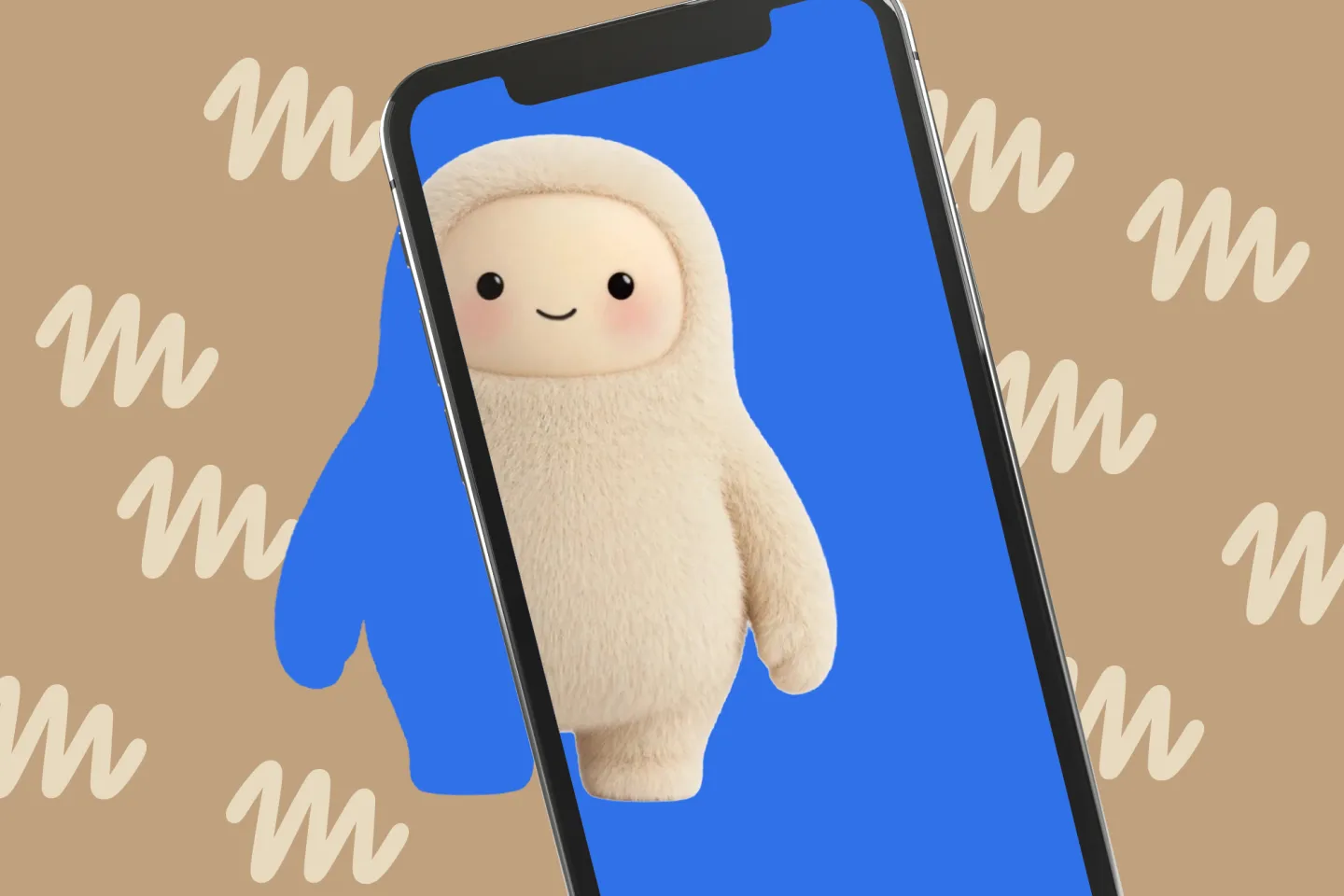
Users can directly speak out their unfinished ideas and let Muse listen while helping to conceive and plan trips. You can also use it to simulate interviews, practice speeches or prepare proposals. The voice supports natural answering and real-time interruption. Users can also choose a style from hundreds of voices, or describe the desired speaking speed, tone and accent with text, and let Muse adjust it by itself.
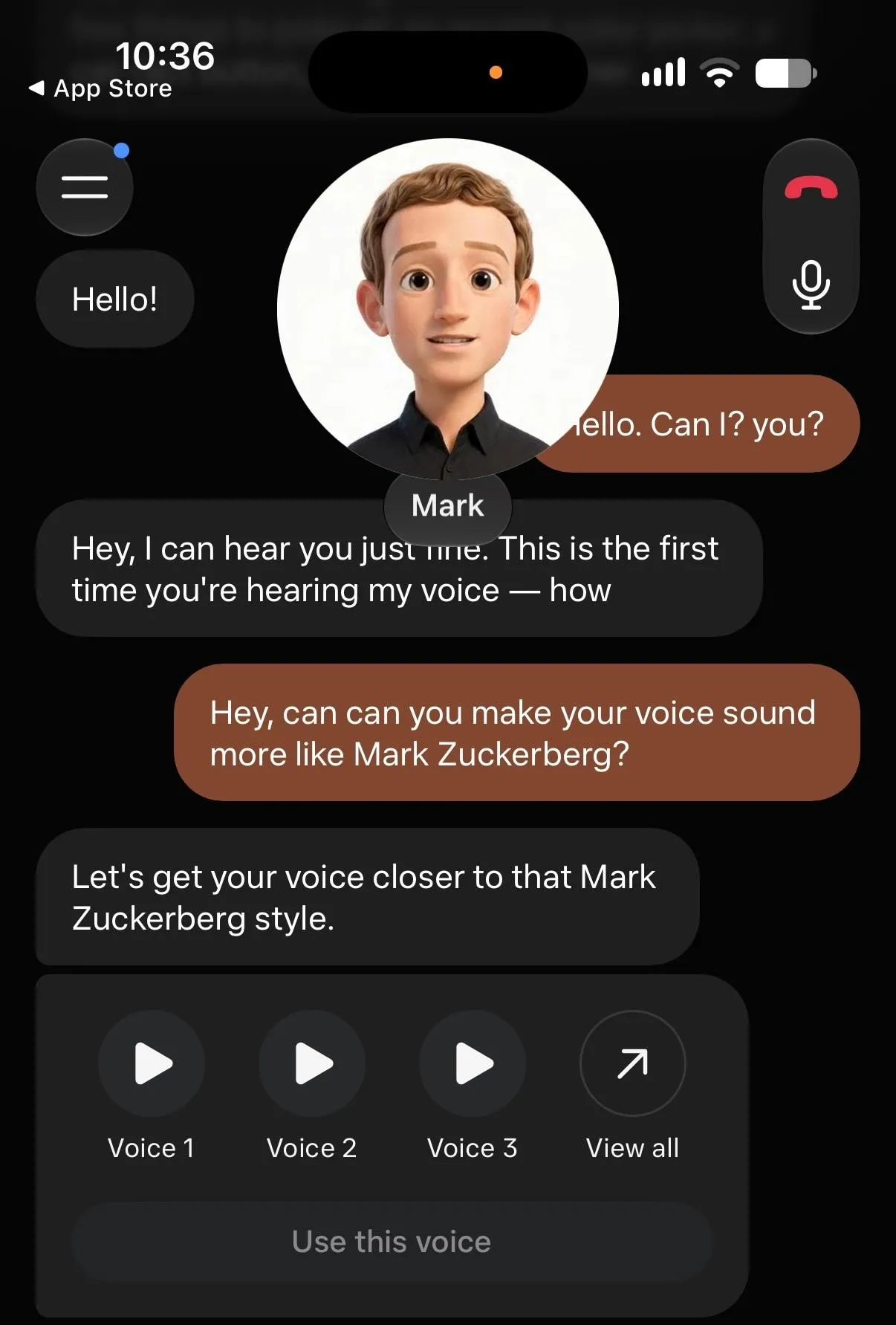
During the conversation, the Muse avatar will show corresponding expressions and gestures according to the conversation content. Meta says the experience is powered by Muse Realtime Voice and Muse Realtime Avatar technologies. When The Verge reporter tried it, he found that Muse usually responded quickly, but occasionally paused when searching for information; the animation of the avatar performed well, but sometimes it was a little weird, and the voice could not completely imitate the image of Mark Zuckerberg chosen by the reporter.
Meta said that Muse voice dialogue will soon be available on its AI glasses and Muse Charm portable devices, allowing users to talk directly to the assistant when they are busy or out.
Comments