
Abstract:
Sony confirmed that the development of the next-generation PlayStation game console is still progressing as planned. Although the global memory market continues to face challenges such as tight supply and rising prices, the company said that the progress of the PS6 project has not been significantly affected and plans to further increase investment in the new platform starting from the next fiscal year.
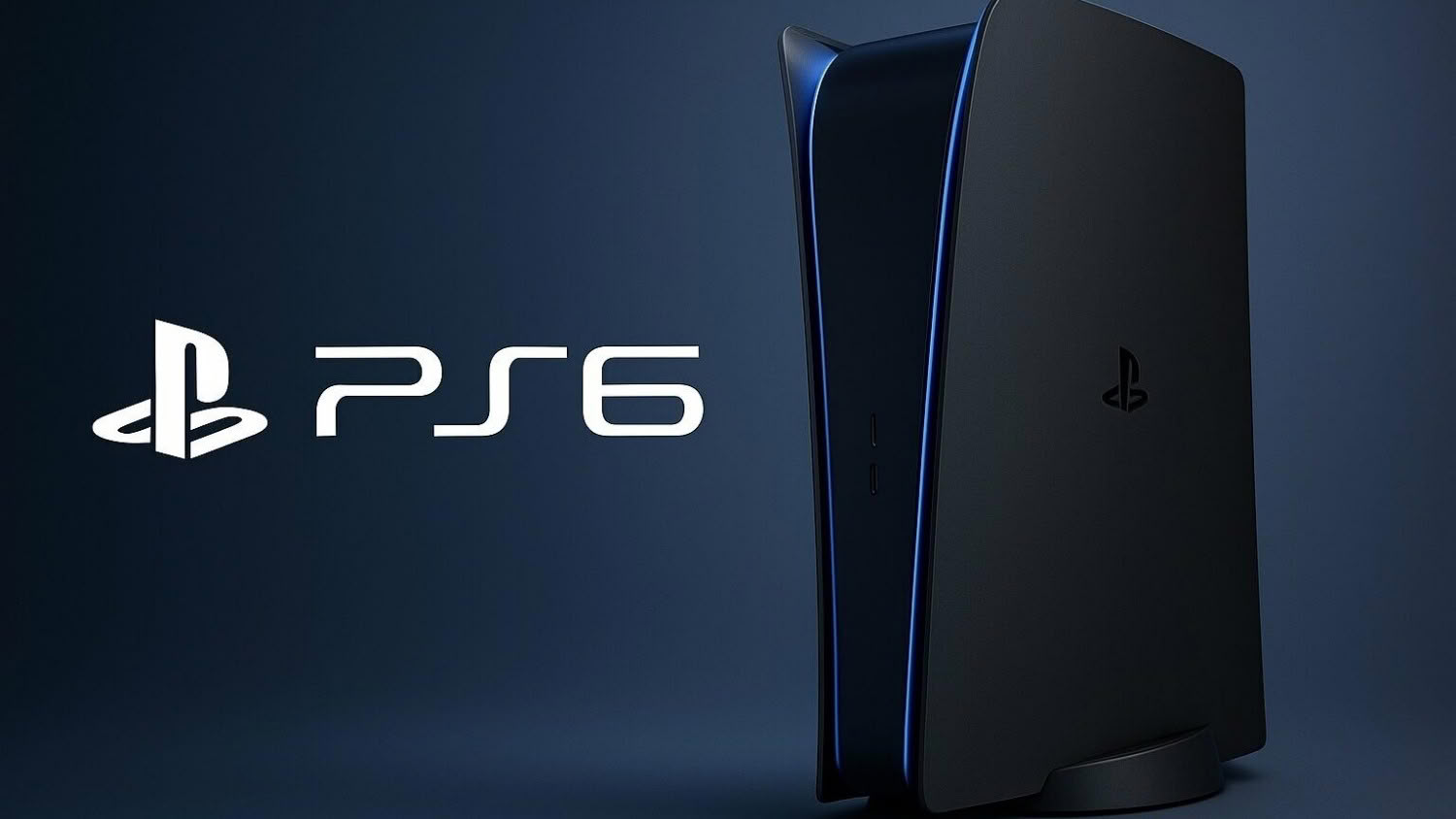
This news comes from Sony’s second quarter financial report meeting for fiscal year 2026. Sony Chief Financial Officer Tao Lin said that although the PS5 has entered the later stage of its life cycle and new machine sales are gradually declining as expected, the entire PlayStation ecosystem still maintains steady growth. Looking forward to the future, on the one hand, the company will continue to increase user participation and profitability through blockbuster game works and service business expansion, and on the other hand, it will also steadily advance the preparations for the next generation game platform.
Tao Lin pointed out that starting from the new fiscal year starting in April 2027, Sony will increase its investment in new platforms and strive to make substantial progress in the next fiscal year. She emphasized that future growth is inseparable from the construction of new platforms, so the company must make necessary investments, but it also needs to ensure healthy business development and plan investments in a more reasonable and prudent manner.
Sony's statement on "rational investment" has attracted widespread attention in the industry. The entire semiconductor industry is currently facing the problem of rising memory prices, and high-performance memory is one of the most expensive core components in game consoles. Sony said that the company has successfully offset some of the rising memory cost pressure faced by the PS5 through product pricing adjustments, marketing strategy optimization and cost reduction measures.
At the same time, Sony also revealed that the company has reached arrangements with its supply chain partners on next year's memory procurement needs to ensure the supply of key components needed to meet future hardware sales plans.
According to previous market news, the cost of the memory and storage components required for PS6 alone may exceed US$680. If the processor, motherboard, cooling system, body structure and other hardware configurations are also calculated, the manufacturing cost of the entire machine may rise further. In the current chip and storage market environment, how to control R&D and production expenditures has obviously become an important factor that Sony must consider when planning the next generation of consoles.
However, Sony did not disclose whether the so-called "rational investment" will affect the final hardware specifications of PS6, nor whether it will continue to use subsidies to lower the initial selling price in the future as it has in the past. The company said relevant information will be announced at the appropriate time.
In its financial report, Sony also announced the latest results of its PlayStation business. As of the end of September 2026, the cumulative global sales of PS5 have reached 97.9 million units. Although the growth rate of console sales has slowed down, platform user activity is still rising, showing that the PlayStation ecosystem remains highly attractive.
Regarding the issue of release time that players are most concerned about, Sony remains cautious this time. The company has not announced the launch window of PS6, but only confirmed that the development work is proceeding as planned and will continue to advance relevant preparations in the next few years.
As the gaming industry enters a new hardware upgrade cycle, Sony is trying to find a balance between performance improvement, manufacturing costs and market selling prices. Faced with rising hardware costs and an increasingly competitive console market, PS6 is not only a new gaming platform, but will also become an important product that tests Sony's future strategy.
Comments