
Abstract:
PS6 is expected to be priced below $1,000, but only if component costs fall as expected in the second half of 2027. KeplerL2, an insider, said that the current hardware material cost of this host is about US$960. Rising prices of semiconductors, solid-state drives and DDR5 memory are putting pressure on the consumer electronics market. Increased demand for AI hardware and price adjustments by TSMC are the reasons for the increase in component costs. Acer CEO Jason Chen believes that component supply constraints will not last until 2030.
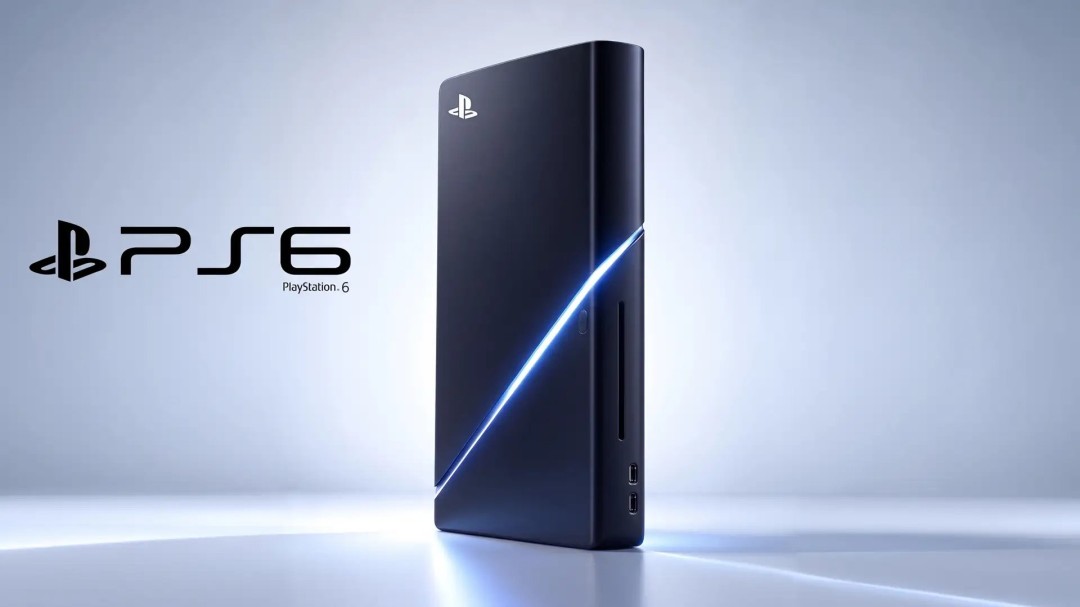
Global prices of key chips are expected to peak in mid-2027 and gradually fall back in the second half of the year. Prior to this, the cost of some parts and components may still increase by 5% to 20% in the fourth quarter of 2026; after the new production line is gradually put into production, the inventory is expected to return to balance.
PS6 is expected to be mass-produced and launched by the end of 2027. If Sony's purchase of components coincides with price cuts, lower wafer and memory costs may leave room for pricing; Sony may also subsidize part of the hardware costs to control the selling price below $1,000.
If semiconductor contract prices fall later, the profit margins at the initial stage of the launch of the host may be smaller, and the originally expected price reduction may be postponed to 2028. The actual selling price of PS6 still depends on the price of subsequent parts and Sony’s pricing decisions.
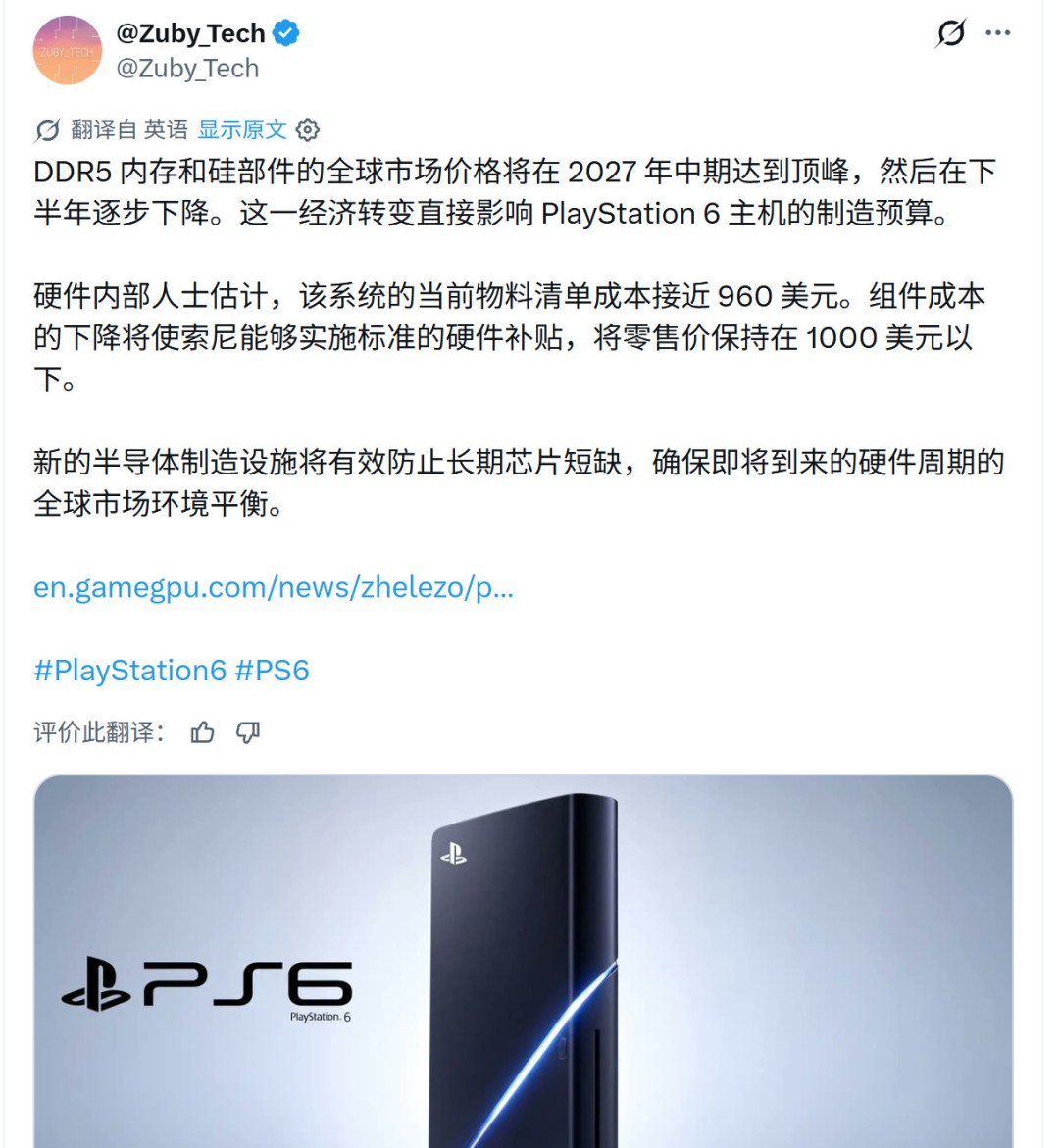
Affected by the surge in demand for AI hardware and TSMC's tariff adjustment, the prices of semiconductors, solid-state drives and DDR5 memory continue to rise, putting the consumer electronics market under tremendous pressure. Acer CEO Jason Chen emphasized that the component supply crisis will not last until 2030. He predicts that the price of major global chips will peak in mid-2027, and then gradually fall back from the second half of the year. In the fourth quarter of 2026, the cost of parts and components in some regions is expected to increase by 5% to 20%. However, as new production lines are gradually put into operation, inventory levels will gradually return to balance.
The trend of the semiconductor market stabilizing will also directly affect the retail price of the upcoming PS6 console. It is currently expected that the PS6 will enter mass production and be officially released by the end of 2027.
According to whistleblower KeplerL2, the current hardware bill of materials (BOM) of the console is about US$960, which has also triggered concerns about an increase in its final selling price. If the prices of silicon wafers and RAM chips can drop in time, Sony is expected to control the retail price of PS6 within a relatively reasonable range, or continue to adopt its usual hardware subsidy strategy to keep the price below the psychological threshold of $1,000.
If the parts procurement cycle happens to coincide with the price drop phase, Sony can launch PS6 without putting excessive financial pressure on core players. On the other hand, if semiconductor contract prices fail to fall, the PS6 may only be able to maintain a low profit margin during its initial launch, and the originally planned price reduction may be postponed to 2028. As global semiconductor fabs continue to expand production, the market is expected to avoid falling into a long-term supply crisis and create a relatively stable supply environment for the launch of next-generation consoles.
Comments