
Abstract:
Meta recently stated that it will resume paid advertising for the Elon Musk documentary "Musk" directed by director Alex Gibney. Previously, the film's distributor Bleecker Street tried to place movie trailer ads on YouTube, TikTok, and Meta's Facebook and Instagram, but was rejected. The reasons given by Meta, TikTok, and YouTube all involved "political content." Just one day after the relevant reports came to light, Meta suddenly changed its previous decision.
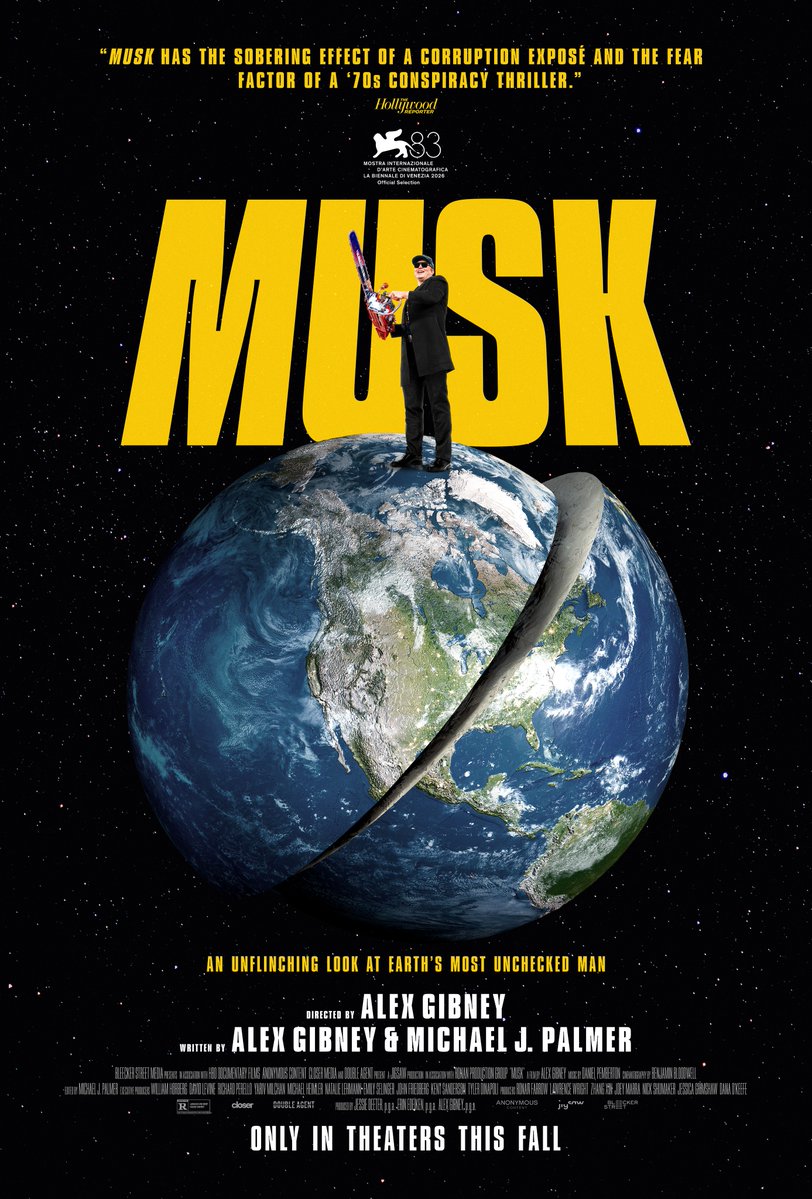
A Meta spokesperson told TechCrunch that the previous rejection of "Musk" ads was a mistake and that the company is currently reinstating these ads. Meta did not further elaborate on what exactly caused the ads to be misclassified, nor did it explain why this issue was not discovered during the review and appeal stages.
This change happened quite quickly. On September 25, local time, the "Hollywood Report" revealed that when Bleecker Street purchased social platform advertising for the upcoming "Musk", YouTube, TikTok and Meta all refused to accept paid promotion of the film trailer, and the X platform owned by Musk himself also refused to place relevant advertising.
Bleecker Street was surprised by the rejections from the other three platforms and was trying to figure out why a movie trailer for a commercial documentary would be deemed a political ad. The main explanation given by the platform is that the advertisement involves "political content." TikTok itself prohibits political advertising, Meta also has strict restrictions on political advertising, and YouTube allows political advertising within a certain range, but it needs to comply with corresponding disclosure requirements.
The trailer of "Musk" does contain political-related content. It shows images of political rallies during the 2024 US presidential election, and mentions the 2024 presidential election at the end. However, Bleecker Street believes that these contents are only part of the documentary narrative and do not mean that the film advertisement is a campaign advertisement, nor does it ask the audience to support any candidate.
Bleecker Street subsequently filed complaints with YouTube, TikTok and Meta. Meta has previously rejected the publisher’s appeal, while TikTok and YouTube are still reviewing it again. Now that Meta has proactively admitted that its previous rejection was a mistake and decided to resume advertising, this controversy has taken a clear turn.
As for whether TikTok and YouTube will adopt similar practices, no new decision has been announced yet. The case of X is even more special because the platform is owned by Musk himself. Previously, X not only refused to accept the advertisement of "Musk", but also did not even have normal communication with Bleecker Street on advertising matters. X has also reportedly refused to accept advertising for the distributor's other upcoming films.
The advertising controversy occurred less than two weeks before the release of "Musk." The film is directed by Alex Gibney, who won the Academy Award for Best Documentary Feature for the documentary "Taxi to the Dark Side." The film is nearly four hours long and covers many aspects of Musk's technology career, political activities, and personal life.
Musk premiered at the Venice International Film Festival earlier this month and received near unanimously positive reviews. The film's U.S. theatrical release date is still scheduled for October 9, with Bleecker Street responsible for domestic distribution.
Gibney has also previously directed works such as "Clear Seeing: Scientology and the Cage of Faith", "The Inventor: The Great Silicon Valley Scam" and documentaries about Steve Jobs. "Musk" focuses on Musk himself and his expanding business and social influence.
At present, Meta's resumption of advertising means that the documentary has at least regained the opportunity for paid promotion in one of the world's largest social media advertising systems. However, it remains to be seen whether YouTube, TikTok and X will change their decisions.
Related articles:
Musk documentary trailer was rejected for advertising by YouTube, TikTok and Meta
Comments