
Abstract:
As the Brazilian presidential election enters the final sprint, Brazilian President Lula announced a nationwide ban on online gambling operations and launched a new household debt relief plan. This series of policies is regarded as Lula's latest move in the fierce election campaign, and has quickly attracted widespread attention in the domestic political and business fields.
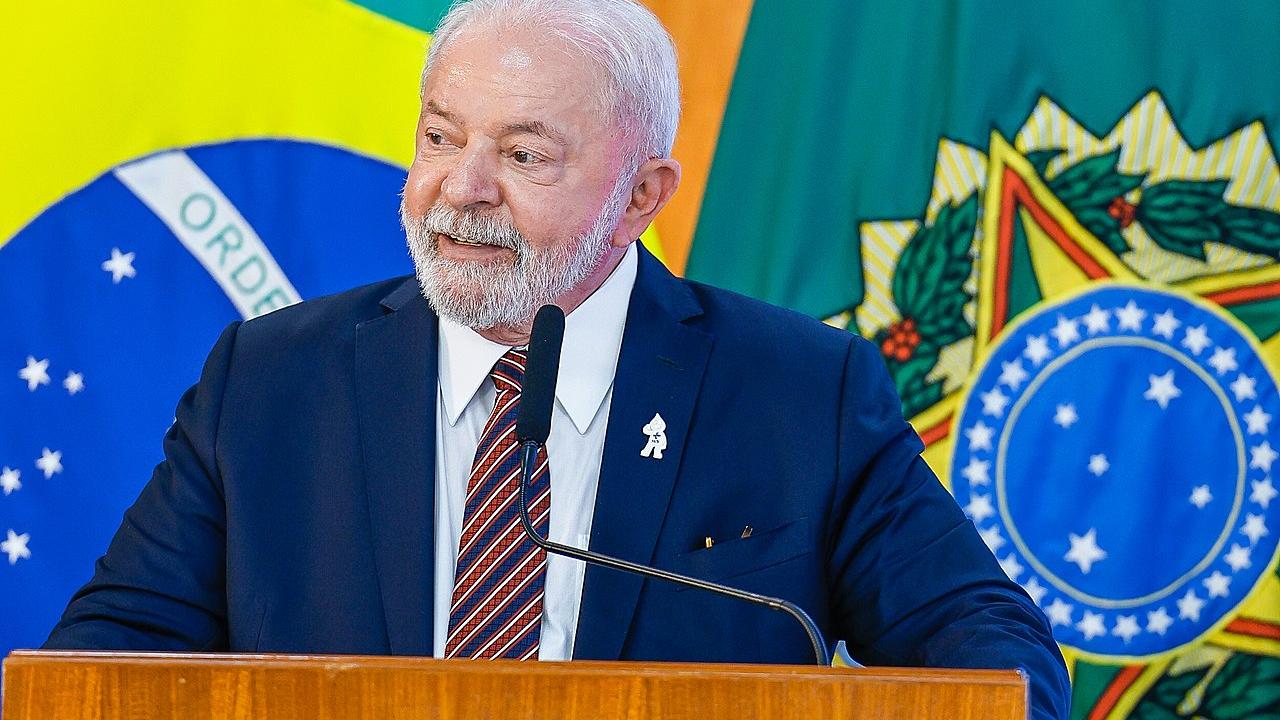
According to the executive order signed by the president, Brazil will immediately cease online gambling operations. Although the ban has taken effect, it still needs to be approved by Congress within 120 days to become permanent law.
The decision comes as polls show a close presidential race between Lula and right-wing senator Flavio Bolsonaro. Flavio is the eldest son of former President Jair Bolsonaro, and the two will compete directly in the first round of the presidential election on October 4.
The Brazilian government stated that the main reason for the ban was the growing gambling problem. The government is concerned that more and more households are pouring their income into online gambling, eroding household budgets and driving household debt levels to historic highs.
Recent opinion polls show that about three-quarters of Brazilians support a complete ban on online gambling, which also provides the political basis for the government to take tough measures.
When announcing the policy, Finance Minister Dario Durigan said that online gambling has evolved into a public health problem and its social impact is very serious. He believes the financial pressure on so many families due to gambling losses can no longer be ignored.
According to government arrangements, gambling websites can still maintain limited operations before October 5 so that users can withdraw the remaining funds in their accounts. From October 6, app stores and Internet service providers will be required to block relevant websites.
At the same time, the Lula government also launched a new household debt relief plan, hoping to ease residents' debt burden and improve household financial conditions.
Faced with the ban, the opposition was quick to criticize.
Flavio Bolsonaro, at a campaign event in Rio de Janeiro, accused Lula's government of "populist, hypocritical and politically motivated" measures. He believes that the president's sudden and extreme actions against the gambling industry before the election were more motivated by campaign considerations than real solutions to social problems.
In fact, the development of online gambling in Brazil has experienced rapid expansion.
In 2018, then-President Michel Temer pushed for the legalization of online gambling. However, in the following years, the industry has lacked unified supervision. It will not be until 2023 when Lula signs a new bill to formally establish a regulatory framework and explicitly allow online casino games and sports betting to operate legally.
As of January 2025, operators who are licensed and meet regulatory requirements have been allowed to operate across the country. Operating a business is subject to franchise fees and government regulation.
As the industry rapidly expanded, however, so did the criticism.
Government officials believe that gambling losses are reducing household spending power and exacerbating public dissatisfaction with economic conditions. Although Brazil's current unemployment rate is at a low level and inflation is relatively stable, the problem of household debt still causes widespread concern.
The Brazilian Ministry of Finance estimates that residents across the country invest approximately 60 billion reais in online gambling every year, and the industry can generate approximately 10 billion reais in tax revenue each year. Although the gambling industry has become one of the important financial sources, the government ultimately decided to adopt a total ban citing social and family impacts.
Analysts believe that this decision means that the Brazilian gambling industry has experienced a dramatic transformation from full legalization to total ban in less than two years. At the same time, with the presidential election approaching, this policy may also become one of the important issues affecting voters' attitudes.
Comments