
Abstract:
As "Musk" directed by American documentary director Alex Gibney is about to expand its theatrical release, TikTok has permanently banned the film's official promotional account. The decision further fueled the controversy surrounding the documentary. Previously, TikTok and social platform
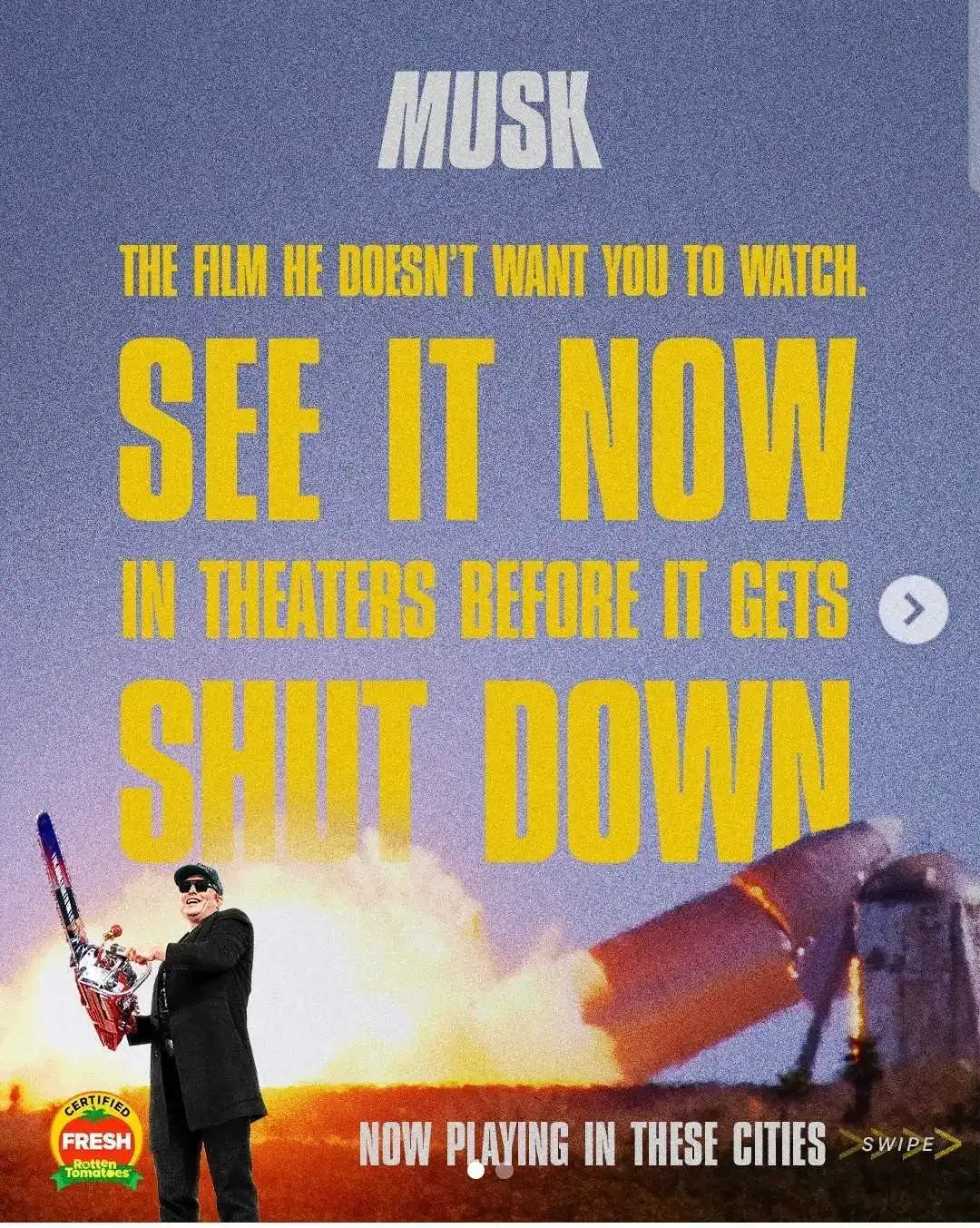
According to reports, the film distributor Bleecker Street received a notification from TikTok on Friday afternoon local time and learned that the film’s promotional account was about to be permanently banned. As of the time of the relevant reports, TikTok had not publicly stated the specific reasons and did not immediately respond to media requests for comment. Bleecker Street has also not officially responded to the ban.
It is worth noting that TikTok does not have a direct official affiliation with Elon Musk himself. However, Oracle co-founder Larry Ellison is one of the important figures in transactions related to TikTok's U.S. business, and he also appears in the documentary. A text message disclosed in the film shows that Ellison expressed his willingness to help Musk provide financial support for the acquisition of Twitter. This background makes TikTok’s ban on the video promotion account attract more attention, but there is currently no evidence that there is a direct connection between the account ban and Ellison’s appearance in the film.
This is not the first time that "Musk" has encountered promotion restrictions on large social platforms. Previously, film distributors have tried to place trailer ads on YouTube, Meta, X and TikTok, but they were all rejected. The handling of advertising content by relevant platforms at that time sparked controversy, with some platforms classifying relevant promotional content as political content.
YouTube and Meta later changed their stance. YouTube stated that the video trailer could be viewed normally on the platform before, but was temporarily restricted by the system when submitting paid advertisements. After review, it has been approved for placement. Meta admitted that the previous rejection was a mistake and said it would reinstate the relevant ads.
TikTok and X have not made similar adjustments and have not yet allowed this documentary to run paid advertisements. Now, TikTok has further banned the video's promotional account, which means that the controversy has extended from advertising review to the use rights of the account itself, which has a more direct impact on the film's ability to reach potential audiences through social media.
This decision occurred during a critical period when the film was expanding its release scale. The documentary "Musk" is directed by Alex Gibney, a well-known investigative documentary director. It is nearly four hours long and covers Musk's technology career, personal life, and his political connection with US President Donald Trump. The film attracted widespread attention after its premiere at the Venice Film Festival and has gradually expanded its screening scope in U.S. theaters.
Before the account was banned, the film promotion account posted a satirical content, calling on viewers to watch the film before it was banned. The account was subsequently removed from the platform, making this promotional content unexpectedly one of the most concerning details in the entire incident.
Currently, TikTok has not explained in detail the basis for the permanent ban, nor has it publicly stated which piece of content or behavior triggered the platform’s decision. Therefore, the outside world is still unable to determine whether the ban stems from the film’s promotional content, the platform’s political content policy, or other violations.
This incident has once again triggered discussions about the content review of social platforms, political advertising rules, and the space for the dissemination of cultural works. For a documentary involving a well-known technology entrepreneur and his political influence, whether the platform allows its promotional content to reach users may directly affect the film’s exposure and audience size. However, until the platform announces a more specific explanation, it cannot be concluded that this ban is an act of censorship targeting the film’s views.
Comments