
Abstract:
According to internal Meta posts, the company is testing a "human housekeeper" mechanism for its new personal AI assistant Muse: Muse may outsource phone calls to humans without the user's knowledge, and call center personnel will complete the call instead of AI.
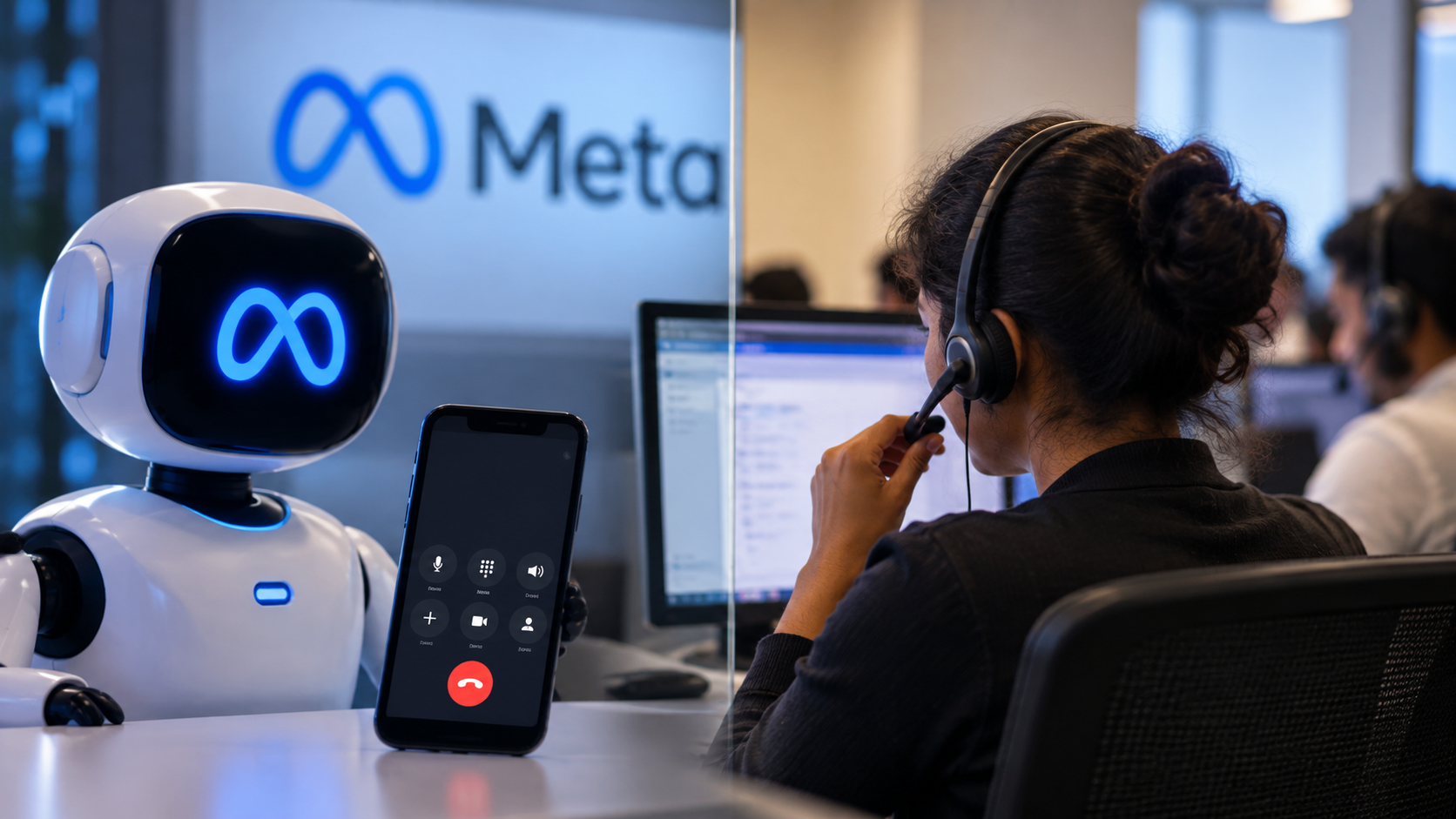
Muse is testing the "manual housekeeper" function
In the two weeks since its launch, Muse has firmly topped the U.S. application download list, instantly becoming popular in the U.S. market. This AI assistant can autonomously perform tasks such as sending emails, shopping, and booking trips on behalf of users.
Not long ago, Meta just launched Muse’s calling function. With the help of the call function, Muse users can instruct AI to call a U.S. merchant, and the AI will communicate with the other party to complete errands such as making an appointment for a haircut, checking store inventory, and obtaining quotes from multiple service providers.
But last week, Meta informed employees of an internal test of a "human housekeeper":
When Muse's call function encounters complex scenarios, the call may be transferred to a company contractor without the user's knowledge, and the call center personnel will complete the call.
A vice president of Meta Super Intelligence Laboratory said that some tests have shown that the success rate of human calls can be increased to 95%-98%, which is higher than the success rate of pure AI calls.
However, internal company posts also show that some employees have raised
privacy concerns
about manual intervention in calls. , warning that this model may cause sensitive information to be inadvertently leaked by AI to call center outsourcers.One employee wrote in an internal post: "It's hard for me to understand why we think this feature is worth the risk. All it takes is a bug to cause unnecessary information to be leaked to human operators."
Another employee also specifically mentioned an incident of racial discrimination: He once asked Muse to call the network cable TV operator to negotiate the bill, and the call records showed that the outsourced staff made racially charged remarks during the call.
In this regard, the vice president of Meta Super Intelligence Laboratory admitted that initiating outsourced personnel to make phone calls without sufficient notification was a "mistake" and said that the company had temporarily rolled back the function.
She also apologized to the employee who reported the racial remarks during the call, and promised that the outsourcing personnel involved would not participate in any Meta projects in the future.
Using "artificial intelligence" to pretend to be "artificial intelligence"?
This test by Muse gives the outside world a glimpse into a not uncommon operation in the technology industry: technology companies may rely on human power behind the scenes to fulfill their promotional promises of so-called "autonomous AI."
This is reminiscent of an experiment conducted by Meta ten years ago. Meta, which was still called "Facebook" at the time, was testing a digital assistant called M in Messenger. Subsequent media reports estimated that about 70% of the assistant's tasks were actually completed manually.
When asked about Muse's "artificial butler" solution, a Meta spokesperson said that employee feedback was "generally very positive" and that the purpose of this test was to "collect feedback to implement security and privacy protection mechanisms and optimize functions before the official release."
Meta spokesperson Daniel Roberts said: "We are working with merchants to continue to optimize this potential calling feature. It will not be officially launched until it is ready and the terms are fully communicated."
Data from market intelligence agency Sensor Tower shows that Meta’s Muse has been downloaded more than 2.5 million times since its launch.
Since the release of the product, Meta's stock price has soared by more than 20%, and its market value has increased by more than 200 billion US dollars. As of the close of trading on Monday, it hit a new high in more than seven months. However, the stock edged down 0.6% on Tuesday.
Comments