
Abstract:
Meta executives recently stated that the results of the 2026 U.S. midterm elections may make it more difficult for technology companies to build data centers in the future. As the Democratic Party achieved a significant victory in this election, the controversy surrounding the development of data centers and artificial intelligence infrastructure is heating up. Meta is worried that this political and social opposition may affect its future investment plans.
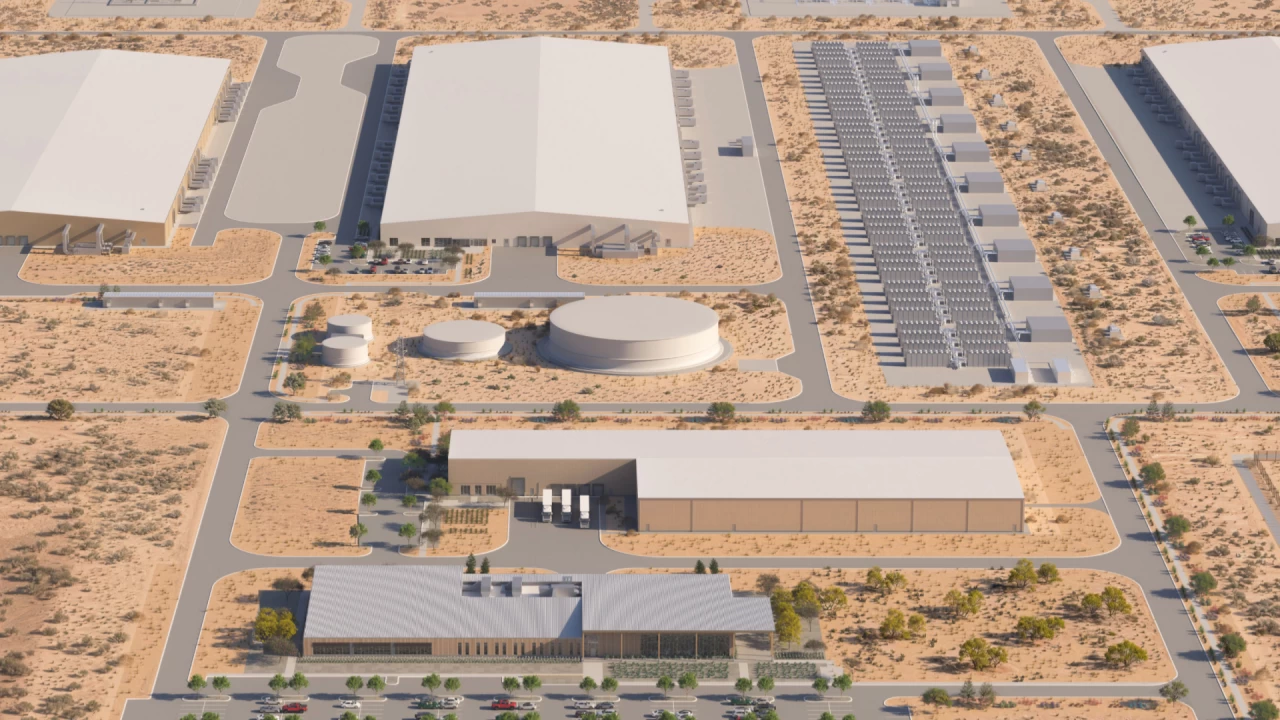
At the recent Wall Street Journal Technology Conference, Meta President Dina Powell McCormick said that the technology industry has failed to fully explain to the public the value and benefits of data center investment in the past. Therefore, in the current political environment, companies will face new challenges in advancing related projects.
Data center construction has become one of the most controversial topics during the US midterm elections. Opponents believe that large data centers will occupy a large amount of land resources and bring about problems such as electricity, water and community environmental pressure. Democratic candidates have made data center development a campaign issue in many areas, emphasizing its possible negative impact on environmental safety, residents' living costs and local resources, thereby winning the support of some voters.
McCormick pointed out that for ordinary people, the most intuitive physical manifestation of artificial intelligence is data centers, and many people do not want such large facilities to appear in their communities. She believes that the core of the problem is not only the data center itself, but also reflects the public's concerns and distrust about the overall development of artificial intelligence.
She said that Meta believes that as long as it can show the public the actual value that artificial intelligence technology and data center projects bring to local communities, it will have the opportunity to change the current negative social perception. She emphasized that who builds the technology system that can drive medical breakthroughs and improve access to educational resources in the future will have a profound impact.
McCormick also cited the philosophy of Meta CEO Mark Zuckerberg, saying that the company has always emphasized that technology should serve human beings rather than replace them. She said that Meta hopes to promote the popularization of technology so that more people can have fair and transparent access to the opportunities brought by artificial intelligence, thereby preventing social groups from being marginalized by technological development.
As one of the world's largest Internet companies, Meta said it has more than two decades of experience in data center construction. The company currently operates data center facilities in 23 states in the United States and plans to build five large new data centers with a power of 1 gigawatt or more, including a project in Texas.
However, the company is worried that as some politicians use their opposition to data center construction as a campaign idea and gain support, the approval and implementation process of new projects may become more complicated in the future. McCormick admitted that building data centers has never been easy, and now the challenge may be further exacerbated.
At the same time, she also pointed out that Meta is gradually exploring a development model that is easier to obtain support from local communities. In the company's experience, communities tend to welcome data centers only when they clearly see that they will benefit from the project.
To gain community support, Meta has taken a number of measures, including covering the project's power costs itself, investing part of the tax surplus generated by the project into public services such as teachers and first responders, and prioritizing the hiring of local labor. The company believes that these practices can allow community residents to more directly feel the economic and social benefits brought by the project.
Although the controversy surrounding artificial intelligence and data centers continues, Meta said it will continue to promote related infrastructure construction and strive to explain its long-term value to the public. However, as the political environment in the United States changes and local opposition intensifies, the development speed of large-scale AI data center projects in the future may face more uncertainty.
Comments