
Abstract:
Microsoft 365 experienced a large-scale service outage on November 12. Many core services such as Outlook, Teams, and Exchange Online were affected. Some users were unable to send and receive emails, access files, or use collaboration tools for several hours. Microsoft said that the fault is still being processed, and although there are signs of recovery in some areas, the overall service has not yet been fully restored.
The scope of this failure is quite wide. According to the media's testing and user feedback, affected services include Outlook, Microsoft 365 office applications, Teams, Copilot, OneDrive, Microsoft Store for Windows, and Azure. Microsoft confirmed in service health advisory MO1550821 that enterprise services such as Exchange Online, SharePoint Online, and Defender XDR are also affected.
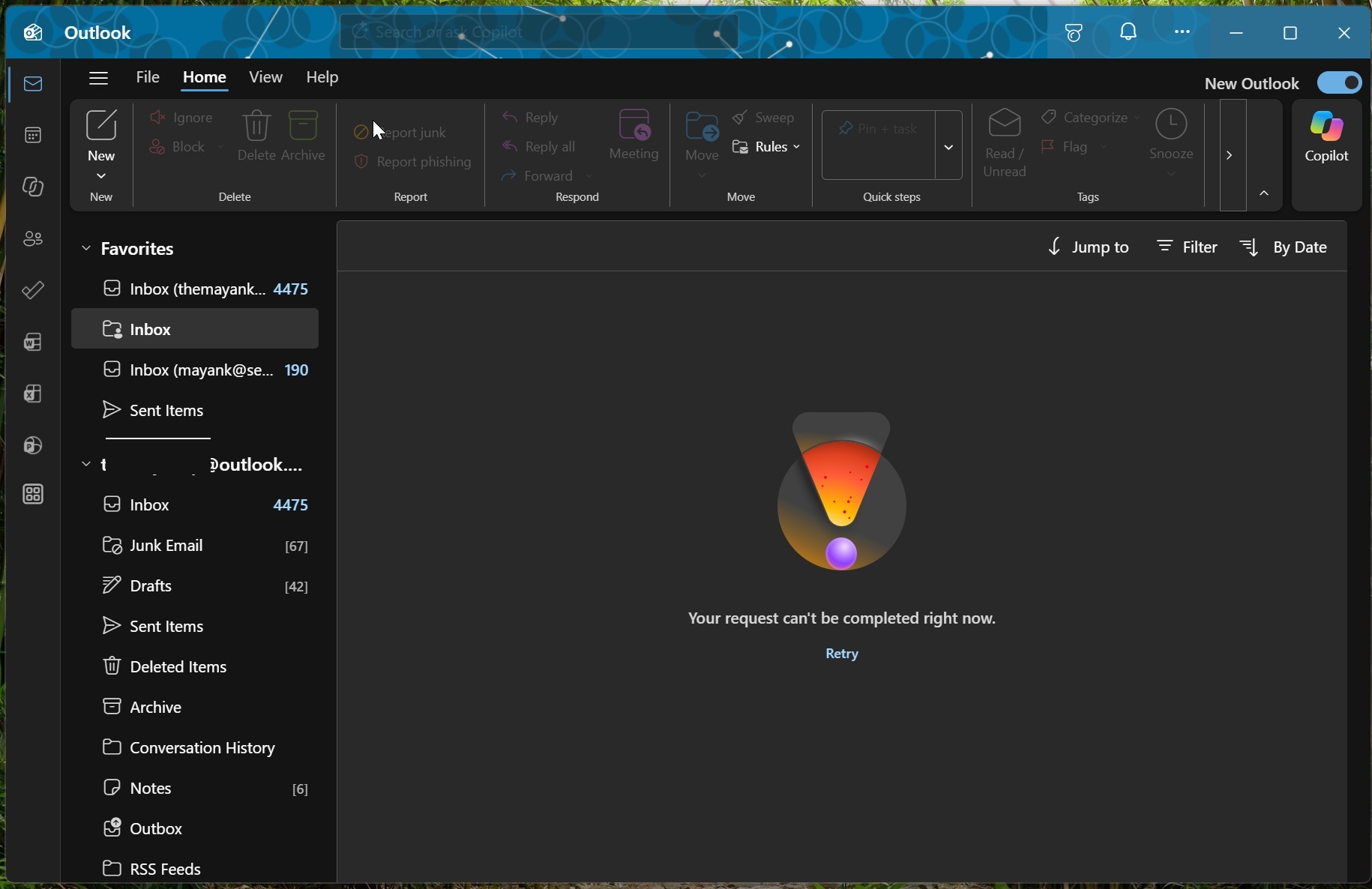
Microsoft stated that the problem was not caused by a sudden increase in user visits, but that some servers were unexpectedly unavailable, causing the remaining servers to bear excessive loads. Due to reduced infrastructure capacity, the system experienced connection errors and abnormal service response. To relieve the pressure, Microsoft paused some deployment operations, freed up server memory, and tried to redistribute traffic between different infrastructures while restarting affected servers.
Microsoft later discovered that a process on the affected server responsible for establishing secure connections may have fallen into an abnormal state due to excessive load, causing the server to be unable to continue processing requests. The company is testing configuration adjustments and trying to undo a network configuration change related to the time of the outage. However, the abnormality may still occur again after the server is put back into use, so the recovery work is not smooth.
This failure not only affects ordinary enterprise users, but also affects some government agencies, schools and public service departments. As Microsoft 365 has become the daily office infrastructure of many organizations, problems with email, conferencing, file sharing and cloud office services have occurred simultaneously, causing real impact on organizations that rely on these systems to conduct business.
However, for affected paying enterprise customers, this failure may bring certain opportunities for compensation. Service level agreements (SLAs) between Microsoft and enterprise customers often include availability commitments, and customers can apply for service credits when a specific service fails to meet agreed-upon uptime standards.
According to Microsoft's April 2026 version of the volume licensing agreement, it was found that Exchange Online's service deduction standards are divided into three levels: when the monthly service availability is lower than 99.9%, eligible customers can apply for a deduction equivalent to 25% of the relevant service fees; when it is lower than 99%, the deduction ratio is 50%; when it is lower than 95%, the deduction ratio is 100%.
But these ratios do not mean that customers will directly receive corresponding discounts on the entire Microsoft 365 subscription fee. Reimbursement will only be for the specific eligible service charges in the agreement and will be prorated based on the affected services and duration of the outage. For example, if an enterprise purchases an Office 365 package that includes multiple services, but only SharePoint is affected, then compensation is usually only for the service fee corresponding to SharePoint, not the entire package.
Another area of misunderstanding is how service availability is calculated. Rather than simply determining compensation based on how many hours the global outage lasted, Microsoft calculated Exchange Online availability in user minutes. This means that the number of affected users, how long the service was actually unavailable, and whether the service was restored intermittently all affect the final calculation.
Taking the 30 days of November as an example, there are 43,200 minutes in the whole month. If all eligible users of an organization experience more than 43.2 minutes of effective downtime in the month, service availability may be lower than 99.9%; if the cumulative downtime exceeds 432 minutes, which is 7 hours and 12 minutes, it may be lower than 99%. But if only some users are affected, or if service is restored intermittently during an outage, the end result will be different. Therefore, a global outage lasting seven hours does not mean that all customers automatically receive a 50% service credit.
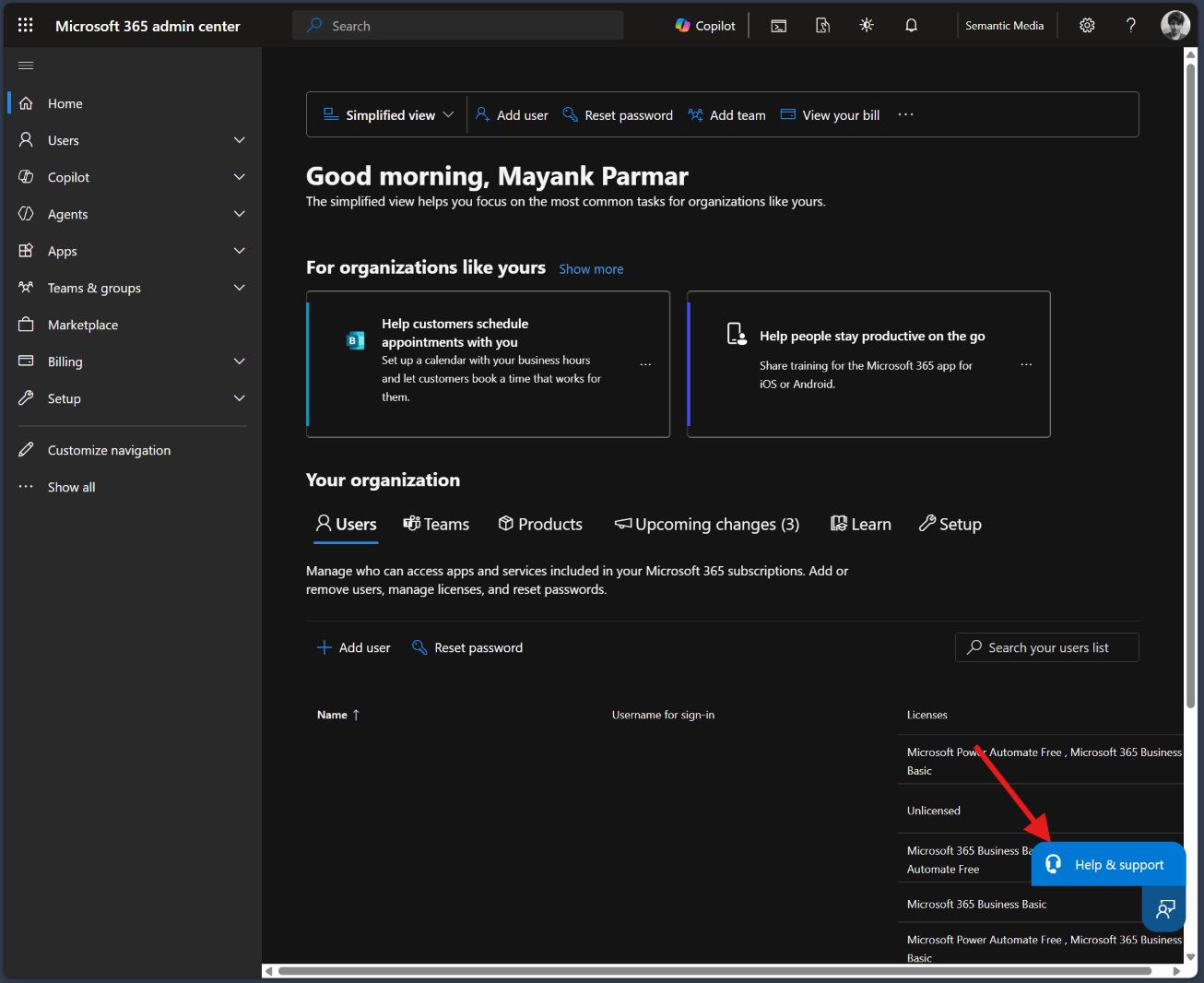
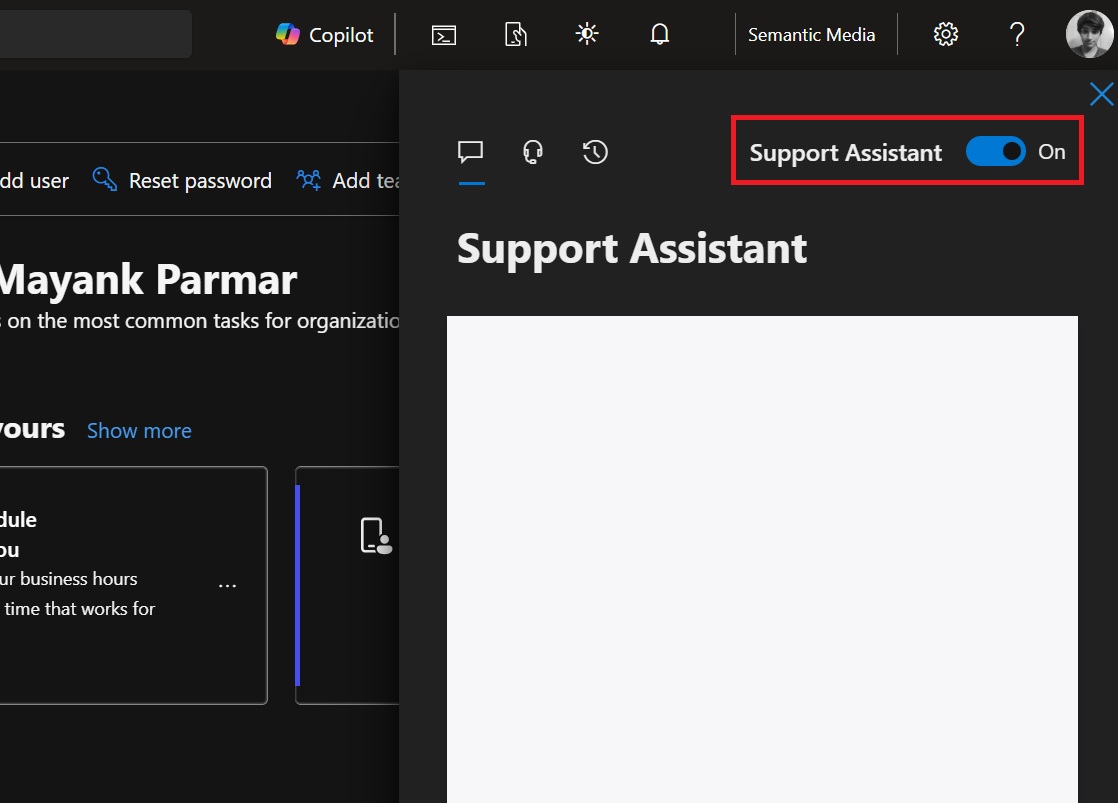
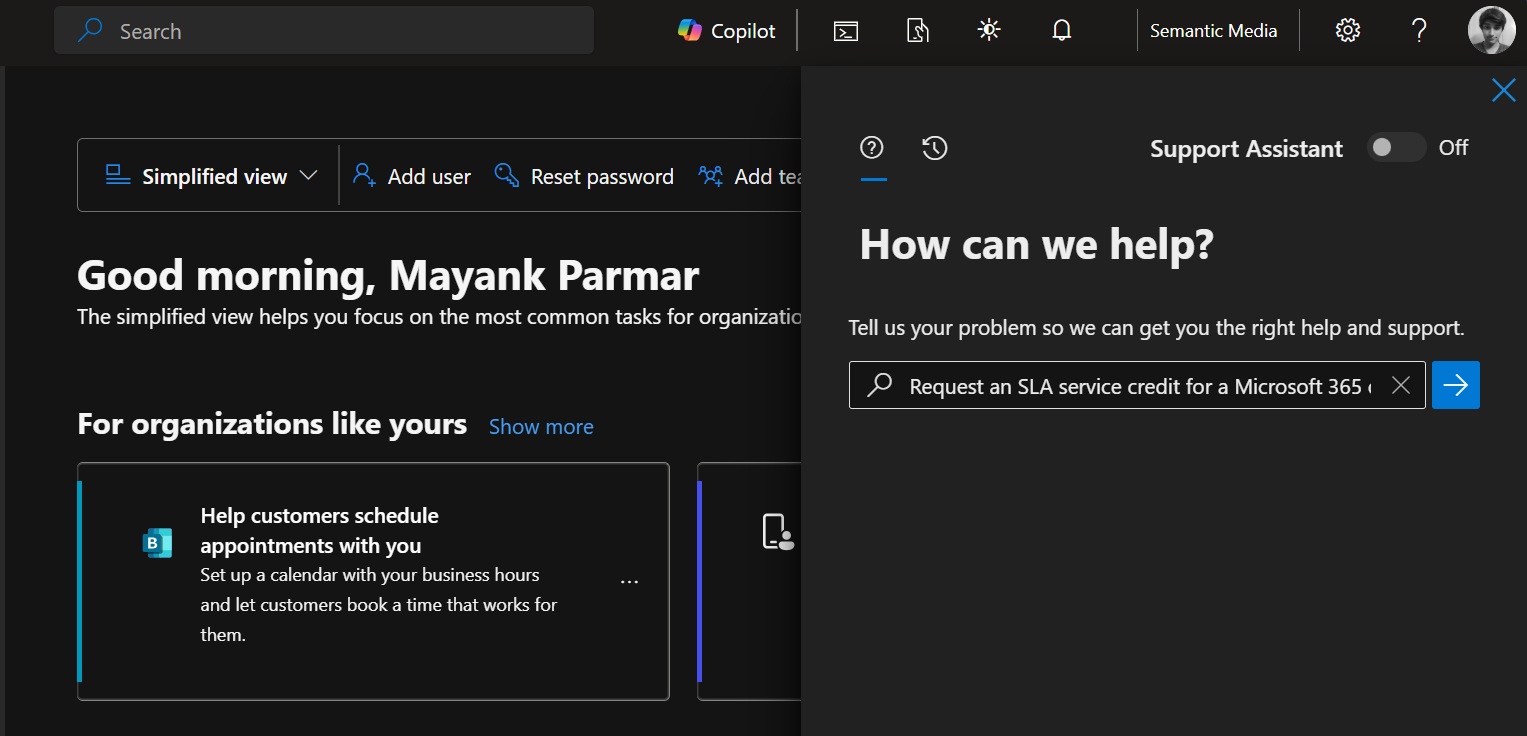
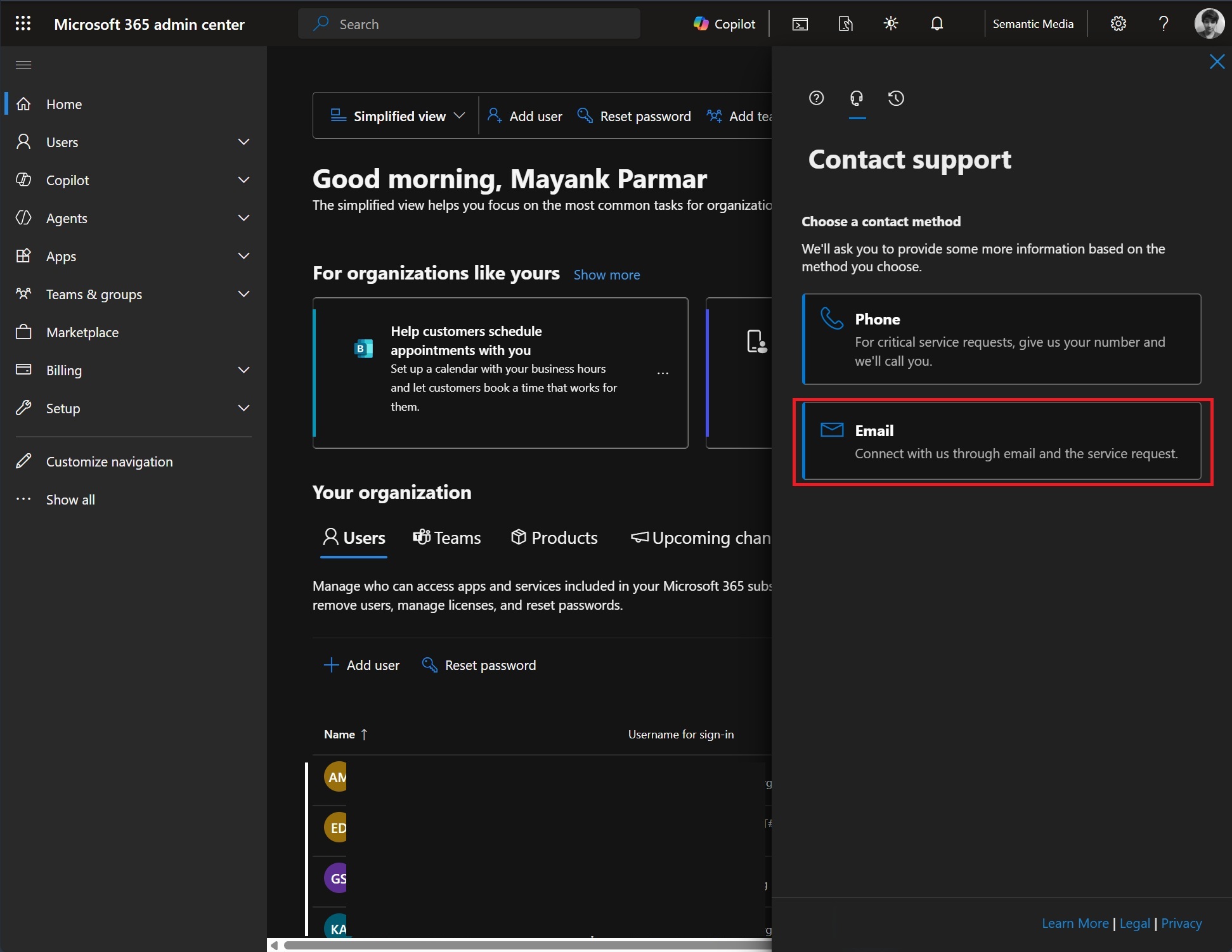
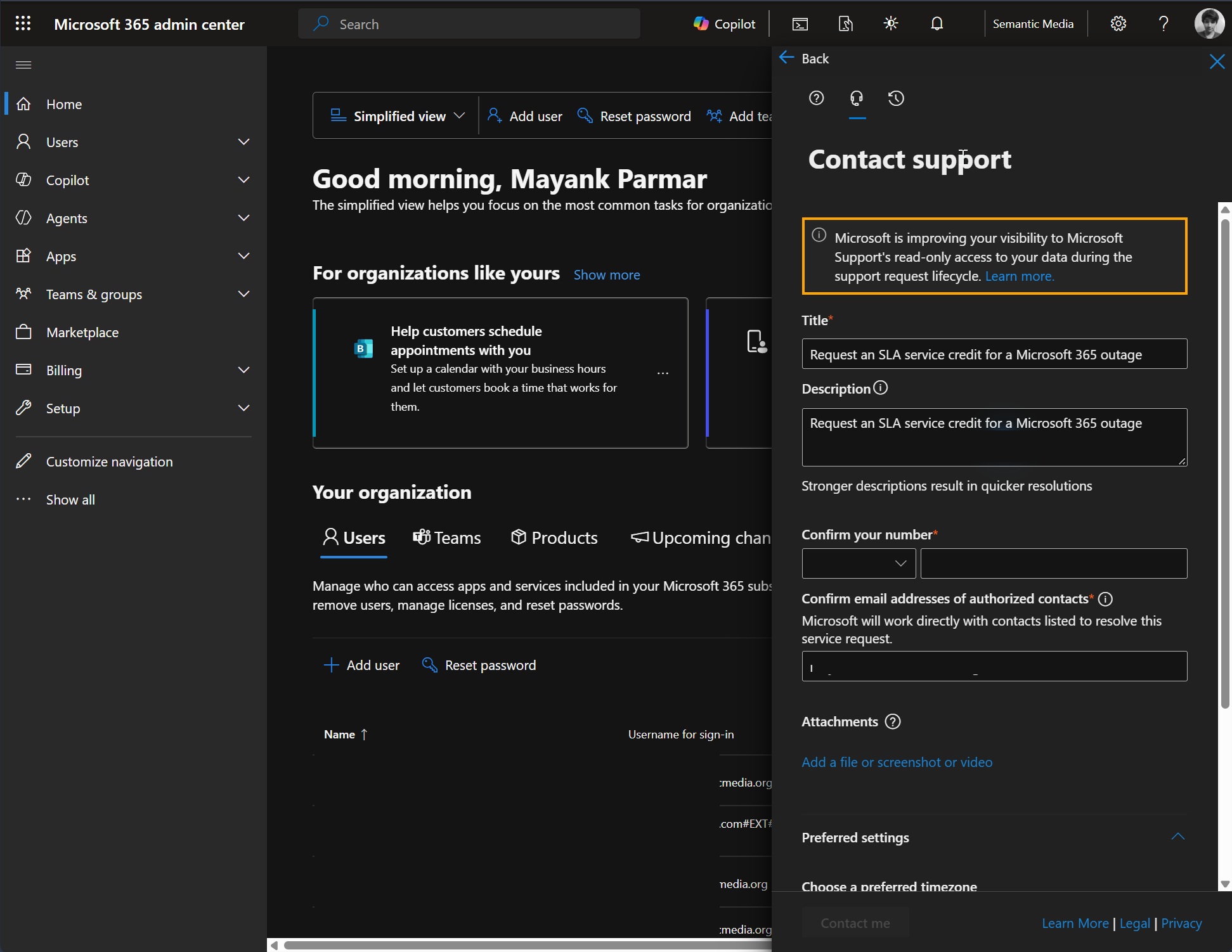
If enterprise customers want to apply for compensation, they need to proactively make a request to Microsoft. Organizations that purchase Microsoft 365 directly from Microsoft can submit a support ticket through the Microsoft 365 Management Center and request Microsoft to review whether the incident meets the SLA compensation conditions. You can provide relevant incident numbers when applying, such as Exchange Online fault number EX1550543, and MO1550821 involving the overall Microsoft 365 service.
Microsoft also recommends that customers prepare detailed failure records, including affected services, work that could not be completed, failure start and recovery times, the number of affected users and their regions, as well as error screenshots, support tickets and previous troubleshooting measures. If the customer is purchasing the service through a reseller or cloud solution provider (CSP), the customer should contact the appropriate vendor for assistance in submitting the application.
There is a time limit for application. According to the terms of the agreement cited in the report, customers need to submit their requests within one month after the end of the billing month in which the outage occurs, so companies should not put applications on hold for long.
As for ordinary individual users, if they use a free Outlook.com account or a personal email service, they usually do not meet the above enterprise SLA compensation conditions. Even if individual users are unable to access their mailboxes during the outage, that doesn't mean Microsoft has to provide credits under its Enterprise Services Agreement.
This incident once again exposed the risks caused by the centralization of large-scale cloud services. Microsoft 365 integrates email, office software, file storage, instant messaging and cloud infrastructure into the same ecosystem. Although it has greatly improved the efficiency of enterprise collaboration, once the underlying infrastructure fails, the impact may quickly spread to multiple business links. For enterprises that rely heavily on cloud services, establishing backup communication channels and local emergency office solutions has become an important measure to reduce such risks.
Comments