
Abstract:
A new blood test technology designed to detect pancreatic cancer early has made important progress recently. Researchers said that this experimental detection method called PANXEON can not only identify early-stage pancreatic cancer with high accuracy, but also detect some high-risk precancerous lesions that have not yet developed into cancer, buying more time for clinical intervention.
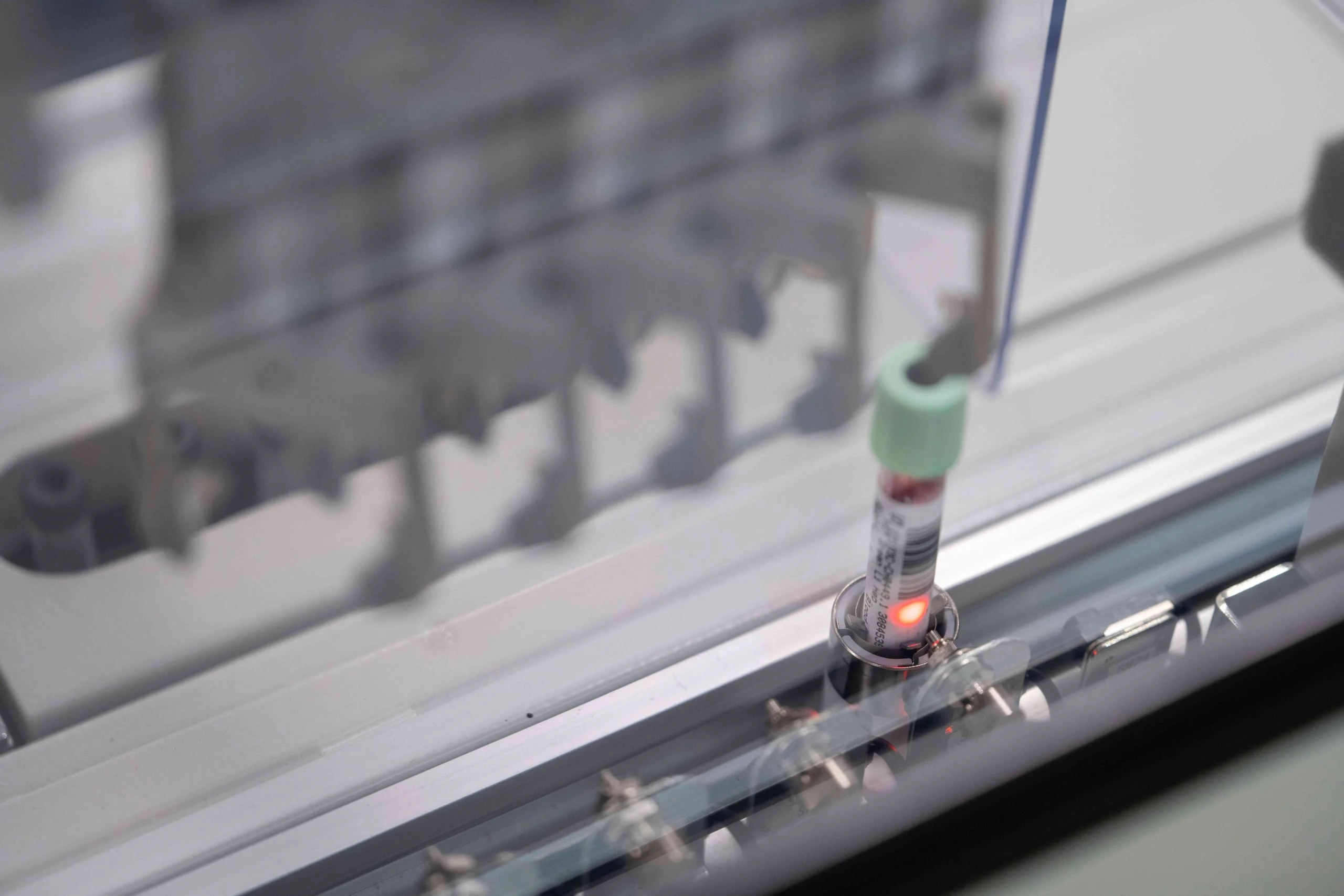
This international study was led by the research team of the City of Hope National Medical Center (City of Hope) in the United States, and the relevant results have been published in the journal Nature Medicine. The study included nearly 1,800 subjects from the United States, Europe and Asia, aiming to verify the actual performance of the detection technology in different countries and medical settings.
Pancreatic cancer has long been considered one of the most difficult to treat malignancies. Because the disease often lacks obvious symptoms in its early stages, most patients have cancer cells that have already spread by the time they are diagnosed. Research data shows that about 90% of patients with pancreatic cancer are discovered only after the disease has entered an advanced stage. The disease also has one of the lowest survival rates among all major cancers, with a five-year survival rate of only about 14%.
For people with family history or other high-risk factors, clinical surveillance usually relies on imaging examinations and other professional screening methods. However, these methods are often costly, some tests are invasive, and their ability to detect early lesions is still limited.
PANXEON, developed by the research team, hopes to provide doctors with a new screening tool. Different from traditional single biomarker detection, this technology simultaneously analyzes multiple biological signals related to pancreatic cancer, such as circulating microRNA, exosome microRNA, and CA19-9 protein in the blood. This information is then comprehensively analyzed using an artificial intelligence system, and ultimately an assessment result reflecting the risk of disease is generated.
In this study, PANXEON’s detection rate for stage I and stage II pancreatic cancer reached 87%. The researchers believe this means many patients have the opportunity to receive a diagnosis while the disease is still in an operable and curable stage, rather than waiting until the cancer cells have spread.
In addition to identifying early-stage cancers, this technology can detect precancerous lesions called "high-grade dysplasia." The lesion is often considered "stage 0 pancreatic cancer," meaning the cells are obviously abnormal but have not yet developed into true invasive cancer.
Research results show that PANXEON successfully identified more than 64% of high-grade dysplasia cases. The researchers say this ability is of particular clinical value because many patients with pancreatic cysts do not necessarily develop cancer, and accurately identifying high-risk lesions can help doctors decide which patients need increased monitoring or even earlier treatment.
Ajay Goel, the leader of the research team, said that advancing cancer staging is not just a change in statistics. For patients with pancreatic cancer, the earlier the disease is detected, the better the chance of truly effective treatment. He believes that improving the early detection rate is one of the most important breakthrough directions to improve the survival status of pancreatic cancer.
The researchers also pointed out that PANXEON is still in the research stage and has not yet become a routine clinical screening tool. Although the results of this large international study are encouraging, future larger prospective studies are needed to further validate its long-term performance and screening value in real high-risk populations.
Nonetheless, the research is seen as an important advance in the field of early diagnosis of pancreatic cancer. For a long time, pancreatic cancer has been often called the “silent killer” due to the lack of effective screening methods. The emergence of new liquid biopsy technology combined with artificial intelligence analysis is providing the medical community with a new idea that is more convenient and has the potential to be promoted on a large scale.
If follow-up studies continue to yield positive results, in the future doctors may be able to detect pancreatic cancer and its precancerous lesions with a simple blood test before symptoms appear, significantly improving patients' chances of receiving timely treatment.
Comments