
Abstract:
Google is further expanding the application scope of the Android automotive ecosystem and announced important progress in the game development platform on Android Auto and Android Automotive OS. As related functions gradually move from the testing stage to officially available status, developers can now release in-vehicle applications and games more directly to real vehicles and users.
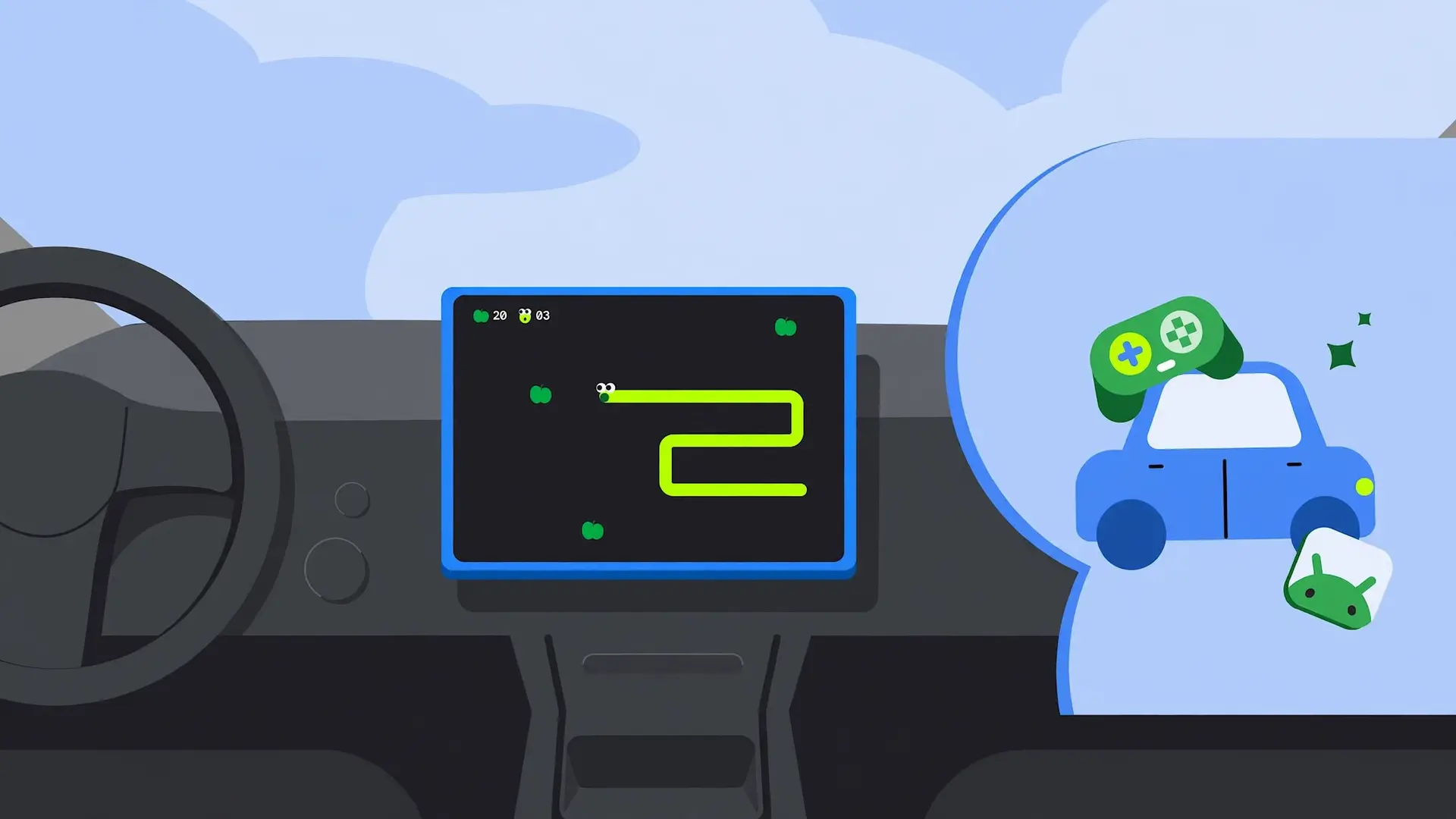
This adjustment is particularly noteworthy for in-car games. Google has previously allowed developers to develop specialized games for cars, but related functions have been mainly in the testing phase for a long time. Now, developers can submit and publish in-car games that meet the requirements through the official release channel of Google Play, which means that in-car games have begun to gradually transform from experimental features to formal application categories in the Android automotive ecosystem.
However, Google has set very clear security restrictions for in-car games. The game must be able to recognize whether the vehicle is currently parked and can only run when the vehicle is parked and in a state that allows game use. In other words, the game cannot allow the driver to operate it while driving, nor can it in any way encourage users to play the game while driving.
This restriction is an important part of Google's car app strategy. Unlike regular phones and tablets, apps in cars need to consider driving safety, so Google has placed additional restrictions on the types of apps that can run on the vehicle's screen and what the apps can do.
With Android Auto, the app typically runs on a connected Android phone and displays the interface through the vehicle's infotainment system. Android Automotive OS runs directly in the car's own infotainment system without relying on a mobile phone. Although both belong to Google's Android car ecosystem, the underlying architecture and application operation methods are not exactly the same.
Google's expanded official launch scope also means that car manufacturers and developers can build a more complete entertainment ecosystem around the Android car platform. In the past, the entertainment functions available to passengers in cars were relatively limited. However, as the performance of on-board computing platforms continues to improve, car screens are gradually becoming a new application and content carrier.
For developers, one of the biggest changes entering the official release phase is that they no longer need to rely solely on internal testing or limited test users. As long as the application meets Google's technical and security requirements for the automotive environment, developers can provide services to real users through Google Play's production release channel.
Car games are only part of Google’s automotive application ecosystem expansion. As more and more cars are equipped with Android Automotive OS and Android Auto becomes more popular in a large number of vehicles, Google hopes to allow developers to develop applications for cars in a relatively unified way without having to build completely different software systems for each car manufacturer.
However, the development of the automotive application ecosystem is still affected by factors such as vehicle hardware, car manufacturer policies, and driving safety requirements. In particular, entertainment content such as games and videos must strictly distinguish between vehicle driving and parking states, which is significantly different from application development on mobile phones and tablets.
Google has pushed Android Auto and in-car game-related functions further to the officially available stage, which means that cars are becoming a more formal part of the Android application ecosystem. In the future, as more car manufacturers adopt Android Automotive OS and more developers join in the development of in-vehicle applications, the entertainment and service content that users can use during parking is expected to continue to increase.
For Google, this is not only a matter of adding a few in-car games, but also means that the application ecosystem of Google Play is further extending from mobile phones, tablets and other devices to cars. As cars gradually become computing platforms with independent operating systems, networking capabilities, and large displays, in-vehicle applications may also become an important part of the future of the Android ecosystem.
Comments