
Abstract:
Google has quietly removed its Pixel Tablet from a prominent position in its official online store. This unusual move, combined with recent news of hardware R&D adjustments in the supply chain, has triggered widespread speculation that Google may once again abandon its independent tablet hardware business.
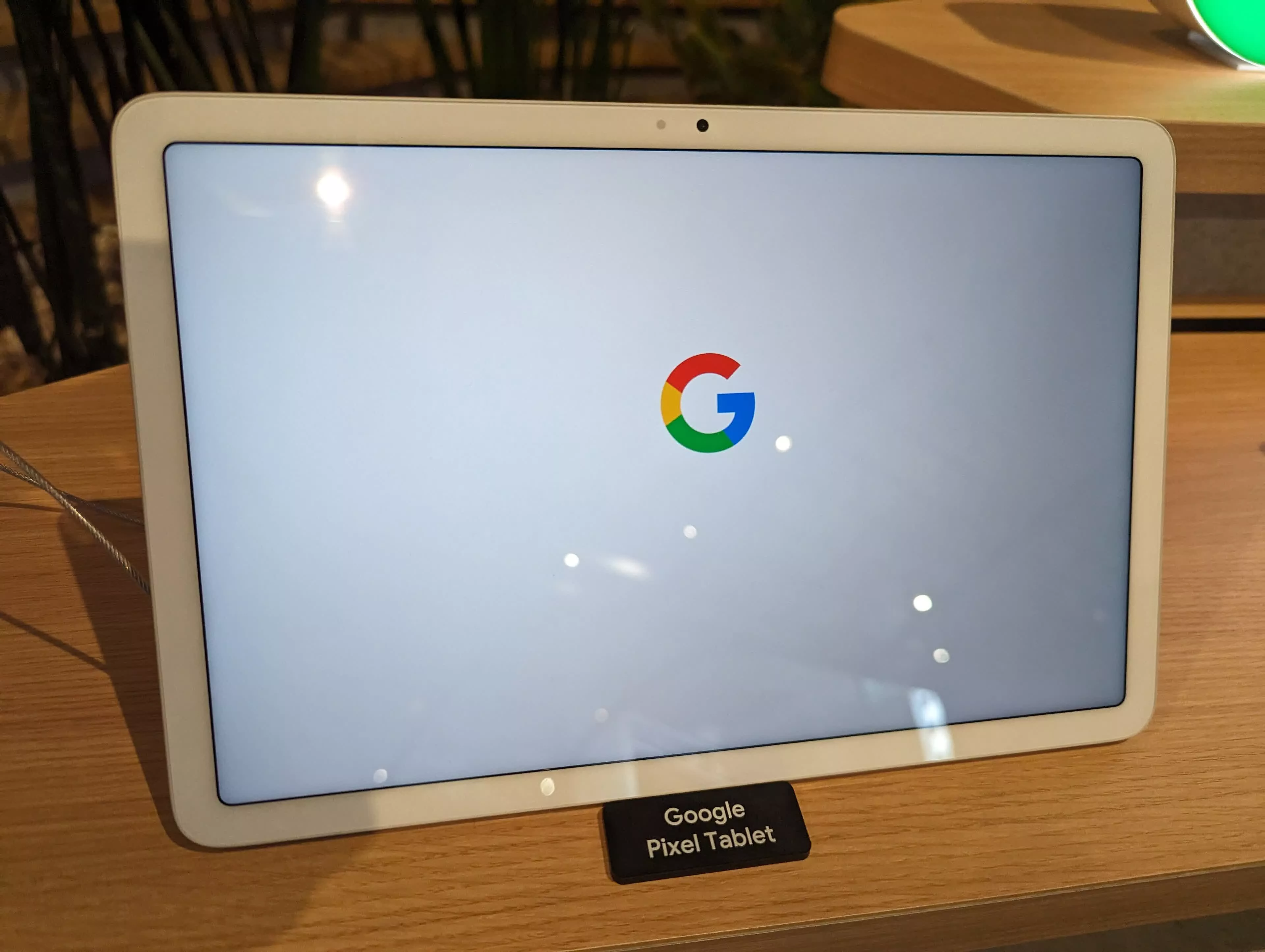
In the latest navigation and hardware display page of the Google official mall, the Pixel Tablet, which has been promoted as the core hub of smart home and mobile computing, is nowhere to be found. Although consumers can still search for the device through specific direct links or clearance channels of very few third-party authorized retailers, it has been removed from the official homepage and the "Pixel Product Family" category list. For a first-party masterpiece that carries Google’s ambition to return to the large-screen computing ecosystem, this approach of being directly downgraded and marginalized on the official website without announcing any new replacement products is usually regarded as a clear signal that the product line has entered the end of its life cycle.
The Pixel Tablet was first unveiled in 2023. At that time, Google tried to enter the tablet market firmly occupied by Apple iPad and Samsung Galaxy Tab through differentiated product positioning. The device is innovatively equipped with a magnetic speaker base as standard. When the tablet is detached from the base, it is used as a standard Android large-screen entertainment terminal. When it is adsorbed and fixed on the base, it automatically transforms into a smart speaker with a screen (Nest Hub), taking into account home central control, picture frame display, and audio and video playback. However, this "two-in-one" cross-border compromise design received a mediocre response after it was actually launched on the market. Its relatively mediocre screen refresh rate, lack of exclusive stylus and professional productivity keyboard accessories ecosystem, and the Android system's stubborn third-party application adaptation problems that still exist on large-screen tablets make it difficult for this device to establish its core advantage when facing competition from traditional professional tablets.
At the same time, leaked information from the supply chain and internal product roadmap further confirms the contraction of Google's hardware strategy. Previously, the industry generally expected that Google would launch the second-generation Pixel Tablet (codenamed "Kiyomi") equipped with a self-developed Tensor G4 or more advanced process chip and equipped with productivity accessories such as keyboard covers. However, multiple people familiar with the matter revealed earlier that Google management has completely halted the subsequent iteration project internally after evaluating the profit expectations and resource priorities of the current hardware department. The high-end Pixel Tablet 3 R&D plan originally planned for 2027 is also at risk of being shelved.
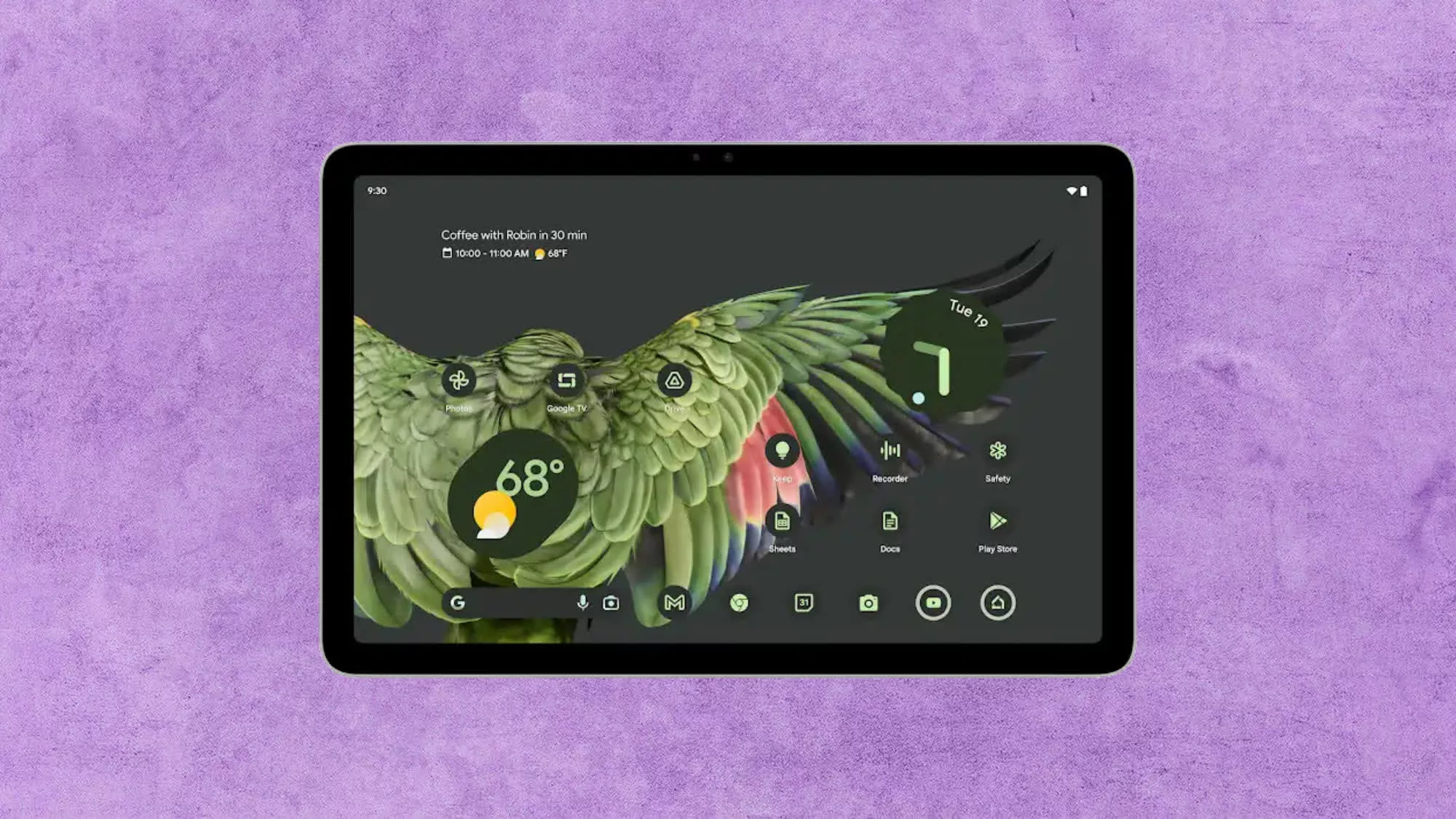
If this strategic adjustment is finally implemented, it will be the third time in the history of hardware development that Google has "defeated Macheng" in the field of tablet computers. As early as 2015, Google launched the Pixel C tablet based on the Android system, but it ended hastily two years later due to the lack of large-screen software ecology. In 2018, Google turned to the Pixel Slate hybrid two-in-one device equipped with ChromeOS. It also encountered Waterloo due to performance lag, unclear system positioning, and sluggish sales, prompting Google executives to publicly announce in 2019 that they would completely abandon the development of self-developed tablet hardware and instead focus on notebook and mobile phone businesses. It was not until a few years later, with the rise of large-screen folding phones and the reconstruction of Android's underlying large-screen API, that Google decided to make a comeback with the Pixel Tablet.
Hardware industry analysts pointed out that Google's renewed wavering in the tablet business reflects the strategic focus of large technology companies under the dual pressures of fierce competition in computing power and macro cost control. Facing the change in computing paradigm driven by artificial intelligence, Google is highly concentrating its core engineering resources, capital expenditures and self-developed Tensor chip production capacity on Pixel regular smartphones, folding screen flagships and data center AI acceleration hardware. For the tablet category that lacks sufficient shipment support, has a long software ecosystem monetization chain, and faces Apple's absolute dominance, shrinking the front line may become a pragmatic stop-loss decision that Google has to make. As of now, Google officials have not publicly commented on the specific reasons for removing the Pixel Tablet from stores or the long-term future of the hardware product line.
Comments