
Abstract:
Today, when smartphones generally pursue large screens, high performance and multiple cameras, Brax Technologies has launched a new product with a completely different design concept - Brax Wink. The phone adopts an appearance similar to a classic BlackBerry phone, combining a physical keyboard, modular design and hardware-level privacy controls in an attempt to provide another option for users who value the security of their personal data.
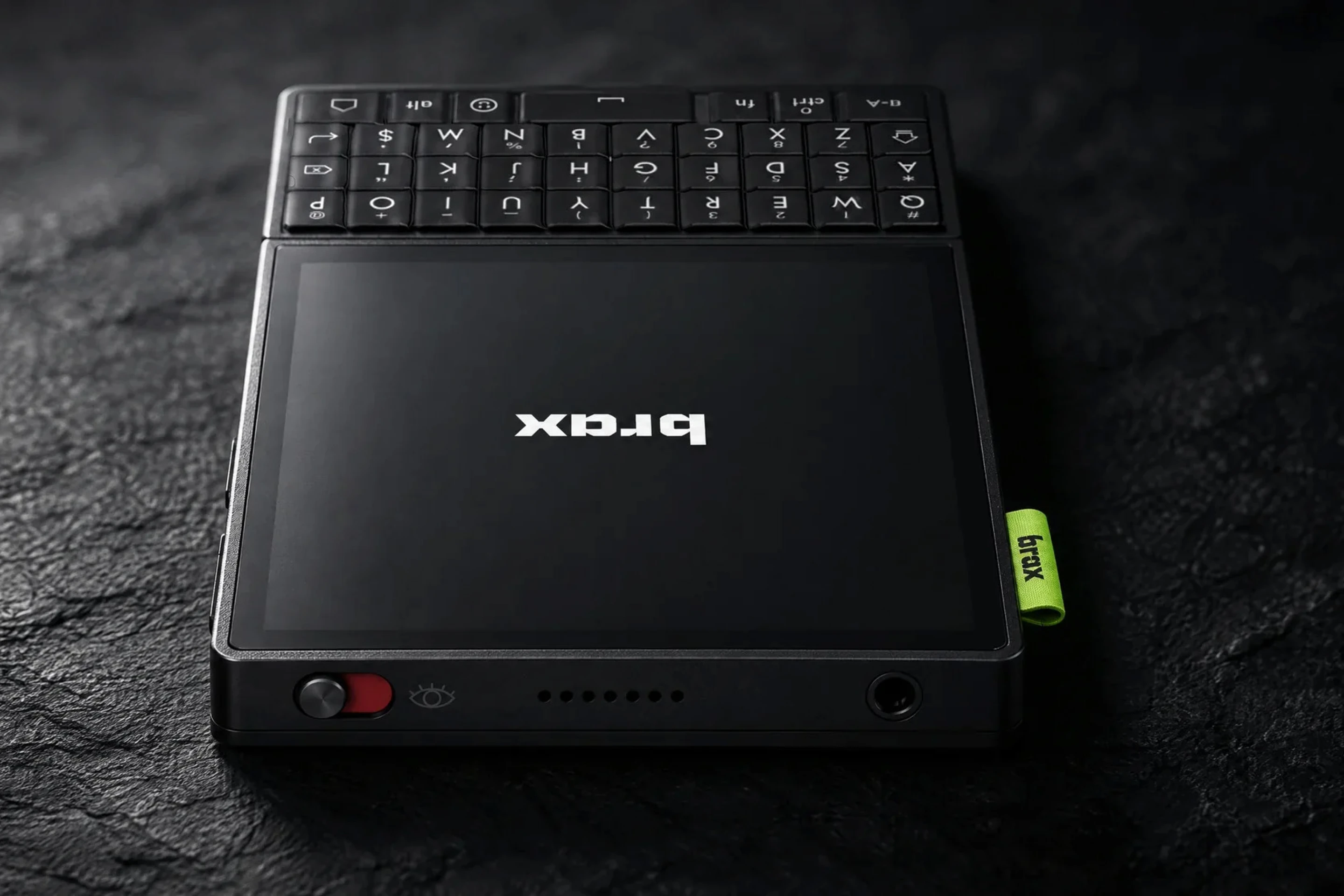
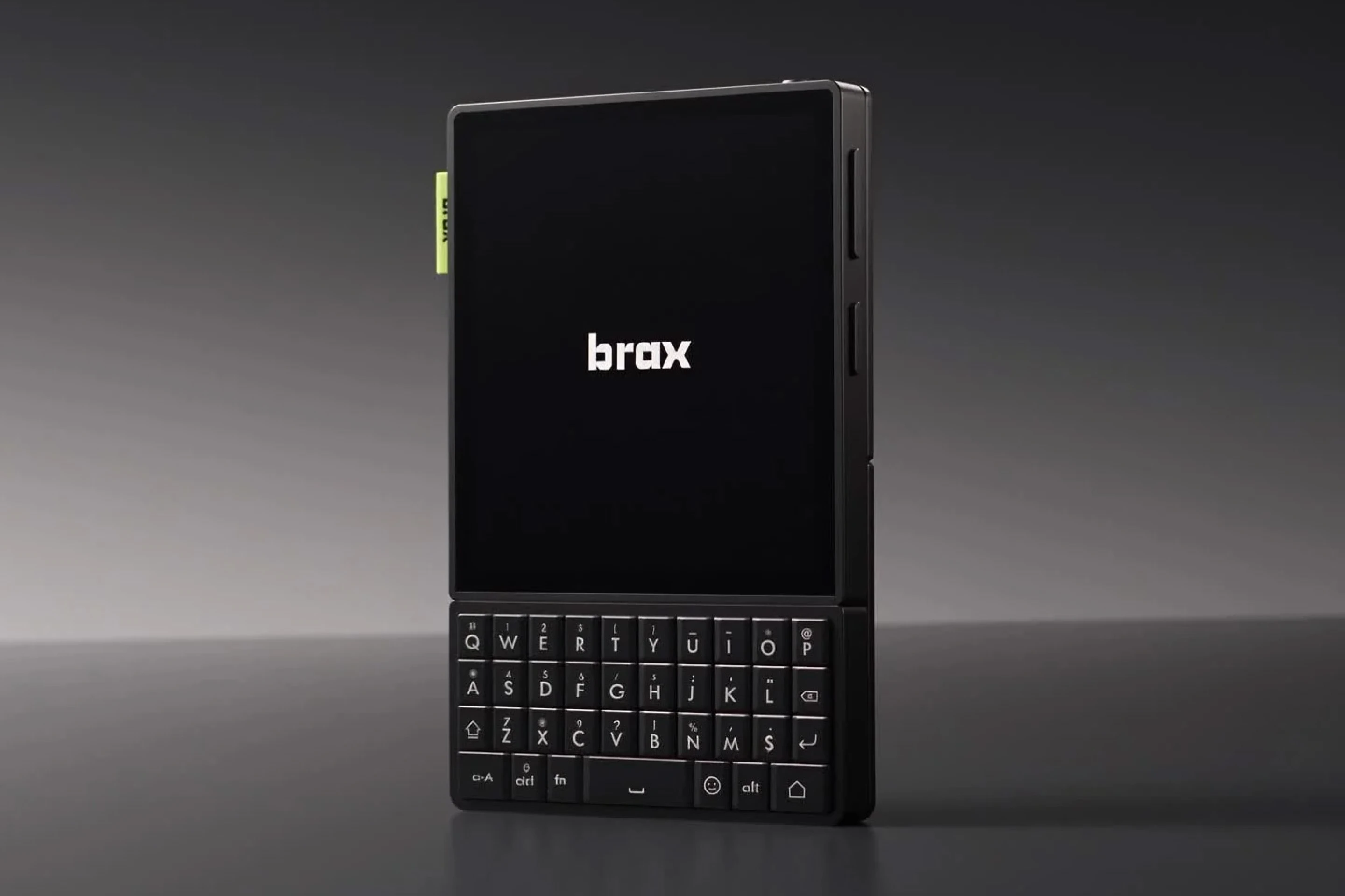
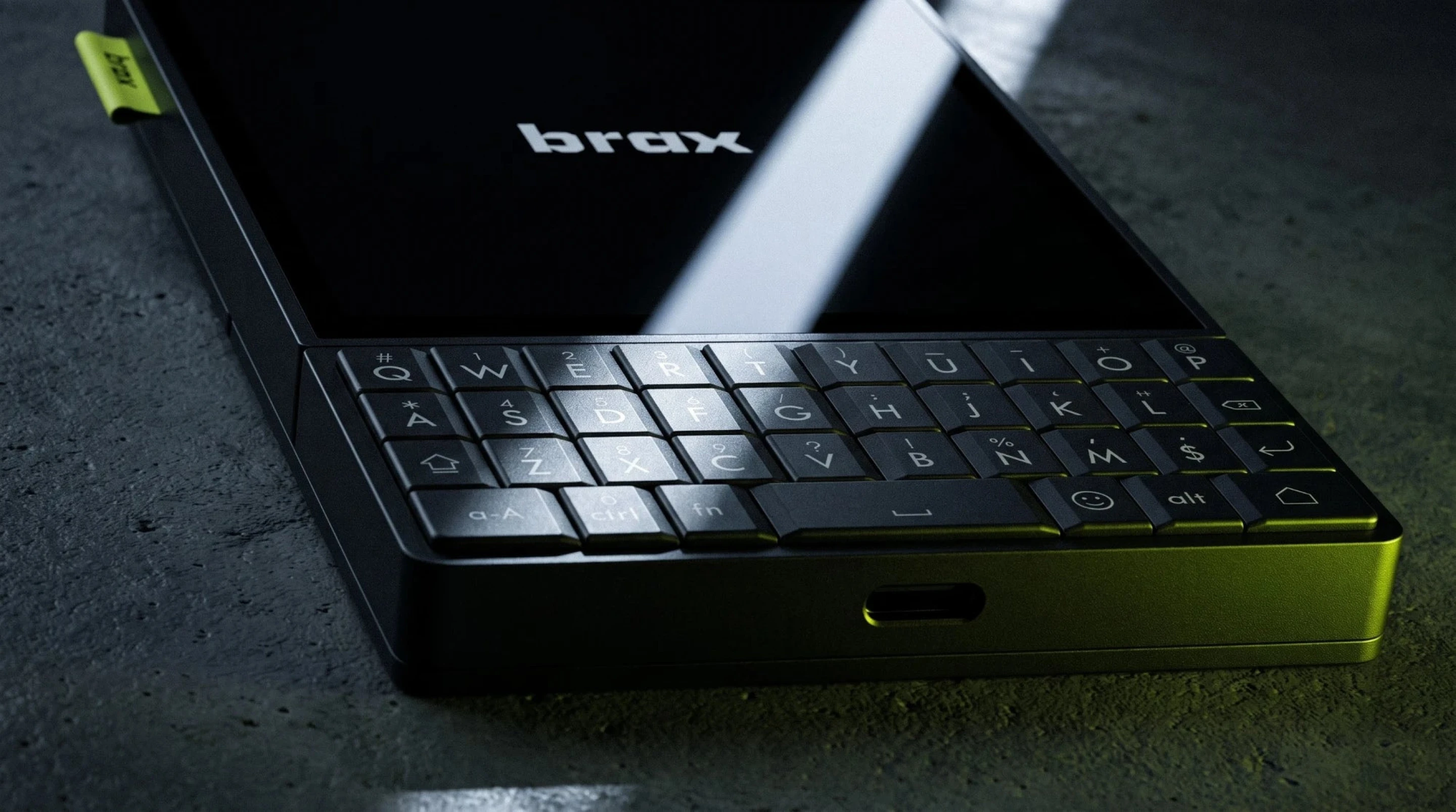
Brax Wink is equipped with a 4-inch OLED touch screen on the front and a complete physical keyboard below. The keyboard can not only be used for input, but also supports scrolling screen content by sliding your fingers across the key surface. What’s even more special is that the lower part of the phone adopts a modular design, and users can replace the physical keyboard module with an additional battery module in the future. However, the specific capacity, battery life and how to purchase the additional battery separately have not yet been announced.
Privacy protection is the most prominent selling point of this phone. Wink runs the BraxOS system developed based on Android and removes Google services. Users can use it without logging in to a Google account. The manufacturer stated that the system will not have a built-in tracking mechanism for collecting user behavior data and serving ads, and will adopt an open source model, with relevant code available for public review.
The phone body is also equipped with a physical privacy switch. Users can configure the scope of the switch as needed and turn off the mobile communication module, microphone, camera, positioning function, Wi-Fi and other sensors at once. This hardware control method is different from relying solely on software permission management, allowing users to more directly control when the device has communication and sensing capabilities.
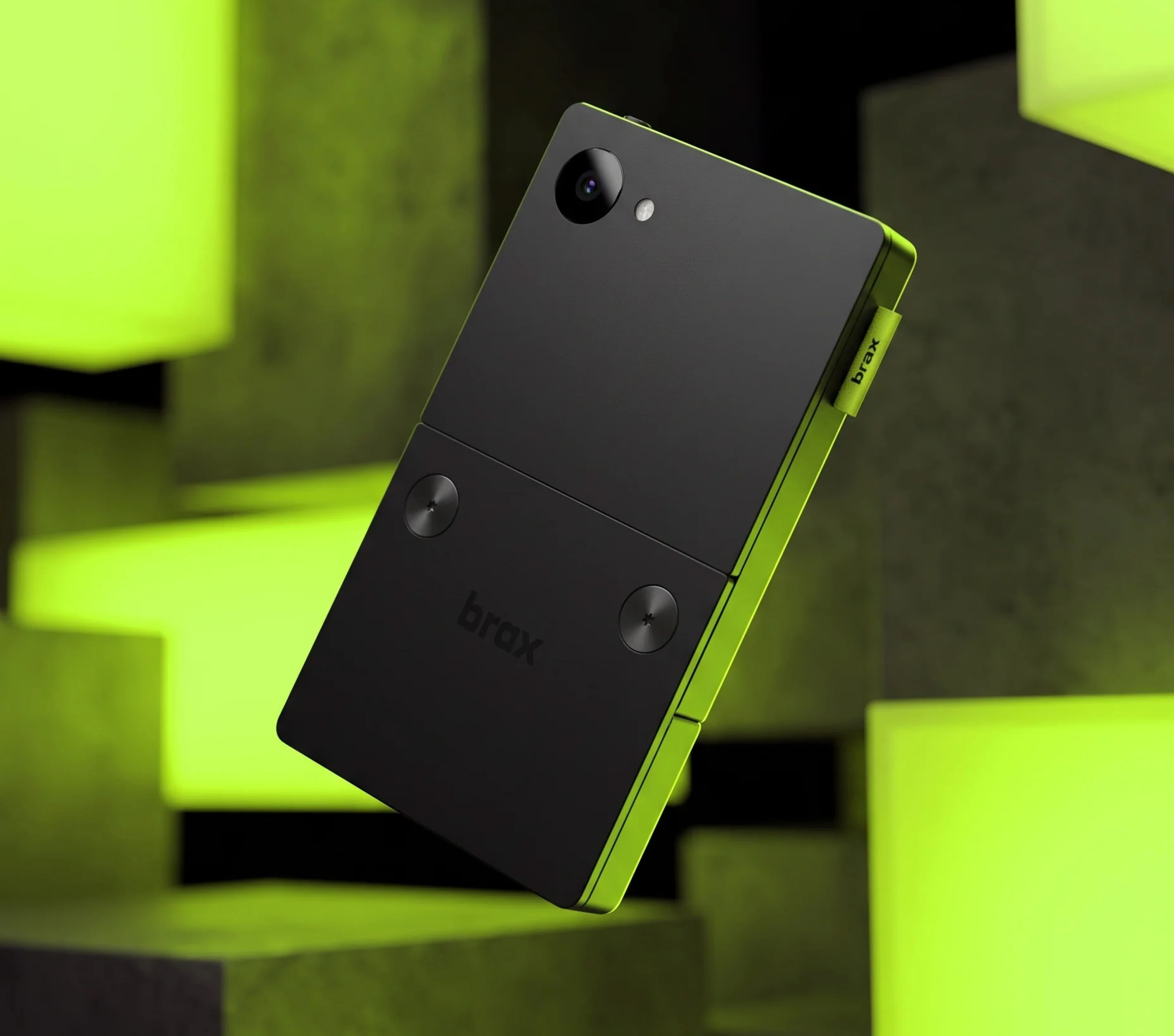
In terms of communications, Brax also provides end-to-end encrypted calls and text messages for its own devices. The company says communications transmitted through the service cannot be read by others. In addition, Wink supports a data network-only mode, in which traditional phone calls and text messages are turned off, and users can only contact others through Internet calls and instant messaging services.
The machine also provides a variety of security mechanisms for automatically erasing data. For example, users can set up data clearing after entering a specific coercion password, trigger erasure after multiple consecutive failed attempts to unlock, or even set up the device to automatically clear data every time the phone is restarted. These functions are suitable for people who have high concerns about the risk of information leakage, but they also need to be configured carefully during actual use to avoid misoperation leading to the loss of important data.
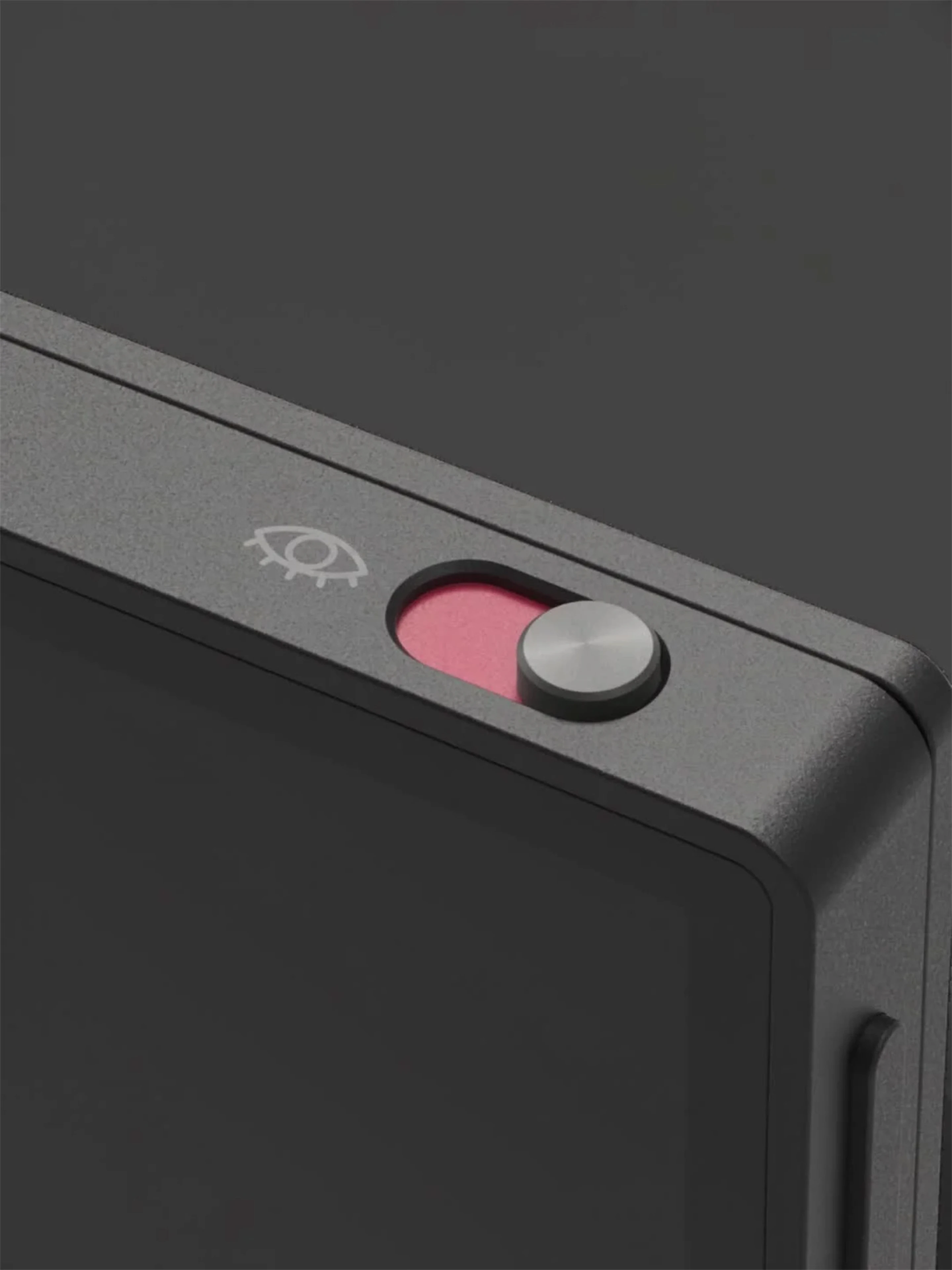
In terms of hardware specifications, Brax Wink is positioned in the mid-range market, equipped with MediaTek MT8875 eight-core processor, equipped with 8GB memory and 128GB body storage, and supports expansion of up to 1TB capacity through microSD card. The screen is a 4-inch OLED touch screen, the rear single camera has a resolution of 50 million pixels, and a 3.5mm headphone jack is retained. The manufacturer promises to provide software update support until 2032.
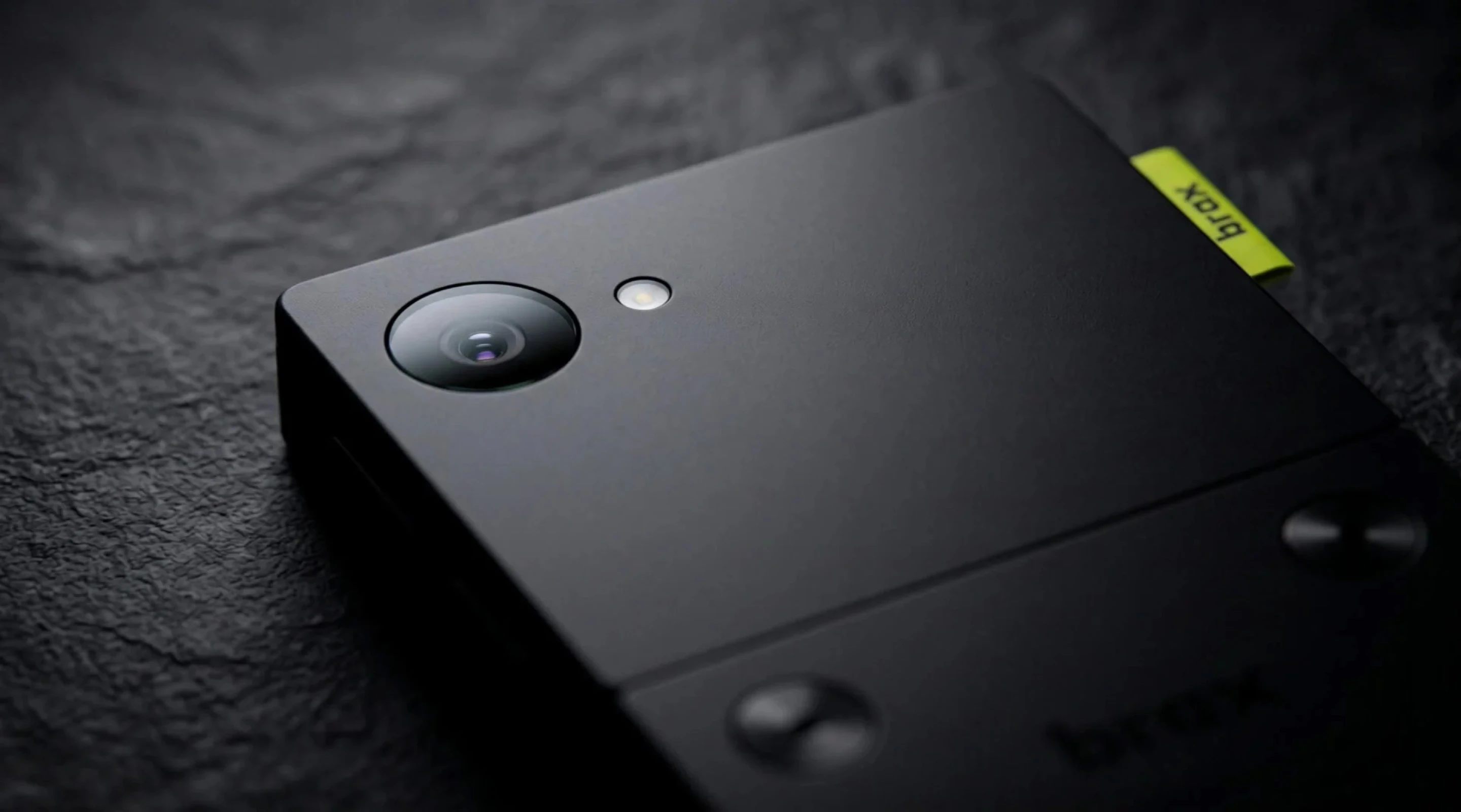
In order to emphasize simplicity and privacy, Wink is not equipped with a front camera and does not have a fingerprint recognition sensor. This means that users cannot directly use the front camera to make video calls, and they must also enter a password or PIN when unlocking the phone. The body thickness is about 10 mm, which is thicker than many mainstream smartphones. As for the overall weight and actual battery life, there is currently no clear data.
Brax Wink’s listing arrangements are also worthy of attention. The machine is expected to retail for $700, and is currently offering a batch pre-order plan. The first batch is expected to be shipped in July 2027, and users need to pay US$449 in advance; for the second batch, you can pay a deposit of US$30 first, and then make up the remaining balance. The total price is expected to be US$550, and the delivery time is scheduled for September 2027. The above prices and times are the current plans announced by the manufacturer and may still change in the future.
It should be noted that the open_slate tablet computer previously launched by Brax was crowdfunded through Indiegogo, but the delivery time has been postponed to December 2026. Therefore, for new products such as Wink that have not yet been officially delivered, consumers should still consider the development progress and delay risks before booking.
From the perspective of product positioning, Brax Wink is not trying to compete with mainstream flagship phones in terms of performance or imaging capabilities, but is trying to elevate privacy control to the hardware design level while satisfying some users' preferences for physical keyboards and small-sized phones. Its ultimate appeal will depend on actual system security, communication service experience, battery life, and whether modular accessories can be launched as planned. For users who want to minimize their dependence on Google services, need a physical keyboard, but don't want to completely give up the functionality of their smartphone, Wink provides a quite unique option.
Comments