
Abstract:
Volkswagen officially released the new pure electric compact SUV ID. Tiguan and announced that this new car will replace the existing ID.4 and ID.5 models. This is a significant product update for Volkswagen, as the "Tiguan" name has a high reputation in the global market. Since the launch of the first-generation model, the cumulative sales of the Tiguan series have reached nearly 9 million units, and the replaced ID.4 and ID.5 have sold more than 950,000 units since their launch in 2021.
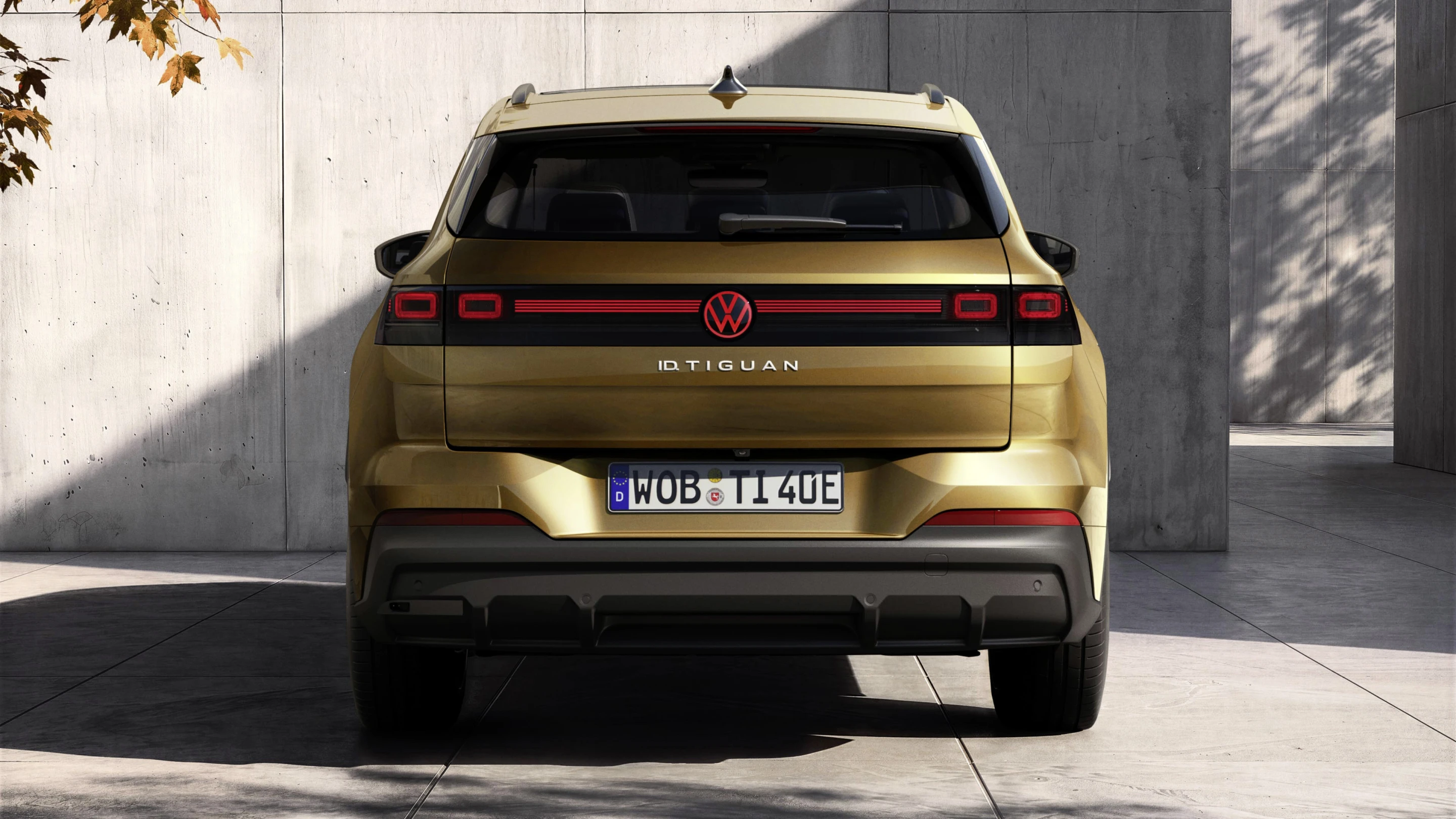
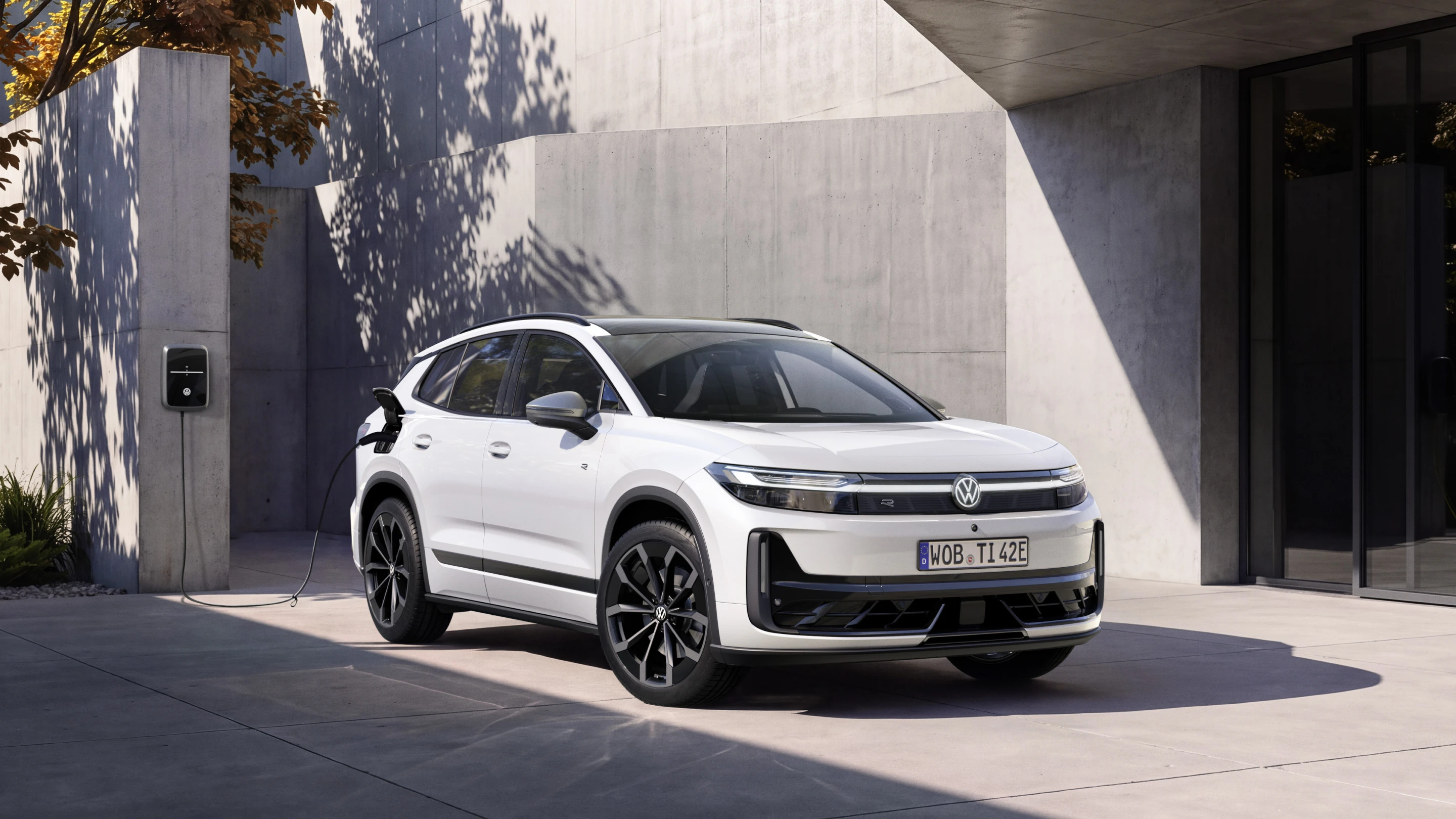
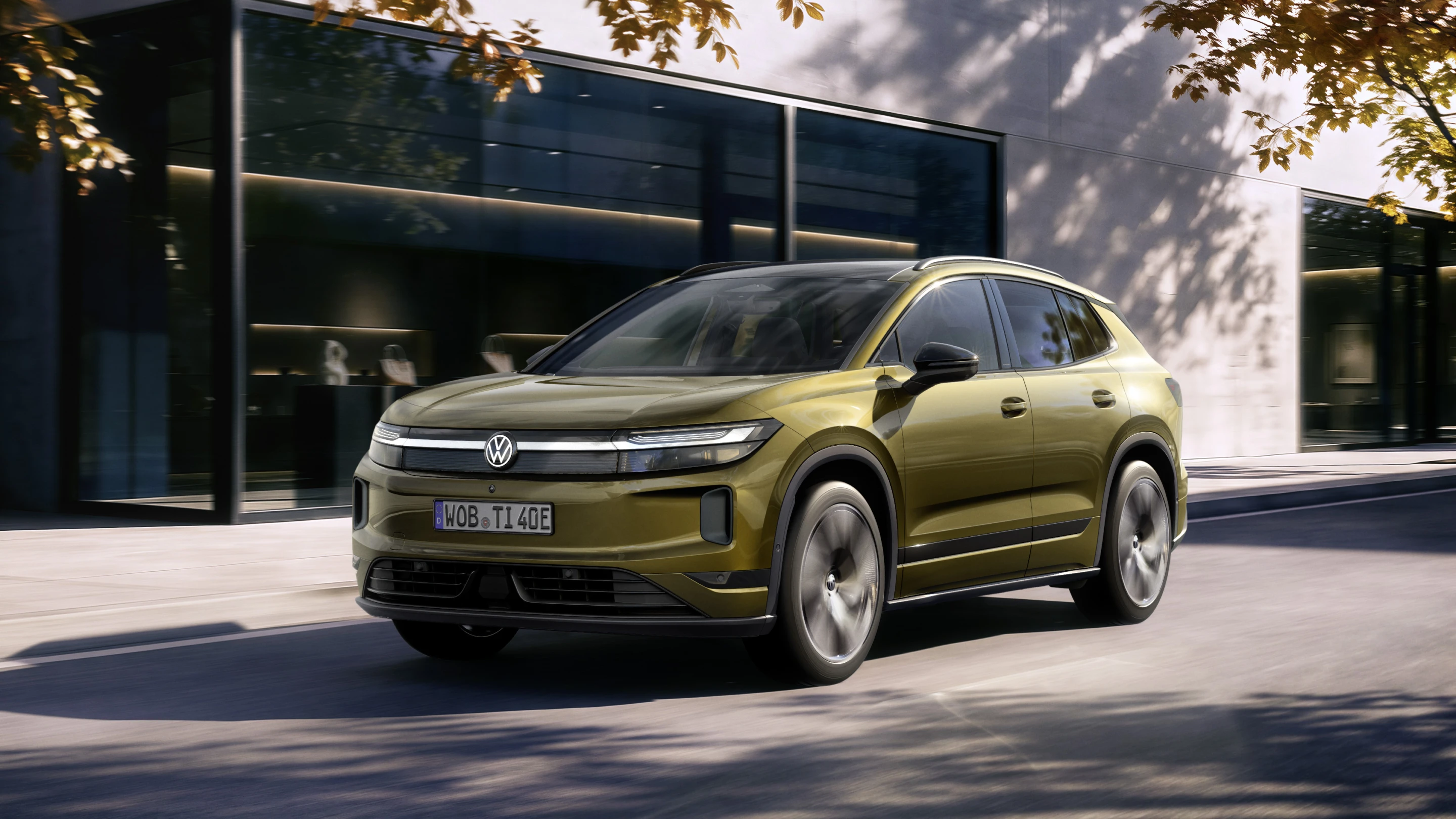
In terms of appearance design, ID. Tiguan emphasizes the traditional SUV style compared to previous pure electric SUV products. The new car adopts Volkswagen's latest "Pure Positive" design language. The body lines are sharper, the sculpture is stronger, and the overall posture is tougher and taller. The front part of the car has a wider and more aggressive visual effect. The luminous Volkswagen logo and through-type LED light strip are integrated into the black trim panel, creating a clear recognition. The rear of the car retains the through-type taillight design, but adds rectangular light group elements on both sides and is connected by multiple slender light strips.
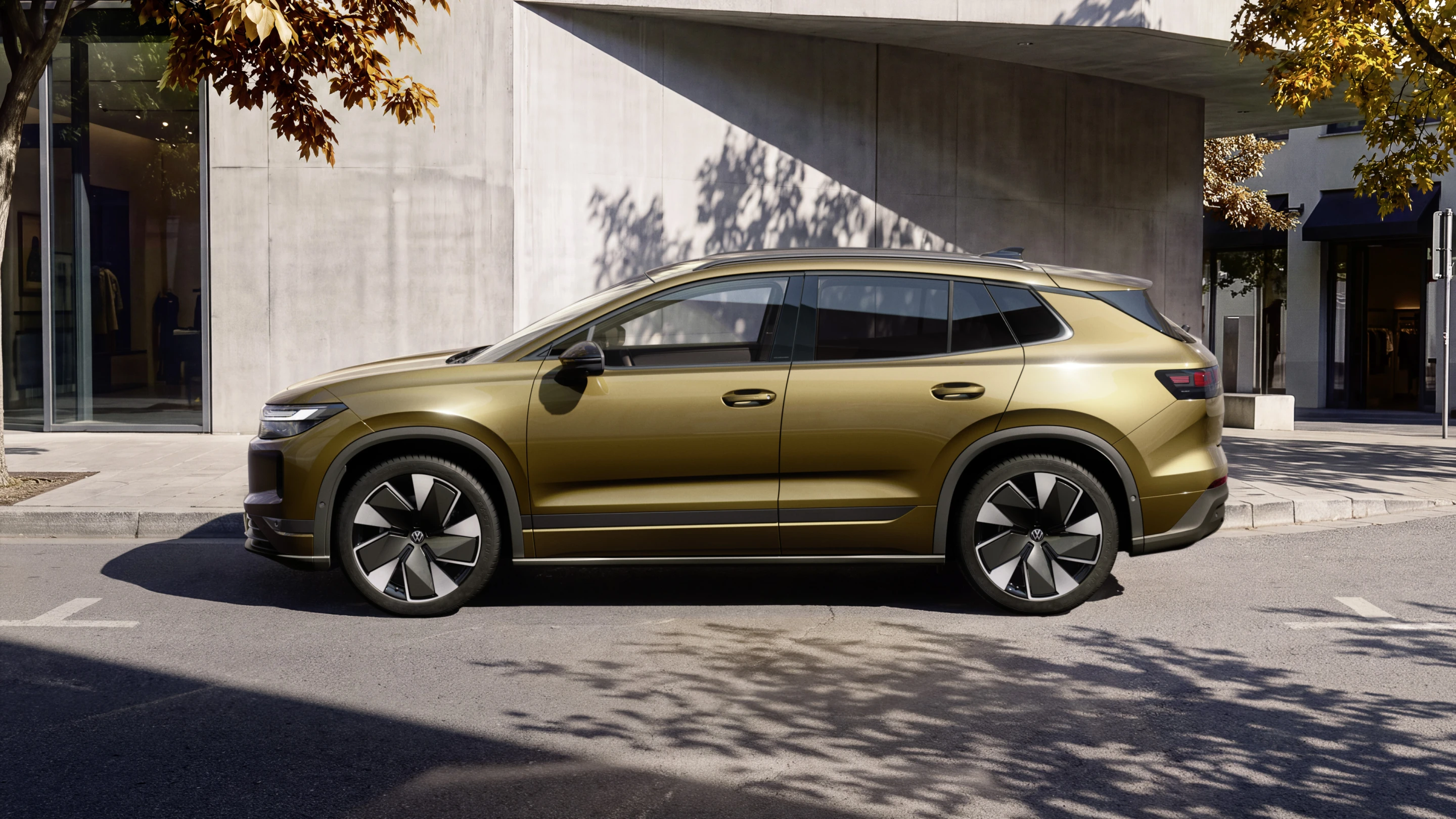
Volkswagen also restored the traditional pull-type door handle design this time, abandoning some previously controversial innovative solutions.
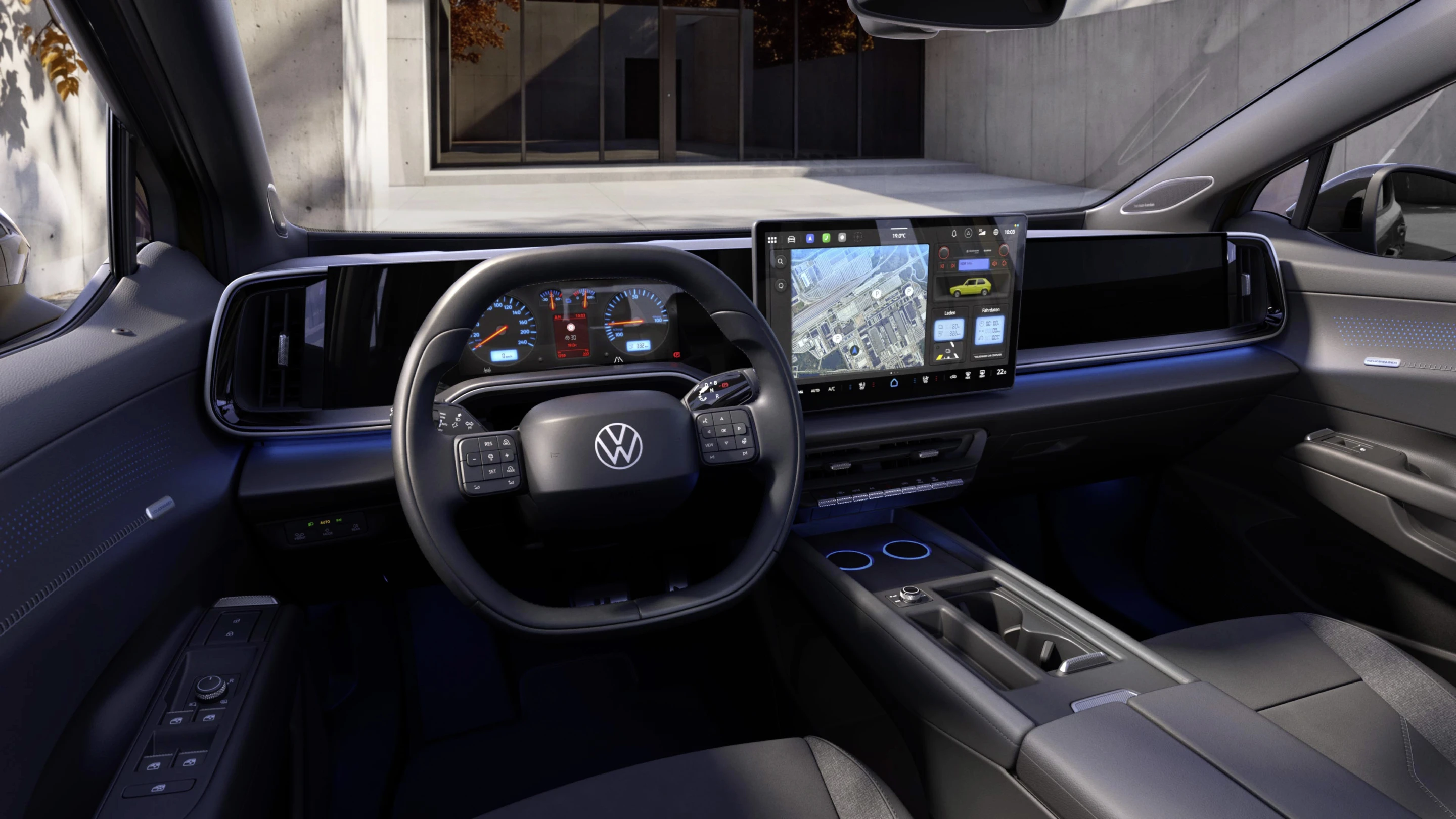
After entering the car, the changes in the new car are equally obvious. The center console adopts a large-area screen layout, including a 10-inch full LCD instrument panel, a 15-inch central touch screen, and an optional 12-inch passenger entertainment screen. The overall sense of technology is significantly improved compared to the previous generation model.
At the same time, Volkswagen reintroduced physical control buttons. A physical volume knob is added to the center console, and the air conditioning control area is also equipped with physical buttons. The window control system on the driver's door has also been comprehensively improved, with independent switches for each of the four windows, replacing the ID.4's design of only two switches plus a function switching button. The steering wheel abandons the touch control area and reuses more intuitive physical buttons.
In terms of digital experience, Volkswagen has also added strong nostalgic elements. The instrument panel can display a retro interface that imitates the classic blue and red color scheme of the fourth-generation Golf. The central touch screen has a built-in virtual garage function, and users can browse digital displays of classic Volkswagen models, including the first-generation Golf, Golf II Country, Golf IV, first-generation Tiguan, Race Touareg and Beetle and other classic products.
Two magnetic wireless charging pads have been added to the central control area to further enhance the convenience of daily use.
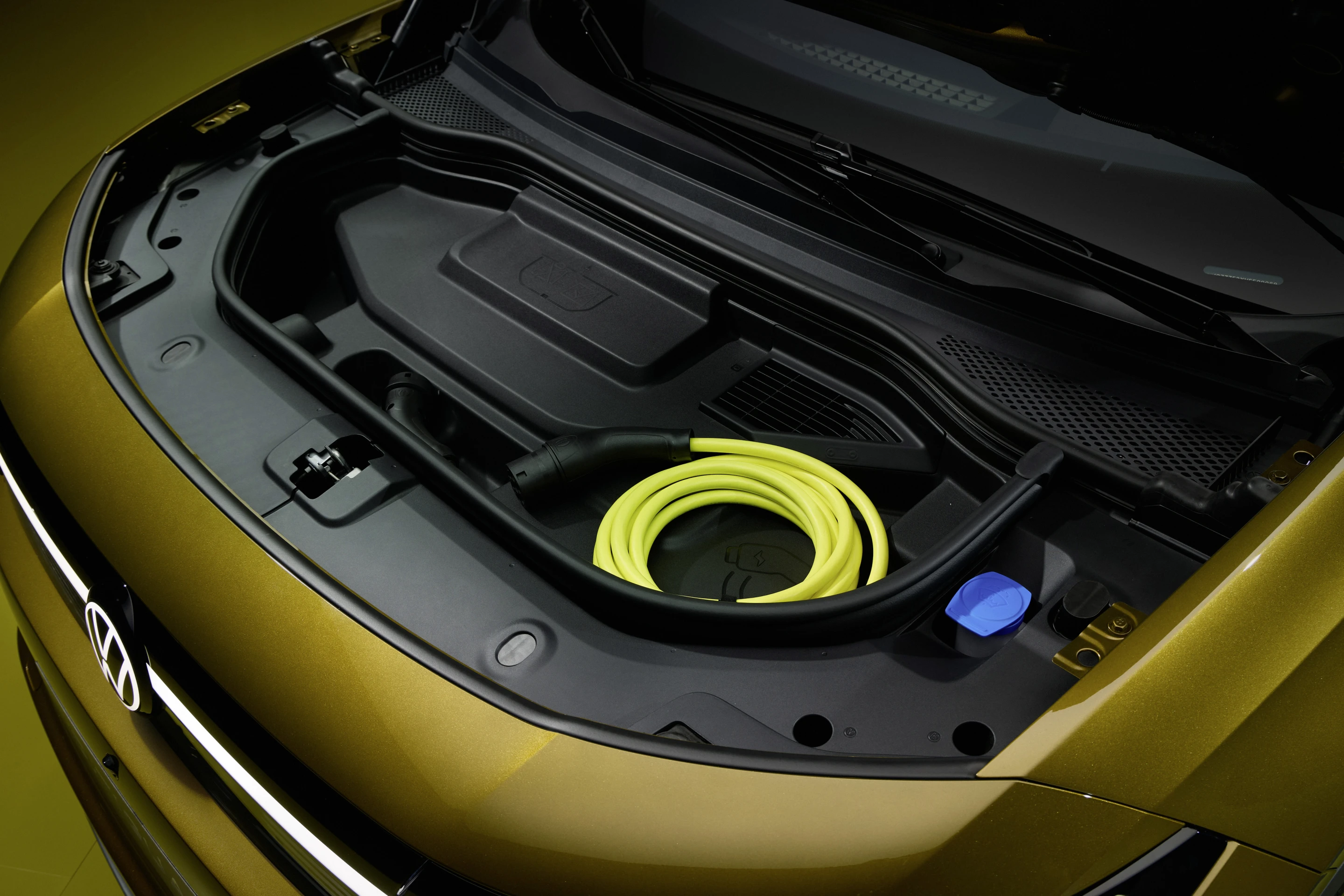
In terms of configuration, the ID. Tiguan can be optionally equipped with electric front seats with massage, memory and ventilation functions, a panoramic sunroof, and a Harman Kardon sound system. In terms of storage capacity, the new car provides a front trunk design that can accommodate more than 1 cubic foot of items; the trunk volume can be up to 19 cubic feet, which can meet the needs of families for long-distance travel.
At the functional level, the new car supports a single-pedal driving mode and is equipped with Volkswagen's latest Connected Travel Assist intelligent assisted driving system, which can assist in highway lane changes and automatically slow down and stop at red lights. The digital key function allows users to unlock and start the vehicle through their smartphones, while the V2L external power supply function can use the vehicle battery to provide power support for electric grills, electric bicycles and other equipment.
The power system is one of the core parts of this upgrade. ID. Tiguan will be available in three power configurations. The entry-level version uses a rear-wheel drive system, has a maximum power of 188 horsepower, and is equipped with a 58-kilowatt-hour battery pack. The maximum power of the mid-range rear-drive version is increased to 282 horsepower and is equipped with a larger 77-kilowatt-hour battery pack. The top model adds a dual-motor four-wheel drive system based on a 77-kilowatt-hour battery, with a combined output of 295 horsepower.
According to data released by Volkswagen, a model equipped with a 77-kilowatt-hour battery has a maximum cruising range of approximately 599 kilometers under European WLTP conditions. If calculated according to the more stringent US EPA testing standards, the actual range is expected to be about 500 kilometers, but the official has not yet announced the final EPA certification results.
In terms of towing capacity, models equipped with large-capacity battery packs can tow up to 2,000 kilograms of load. The European market will provide four configuration levels: Trend, Life, Style and R-Line.
For Volkswagen, the success or failure of the ID. Tiguan is crucial. By continuing a popular traditional fuel vehicle brand name into the pure electric era, Volkswagen hopes to lower the psychological threshold for consumers to transition to electric vehicles, making buying an electric vehicle more like buying the next generation of a classic model, rather than entering a completely unfamiliar new field.
In terms of price, the ID. Tiguan starts at 42,695 euros in the European market, which is approximately US$48,000. Volkswagen has confirmed that this model will take over the position of the ID.4 in the North American market, but has not yet announced the specific launch time and the power version that will eventually be introduced.
As the competition in the compact pure electric SUV market becomes increasingly fierce, Tesla Model Y, Hyundai Ioniq 5, Kia EV5 and the emerging Chinese brand electric SUVs are all vying for the family user market. Although the ID. Tiguan has the accumulated popularity of the Tiguan brand and a more mature product design, its final market performance will still depend on key factors such as actual battery life, charging efficiency, interior quality, and pricing competitiveness.
Comments