
Abstract:
Volkswagen recently announced a nearly mass-produced pure electric vehicle prototype called "Mission Efficiency" and demonstrated its extreme performance in aerodynamics and energy efficiency through a series of actual tests. This electric coupe with a 2+2-seater layout has an extremely streamlined body and a drag coefficient as low as 0.158. According to data released by Volkswagen, this result has refreshed the aerodynamic record for road-legal vehicles.
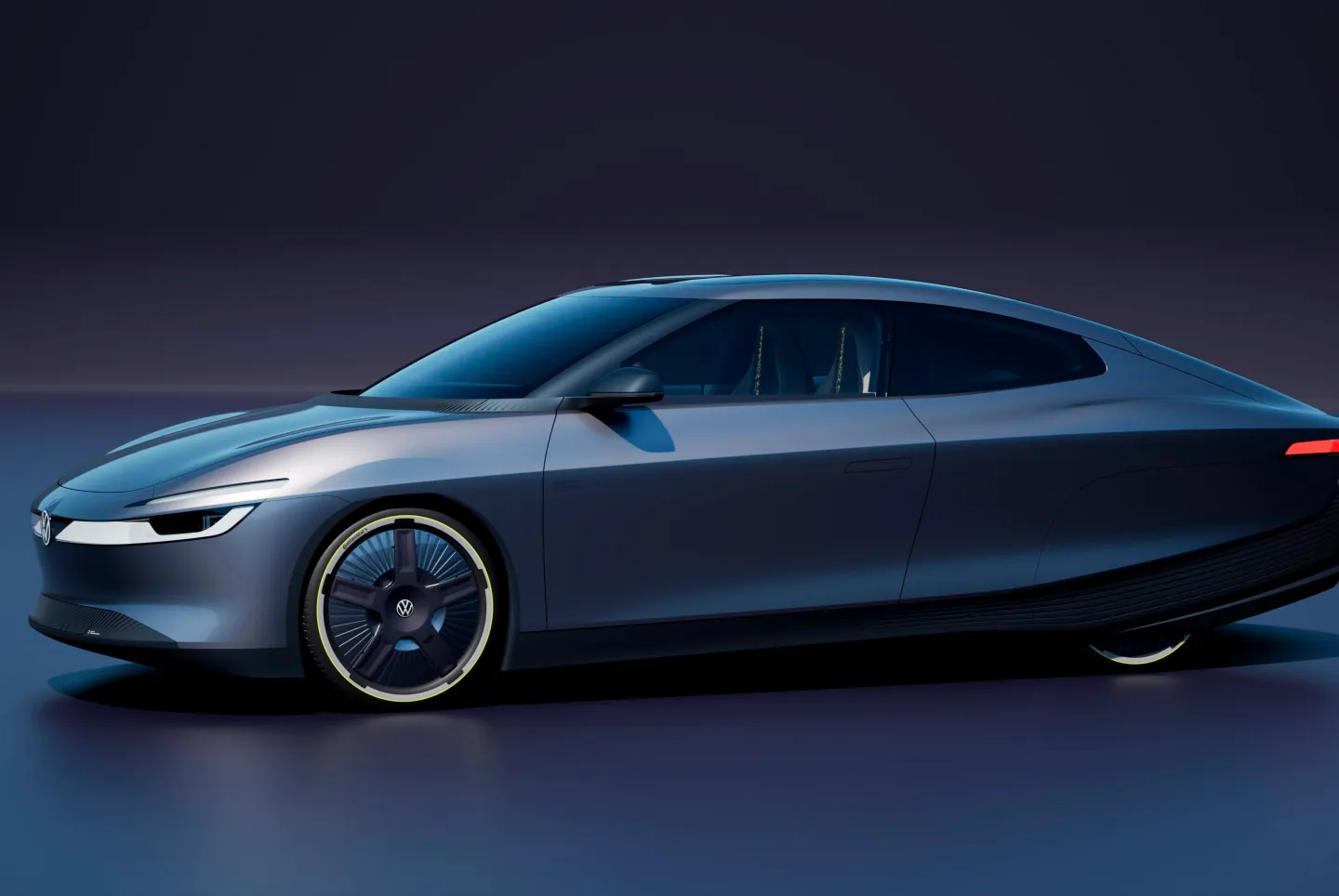
Mission Efficiency is not a concept car built simply to showcase future designs, but a near-production prototype with complete driving capabilities and extensive use of existing mass-production technology. The vehicle is built on the Volkswagen MEB+ platform and uses a large number of technologies from the upcoming new generation ID. Polo and other models. Therefore, Volkswagen hopes to prove through this car that it can significantly reduce the energy consumption of electric vehicles without relying on extremely advanced batteries or power systems. It can also significantly reduce the energy consumption of electric vehicles simply through systematic vehicle design optimization.
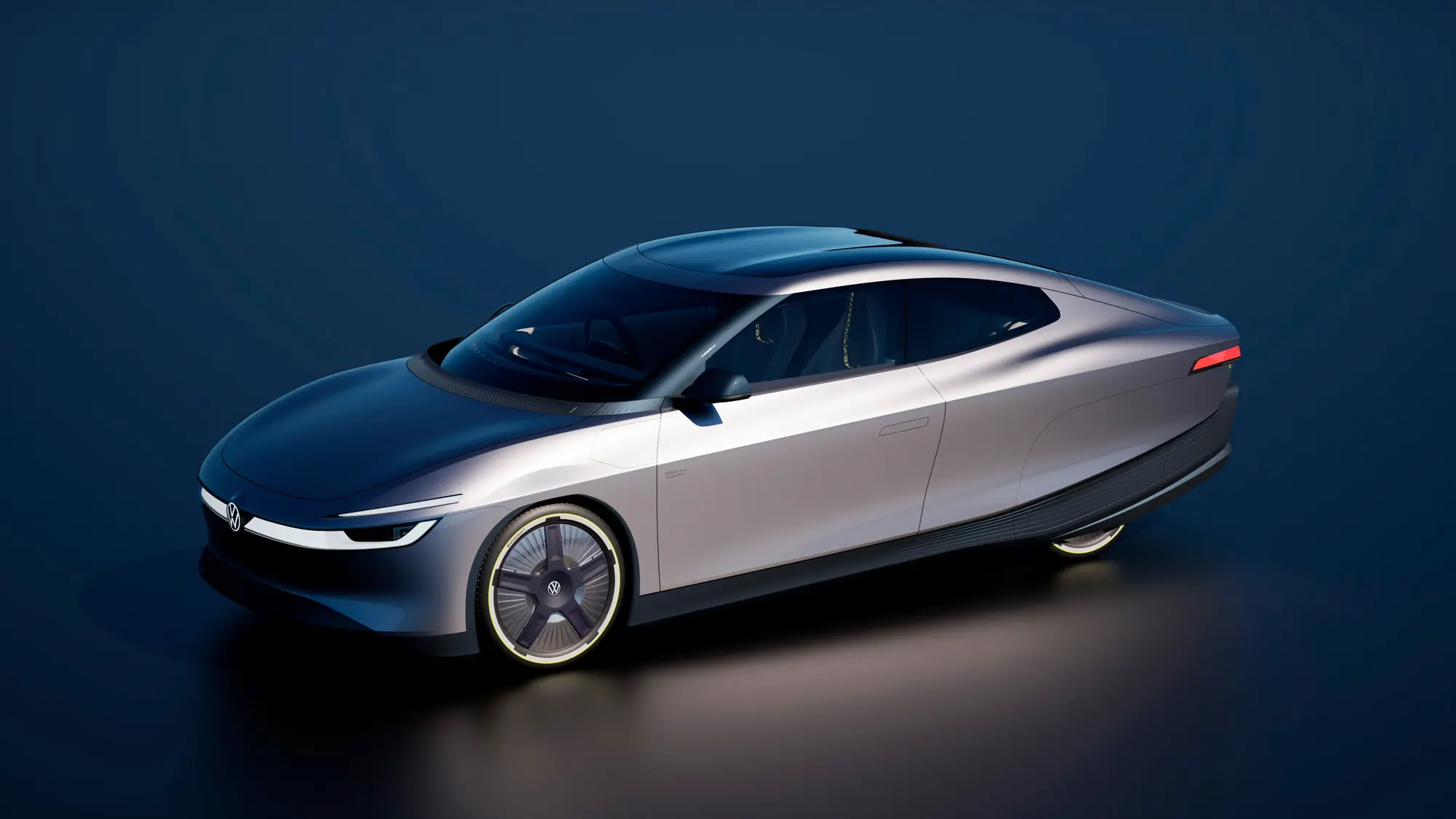
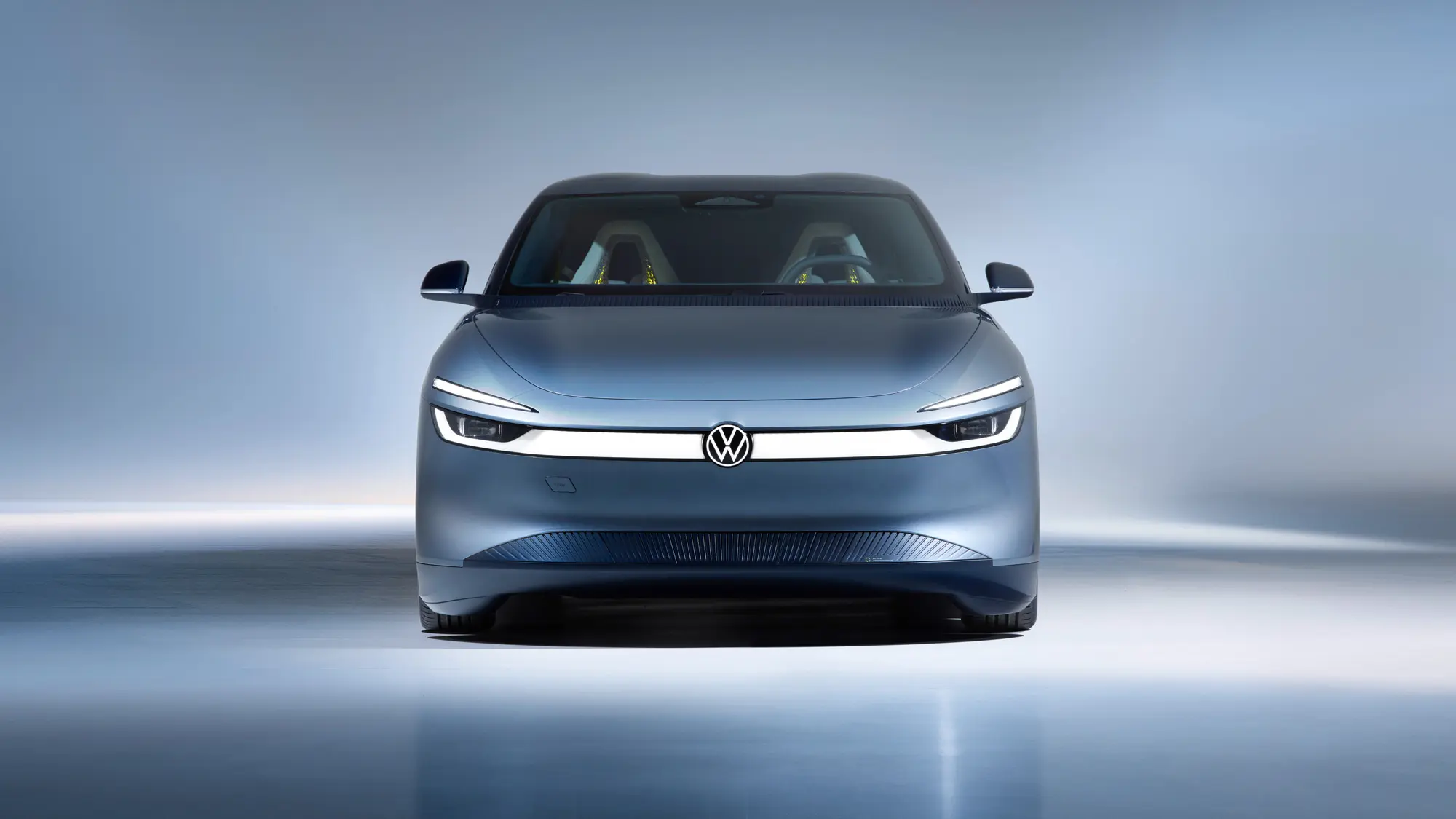
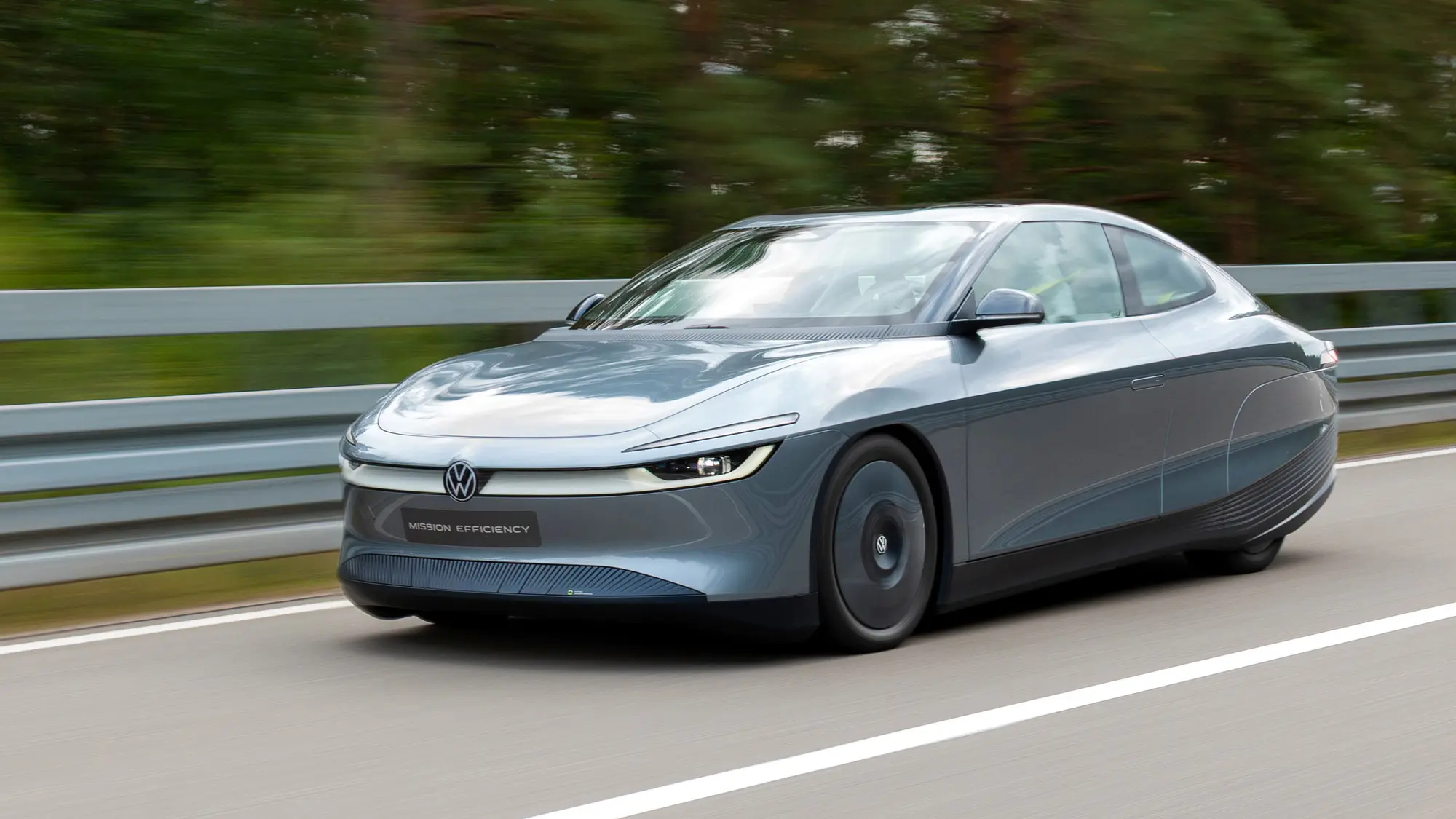
The most eye-catching thing about this car is its appearance. Mission Efficiency adopts an obvious teardrop-shaped body and an extremely slender rear design. The overall length is close to 4.8 meters, but the body height is less than 1.4 meters. The body gradually narrows from the front to the rear to allow air to flow as smoothly as possible along the surface of the body, thereby reducing turbulence generated during vehicle driving.
The vehicle also features a fully covered chassis, hidden door handles, frameless windows and specially designed wheels and wheel arches. Particular emphasis is placed on aerodynamic performance in the rear wheel area, using a special wheel hub guide design and wheel cover scheme to minimize the air resistance generated by the wheels when driving at high speeds.
Volkswagen also designed three active cooling air baffles at the front of the car. These baffles can be opened or closed individually based on the vehicle's actual cooling needs. When there is no need for a large amount of cooling air to enter the body, the baffle can be completely closed to make the front of the car form a complete and smooth airflow surface as much as possible.
When all three cooling baffles are closed, almost no air will enter the interior of the front of the vehicle, which is one of the important reasons why Mission Efficiency can achieve a drag coefficient of 0.158. Because the electric motor does not need to suck in a large amount of air for combustion like a traditional fuel engine, and the demand for cooling airflow is relatively low, Volkswagen can adopt a more closed front design than traditional fuel vehicles.
The front face of Mission Efficiency also uses an optimized lateral airflow structure, unlike many traditional models that rely on complex air curtain structures to handle the airflow near the front wheels. Volkswagen has redesigned the front and wheel areas to allow air to be guided more effectively at the front of the vehicle.
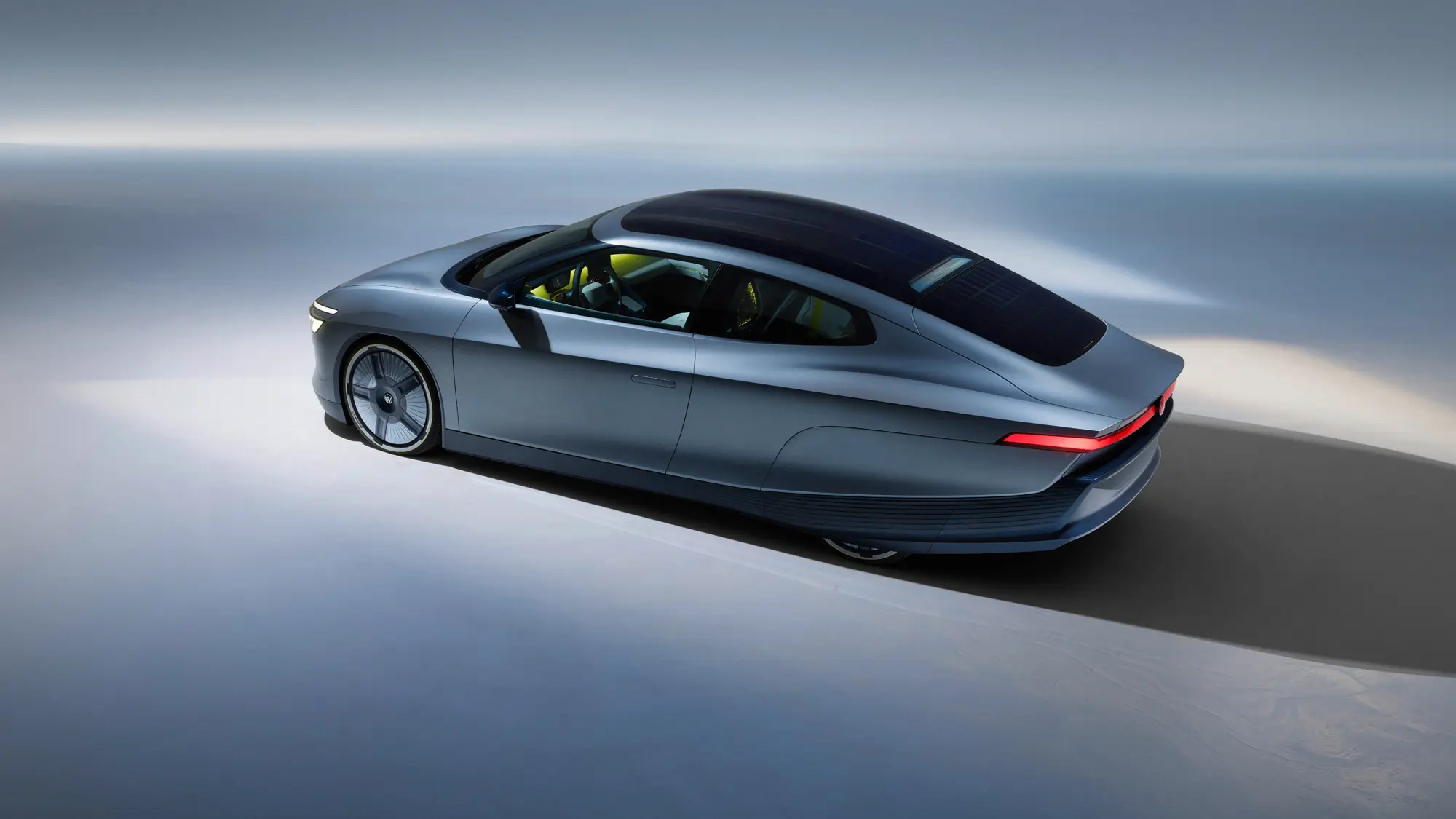
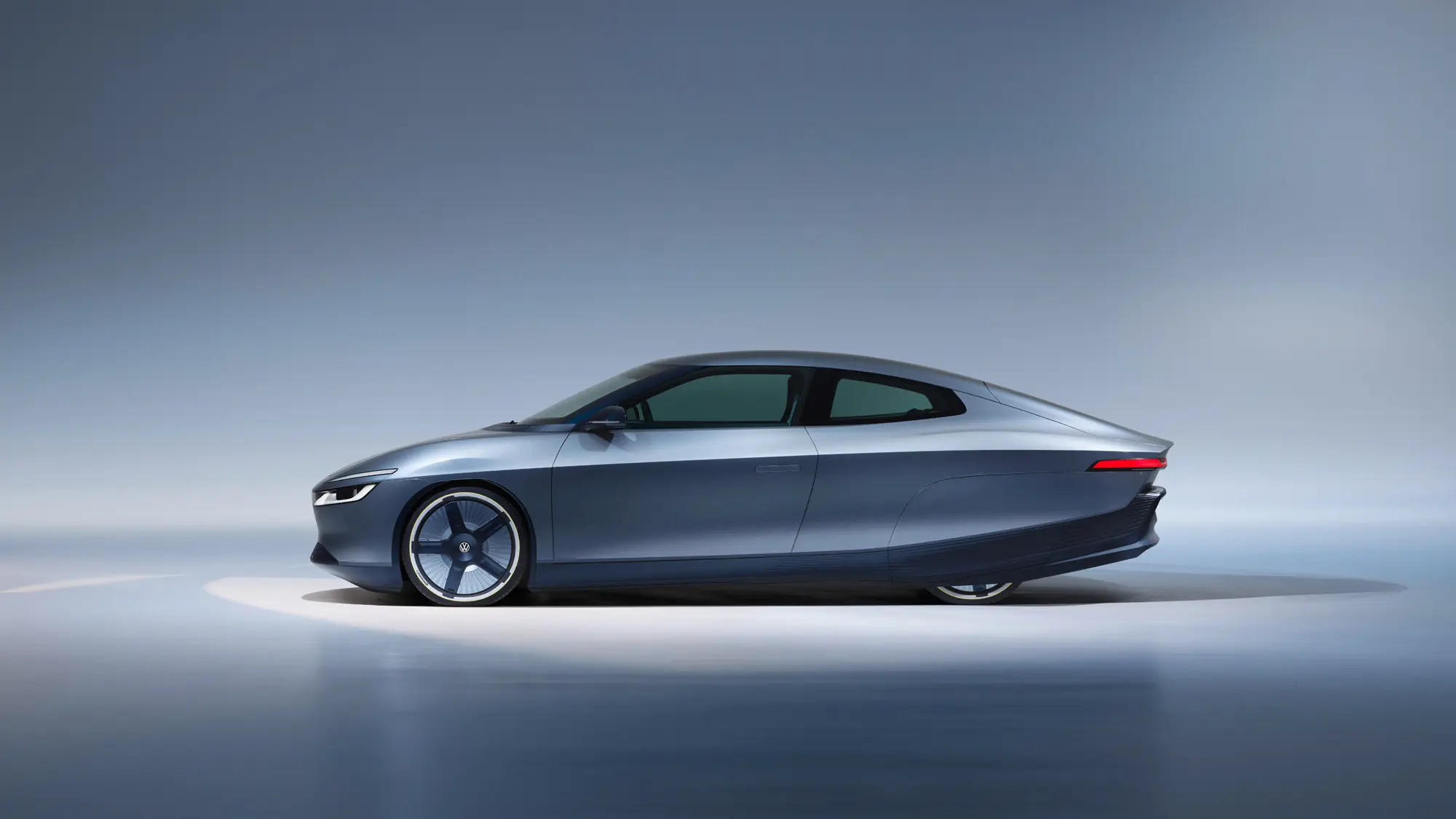
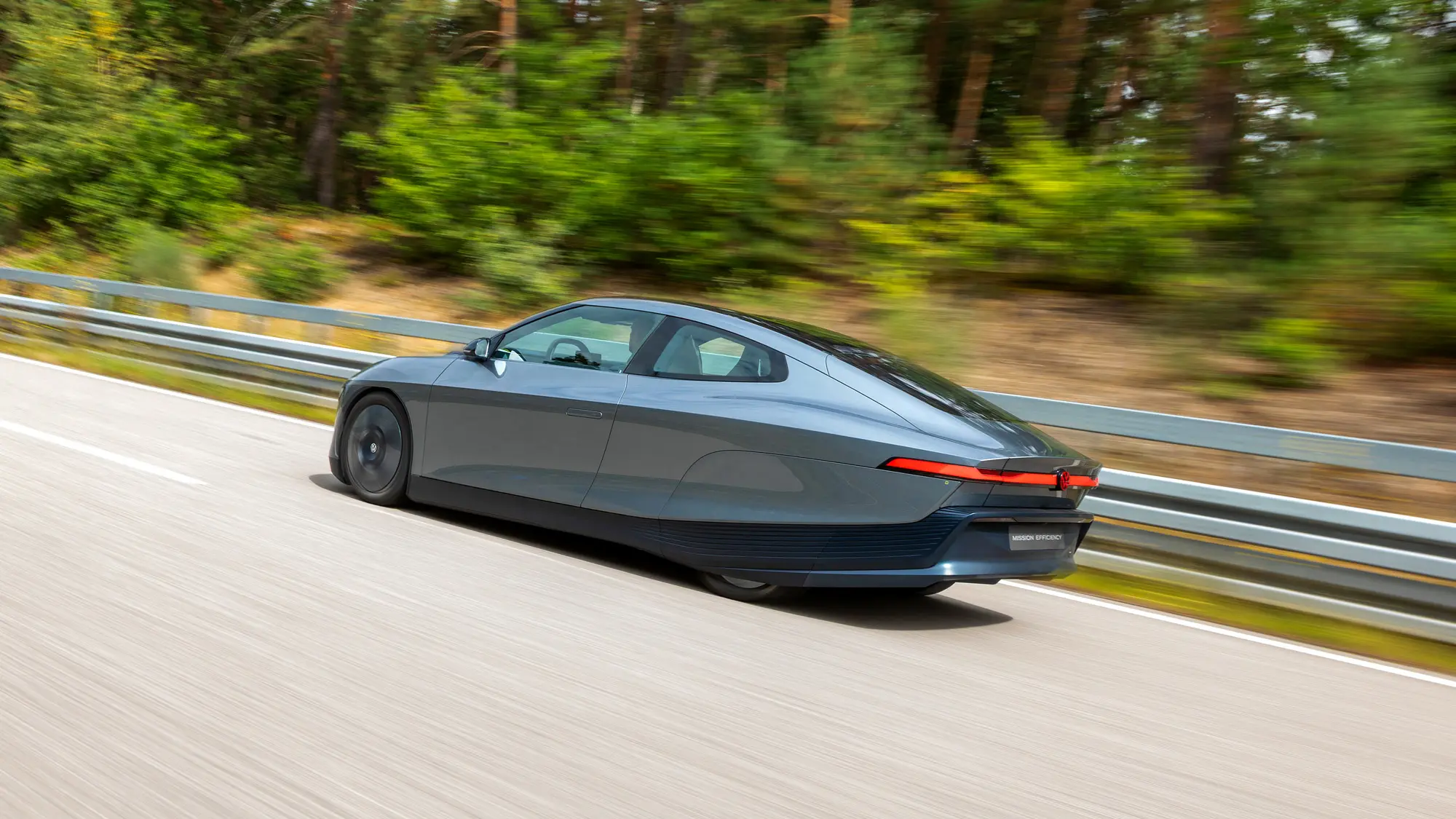
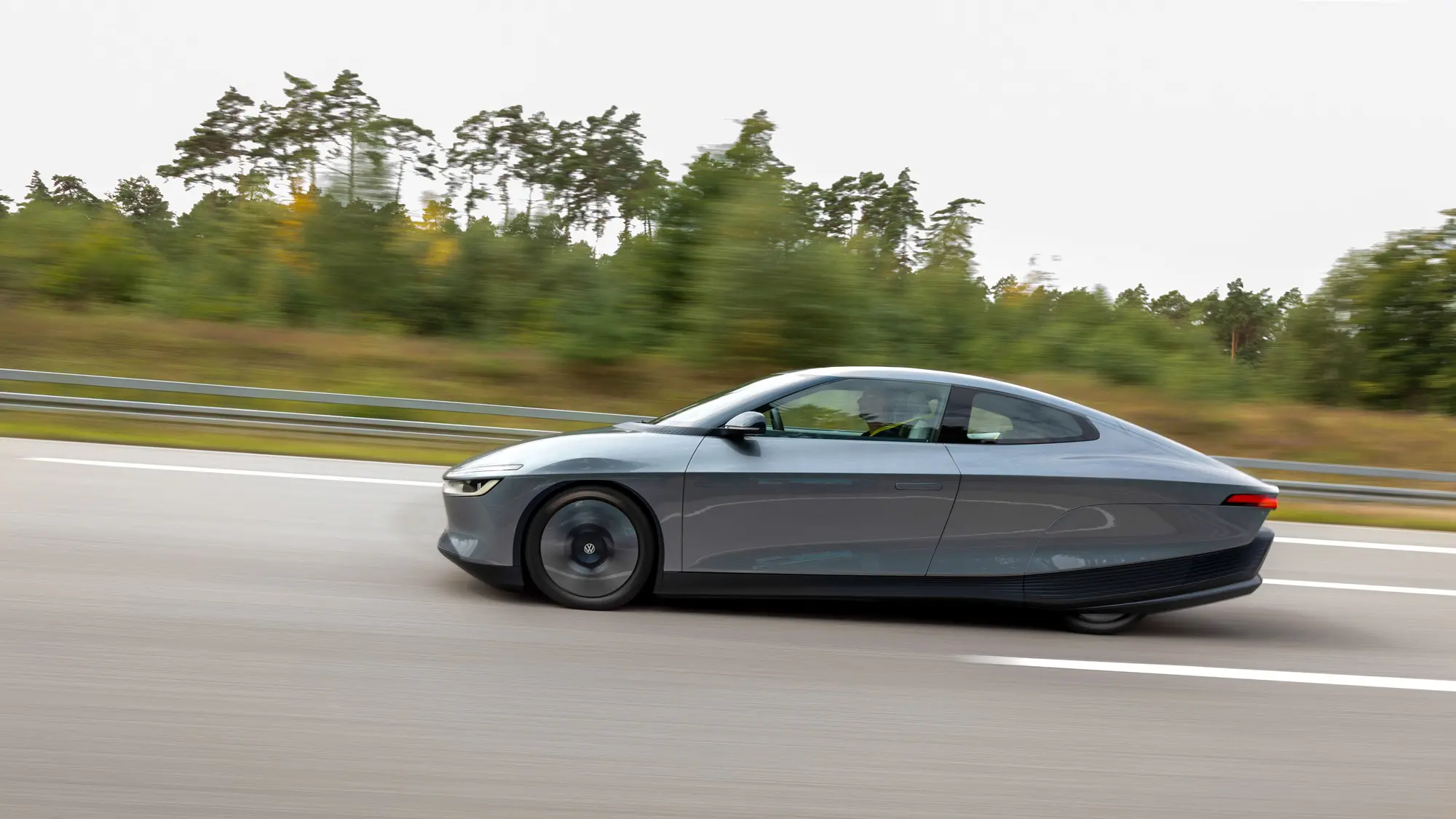
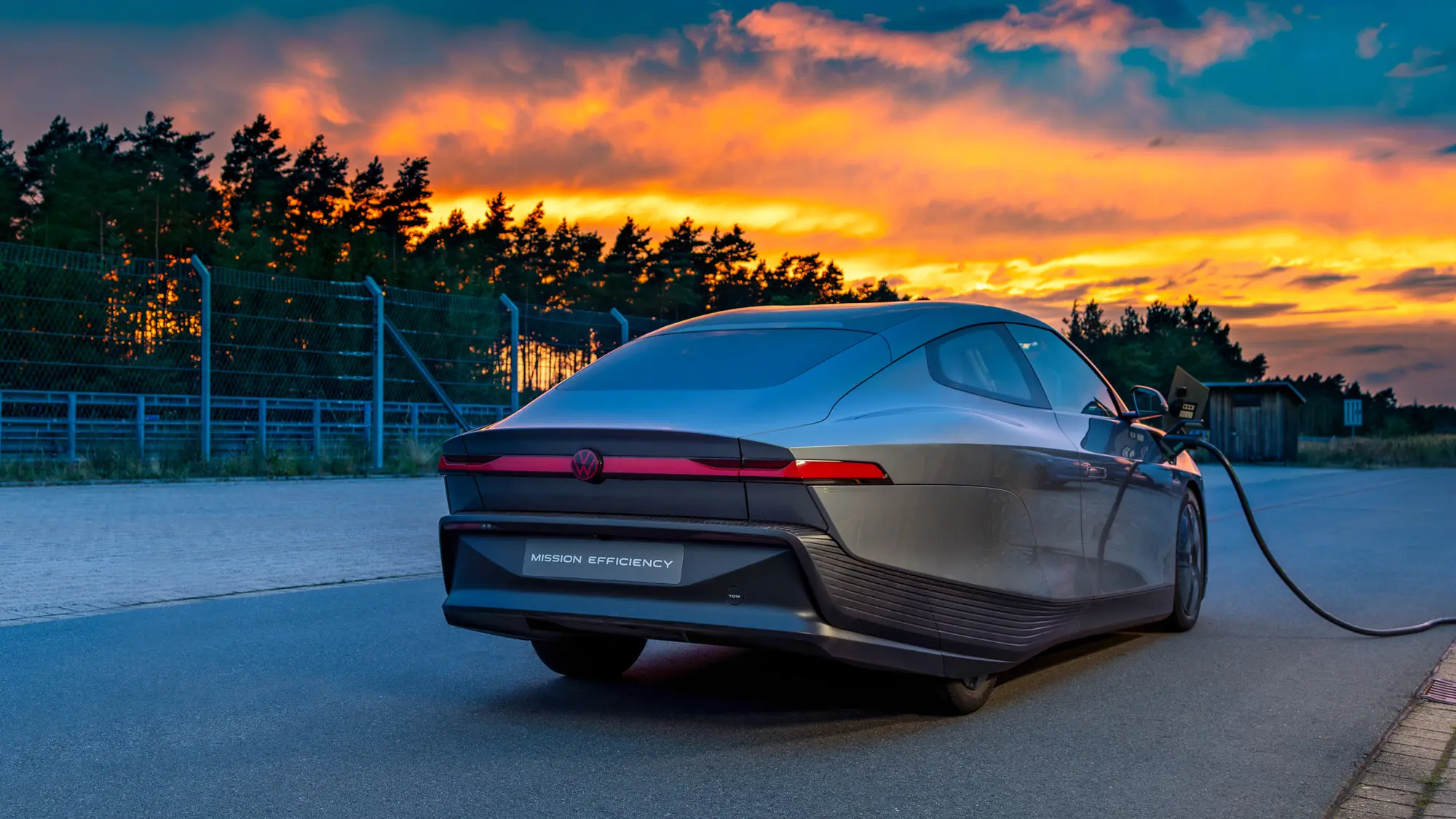
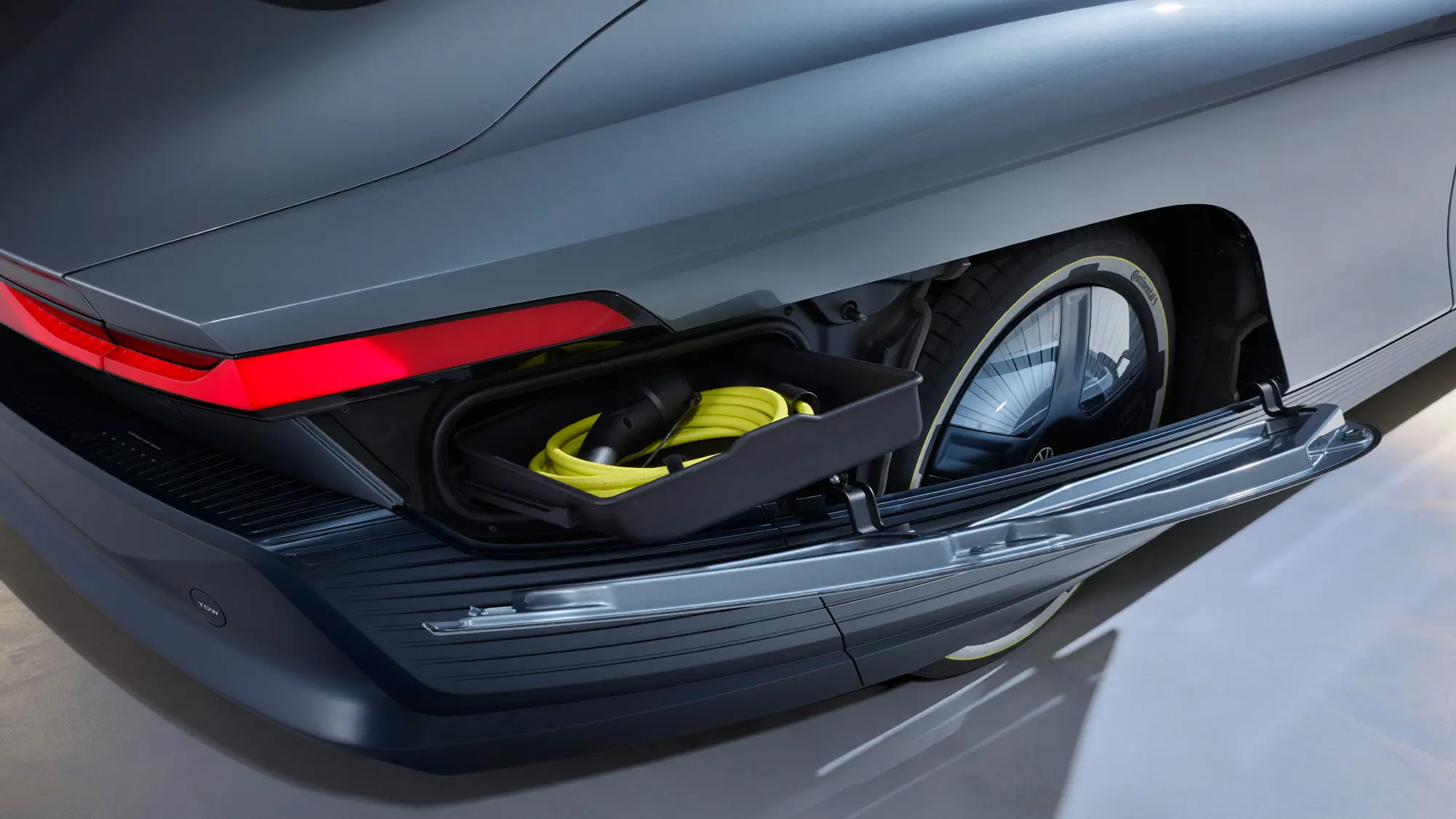
In order to achieve this goal, Volkswagen conducted a large number of computer aerodynamic simulations and wind tunnel tests, and also referred to the experience accumulated from previous extremely efficient or high-performance models such as XL1 and ID.R. The resulting long-tail body is one of the core factors for the vehicle to achieve ultra-low wind resistance.
The front windward area of this car is also very small, only 2.08 square meters. For a vehicle that is nearly 4.8 meters long, this size control is very important to reduce air resistance at high speeds. The vehicle's overall aerodynamic efficiency thus reaches a level that is currently difficult to achieve in Volkswagen's production models.
In terms of energy consumption, Mission Efficiency also created very amazing data. In an ideal condition test, the vehicle drove at a constant speed of 68 km/h, the test route did not go uphill, and auxiliary electrical equipment such as air conditioning was turned off. The final measured energy consumption per 100 kilometers was only 6.48 kWh.
Of course, this test condition does not represent the actual driving environment of ordinary consumers. Therefore, Volkswagen subsequently conducted a more realistic long-distance test, starting from Wolfsburg, Germany, passing through Poznan, Poland and Olomouc, Czech Republic, and finally arriving in Vienna, Austria, with a total distance of 1,278.36 kilometers.
For this long-distance test, Mission Efficiency used a 54.9-kilowatt-hour net capacity battery and was charged only once. The vehicle finally achieved an actual energy consumption of 6.89 kWh per 100 kilometers. If charging loss is included, the overall energy consumption is 7.51 kWh per 100 kilometers.
The average speed of the entire trip reached 67.72 kilometers/hour, and the maximum speed reached 138 kilometers/hour. When the vehicle arrived in Vienna, the battery still retained sufficient range for approximately 164 kilometers. This means that if the vehicle continues driving according to the remaining power at the end of the test, the vehicle can theoretically achieve a driving distance of more than 1,400 kilometers on a single charge.
Mission Efficiency does not use some ultra-high-power electric motor developed specifically for the record, but a 99-kilowatt front-mounted electric motor shared with the future ID. Polo. Converted, the maximum power of this motor is about 135 horsepower.
The vehicle also uses battery technology related to the ID. Polo, so the focus of Volkswagen's demonstration is not "bigger batteries can run farther", but by reducing the energy demand of the vehicle itself, so that a battery with a not exaggerated capacity can obtain a very considerable actual range.
Volkswagen even stated that at speeds exceeding 80 km/h, Mission Efficiency can reduce energy consumption by more than 30% compared to ID. Polo. At a high speed of 140 km/h, the energy consumption of this prototype is roughly equivalent to that of the ID. Polo when traveling at 100 km/h.
This also shows the importance of aerodynamics for high-speed endurance of electric vehicles. As vehicle speed increases, air resistance increases rapidly. Therefore, if electric vehicles want to maintain low energy consumption in highway environments, simply increasing battery capacity is not the most effective solution. Reducing wind resistance allows the vehicle to achieve longer driving range with the same battery capacity, while also reducing the need for charging.
In addition to aerodynamics, Volkswagen has also optimized lightweight aspects. The vehicle uses a large amount of aluminum, high-strength materials and carbon fiber reinforced materials, and reduces the energy required for vehicle operation through a lighter body structure.
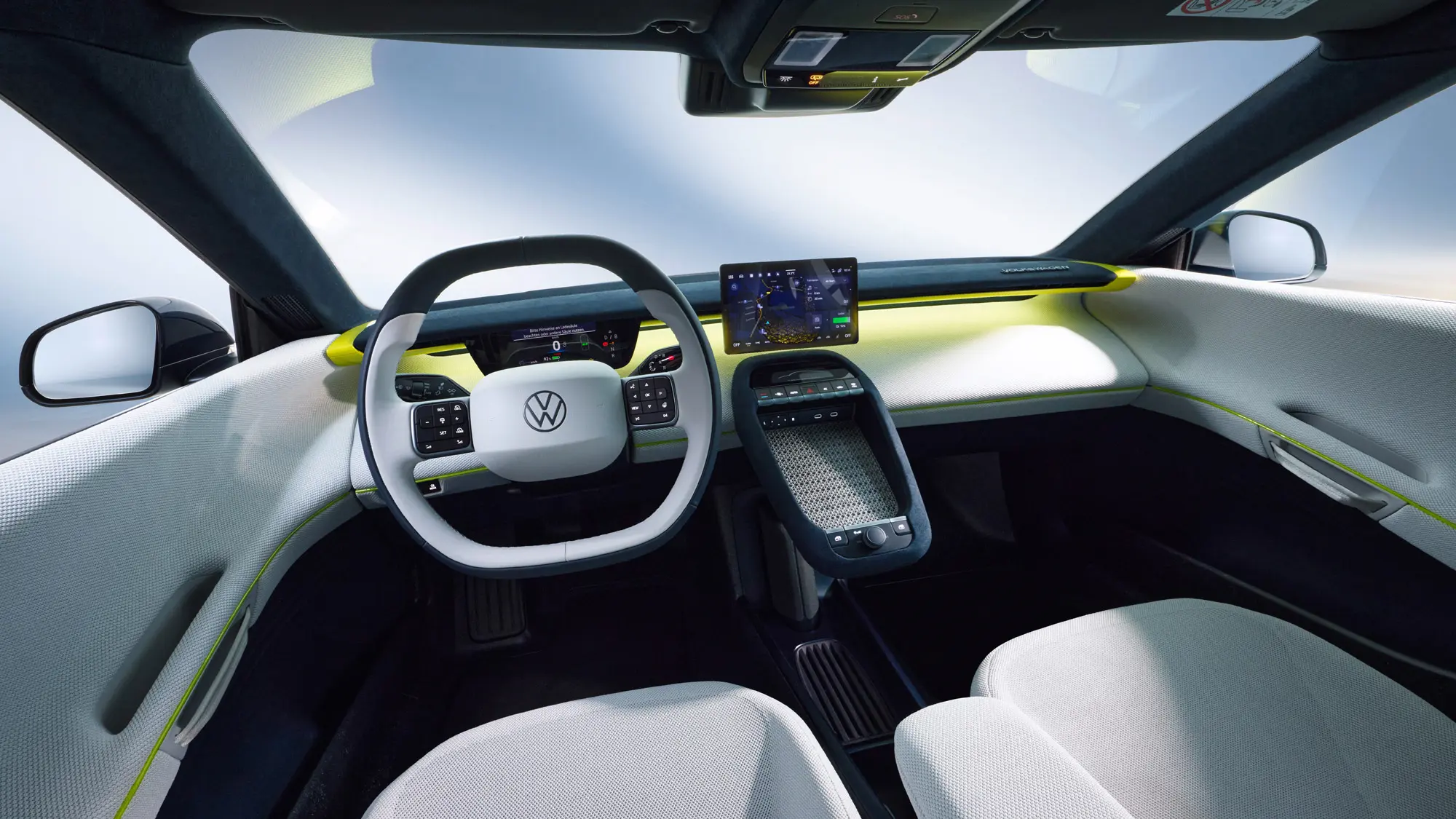
However, Mission Efficiency does not use a luxury smart cockpit in the traditional sense. In order to further reduce weight and complexity, Volkswagen does not even have a traditional large-size central infotainment screen in the center console, but adopts the "bring your own device" idea.
Some entertainment and information functions can be completed in the car through mobile phones, tablets and other devices. Smartphone and tablet holders are also provided and equipped with portable Bluetooth speakers. This design not only reduces the weight of on-board electronic equipment, but also reflects the design concept of this model that puts energy efficiency as the highest priority.
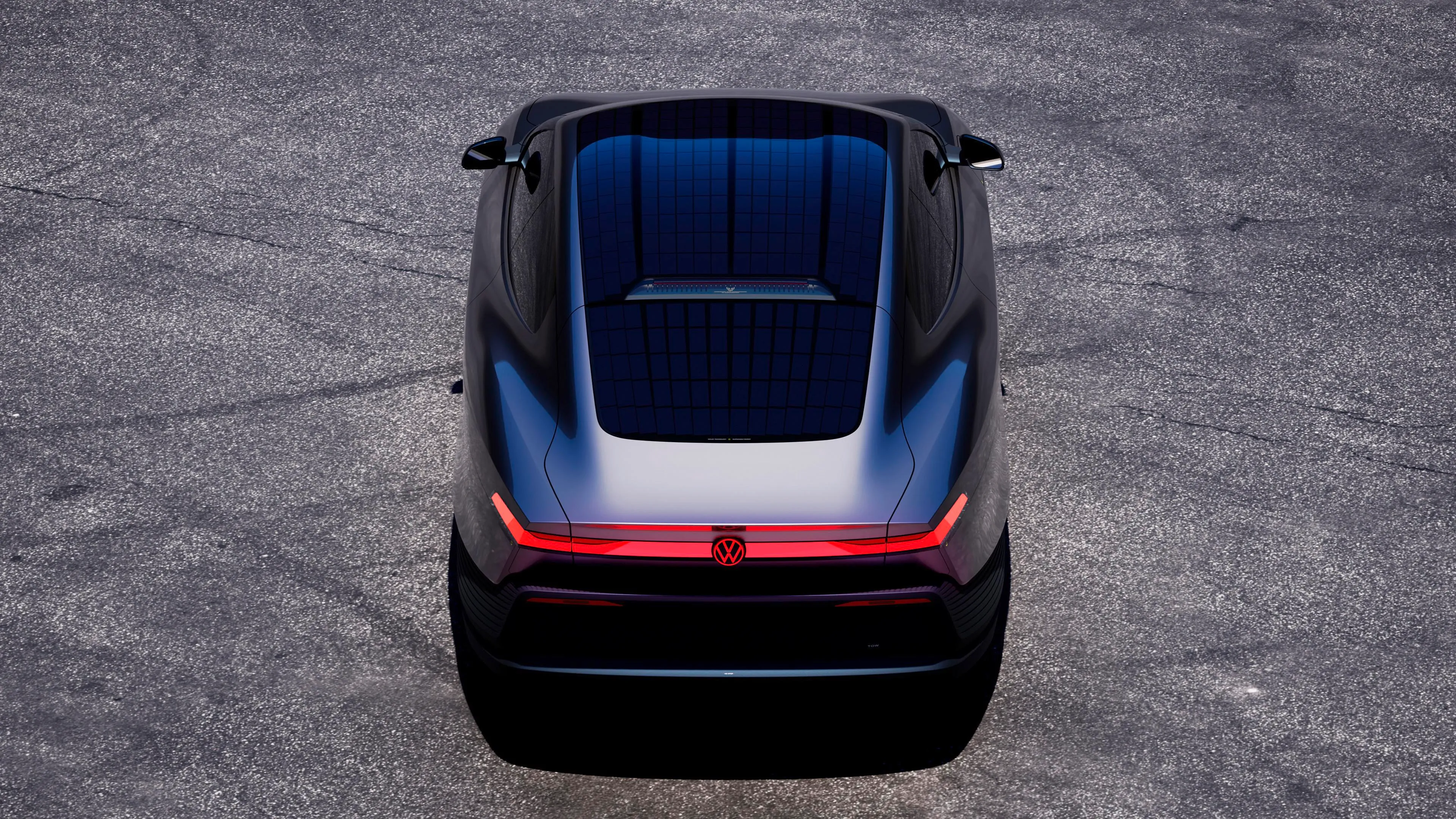
The roof of the vehicle is also integrated with solar panels that can power on-board electronic devices and theoretically provide up to about 30 kilometers of additional range. The main role of the solar system is not to bear the main driving energy of the vehicle, but to reduce the consumption of power batteries by air conditioning, electronic equipment and other auxiliary systems.
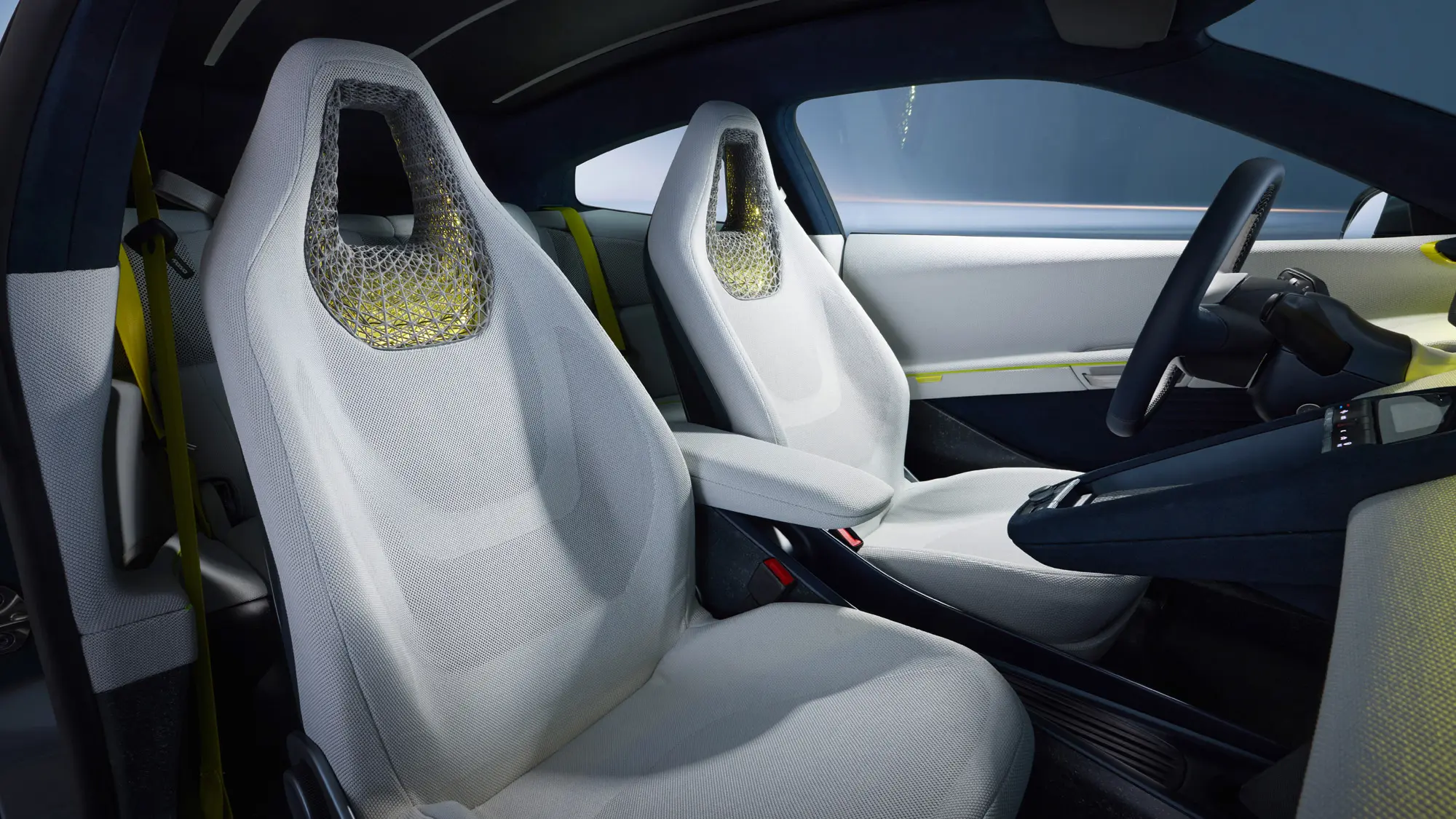
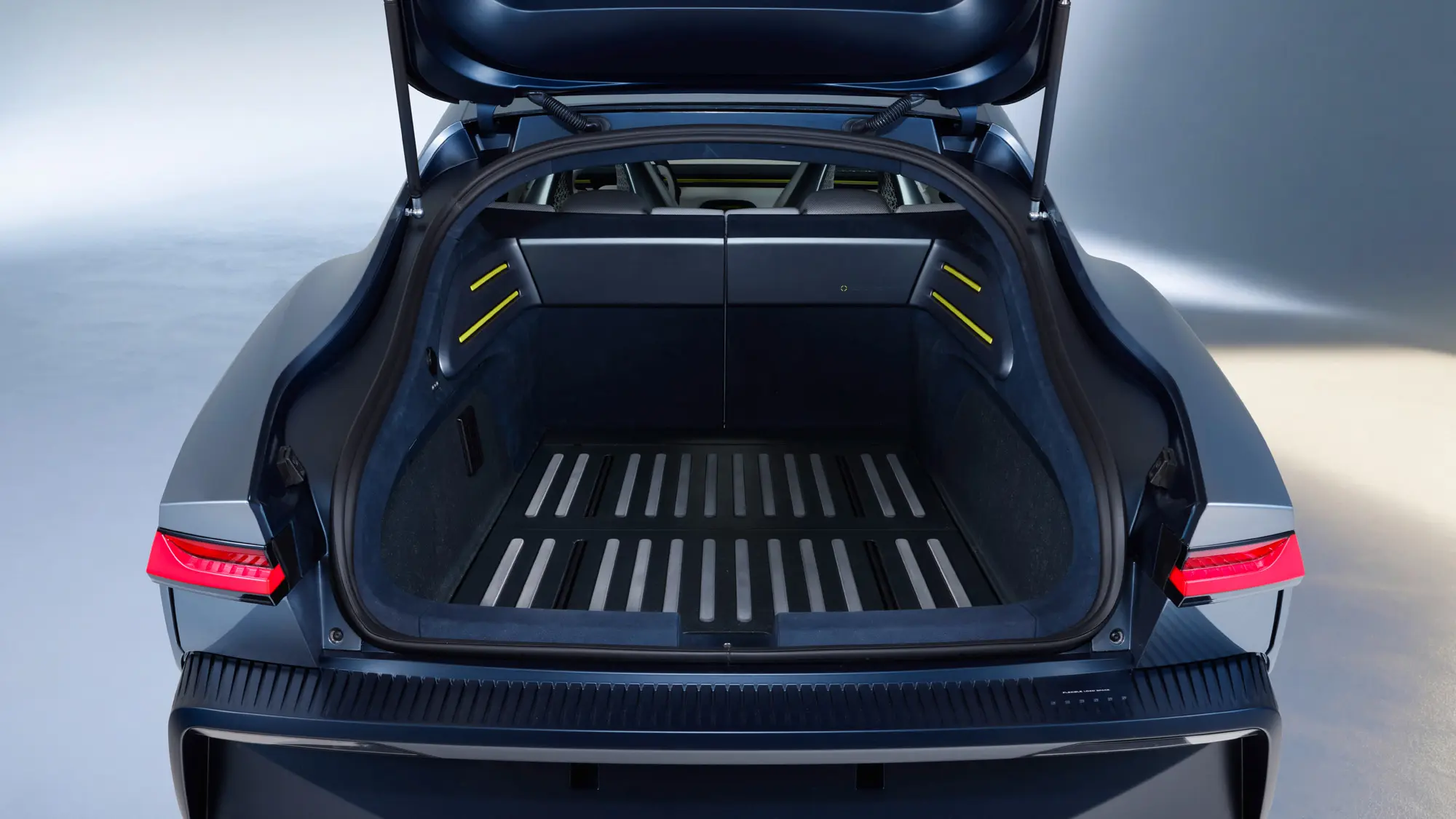
Although the body has obvious sports car-like proportions, Mission Efficiency still adopts a 2+2-seater layout. The front row can provide complete space for daily use, while the rear row is more suitable for passengers with a height of less than 1.6 meters. The vehicle also has 481 liters of luggage space, and Volkswagen hopes to prove that even the pursuit of extreme aerodynamic efficiency does not necessarily mean that the vehicle completely loses its daily practicality.
The design idea of this car is actually not the first time Volkswagen has tried it. As early as around 2013, Volkswagen launched the XL1, a plug-in hybrid model with a teardrop-shaped body and a closed rear wheel design that also aimed for extreme energy efficiency. The XL1 later even entered the small-scale production stage and became one of the most experimental models in Volkswagen's history.
Mission Efficiency can be seen as the continuation of the XL1 concept in the pure electric era. However, there are obvious differences in the technical routes of the two. XL1 adopts a very special power system and body structure in pursuit of extreme lightweight, while Mission Efficiency is based more on Volkswagen's existing MEB+ platform and future mass-produced model technologies.
Therefore, the real significance of Volkswagen's demonstration is not to launch an extreme-looking electric coupe, but to prove that many technologies that reduce energy consumption can actually be gradually transferred from concept cars to ordinary production models. Even if consumers don't end up driving this teardrop-shaped vehicle, active aerodynamics, wheel hub deflection, chassis enclosure, lightweight materials and more efficient thermal management systems are all likely to appear in future Volkswagen electric vehicles.
At present, Volkswagen has not announced plans for official mass production of Mission Efficiency. This car is still a concept technology demonstration model. However, Volkswagen defines it as a "near-volume production" vehicle, which means that a lot of the technology in it already has a high level of engineering maturity.
The emergence of Mission Efficiency also reflects that the entire automotive industry is re-examining the efficiency of electric vehicles. In the past, car companies often improved battery life by increasing battery capacity. However, as issues such as battery weight, cost, and charging speed become more and more prominent, reducing the vehicle's own energy consumption is becoming another important technical route.
Many car companies, including Mercedes-Benz, Audi, Porsche and Ford, are reducing the wind resistance of electric vehicles through more complex aerodynamic designs. Especially in high-speed driving environments, the impact of body shape on actual energy consumption becomes increasingly obvious.
The results shown by Volkswagen in this test show that an electric vehicle that does not use a super-large-capacity battery and has a moderately powerful power system can also achieve an actual single-charge driving distance of more than 1,200 kilometers through extreme aerodynamic optimization and lightweight design.
However, this level of efficiency comes at a clear styling cost. Mission Efficiency's slender drop-shaped body, extremely low roof and covered wheels are not the most acceptable design for ordinary consumers. The real problem that Volkswagen needs to solve in the future is how to translate these aerodynamic advantages into ordinary models that consumers are willing to buy.
From this perspective, Mission Efficiency is more like a technology experiment than a mass-produced car that is about to be launched. The question it is trying to answer is very simple: How much power can a modern pure electric vehicle save if it does not rely on a larger battery, but squeezes out efficiency from every aspect such as body aerodynamics, weight, power system, thermal management and auxiliary power consumption.
At least judging from the current test results, Volkswagen has given a quite astonishing answer.
Comments