
Abstract:
Volkswagen officially released the new ID.3 GTI. This model brings the GTI, a classic performance car icon, into the pure electric era and becomes the most powerful mass-produced model in the 50-year history of Volkswagen GTI. The ID.3 GTI is planned to be launched in the first quarter of 2027, and pre-sales are expected to start in early 2027, mainly for the European and British markets. Currently, Volkswagen has no plans to introduce the ID.3 series to the US market.
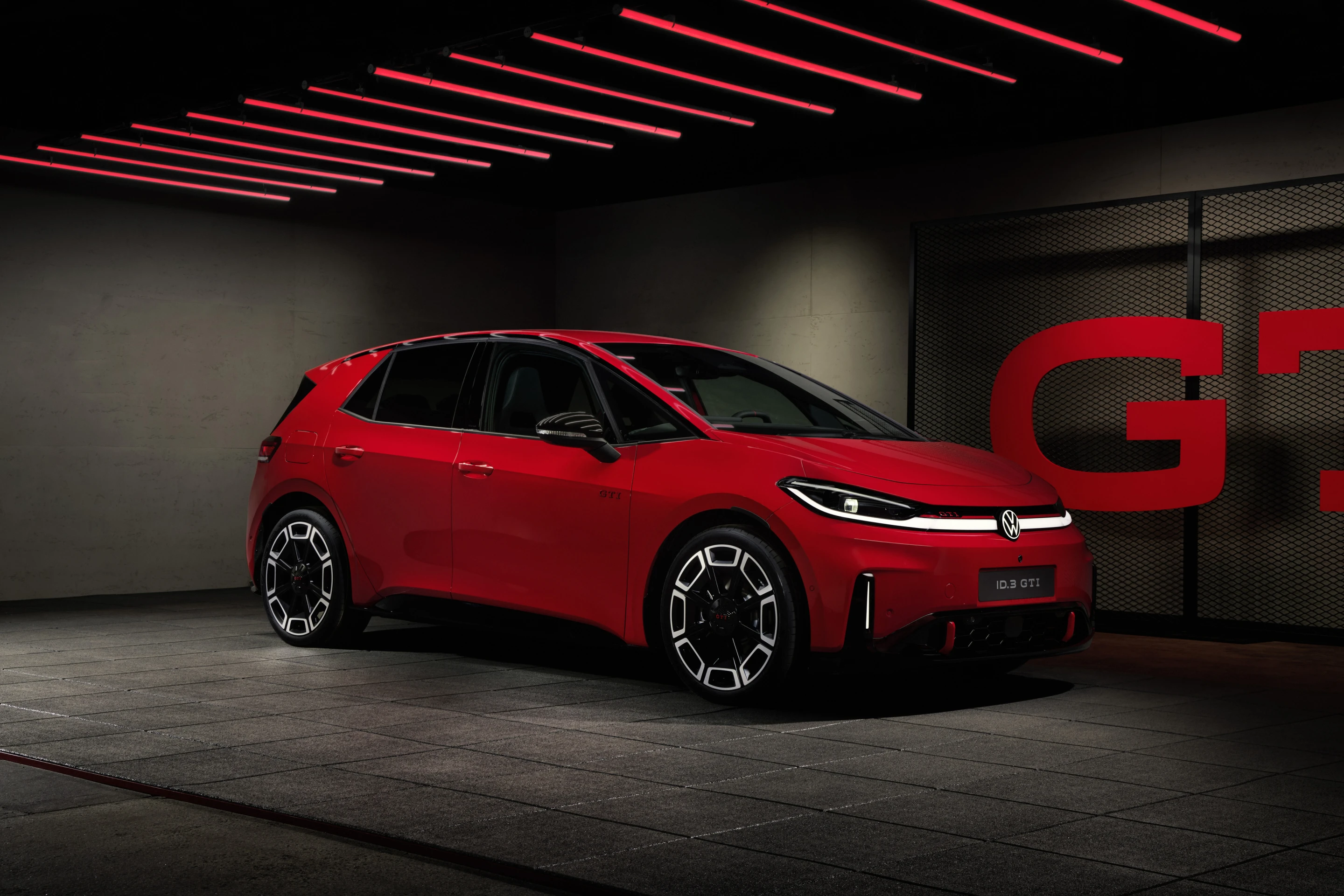
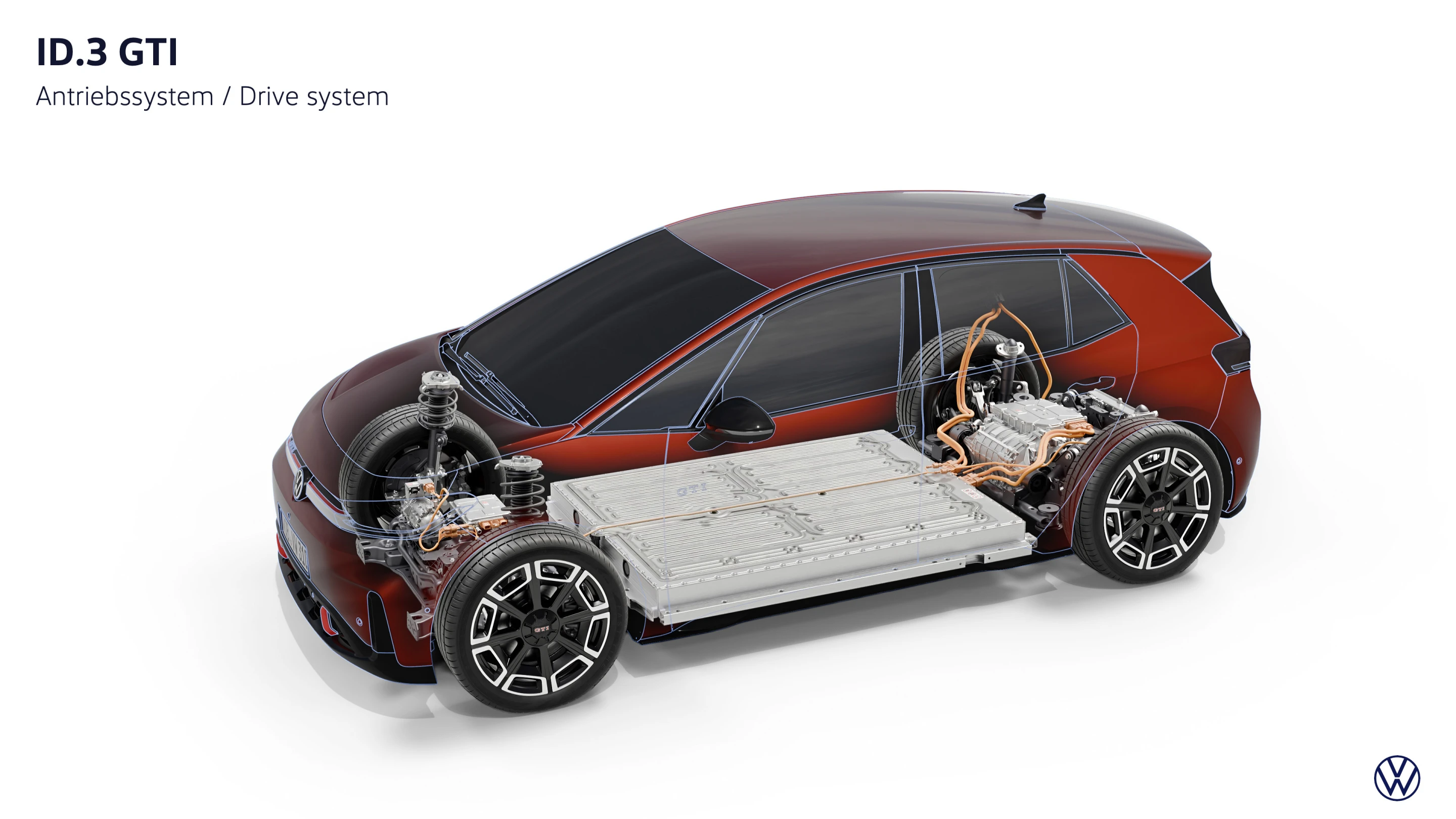
The ID.3 GTI is developed based on the new ID.3 Neo and will also replace the previously short-lived ID.3 GTX. Unlike all fuel-powered Golf GTIs that used front-wheel drive in the past, the ID.3 GTI uses rear-wheel drive this time, which is also the first time in GTI history. Volkswagen hopes that through this layout, this electric small steel cannon will gain more flexible control characteristics, rather than simply pursuing straight-line acceleration performance.
The power comes from Volkswagen's latest APP550 permanent magnet synchronous motor, which is installed at the rear axle. The maximum power reaches 240 kilowatts, which is 326 horsepower, and the peak torque is 545 N·m. Through Launch Control, the vehicle accelerates from 0-100 km/h in 5.6 seconds, and the top speed is electronically limited to 200 km/h.
According to Volkswagen, 326 horsepower makes the ID.3 GTI the most powerful mass-produced model in GTI history, only 1 horsepower more than the Golf GTI Edition 50 equipped with a fuel engine. However, the ID.3 GTI is not the fastest-accelerating GTI. The Golf GTI Edition 50 accelerates from 0-100 km/h in 5.3 seconds, which is faster than the pure electric version. The extra weight brought by the battery pack has become an important reason why the ID.3 GTI has not made further breakthroughs in straight-line acceleration.
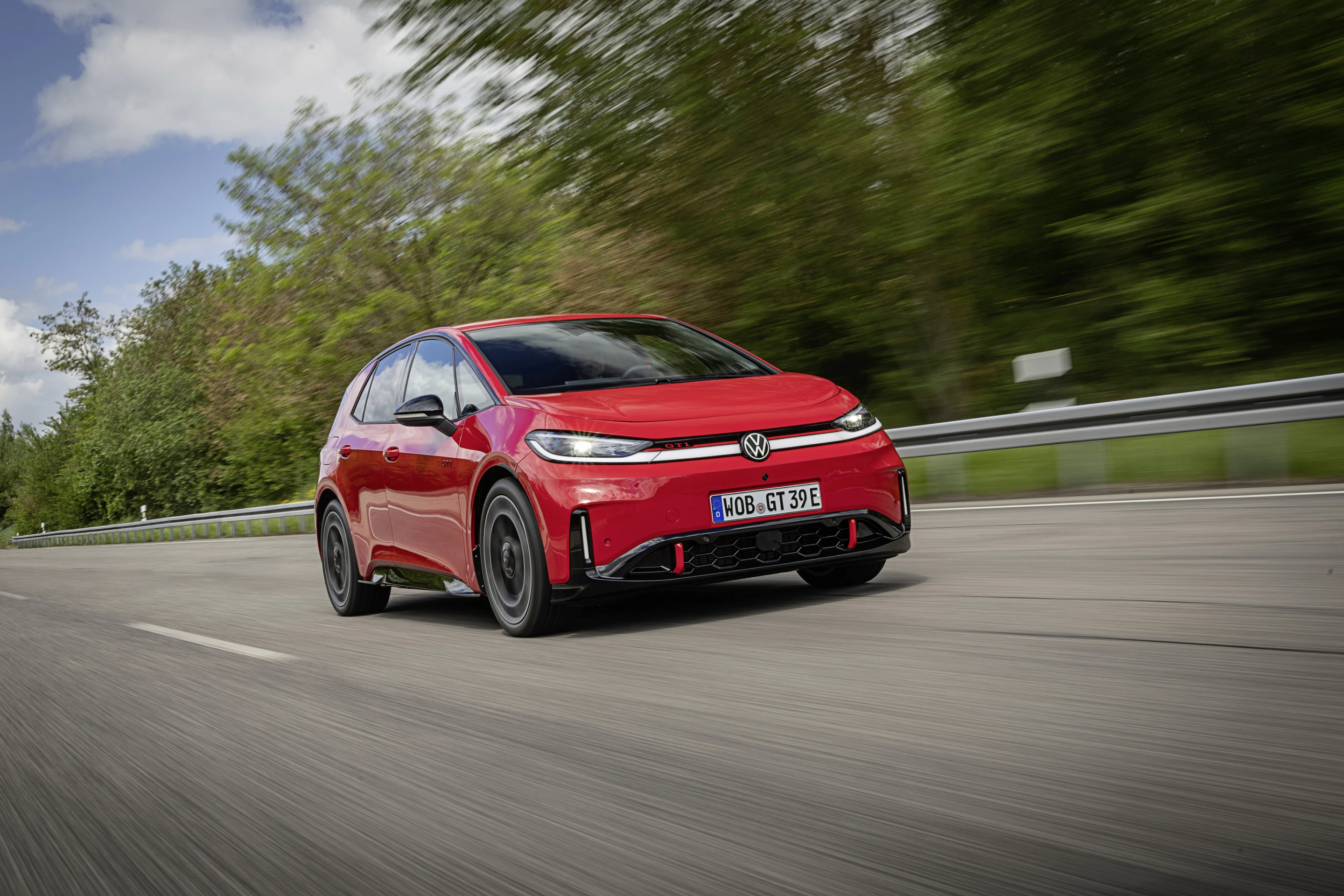
The vehicle uses the MEB+ platform and shares core battery technology with the recently launched ID.3 Neo. The power battery is a lithium-ion battery pack with a net capacity of 79 kWh, and the WLTP comprehensive cruising range is expected to reach up to 601 kilometers.
In terms of charging, the ID.3 GTI still uses a 400-volt electrical architecture, and the maximum power of DC fast charging is 183 kilowatts. Charging from 10% to 80% takes approximately 29 minutes. Although this speed is sufficient for daily use, compared with some high-performance electric vehicles that use an 800-volt architecture and can be charged in a shorter time, the ID.3 GTI does not have a clear advantage in terms of recharge speed.
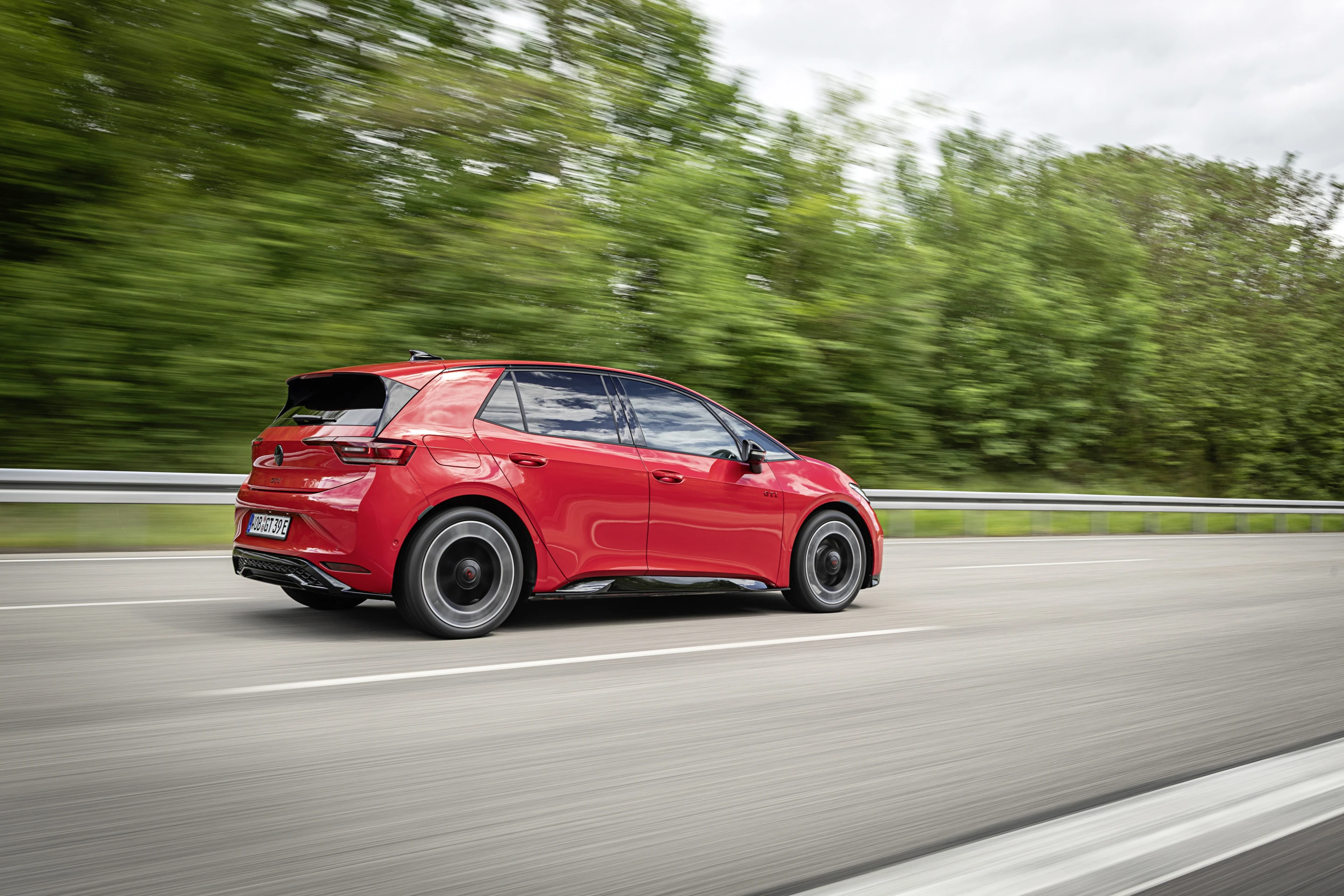
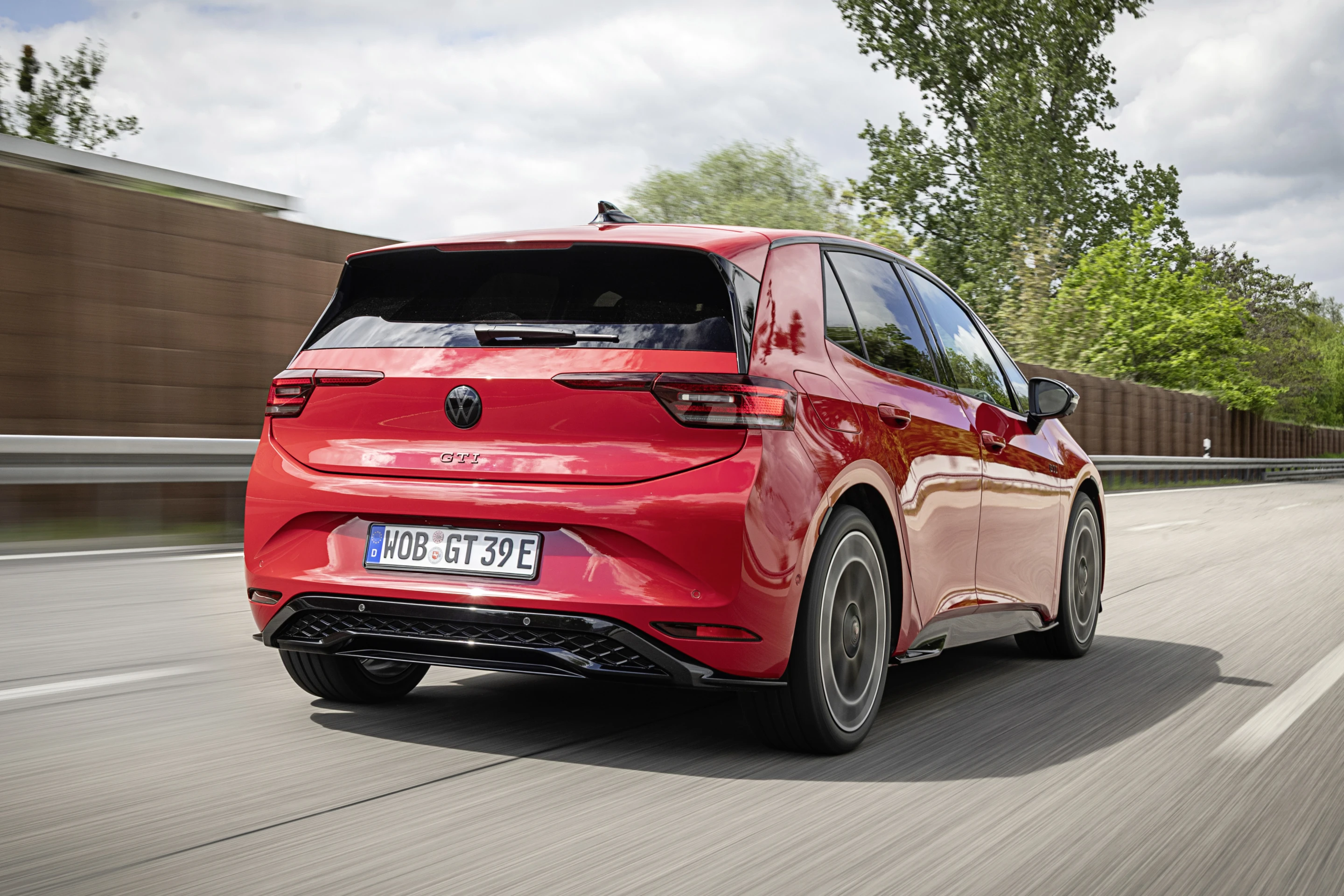
In order to give a heavier pure electric vehicle a handling feel closer to that of a traditional GTI, Volkswagen has specially adjusted the chassis. The vehicle is equipped with an electronic differential lock and adaptive dampers, and uses a reinforced DCC sports chassis, as well as a direct and progressive steering system. 20-inch Wörthersee exclusive wheels are standard, and the tire size is 225 width, and 235 specifications are also available.
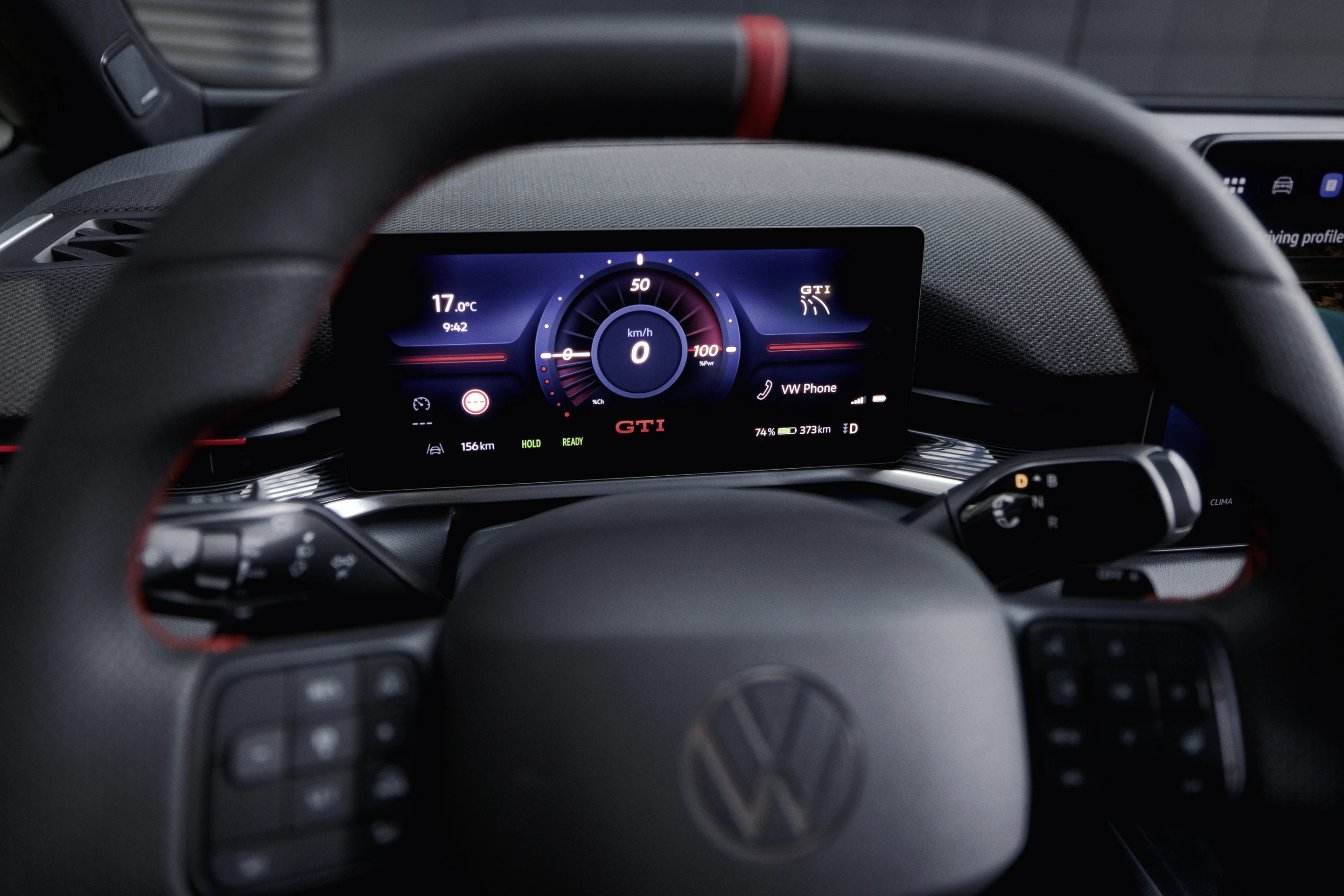
There is also an eye-catching red GTI physical button under the steering wheel. After pressing the button, the vehicle enters a dedicated GTI mode, where steering response, suspension settings and dynamic response are further enhanced, and Launch Control is activated. At the same time, a synthesized mechanical engine sound will also be played in the car, allowing the driver to get auditory feedback similar to that of a traditional GTI without an internal combustion engine.
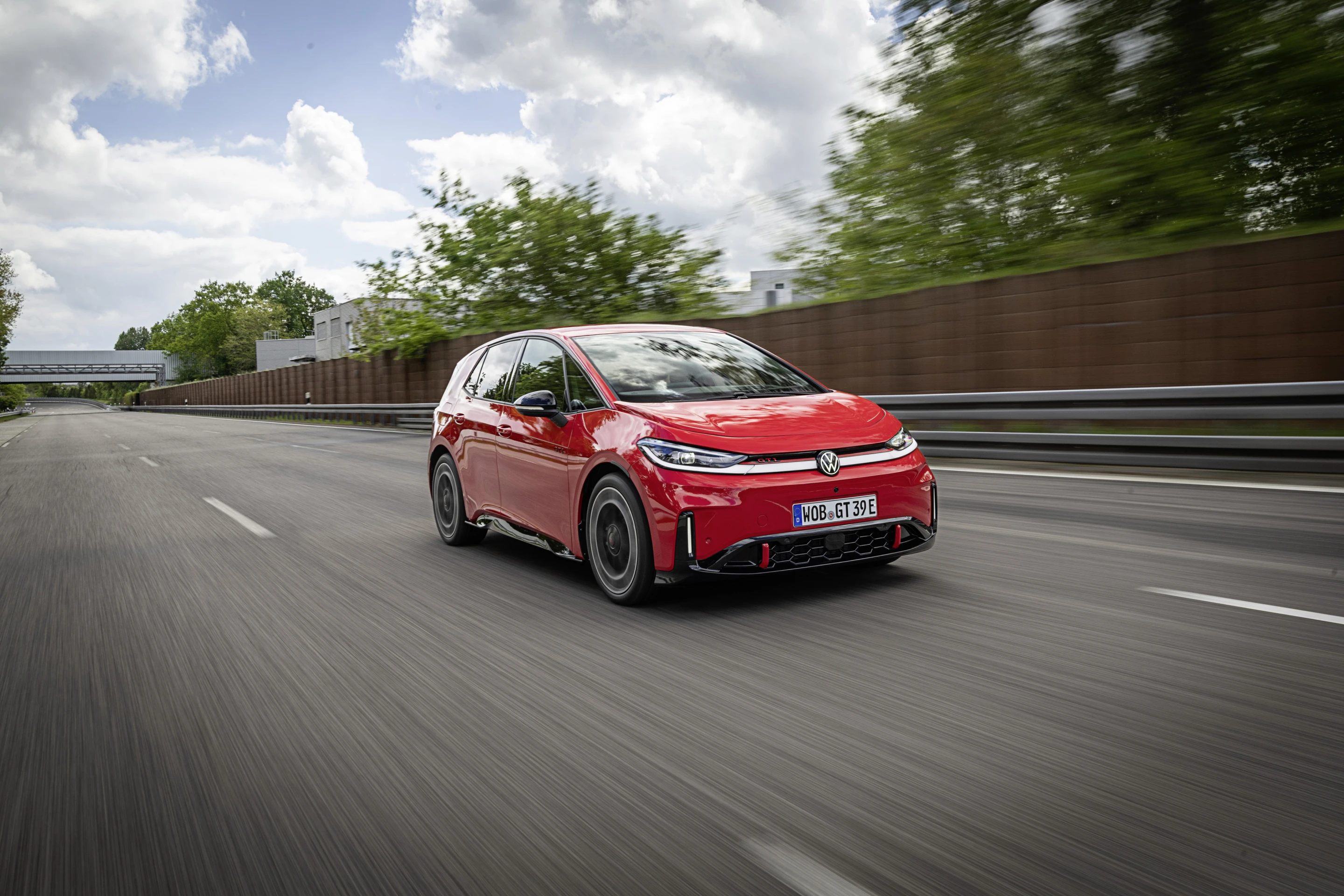
In terms of appearance, the ID.3 GTI continues the design elements of the classic GTI. The front of the car adopts a new shape, with red horizontal decorative strips and a more sporty light group design. The vehicle is equipped with exclusive 20-inch Wörthersee wheels, and the classic Tornado Red paint also returns. A large number of GTI-specific details are also added to the body, making it clearly different from the ordinary ID.3 Neo.
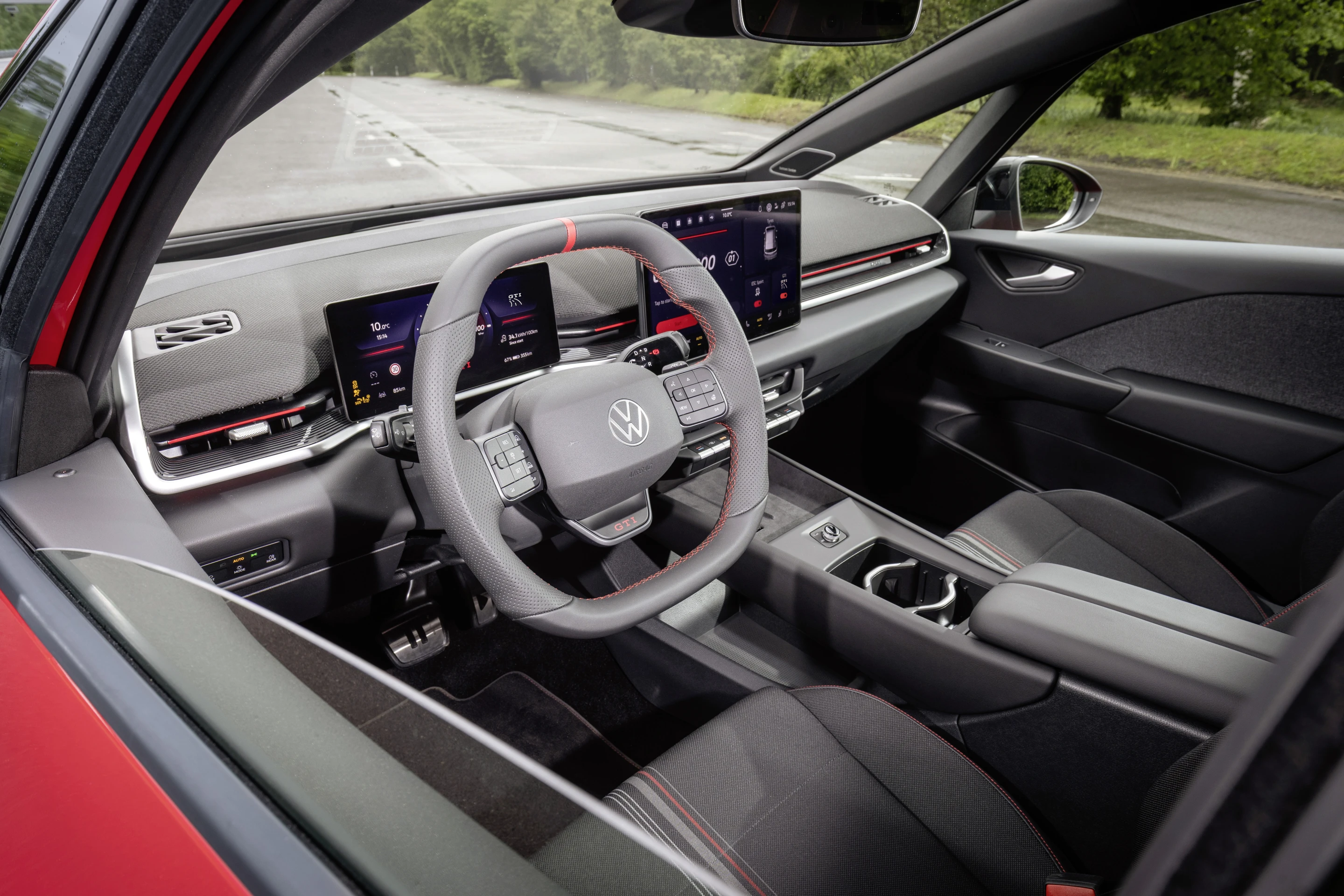
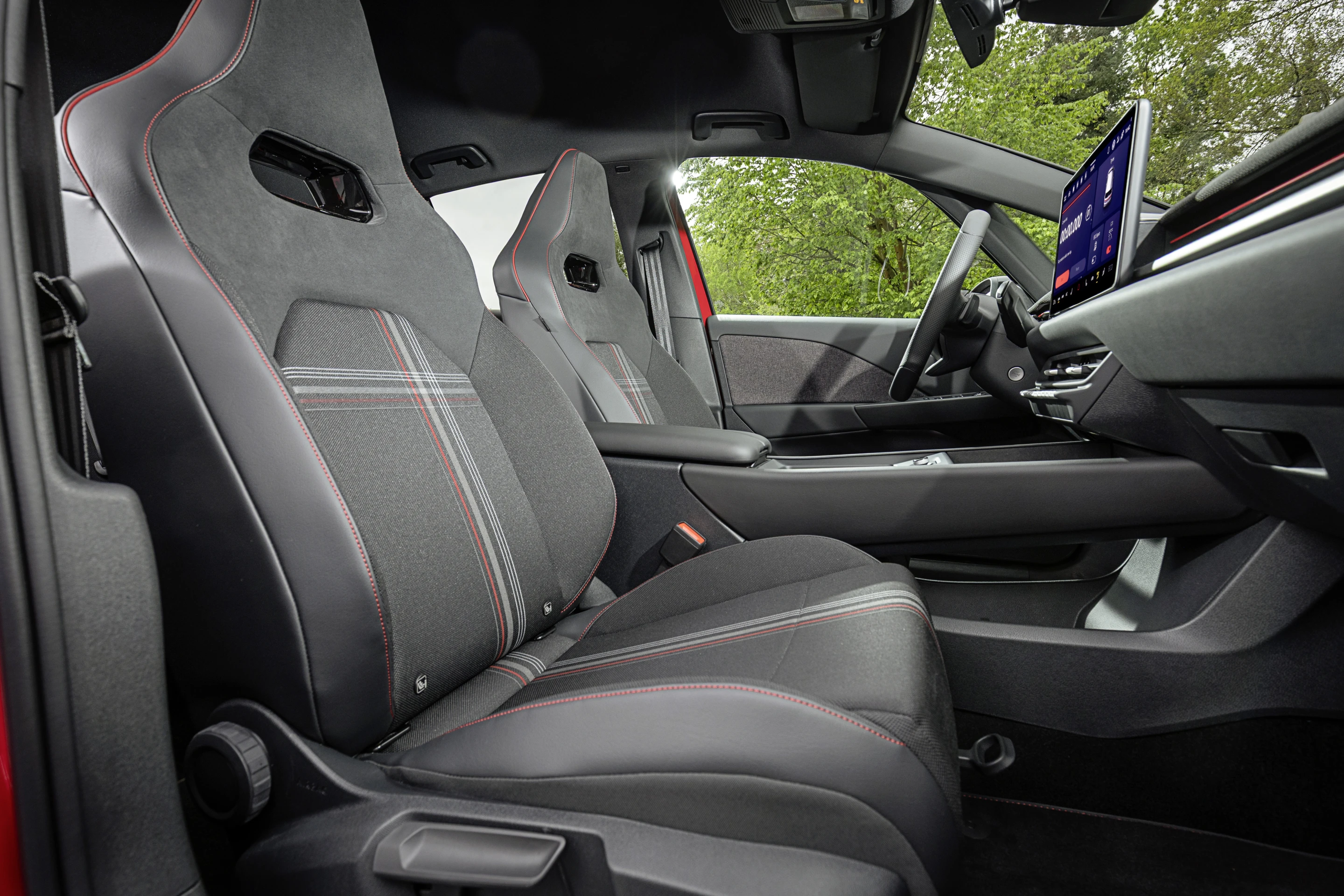
The interior has also been redesigned around the GTI theme. The vehicle is equipped with sports seats, which adopt a modern version of the classic Superclark check pattern, and add red stitching and GTI-specific instrument elements. The steering wheel adopts a sporty design and has a red 12 o'clock position mark to further enhance the driving atmosphere.
The center console is equipped with a 12.9-inch central touch screen, and Volkswagen finally added physical air conditioning control buttons and physical volume knobs. This change is actually a response to feedback from users of the first-generation ID series models. The non-backlit touch slider used in the previous ID series has been criticized a lot, but the new model re-adopts physical controls, making the operation more intuitive.
ID.3 GTI also has a V2L external power supply function, which can output up to 3.6 kilowatts of AC power through an external adapter to provide power for laptops, power tools, camping equipment, etc.
However, if we simply compare power parameters, the competitive environment in which the ID.3 GTI is located is not easy. The starting price of the vehicle in Europe is expected to be about 50,000 euros, and there are already many high-performance electric vehicles with dual-motor four-wheel drive in this price range. For example, the Tesla Model 3 Performance in a similar price range can provide about 510 horsepower and accelerate from 0 to 60 mph in 2.9 seconds; the Hyundai Ioniq 5 N can output up to about 641 horsepower and accelerate from 0 to 60 mph in about 3.2 seconds.
Therefore, Volkswagen is not trying to make the ID.3 GTI a performance electric car that simply competes in acceleration figures. It abandons the common dual-motor four-wheel drive solution of its competitors and instead adopts a rear-drive layout. It places more emphasis on chassis, steering, suspension and vehicle dynamic response, hoping to continue the traditional GTI's lightweight, flexible and fun-to-drive characteristics.
Battery life is one of the relatively outstanding advantages of the ID.3 GTI. The WLTP range of up to 601 kilometers is quite impressive for a high-performance electric vehicle, and the vehicle still retains the ID.3's daily practical attributes as a compact hatchback. Compared with some electric performance cars that put more emphasis on performance and significantly reduce battery life, the ID.3 GTI attempts to strike a balance between performance, battery life and daily use.
However, the ID.3 GTI is still based on the 400-volt MEB architecture that has been used for many years. Compared with some competing models using 800-volt systems, its 29-minute fast-charging time of 10 to 80 percent is not outstanding. At the same time, although the 0-100 km/h time of 5.6 seconds is fast enough, it is not particularly radical in today's high-performance electric vehicle market.
Therefore, the core mission given by Volkswagen to the ID.3 GTI is not to create the fastest electric cannon, but to try to prove that GTI, a classic performance brand born in the fuel era, can still maintain its own driving characteristics in the pure electric era. Rear-wheel drive, electronic differential lock, adaptive suspension, GTI mode, and classic exterior and interior design have all become important means for Volkswagen to continue the GTI tradition.
The ID.3 GTI is expected to be officially launched in the first quarter of 2027. For European consumers, it will become another important model in the process of the Volkswagen GTI family moving from fuel power to electrification. For North American consumers, since Volkswagen currently has no plans to introduce the ID.3 series, this 326-horsepower pure electric GTI will remain a model that cannot be purchased in the European market for the time being.
Comments