
Abstract:
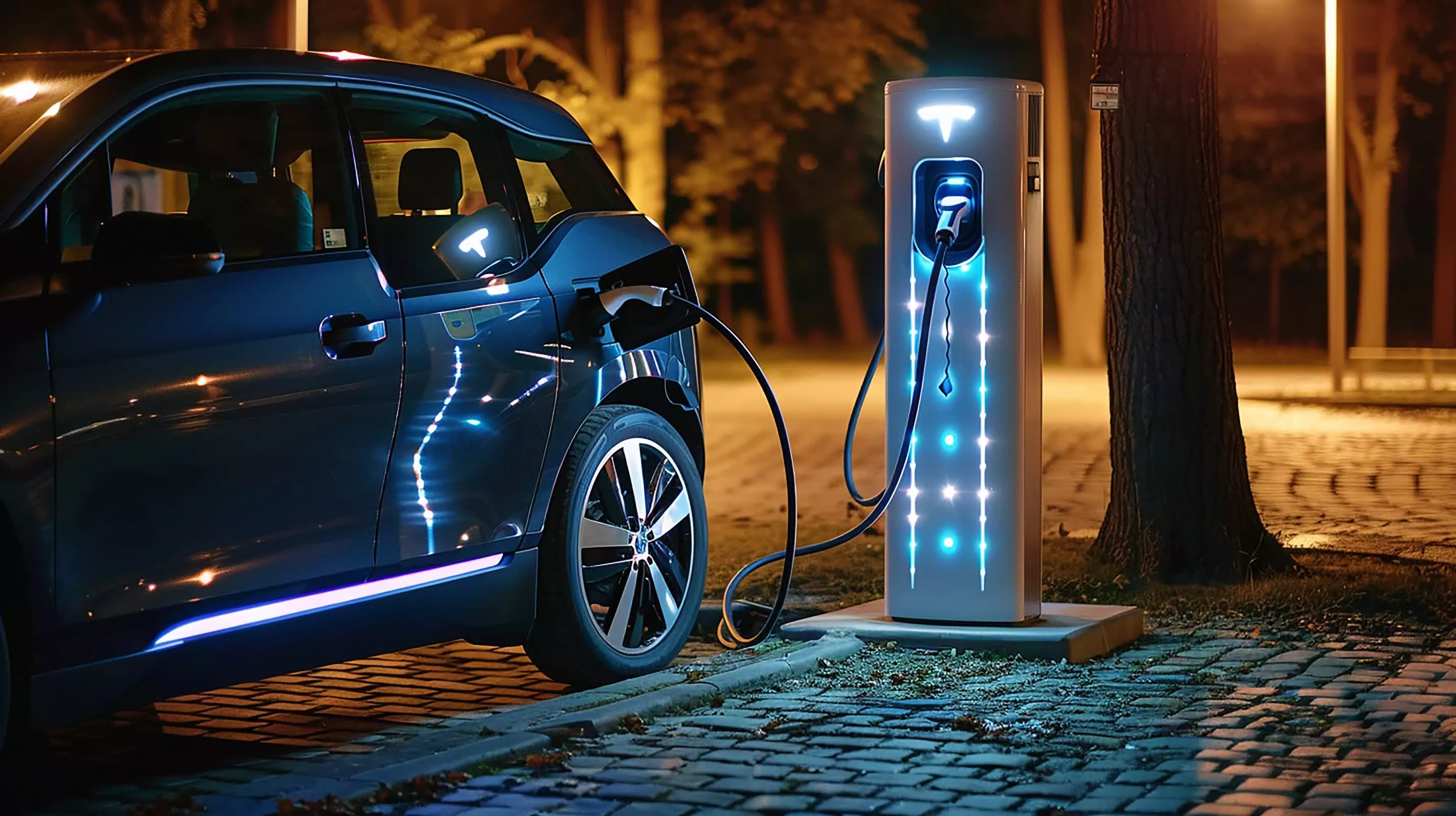
The number of public electric vehicle charging piles planned to be installed by U.S. charging companies this year is expected to be the same as in 2025, which set a record high in industry history. Charging company executives said that the addition of thousands of charging piles this year will, on the one hand, facilitate long-distance travel for existing electric vehicle owners and serve the large influx of buyers into the second-hand electric vehicle market; on the other hand, it will also lay out infrastructure in advance for future demand for electric vehicles to pick up.
Rick Wilmer, CEO of charging company ChargePoint, said when talking about the industry's mentality during the market downturn: "I still feel that many people are so nervous that they can't breathe, but the growth is real. The electric vehicle owner group hopes that there will be more charging piles in the world."
Optimism in the electric vehicle industry has continued to slump since U.S. President Trump canceled tax credits and fuel economy regulations aimed at pushing Americans away from gasoline-powered vehicles. Major car companies have put aside their ambitious electric vehicle development goals, canceled multiple model research and development plans, made billions of dollars in asset impairments, adjusted investment directions, and returned to the fuel vehicle business.
Even so, data from charging pile industry data agency Paren shows that,
as of early October, nearly 2,000 new charging stations have been added in the United States, with more than 12,000 supporting charging piles. The scale of new additions is basically the same as last year. Last year, 3,885 new charging stations were added in the United States, supporting 19,839 charging piles. Data shows that the United States currently has more than 80,000 public fast charging piles.
Paren co-founder and chief technology officer Bill Ferro said that more importantly, charging pile service providers have learned from past lessons and solved many of the pain points that once dissatisfied electric vehicle owners. On average, new sites are equipped with more charging piles to reduce waiting time; the power of chargers continues to increase, shortening the charging time of electric vehicles; the industry is also optimizing site selection strategies, with more sites located around restaurants and in densely populated areas, instead of being located in remote parking lots far away from restrooms and lacking supporting facilities.
Ferro said: "I call it the American infrastructure construction. Only when you are in it will you realize that this construction is happening."
This infrastructure construction is intended to solve the chicken-and-egg problem that the electric vehicle industry has been facing since its inception: without sufficient charging infrastructure, consumers are unwilling to buy electric vehicles.
But charging companies are building for future needs that may never materialize. The current U.S. electric vehicle industry is still far from the ambitious goals of the Biden administration. The Biden administration's policy goal is that by 2030, 50% of new car sales in the United States will be pure electric, hydrogen energy or plug-in hybrid models.
The reality is that U.S. electric vehicle demand has never met the auto industry’s previous expectations. Before the tax credit policy was cancelled, electric vehicle sales once accounted for about 12% of the new car market in the third quarter of 2025. This year, the proportion has remained at about 6%.
Car company executives generally believe that demand for electric vehicles in the United States will eventually pick up again, especially after affordable electric models are launched one after another.
It is true that charging pile service providers still face high capital costs and still have a long way to go before achieving stable profitability.
ChargePoint, one of the world's largest charging operators, announced that its second-quarter revenue increased 18% year-on-year to US$116 million, which was higher than its performance guidance. But the company had a net loss of $35.6 million in the quarter. Another company, EVgo, had a net loss of US$46.3 million in the second quarter.
ChargePoint's Wilmer said losses are narrowing and the company's business lines are growing, including public charging stations and fleet customers. The vast majority of autonomous vehicles are electric, which is expected to drive charging demand.
Wilmer and other charging industry executives say the number of existing charging piles is not enough to meet the needs of current U.S. electric vehicle owners, let alone new owners in the future.
The expansion of the charging pile industry is not happening everywhere, with growth mainly concentrated in coastal states such as California and New York; however, Ferro said that the scale of construction in Texas and Florida is increasing rapidly.
Many successful cases have emerged in the industry recently. Since its launch early last year, Ionna, a charging network jointly invested by Hyundai, Toyota and other car companies, has now operated more than 180 public fast charging stations.
Walmart opened its 100th fast-charging station at the end of August, which is very suitable for shoppers to replenish energy, or long-distance self-driving travelers who need to buy snacks or use the bathroom. The retail giant will continue to build new stations.
The industry leader is still Tesla, with far superior advantages. Data from Paren shows that Tesla, run by Musk, has added more than 3,500 fast charging piles this year, bringing the total number of fast charging piles in the United States to about 40,000.
Some industry executives pay close attention to the trend of oil prices. The war in Iran has pushed oil prices up by more than 50% this year. Changes in oil prices may change consumers' car purchasing preferences.
Tiya Gordon, co-founder of the start-up It’s Electric, recently won the exclusive construction contract for roadside public charging stations in New York City. She believes that the continued rise in fuel costs may bring about a "trend reversal" in the electric vehicle industry, so she even got a tattoo of the Strait of Hormuz on her arm.
Gordon said: "We know that the root cause of the price increases for various commodities is oil prices." She believes that higher oil prices will prompt more people to reconsider the type of vehicle power. "You'll see more and more of your neighbors driving electric cars, and then you'll realize the benefits."
Comments