
Abstract:
"We are not your enemy." On September 21, 2026, on his way to New York to attend the United Nations General Assembly, Andy Burnham, who took over as British Prime Minister in July this year, told accompanying reporters about the EU's "Made in Europe" plan and said that the UK hopes to become a "trustworthy partner" of the EU.


Andy Burnham told reporters on the way to New York: "Our position has broad support from member states because Europe's position is contrary to ours." Source: PA
Four days later, Reuters quoted the Financial Times as reporting that the EU was urging the UK to increase import tariffs on Chinese cars and align more closely with EU trade policies to prevent key UK exports from being restricted by "Made in Europe" rules.
The United Kingdom hopes that Europe will set aside space for its factories, while Europe begins to question Britain's policy towards Chinese cars.
This debate revolves around the Industrial Accelerator Act (IAA) that the European Union is advancing. The proposal intends to increase demand for European products in the fields of automobiles, steel, batteries and other fields through "Made in Europe" and low-carbon requirements in public procurement and public support measures.
The annual scale of EU public procurement exceeds 2 trillion euros, accounting for approximately 14% of its total economic output. The IAA attempts to use some of these purchases and government support to expand local manufacturing in Europe and reduce reliance on external supply sources.
The UK is worried that it will also be blocked from some support measures. On September 22, Burnham met with European Commission President Ursula von der Leyen in New York. The British government's post-meeting briefing mentioned that the two sides discussed the UK-EU summit within the year and jointly combating unfair competition and overcapacity in the global market, but did not disclose the specific results of consultations on the "Made in Europe" issue.
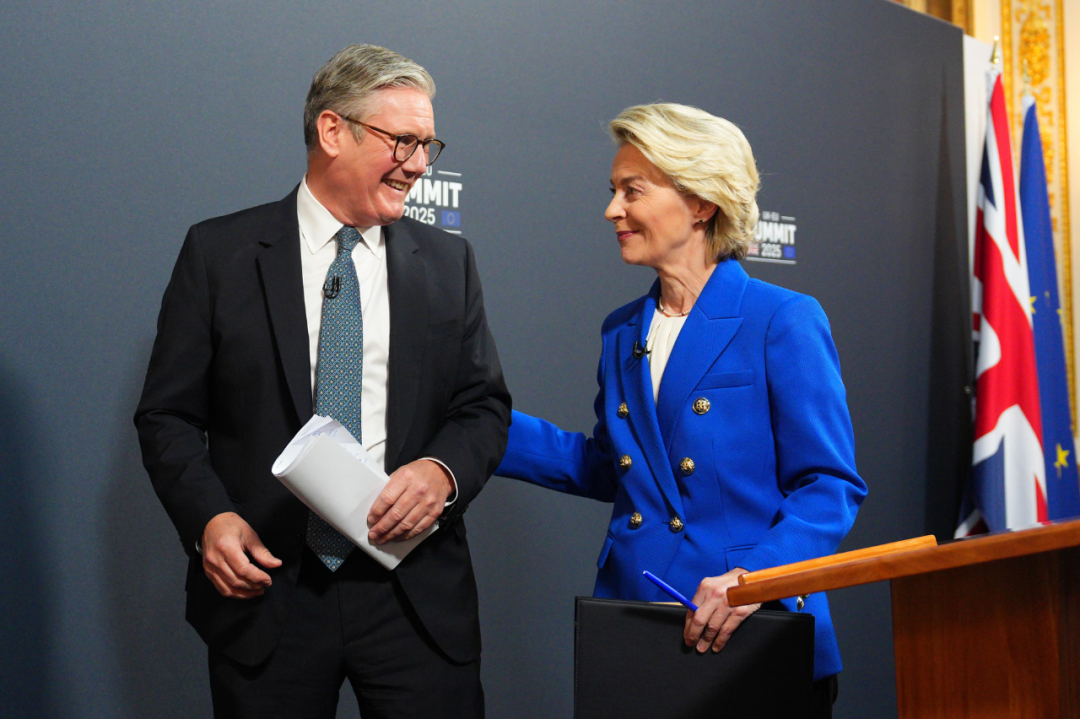
Former British Prime Minister Keir Starmer (left) and Ursula von der Leyen (right) announced a plan to restart relations between the United Kingdom and the European Union in London in May 2025. Image source: PA
Burnham said that the UK’s demand to participate in this arrangement has gained support among EU member states. Sébastien Martin, the French minister responsible for industrial affairs, emphasized that after leaving the EU, the UK cannot expect to obtain exactly the same rights as member states.
The British automotive industry needs both the European market and Chinese investment. Chinese car companies are already selling complete vehicles, laying out channels, and investing in research and development in the UK. Some have local factories, and some are looking for production cooperation opportunities. The UK wants to both provide conditions for these investments and win European recognition of British manufacturing.

The UK is full of Chinese cars
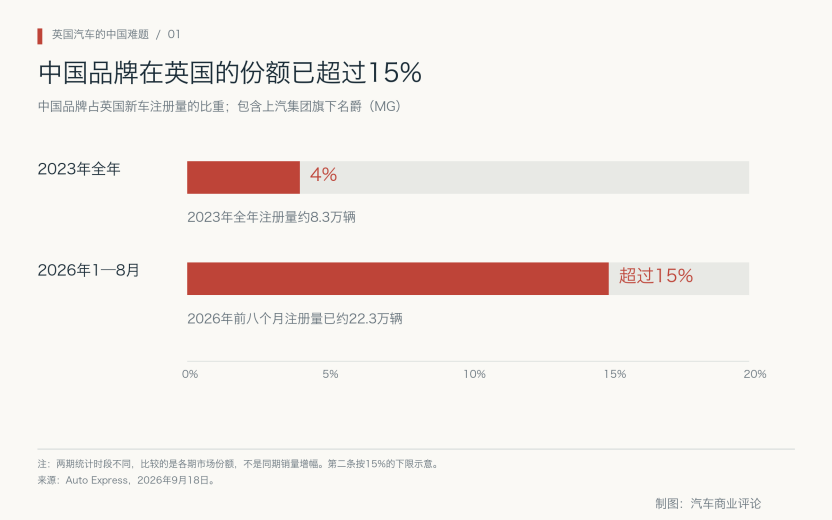
Chinese brands already account for more than 15% of the British new car market.
According to the British automotive media Auto Express, in the first eight months of 2026, Chinese brands including MG, a subsidiary of SAIC Motor, registered approximately 223,000 new cars in the UK. BYD, as well as Chery Automobile's sub-brand Jaecoo launched for overseas markets, are expanding sales.
The distribution network is also expanding rapidly. According to data from the British car trading platform Autotrader, the number of British dealership outlets selling Chinese brand cars increased from 95 in May 2024 to 440 in May 2026, an increase of approximately 4.6 times in two years.
BYD is a typical example. After starting to sell passenger cars in the UK in March 2023, its cumulative new car registrations have exceeded 100,000 by July 2026. The product range has expanded from one to ten models, covering pure electric and plug-in hybrid models, and the retail network has also expanded to 143 outlets.
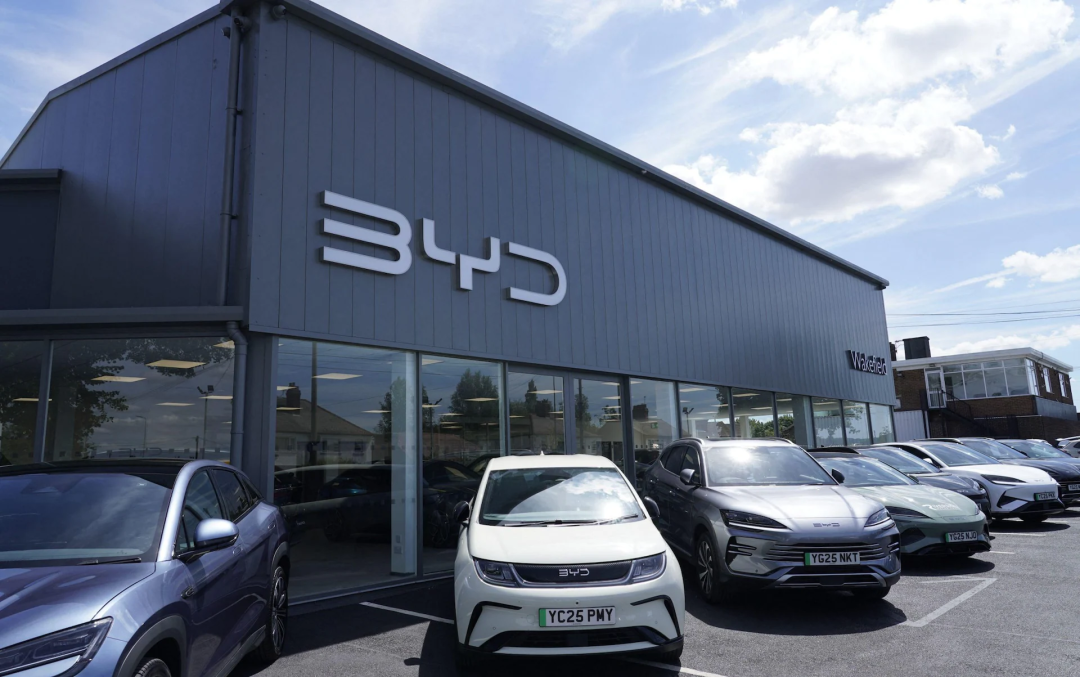
Image source: Alamy
MG’s relationship with the UK is even more special. This brand, which was born in the UK, was acquired by Nanjing Automobile in 2005. In 2007, it was merged into SAIC with the integration of SAIC and Nanjing Automobile. Now, it is expanding its scale in the British market again as a brand of China Automobile Group.
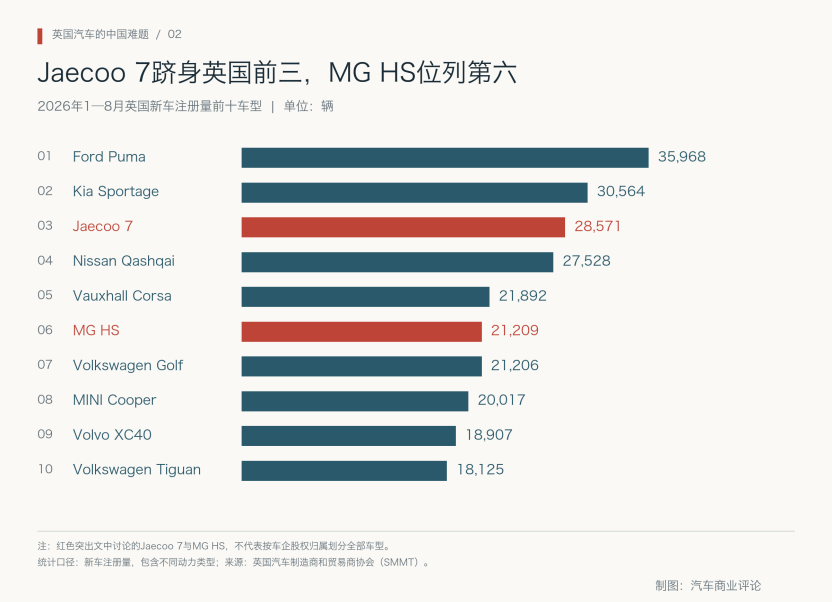
According to data released by the brand, in the first eight months of this year, MG's new car registrations in the UK exceeded 60,000, a year-on-year increase of 19.8%. The Society of Motor Manufacturers and Traders (SMMT)'s model registration list for the same period shows that MG HS ranked sixth and Jaecoo 7 ranked third.
Chery is also extending its business beyond sales. In August this year, the company announced that it would set up a research and development center at UTAC Millbrook in Bedfordshire. This is a vehicle testing and development base operated by UTAC, an automotive testing and certification organization, in the UK. It has test tracks and battery and other testing facilities.
Chery plans to open the center in late autumn. The initial focus will be on chassis and driver assistance systems adapted to British driving needs, and will later be expanded to autonomous driving and artificial intelligence.
Manufacturing cooperation is also advancing. In June, Chery signed a non-binding agreement with Nissan to explore the use of Nissan's Sunderland plant to produce Chery passenger cars for the British market. As of mid-September, the cooperation is still in the evaluation stage, and the specific models and production scale have yet to be determined.
If the cooperation is implemented, Chery can use existing factories to carry out local production, and Nissan will have the opportunity to improve Sunderland's capacity utilization. What the British government hopes is that the market growth of Chinese brands will bring local manufacturing orders.
Geely Holding Group already has manufacturing assets in the UK. Its London Electric Vehicle Company (LEVC) produces taxis near Coventry, Lotus has manufacturing operations in Norfolk, and the group also has design and R&D capabilities in Coventry. LEVC disclosed in 2024 that Geely’s cumulative investment in it since 2014 has exceeded 1 billion pounds.
In addition to these group-level investments, Geely Automobile has also begun to expand into the British market under the Geely brand. The first model will enter the UK in October 2025, and monthly registrations exceeded 1,000 vehicles for the first time in March this year. The company announced in April that it had authorized nearly 80 dealers and planned to increase sales and service outlets to 100 by the end of the year.
Leapmotor entered the UK with the help of Stellantis Group. This multinational car company, formed by the merger of Fiat Chrysler and Peugeot Citroen Group (PSA) in 2021, holds about 21% of Leapmotor.
The two parties also established Leapao International, with Stellantis holding 51% of the shares and Leapao Automobile holding 49%. It is responsible for the sales and manufacturing of Leapao products outside Greater China. Through this joint venture, Lingpao can leverage Stellantis’ overseas channels and operational resources.
According to data released by Leapmotor UK, in the first half of 2026, its UK new car registrations reached 6,770 vehicles; since entering the UK in March 2025, the cumulative registrations have exceeded 11,000 vehicles.
These companies enter the UK in different ways: some rely on the import of complete vehicles to expand sales, some invest in research and development, some already have manufacturing assets, and some discuss production cooperation with local automobile companies. Britain's policy on Chinese cars therefore not only affects importers, but also involves the interests of factories, suppliers and European car groups themselves.

British manufacturing faces two European thresholds
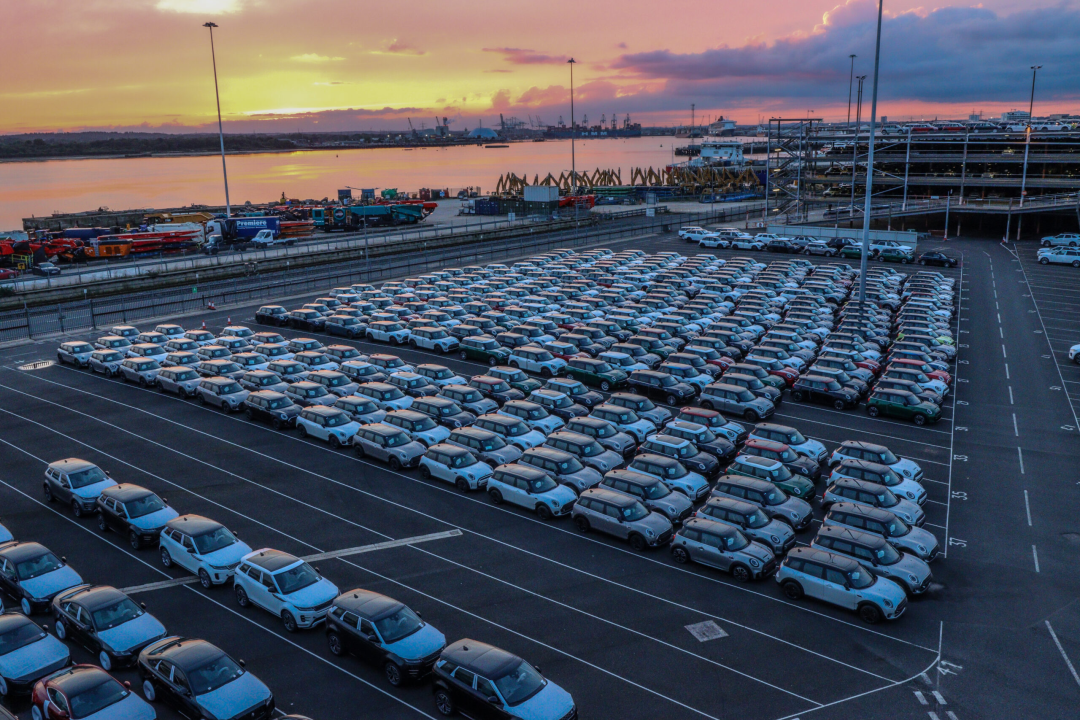
Image source: SMMT
The UK is worried about the IAA, first of all because its automobile industry is highly dependent on exports.
Despite Brexit, the British and European automotive supply chains are still closely connected, and the annual automotive trade between the two parties is worth about 80 billion euros. The majority of UK car production is exported, with the EU being its largest export market.
On September 22, SMMT announced the research commissioned by Oxford Economics. According to 2024 data estimates, British automobile production supports approximately 24 billion euros of economic activity in the EU, involving multiple industries from utilities to finance, real estate, etc., and supports approximately 250,000 jobs through supply chain and wage-driven consumption.
Among them, EU goods and services expenditure related to British car exports to the EU is approximately 5.6 billion euros, supporting approximately 58,000 jobs. This is part of the overall economic linkage mentioned above.
These data measure relevant economic activity and are not forecasts of possible losses from the IAA. SMMT took this opportunity to emphasize that once British factories reduce production, the impact will also be transmitted to suppliers in continental Europe.
According to SMMT's interpretation of the current draft, in the future, British-made cars may not be able to obtain some of the incentives that EU-made products can enjoy, including green enterprise fleet support and related carbon dioxide emission super credit treatment, and may be excluded from relevant public procurement by member states.
If similar models are treated differently in terms of subsidies, fleet support or purchase qualifications due to different production locations, British factories may lose some orders. European car groups such as BMW and Stellantis, which have manufacturing operations in the UK, will also be affected.
The IAA also involves the conditions for foreign investment to enter the EU. The European Commission's proposal notes that companies from countries that account for more than 40% of global production capacity in specific strategic areas will have additional conditions for investments exceeding 100 million euros, involving a majority of EU equity, technology transfer, integration into local supply chains and job creation.
This part is aimed at investments entering the EU and cannot be directly applied to British projects. But it shows that the "Made in Europe" discussed by the EU not only involves where products are assembled, but also how much investment can leave local production and technical capabilities.
In addition to the IAA, the UK also faces stricter UK and EU rules of origin. In September, the UK called for delaying the implementation of new requirements to allow more time for supply chain construction.
According to the current arrangement, from January 1, 2027, the stricter rules of origin for electric vehicles and batteries in the EU-UK Trade and Cooperation Agreement (TCA) will apply. Electric vehicles that do not meet the requirements will lose their zero-tariff treatment when traded between the UK and Europe and face a customary 10% passenger car import tariff.
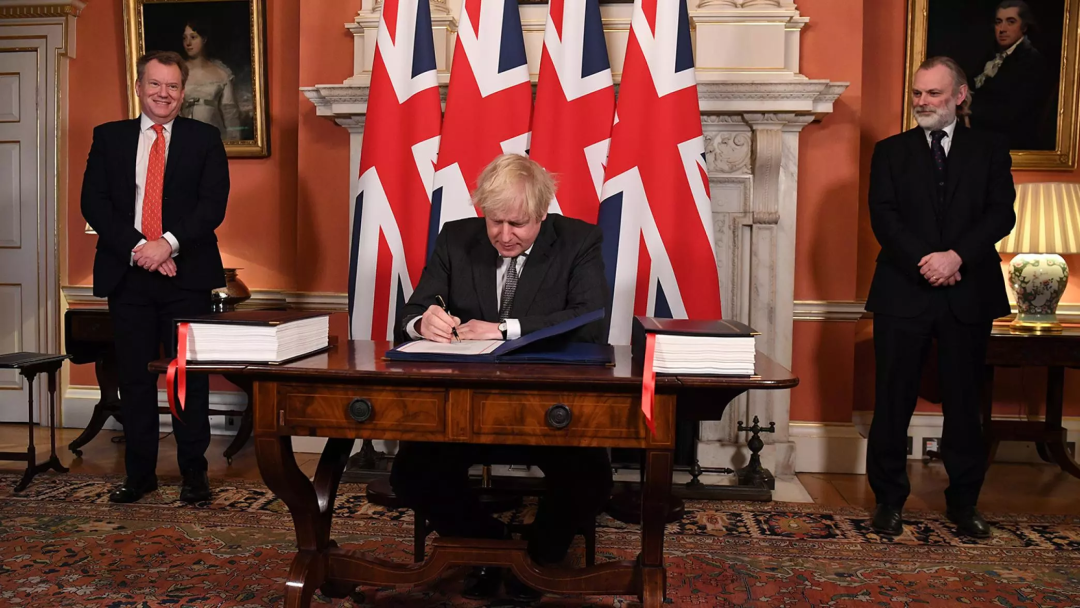
Boris Johnson signs the EU-UK Trade and Cooperation Agreement, which runs from
2019 to 2022
Serves as Prime Minister of the United Kingdom. Image source: institute for governmentFor companies that still rely on overseas supply sources such as China, it will take time to adjust battery and component procurement and build local supply capabilities.
IAA and TCA therefore constitute two different thresholds: IAA involves whether vehicles can obtain industrial support and public procurement treatment; TCA involves whether vehicles can enjoy preferential tariffs when crossing the strait.
For Chinese car companies, assembling in the UK is not equivalent to obtaining British origin qualifications. The EU can also launch an investigation into production arrangements suspected of evading countervailing duties. The production process, parts sources and origin identification of a specific model determine its applicable tariff treatment; IAA treatment is further related to subsidies, fleet support and public procurement opportunities.

The pressure to increase taxes and the UK’s trade-offs
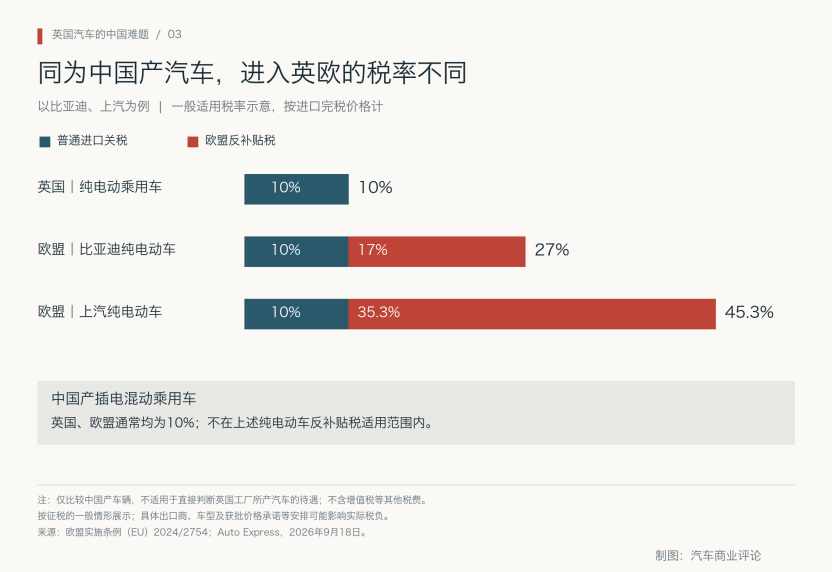
There are already obvious differences between the tariffs imposed by the UK and Europe on Chinese-made cars.
The UK currently imposes a 10% import tariff on Chinese-made passenger cars at the most-favored-nation rate, and has not followed the EU in imposing countervailing duties on Chinese-made pure electric vehicles.
The European Union passed the final countervailing tax arrangement in October 2024. In addition to the original 10% import tariff, different additional tax rates will be applied according to enterprises. Among them, BYD applies to 17% and SAIC applies to 35.3%.
This countervailing measure targets pure electric vehicles made in China, excluding plug-in hybrid vehicles. The products sold by Chinese brands in the UK cover both pure electric and plug-in hybrid vehicles. The overall sales volume of the brand cannot be regarded as the result of this tariff difference.
On September 16, Nissan announced plans to invest approximately 170 million pounds to produce the Kicks hybrid model at its Sunderland plant. On the same day, Massimiliano Messina, Nissan’s chairman for Africa, the Middle East, India, Europe and Oceania, called on the UK to increase import tariffs on Chinese cars and lower its electric vehicle sales target.
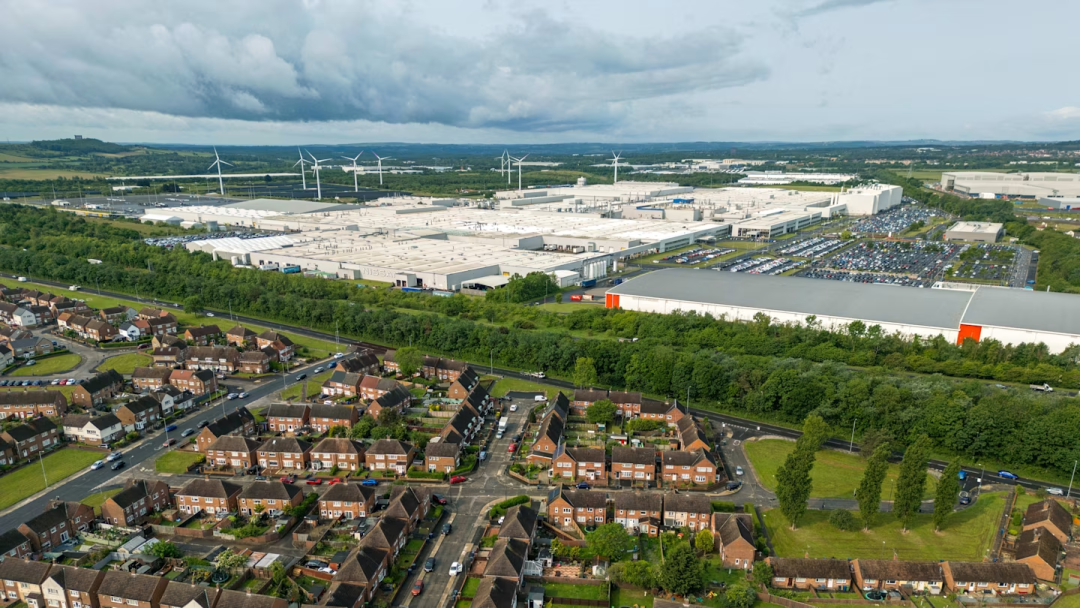
Nissan is one of the UK's largest automotive employers, employing around 6,000 people in Sunderland. Source: Bloomberg
According to the Guardian, Nissan has also linked this investment plan to adjustments to UK zero-emission vehicle sales requirements.
Nissan’s appeal has a clear business background. Data from the European Automobile Manufacturers Association (ACEA) shows that in the first half of 2026, in the combined markets of the European Union, European Free Trade Association and the United Kingdom, Nissan's new car registrations fell by 10.4% year-on-year, with a market share of 2.1%, lower than BYD's 2.4%.
Messina also linked the tariff issue to Britain's fight for European industrial treatment. He believes that Europe will be worried about Chinese goods entering the market through the UK, and the UK may need to adjust some tariff policies accordingly.
As of September 25, this is no longer just a corporate proposition.
Reuters quoted the Financial Times on the same day as reporting that the EU has proposed to the UK that increasing tariffs on Chinese cars and aligning more closely with EU trade policies would help the UK avoid key export products being restricted by "Made in Europe" rules. The report quoted an unnamed EU official as saying that the differences in tariffs between the UK and the EU have triggered concerns about Chinese cars passing through the UK to circumvent EU tariffs.
The EU also proposed that joining the customs union can solve most of the problems of "Made in Europe". Britain's tariff policy towards China has entered into discussions between the two sides, but the specific requirements and exchange conditions have not yet been made public.
Chinese cars transiting through the UK cannot automatically obtain UK origin qualifications or UK-EU zero-tariff treatment. However, EU officials' statements indicate that when the UK seeks industrial treatment, it will also be asked to explain its different import policies from the EU.
The British government is more cautious about tax increases.
In July this year, Jonathan Reynolds returned to take charge of business affairs when Burnham formed the cabinet and became Secretary of State for Business, Innovation, Science and Trade.
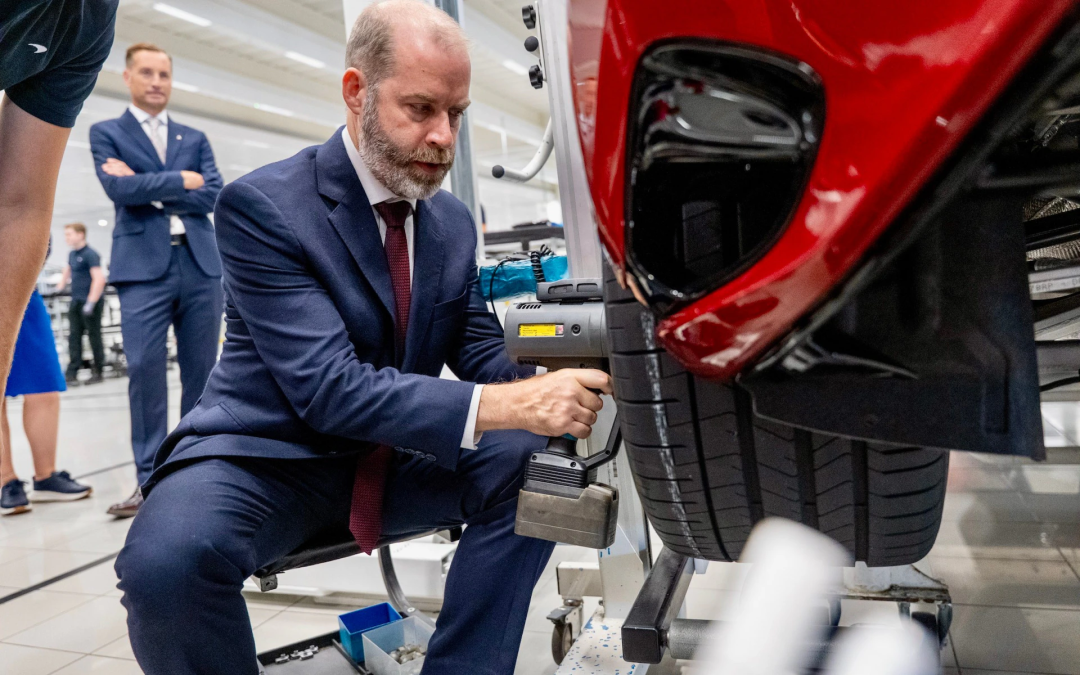
Jonathan Reynolds Source: McLaren
According to the "Daily Telegraph" report on September 16, Reynolds emphasized that the British automobile manufacturing industry is an export-oriented industry, and trade protection measures may trigger reciprocal responses and harm the UK's own export interests. Jaguar Land Rover's business in China is an important factor for its consideration.
Jaguar Land Rover’s joint venture partner in China also happens to be Chery. Chery Jaguar Land Rover, in which both parties hold 50% of the shares, has started vehicle and engine production in Changshu. Chinese companies not only compete with local manufacturers in the British market, but also participate in the business of British automobile companies in China.
Reynolds hopes to attract Chinese electric car manufacturers to invest in the UK, and compared the UK's efforts to attract Nissan, Honda and Toyota to build factories in the 1980s. He believes that the cost and innovation capabilities of Chinese automobiles are beneficial to consumers, and the UK should explore how to introduce relevant technologies and investments to make them comply with its own labor and regulatory standards.
But today's Nissan is in a different position. The Sunderland plant, which was put into operation in 1986, was once a representative of the UK in attracting Japanese automobile investment. Now, Nissan is asking the UK to raise import thresholds to protect the competitiveness of the plant, and at the same time, it is discussing production cooperation with Chery.
Foreign investors at that time hoped that Britain would restrict imports from newcomers, but they might also rely on orders from newcomers to maintain factory production. The negotiations between Chery and Nissan put the UK's two expectations for Chinese cars in the same factory: less import competition and more local production.
Comments