
Abstract:
The National Aeronautics and Space Administration (NASA) is steadily advancing its grand blueprint for returning to the moon and has officially finalized the exercise structure for the Artemis III mission. According to the latest mission plan, Artemis 3, scheduled to be launched in 2027, will serve as a key "all-element orbital rehearsal" before manned moon landing. The astronauts on the Orion spacecraft (Orion) will conduct rendezvous and docking tests with commercial lunar module prototypes built by Space Exploration Technology Company (SpaceX) and Blue Origin in low-Earth orbit to comprehensively test the complex orbital maneuverability in deep space.

As the foundation for the first human return mission to the lunar surface since Apollo 17 in 1972, NASA plans to carry out the Artemis 4 mission in 2028 to officially land astronauts on the moon. Prior to this, the Artemis 3 mission will set up a rigorous test site in Earth orbit. The two commercial aerospace giants will use their own commercial launch vehicles to launch the lunar module test payload into orbit, while the Artemis 3 astronaut team will take off aboard NASA's Space Launch System (SLS) heavy-lift rocket and Orion spacecraft.
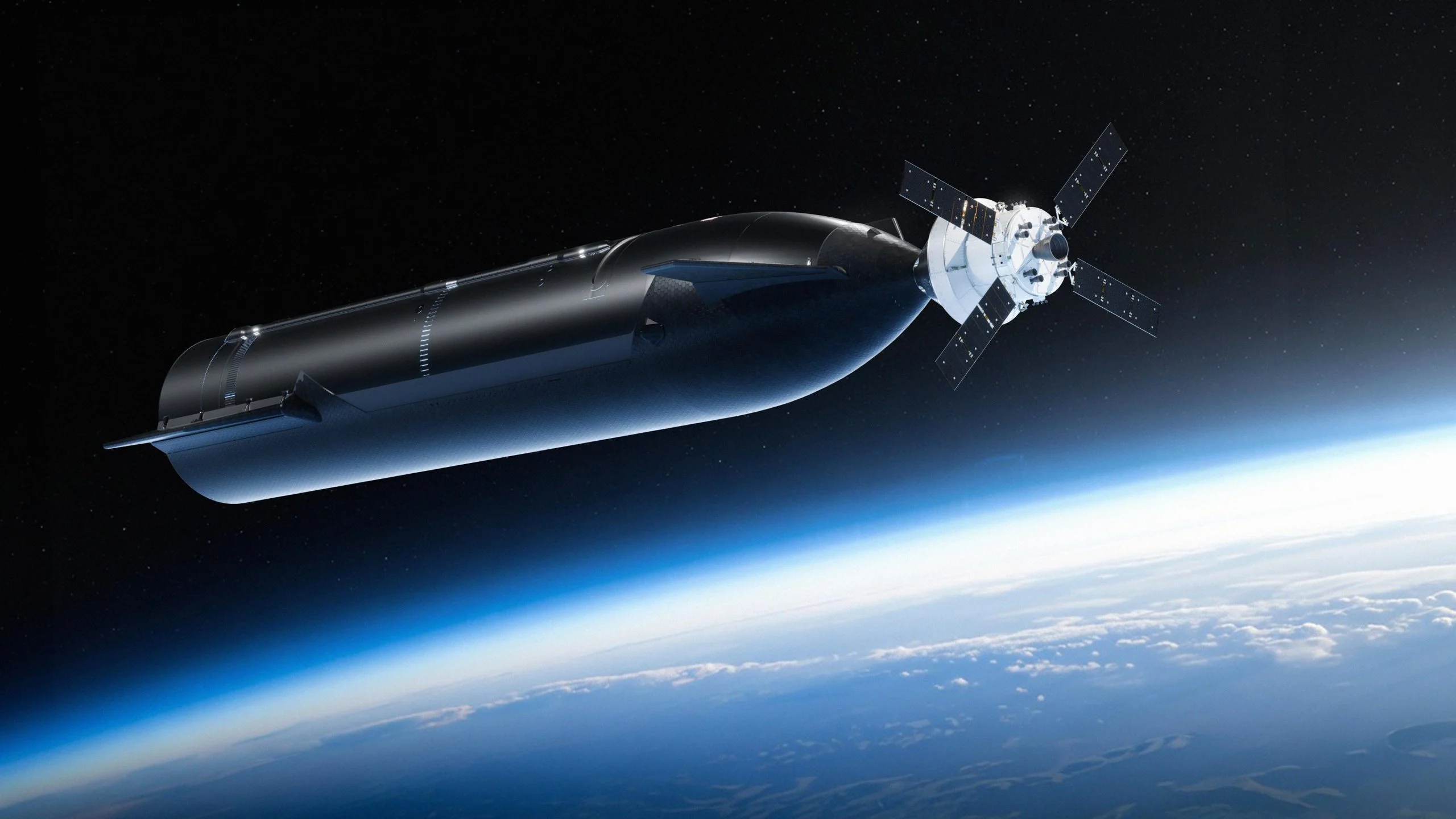
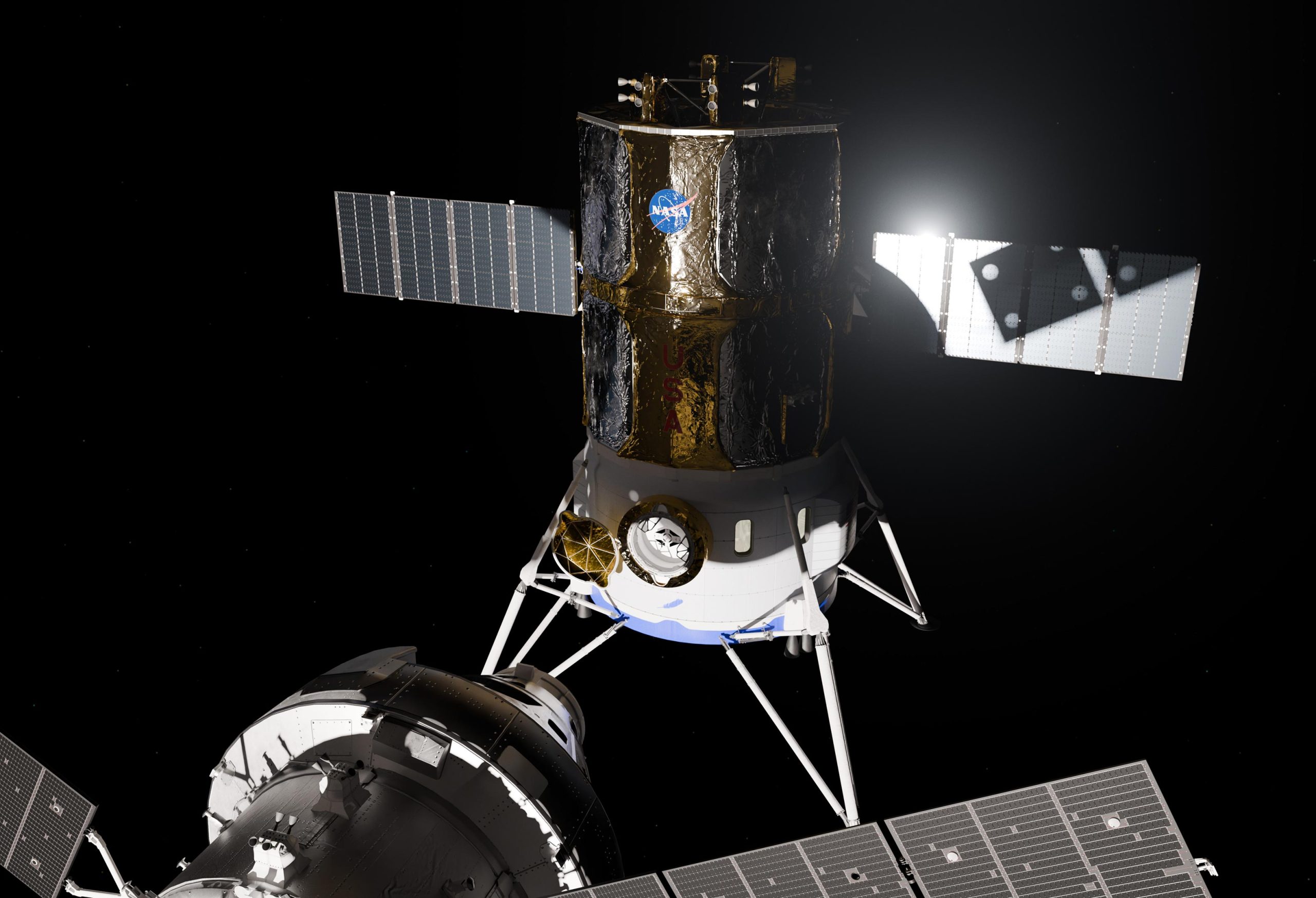
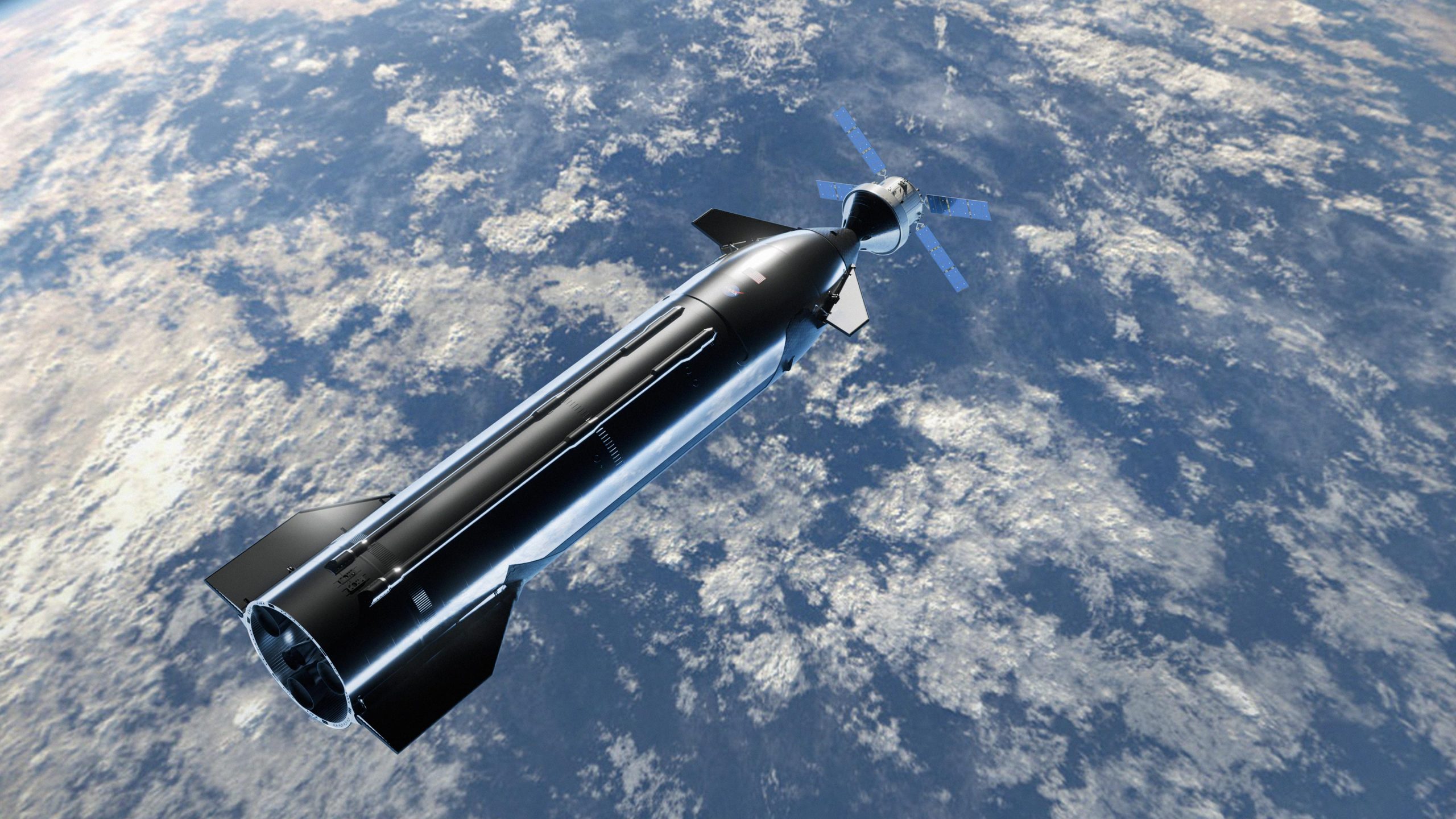
In specific mission execution, the two commercial lunar modules have different testing focuses. Blue Origin’s Blue Moon test lander is based on its Mark 2 manned lander architecture, equipped with key avionics, flight software and attitude control systems. The Orion spacecraft will dock with its side. At that time, up to two astronauts wearing orange crew survival protective suits will actually open the door and enter the cabin to verify the Environmental Control and Life Support System (ECLSS) ) and internal functions; in the docking test with SpaceX's Starship lunar module prototype, NASA will focus on using the docking system installed in its nose cone to test the overall attitude controllability and communication interaction logic of the Orion spacecraft and the 52-meter-tall giant starship assembly in orbit.
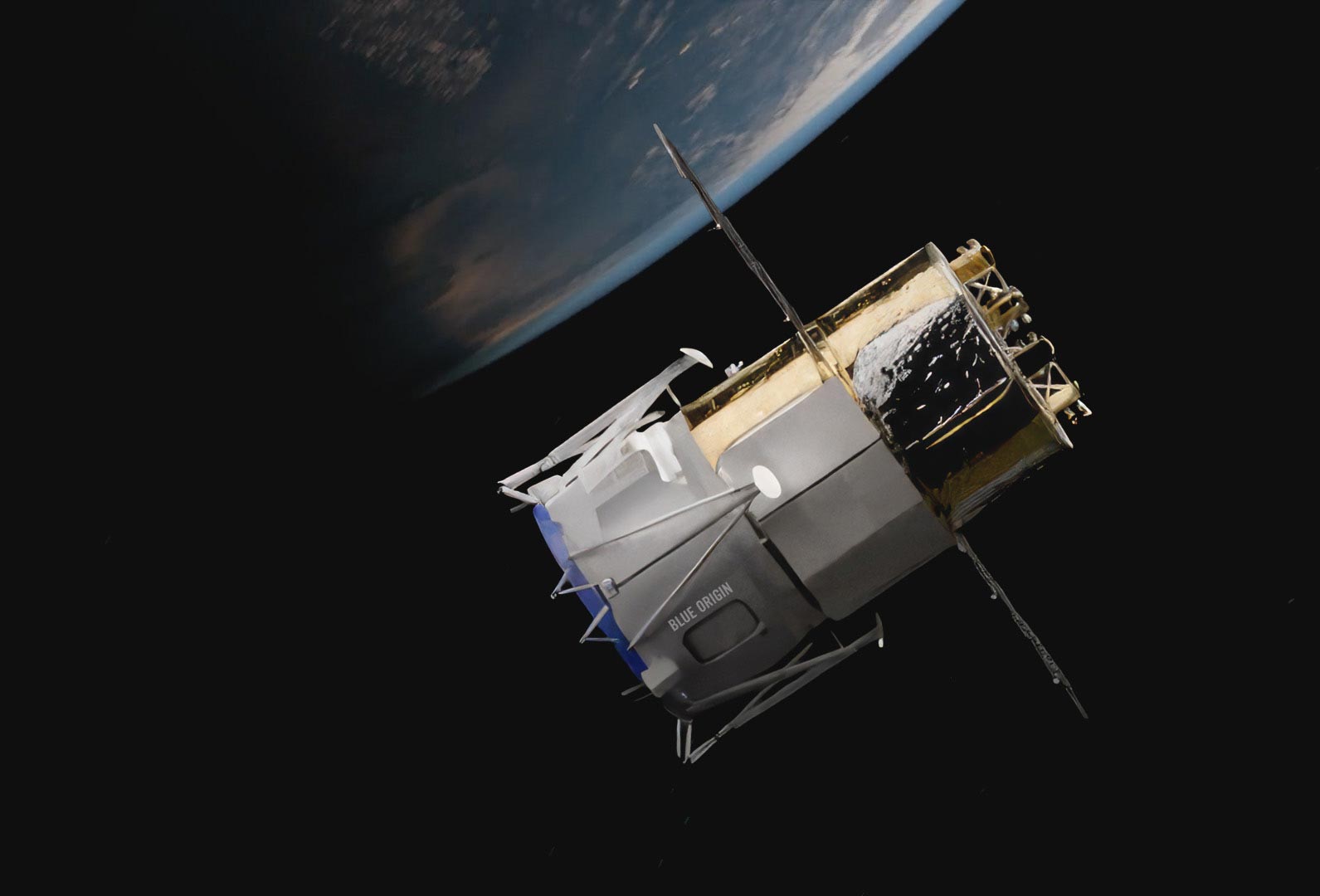
It is worth noting that Artemis 3 will also pose an unprecedented engineering test to global space launch coordination capabilities. In a relatively short time window, the three types of rockets with the most powerful thrust in the world will be ignited and lifted off in succession. According to the plan, Blue Origin's lunar module will be launched first and can wait in the "parking orbit" for up to 30 days for self-inspection. Then the SLS rocket will launch the Orion spacecraft into orbit and complete the first round of docking. After completing this phase of evaluation, SpaceX's starship test machine will take off and conduct the second round of rendezvous and docking with Orion. After the mission is completed, the astronauts will safely return to Earth aboard the Orion spacecraft and splash down in the Pacific Ocean.
Jeremy Parsons, director of NASA's Artemis program, commented that Artemis 3 will be a highly precisely choreographed "space ballet." The high-intensity launch sequence spanning multiple launch stations and the sharing and flow of data between ground control networks and measurement and control sites will make it one of the most complex and ambitious missions in NASA's history. By exposing the potential risks of software and hardware in low Earth orbit in advance and fully verifying the reliability of the dual lunar modules, NASA will lay a solid foundation for safety when astronauts set foot on the lunar South Pole in 2028.
Comments