
Abstract:
Sources revealed that Samsung is planning to completely reconstruct One UI and will make major adjustments to the overall design concept. The South Korean tech giant is said to be exploring innovative ways that could change the way Galaxy users interact with system software. Well-known Samsung tipster Ice Universe also said on the X platform that its independent sources have confirmed that One UI 10 will bring "unprecedented major changes."
The report pointed out that the last time Samsung made such a large-scale innovation in its customized Android system was nine generations ago when One UI was just born. In recent years, Samsung's system upgrades have become increasingly predictable, mainly in the form of fine-tuning of interface details and the steady advancement of AI capabilities and functions. However, One UI 10 is expected to no longer be limited to appearance and functional updates, but will try to bring new experience directions to users.
It is said that One UI 10 will revolve around three core changes. The first is to change the way users use applications: Samsung will prioritize promoting "Contextual Flow" instead of traditional "App Silos". This means that users do not have to repeatedly switch between different applications when completing basic tasks; data such as calendar items, location information, communication content, etc. will be organically integrated into a unified view. The idea sounds like an enhanced version of the existing Now Nudge feature.
Secondly, Samsung hopes to reduce users' "cognitive load" and reduce unnecessary clicks, hidden menus and hierarchical structures. No matter what task a user performs or what content they are looking for, the flow of operations should be smoother and avoid “dead-end” interaction paths.
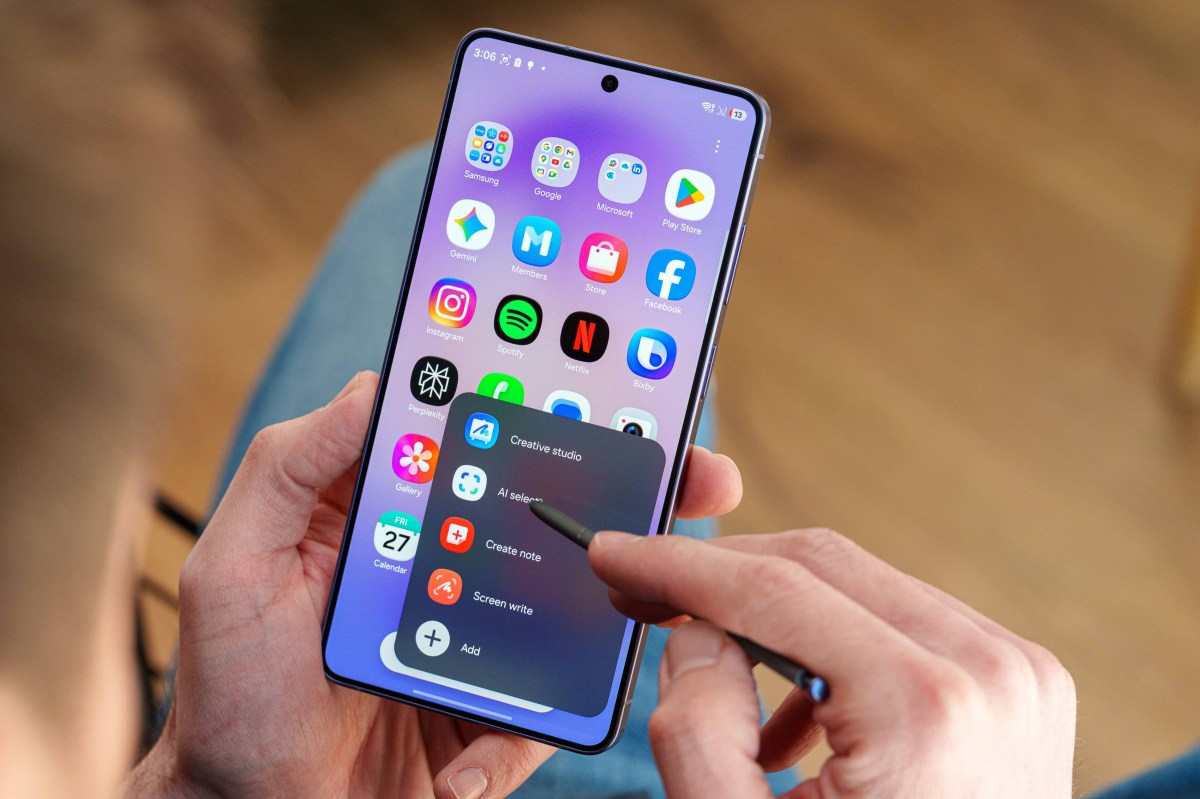
The third change focuses on ecological synergy. Samsung is said to further improve the cross-device task connection capabilities between smartphones, tablets and wearable devices, and promote a higher degree of unity in the Galaxy ecosystem.
AI is obviously also an important part of this conceptual change. As the demand for end-side computing and hybrid AI processing continues to grow, Samsung is facing pressure to commercialize related capabilities, because a large amount of computing power itself means cost. Sources said Samsung may adopt a dual-track model: core daily AI functions will continue to be provided for free, while third-party integrations and advanced processing tools that require higher computing power may be included in the subscription payment system.
In terms of release rhythm, due to the large scale of the above changes, Samsung may have difficulty catching up with the release time of Galaxy Z Fold9 and Z Flip9. Therefore, the generation upgrade of One UI 10 is likely to be scheduled to be launched when the Galaxy S29 series is released, which will coincide with the tenth anniversary of the birth of One UI.
The report also mentioned that Samsung is expected to launch a developer preview version earlier than the official version is released. The source also advises users not to put off hardware upgrades just to wait for One UI 10, as Samsung's long-term software support strategy should ensure that One UI 10 and its features run smoothly on recent Galaxy S series and foldable Z series flagships.
At present, the above content is still a revelation, and Samsung has not officially confirmed the specific design, functions or release time of One UI 10.
Comments