
Abstract:
The anti-mosquito military fabric "Plant Armor" was used by researchers at North Carolina State University in the United States for strawberry cultivation. Experiments have shown that it can increase the fruit yield of a single plant to 3.56 times that of an uncovered plant without increasing the plant volume or the number of leaves. This technology, originally intended for military uniforms to prevent mosquitoes, is showing potential in the agricultural field to reduce pesticide use and increase yields.
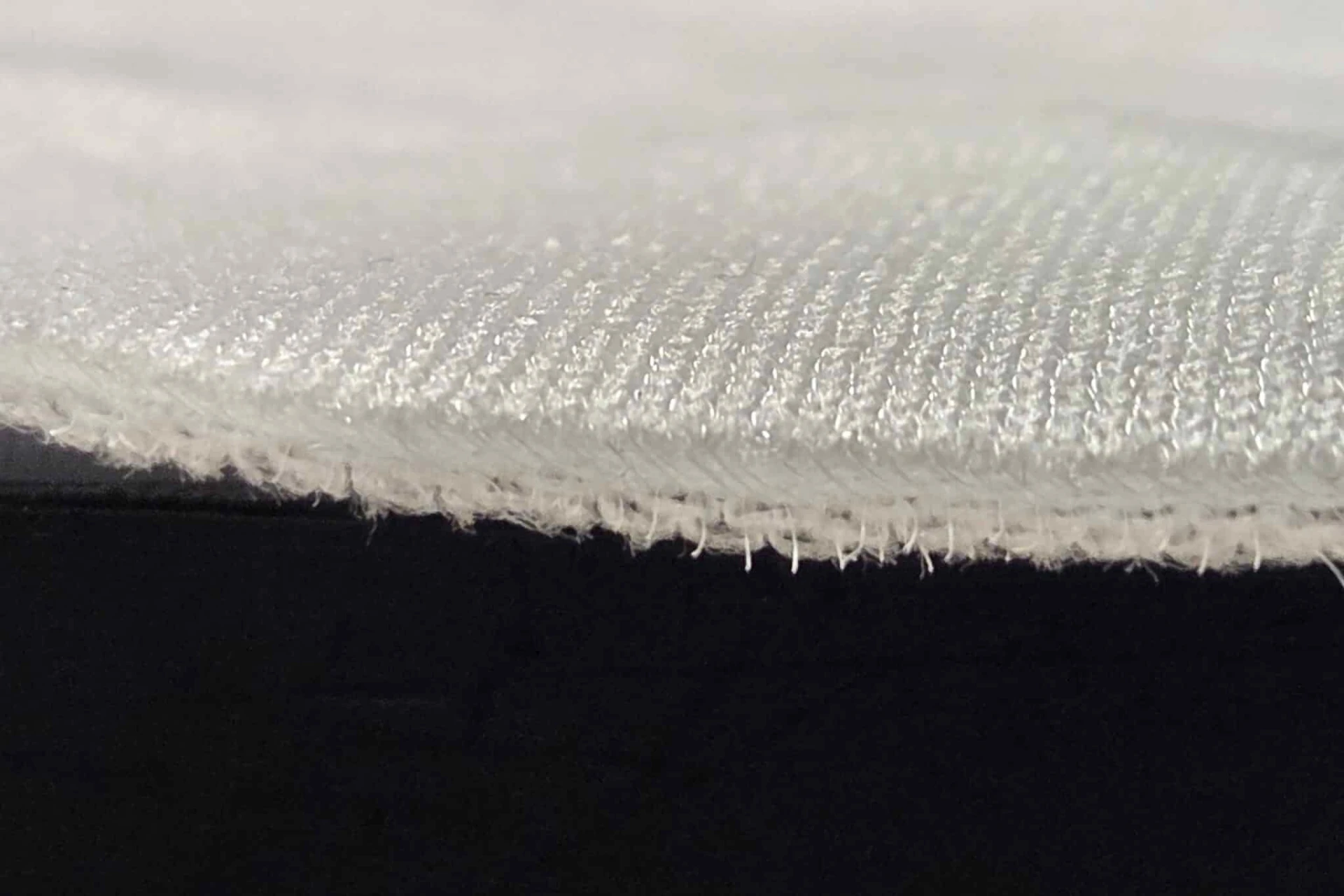
Plant Armor originally originated from a research aimed at improving the mosquito repellent performance and wearing comfort of military uniforms. The NC State team then proposed covering strawberry plants with the knitted fabric to reduce insect damage and improve growing conditions. Experimental results show that this seemingly cross-border design is indeed effective.
This fabric is fixed on an arched support about 1 meter high made of PVC pipes, forming a cover similar to a small greenhouse around the strawberry plants. But unlike plastic greenhouses, Plant Armor is a porous three-dimensional knitted material that blocks pests without completely enclosing plants in a controlled environment.
Traditional fine-mesh insect-proof nets have long been used for crops such as tomatoes, cucumbers and cabbage, but they face a contradiction: the mesh must be fine enough to prevent insects from entering, but it may also block light and air circulation. Plant Armor's three-dimensional knitted structure allows sunlight, air and rain to pass through while forming a physical barrier. In laboratory tests, aphids were completely unable to penetrate the fabric.
In addition to being insect-resistant, the fabric also offers temperature advantages. The researchers found that temperatures under the covering fabric were consistently higher during the growing season. This is especially important for "accumulated heat": plants need to accumulate enough heat to grow and produce fruit. Because the fabric maintains a relatively warm and stable microenvironment, the covered strawberry plants enter the fruiting stage earlier.
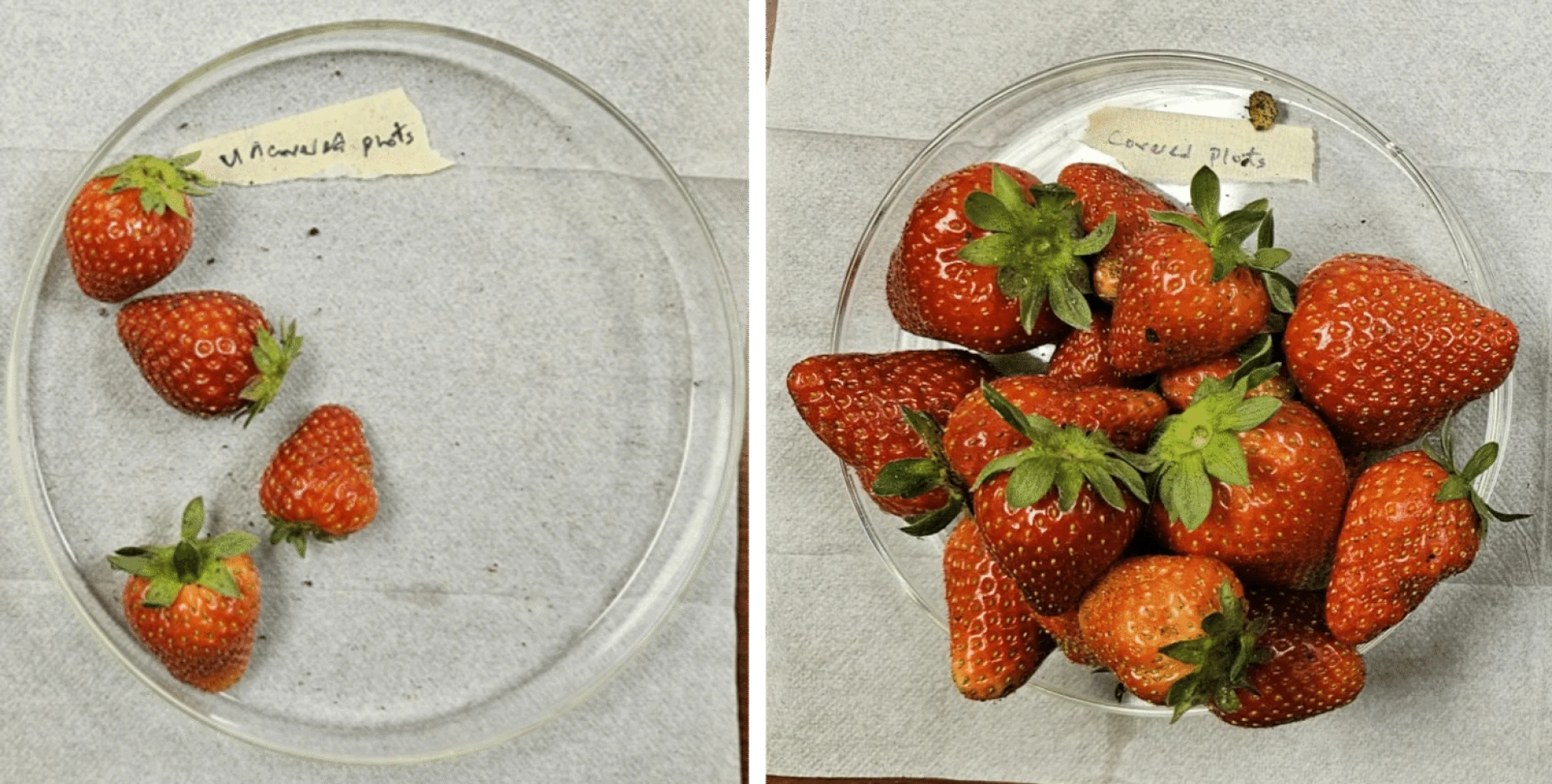
The most significant results occurred at the harvest stage: strawberry plants treated with Plant Armor produced 3.56 times the number of fruits as compared to plants that were not covered. More importantly, they did not grow larger or grow more leaves. The increase in yield was mainly reflected in the increase in the number of fruits.
Gabriel Olawuyi, the first author of the research paper, said that the team was originally worried that this seemingly opaque fabric would prompt the plants to produce a "shade avoidance response" and use more energy for the growth of stems and leaves, thus sacrificing results. However, experiments showed that the fabric did not hinder the entry of light, and the fruit yield was significantly increased.
In the next step, the researchers plan to push Plant Armor from the laboratory to commercial farms and conduct tests in different regions and on different crops. If its effects can be replicated in real agricultural settings, farmers in the future may be able to achieve higher yields earlier while reducing chemical pesticides and additional irrigation.
Comments