
Abstract:
The hardware start-up team and related technology developers recently demonstrated a highly disruptive wireless external graphics card (eGPU) solution. This solution claims to completely get rid of the physical constraints of Thunderbolt or OCuLink physical cables, and can seamlessly deliver graphics computing performance comparable to the desktop flagship graphics card RTX 5090 to thin and light laptops and even handheld devices through high-bandwidth, ultra-low latency wireless data transmission protocols.
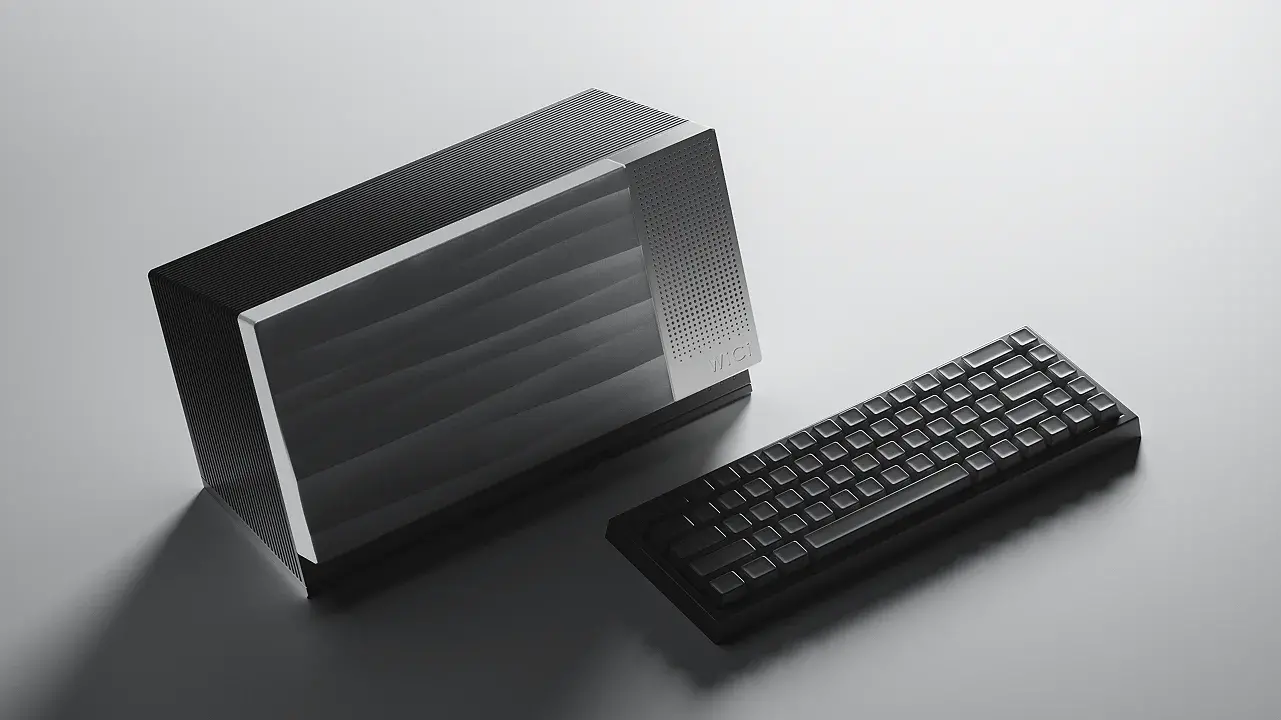
For a long time, traditional external graphics card expansion docks have generally relied on Thunderbolt 4/5 or customized PCIe physical interfaces to connect to the host. Not only do they have strict restrictions on cable materials and physical lengths, but they are also limited by interface bandwidth bottlenecks and often cause varying degrees of attenuation in the computing power of top desktop graphics cards. The wireless eGPU solution announced this time uses a new generation of ultra-wideband millimeter wave technology combined with a self-developed high-concurrency data compression transmission chip. It can establish an end-to-end point-to-point wireless channel with a rate of several gigabits (Gbps) within a range of several meters or even room scale. It is claimed that it can reduce the delay of wireless graphics data return to just a few milliseconds, reaching a level that is imperceptible to the human eye and meets the gaming-level refresh rate.
In the actual performance demonstration, the system placed the built-in flagship RTX 5090 graphics card in an independent cooling and power supply dock. The client device only needs to insert a miniature wireless receiving and transmitting module to smoothly run various 3A-level game masterpieces with extremely demanding hardware requirements at 4K resolution, top-level ray tracing, and high frame rate settings. The development team pointed out that this solution not only allows thin and light notebooks and portable devices to directly transform into top-level gaming workstations without plugging in cables, but also effectively avoids interface wear caused by frequent plugging and unplugging of cables, truly realizing spatial decoupling of high-performance computing hardware and mobile portable terminals.
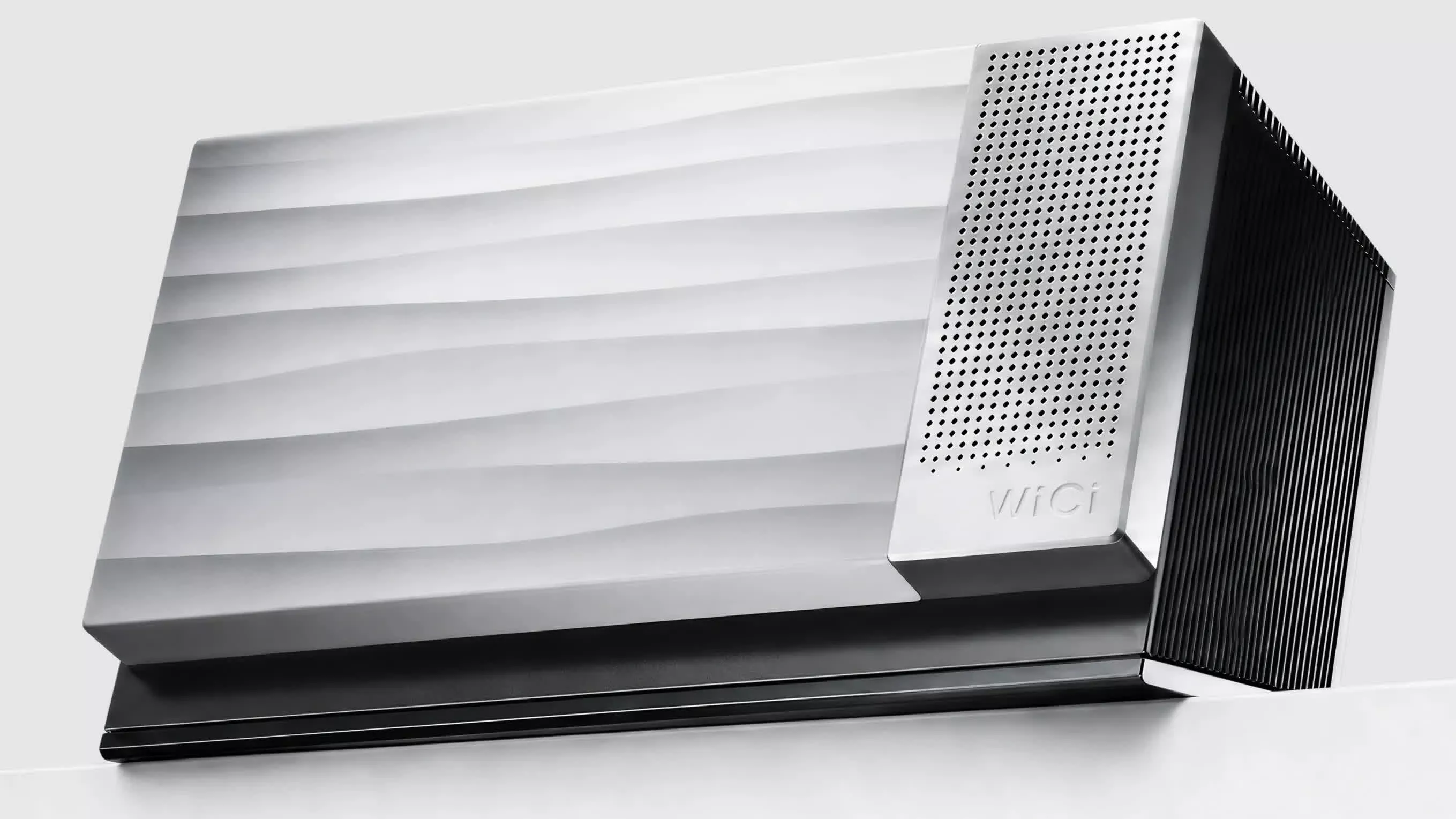
However, many industry hardware analysts are also cautiously optimistic. Analysts pointed out that although millimeter wave and point-to-point high-speed wireless transmission can achieve amazing bandwidth performance in ideal experimental environments, in real home or office environments, how to overcome signal attenuation caused by physical obstacles, electromagnetic interference between multiple devices, and how to effectively digest the power consumption and heat of the transmitting and receiving modules themselves are still engineering problems that must be overcome before this technology can move towards commercial mass production. Currently, the wireless external graphics card system is still in the technical verification and prototype debugging stages, and the specific launch time and final selling price have not yet been officially announced.
Comments