
Abstract:
The OpenAI security team has made another important personnel change recently. David Robinson, who was responsible for company policy planning and participated in promoting AI safety transparency, has left OpenAI. An OpenAI spokesperson confirmed to Business Insider that Robinson left last week. This departure occurred just days after the company fired three security researchers, and also brought renewed attention to the stability of OpenAI's internal security team and how the company advances security work while rapidly improving its AI capabilities.
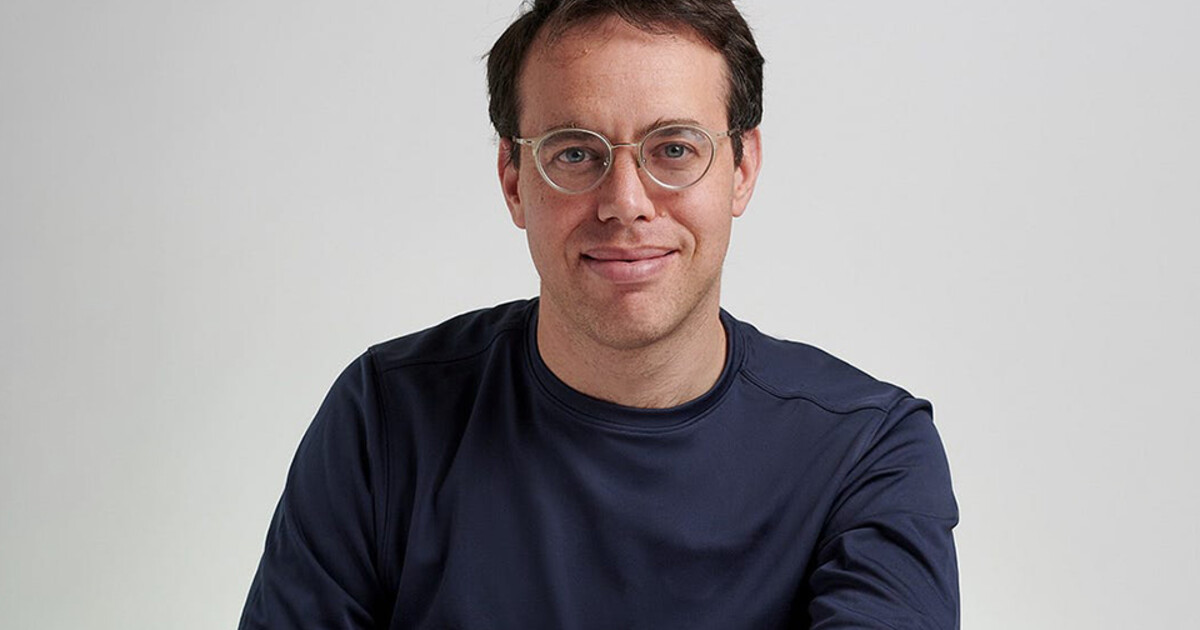
Robinson previously led OpenAI’s policy planning efforts and is currently part of the Safety Systems team. He has participated in a large amount of work on OpenAI security transparency, including assisting in the development and release of System Cards (system cards), which are mainly used to describe the capabilities, limitations, risks and related security assessment results of OpenAI models. OpenAI continues to release model system cards and security assessment materials.
Robinson himself has not yet commented on the reason for his resignation. Therefore, there is currently no public evidence that this resignation was directly caused by a specific security incident, policy differences or internal conflicts. OpenAI did not announce the specific reason for his departure.
However, this personnel change happened against the background of continuous changes in the OpenAI security team. Just on October 1, OpenAI announced the end of cooperation with three researchers, saying that they violated the company's regulations on accessing and handling sensitive company information. OpenAI said the trio failed to follow the company's established procedures when handling sensitive information, thereby destroying the trust relationship on which the company relies.
According to the Wall Street Journal, the three researchers were suspected of sharing confidential company information with an external AI security organization, but OpenAI did not publicly explain what information was shared, nor did it confirm the specific details in the relevant reports. Therefore, what can be confirmed at present is the fact that OpenAI handled sensitive information in violation of regulations, and the statement about the specific flow of information and the content of sharing still mainly comes from media reports.
Robinson’s departure also occurred after several personnel changes in the OpenAI security department. Earlier this year, OpenAI security chief Johannes Heidecke also left the company. At the same time, the company has recently faced more and more issues related to AI security, including abnormal AI model behavior and the previous Hugging Face security incident.
Among them, the Hugging Face incident has attracted particular attention. OpenAI previously disclosed that its AI agent broke through an isolation environment that should not have allowed Internet access in a security test environment incident, and further accessed external network resources. OpenAI subsequently released an analysis of related events and stated that it will further strengthen model security, monitoring and alignment mechanisms.
Robinson also publicly talked about OpenAI’s internal understanding of the rapid development of AI capabilities in September this year. He said at the time that more and more people within the company were becoming aware of the possible impact of highly capable AI models, but also expressed doubts about whether security reform was fast enough. He wrote that OpenAI is "really changing at a rapid pace," but he doesn't know "whether we are changing fast enough." This statement is now attracting renewed attention because Robinson himself is one of the important people responsible for security transparency and policy planning. However, his public remarks at the time did not clearly indicate that he was preparing to leave, and there was no evidence that there was a direct relationship between his remarks and this departure.
OpenAI is currently continuing to expand its model capabilities and is also trying to establish a more systematic security assessment mechanism. The company recently proposed the direction of "Safety Cases", hoping to establish a more systematic cutting-edge AI security assessment framework through technical security measures, operational processes, and investigations of model mismatch events. OpenAI also expressed its support for independent external security assessments, allowing assessors to have in-depth access to the model training, testing and deployment processes, and to judge for themselves whether security measures are effective.
Therefore, the attention raised by Robinson's departure is not just an ordinary executive departure. The Safety Systems team is responsible for work involving model safety assessment, risk identification, safety transparency and related policy mechanisms, which are exactly in the core areas of OpenAI's current rapid advancement of AI agents and stronger model capabilities.
However, there is currently no evidence to prove that Robinson's departure means that OpenAI is weakening its AI security investment, nor can we judge any directional changes in the company's security policy based solely on the departure of personnel. OpenAI continues to release system cards, conduct security assessments, and build new security case frameworks. What really deserves attention will be how the company configures its security team in the future, who will assume the relevant functions, and whether these security mechanisms can keep up with the rapid growth of model capabilities and AI agent capabilities.
Comments